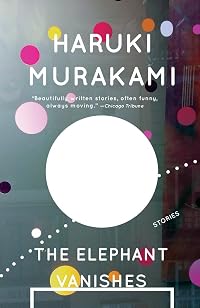
The Elephant Vanishes: Stories
by Haruki Murakami
On This Page
Description
Contains seventeen short fiction stories by Haruki Murakami about people whose lives veer off the path of normalcy.Tags
Recommendations




















Member Recommendations



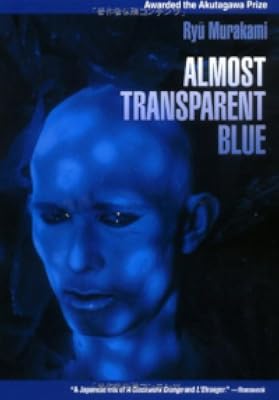
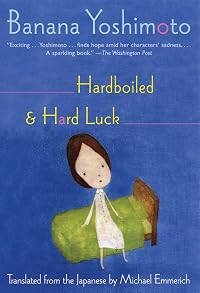
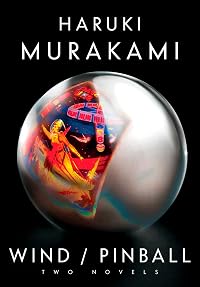
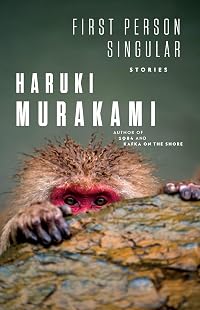
CGlanovsky People are strangely accepting of extremely absurd situations.
andomck Surreal short stories.
Member Reviews
The quote from Henry David Thoreau goes something like, "Most men live lives of quiet desperation." I thought of that quote a lot when reading this book. This book is a series of short stories. It seemed to me, the recurring theme in these stories is this: The main character gets a glimpse of something extraordinary (sometimes potentially supernatural, sometimes not, but always extraordinary). But, then the pull of the mundane life takes over and they are drawn back into it. The book is full of missed opportunities to experience the extraordinary.
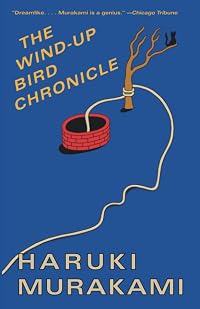
As with all of Murakami's books, this one is well written, especially the character development. In some of these short stories, there are hints of his longer works. Such as, one is practically show more a prologue to The Wind-Up Bird Chronicle. This book is worth reading, for sure. show less
As with all of Murakami's books, this one is well written, especially the character development. In some of these short stories, there are hints of his longer works. Such as, one is practically show more a prologue to The Wind-Up Bird Chronicle. This book is worth reading, for sure. show less
Haruki Murakami’s strength is the novel. It allows him the chance to truly dig into his strange subjects. Yet, saying his novels are better than his short stories is somewhat like saying that 10 million dollars is better than 9 million dollars. The difference isn’t worth worrying about.
In this collection of short stories, Murakami continues to use strange and slightly disturbing situations to explore what makes his antagonists tick. In doing so, we are lucky to join on the journey. There are few misses in this collection. And the hits are grand and memorable.
I have said it before and I will say it again. I approach every new Murakami book with the fear that I will be disappointed. I am never disappointed, I am always enthralled, and show more I am always thrilled to have discovered Murakami in the first place. Each new reading is like having that first discovery all over again. show less
In this collection of short stories, Murakami continues to use strange and slightly disturbing situations to explore what makes his antagonists tick. In doing so, we are lucky to join on the journey. There are few misses in this collection. And the hits are grand and memorable.
I have said it before and I will say it again. I approach every new Murakami book with the fear that I will be disappointed. I am never disappointed, I am always enthralled, and show more I am always thrilled to have discovered Murakami in the first place. Each new reading is like having that first discovery all over again. show less
Bár ezzel hipsterbölcsészek között nem hivalkodnék, de én szeretem Murakamit. Szeretem a banalitás határán táncoló nyelvét, szeretem, ahogy e nyelv mögül kikandikál egy párhuzamos mágikus világ jelenléte – még akkor is, ha ezt a mágikus világot folyton ugyanazokkal a trükkökkel jelzi. Szeretem továbbá párhuzamos világainak érthetetlen pszeudo-logikáját. Szeretem még azt is, hogy folyton mintha ugyanazt a szereplőt írná meg – ezt a jó harmincas, még európai szemmel is kirívóan ambiciómentes figurát, akinek a puszta léte is istenkáromlásnak tűnhet egy tősgyökeres japán számára. Szeretem, hogy olyan összetéveszthetetlen. Ezzel együtt utolsó könyve után némi elhidegülés állt show more be a kapcsolatunkban, ám most itt van a Köddé vált elefánt, így megint szent a béke*. Imponálóan egységes kötet ez.
Azt hiszem, a Murakami könyvek mind a beváltatlan ígéretekről szólnak**. Hogy létrejöhet kapcsolat emberek között, de nem tarthat örökké. Hogy léteznek titkok, de sosem érthetjük meg a logikájukat. Hogy részt vehetünk a varázslatban, de végső soron ott állunk majd üres kézzel. Ezért árad a könyveiből valami megbékélt szomorúság. Minden eszközzel mintha ezt a szomorúságot építené: találunk regényeiben hamis kulcsokat – jeleneteket vagy szereplőket, amik mintha közelebb vinnének minket a megfejtéshez, de csak olyan ajtókat nyitnak, amik a semmibe vezetnek. És ott vannak a menetrendszerű rejtélyes telefonhívások, mert a telefonhívások kiválóan alkalmasak arra, hogy érzekeltessük vele az emberi kommunikáció kozmikus értelmetlenségét: beszélgetések fizikai kontaktus lehetősége nélkül. És persze ott vannak a macskák – akik időnként szintén hajlamosak úgy viselkedni, mint egy testet öltött beváltatlan ígéret… Ésatöbbi, ésatöbbi. Szép, kerek világ ez.
* Igaz, ez a könyv angol nyelvterületen már szinte a krisztusi korba lépett. A magyar könyvkiadás malmai lassan őrölnek.
** Loptam egy Thomas Bernhard-idézetet, ami a Murakami-életmű mottója is lehetne: „Ha egész életünk során minden kérdésünkre válaszolnának, a végén mégse jutnánk messzebbre, mint anélkül.” show less
Azt hiszem, a Murakami könyvek mind a beváltatlan ígéretekről szólnak**. Hogy létrejöhet kapcsolat emberek között, de nem tarthat örökké. Hogy léteznek titkok, de sosem érthetjük meg a logikájukat. Hogy részt vehetünk a varázslatban, de végső soron ott állunk majd üres kézzel. Ezért árad a könyveiből valami megbékélt szomorúság. Minden eszközzel mintha ezt a szomorúságot építené: találunk regényeiben hamis kulcsokat – jeleneteket vagy szereplőket, amik mintha közelebb vinnének minket a megfejtéshez, de csak olyan ajtókat nyitnak, amik a semmibe vezetnek. És ott vannak a menetrendszerű rejtélyes telefonhívások, mert a telefonhívások kiválóan alkalmasak arra, hogy érzekeltessük vele az emberi kommunikáció kozmikus értelmetlenségét: beszélgetések fizikai kontaktus lehetősége nélkül. És persze ott vannak a macskák – akik időnként szintén hajlamosak úgy viselkedni, mint egy testet öltött beváltatlan ígéret… Ésatöbbi, ésatöbbi. Szép, kerek világ ez.
* Igaz, ez a könyv angol nyelvterületen már szinte a krisztusi korba lépett. A magyar könyvkiadás malmai lassan őrölnek.
** Loptam egy Thomas Bernhard-idézetet, ami a Murakami-életmű mottója is lehetne: „Ha egész életünk során minden kérdésünkre válaszolnának, a végén mégse jutnánk messzebbre, mint anélkül.” show less
The stories collected here may not be individually compelling, at least not initially. Together they generate certain harmonics, overtones that reappear reflected or distorted as they move from one story to the next. Lassitude is, perhaps, the overarching emotional dynamic (if lassitude can be a dynamic). And most often the main character is struggling to reach escape velocity from the doldrums of the middle years (25 to 35) in which, it seems, these individuals are not yet fully formed (like an echo of adolescence).
The title story stands out, with its casual magic realist plot device, but equally telling is “TV People” and “The Dancing Dwarf”, which for some reason had me thinking of Peter Carey’s Tristan Smith. On the other show more hand, “The Second Bakery Attack”, “Lederhosen”, and “Barn Burning” cross the cusp of a life-change without appeal to non-realist technique, and they do this just as effectively.
Characteristic Murakami internationalist brand references abound and only one or two of the stories is tightly fixed to a Japanese locale. Sometimes it feels as though this is writing for the export market. Or maybe that veneer appeals locally. In any case, it does not detract from a set of stories that may continuing sounding long after the book is set aside. show less
The title story stands out, with its casual magic realist plot device, but equally telling is “TV People” and “The Dancing Dwarf”, which for some reason had me thinking of Peter Carey’s Tristan Smith. On the other show more hand, “The Second Bakery Attack”, “Lederhosen”, and “Barn Burning” cross the cusp of a life-change without appeal to non-realist technique, and they do this just as effectively.
Characteristic Murakami internationalist brand references abound and only one or two of the stories is tightly fixed to a Japanese locale. Sometimes it feels as though this is writing for the export market. Or maybe that veneer appeals locally. In any case, it does not detract from a set of stories that may continuing sounding long after the book is set aside. show less
This is a strong collection of stories, with as much of a narrative thread running through them as you get with Murakami. My favourite pieces are Sleep, which gave me a different view of life, Barn Burning, which was deliciously creepy, and The Dancing Dwarf, a horror in the mould of traditional Japanese fairy stories. These three really stuck in my mind, but all of the stories are good, exploring how changes in the world around us upset the fragile balance we're trying to maintain, and how that balance is only ever surface appearance. What goes on beneath is ancient and unchanging and solitary.
I love reading the works of the Japanese writer Haruki Murakami. His stories always are slightly unreal. They take place in our world, but magic and weird happenings are very much a part of it. I love how his characters accept this and go with it.
This is a collection of short stories, all weird, all taking place in Japan. The first story is the base for the later novel The Wind-Up Bird Chronicle (which I loved), and some of the characters reappear multiple times, making the stories somewhat connected. Other than that, many themes reappear, such as insomnia, a love or fear of Sundays, men alone, western foods or music and death in a specific form. I have a feeling you could analyse this book and come away with many new insights, but even show more as just an entertaining read, it is very good. For those who love Murakami and his style, I highly recommend this book. show less
This is a collection of short stories, all weird, all taking place in Japan. The first story is the base for the later novel The Wind-Up Bird Chronicle (which I loved), and some of the characters reappear multiple times, making the stories somewhat connected. Other than that, many themes reappear, such as insomnia, a love or fear of Sundays, men alone, western foods or music and death in a specific form. I have a feeling you could analyse this book and come away with many new insights, but even show more as just an entertaining read, it is very good. For those who love Murakami and his style, I highly recommend this book. show less
No one captures urban isolation and loneliness as good as Murakami. There were some misses in this book, but most of them were a hit. I especially loved the one with the penpal club (called "A Window") where the author writes to unknown recipients with the purpose of improving their English, but they are actually lonely and just wants to talk to someone. The "Lederhosen" story was particularly insightful for depression since something as simple as picking off a set of pants for your husband can set off your feelings if you have been suppressing them. "Barn Burning" was brilliant, and so was "A Family Affair". A Family Affair is the story of a brother getting to know the fiancee of his sister, of whom he doesn't think much of. The story show more is peppered with dry and sarcastic humour, but what really struck me was the attitude of the brother - satisfied with mediocrity, not wanting much from life, and knowing his limitations. "Sleep" was another illuminating story - about a housewife who was suddenly unable to sleep any more, going through her days in a fugue, but having an exceptional clarity of mind during the night and voraciously consuming classical Russian literature by Tolstoy and Dostoyevsky.
One thing that really, really bothered me was the "Little Green Monster" story. It's unforgivably misogynistic. Murakami tries to paint women as capable of intolerable cruelty and being unreasonable. I'm pretty sure he must have been though a bad breakup, or had a bone to pick with someone when he was writing this story.
But overall, if you are a Murakami completionist, you have to absolutely get this. Or you like insightful stories about urban isolation, this is your book too. show less
One thing that really, really bothered me was the "Little Green Monster" story. It's unforgivably misogynistic. Murakami tries to paint women as capable of intolerable cruelty and being unreasonable. I'm pretty sure he must have been though a bad breakup, or had a bone to pick with someone when he was writing this story.
But overall, if you are a Murakami completionist, you have to absolutely get this. Or you like insightful stories about urban isolation, this is your book too. show less
Members
- Recently Added By
Published Reviews
ThingScore 75
Lists

Japanese Literature
230 works; 40 members

Magic Realism
371 works; 52 members

Short Story Collections and Anthologies
261 works; 42 members
Haruki Murakami's Books
16 works; 5 members

Books Read in 2022
5,226 works; 115 members
Author Information

318+ Works 175,581 Members
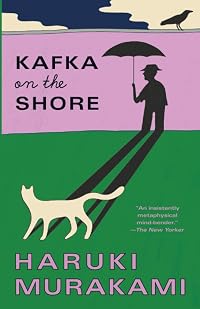
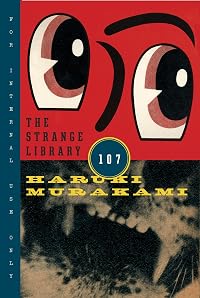
Haruki Murakami was born on January 12, 1949 in Kyoto, Japan and studied at Tokyo's Waseda University. He opened a coffeehouse/jazz bar in the capital called Peter Cat with his wife. He became a full-time author following the publication of his first novel, Hear the Wind Sing, in 1979. He writes both fiction and non-fiction works. His fiction show more works include Norwegian Wood, Colorless Tsukuru Tazaki and His Years of Pilgrimage, The Strange Library, and Men Without Women. Several of his stories have been adapted for the stage and as films. His nonfiction works include What I Talk About When I Talk About Running. He has received numerous literary awards including the Franz Kafka Prize for Kafka on the Shore, the Yomiuri Prize for The Wind-Up Bird Chronicle, and the Jerusalem Prize. He has translated into Japanese literature written by F. Scott Fitzgerald, Raymond Carver, Truman Capote, John Irving, and Paul Theroux. (Bowker Author Biography) show less
Some Editions
Awards and Honors
Distinctions
Series
Belongs to Publisher Series
Work Relationships
Common Knowledge
- Canonical title*
- Der Elefant verschwindet
- Original title
- 象の消滅
- Original publication date
- 1985 (original Japanese) (original Japanese); 1993 (Eng) (Eng)
- Important places
- Japan; Tokyo, Japan
- First words*
- Der Aufziehvogel und die Dienstagsfrauen: Als diese Frau eintraf, stand ich gerade in der Küche und kochte Spaghetti.
Der Bäckereiüberfall: Hunger hatten wir, so viel stand fest.
Der zweite Bäckereiüberfall: Ob die Entscheidung, meiner Frau von dem Überfall auf die Bäckerei zu erzählen, richtig war oder nicht, weiss ich immer noch nicht genau.
Schlaf: Es ist der siebzehnte Tag ohne Schlaf.
Der Untergang des Römischen Reiches, der Indianeraufstand von 1881, Hitlers Einfall in Polen und die Sturmwelt: Sonntag.
Scheunenabbrennen: Ich hatte sie auf der Hochzeitsfeier eines Bekannten kennengelernt und mich mit ihr angefreundet. (show all 8)
Frachtschiff nach China: Wann bin ich dem ersten Chinesen begegnet?
Der Elefant verschwindet: Vom Verschwinden des Elefanten aus dem städtischen Elefantenhaus erfuhr ich aus der Zeitung. - Quotations
- Memory is like fiction; or else it’s fiction that’s like memory. This really came
home to me once I started writing fiction, that memory seemed like a kind of fiction,
or vice versa. Either way, no matter how hard... (show all) you try to put everything neatly into
shape, the context wanders this way and that, until finally the context isn’t even there
anymore. You’re left with this pile of kittens lolling all over one another. Warm with
life, hopelessly unstable. “The Last Lawn of the Afternoon” - Last words*
- (Click to show. Warning: May contain spoilers.)Der Aufziehvogel und die Dienstagsfrauen: Man kann nicht ewig weiterzählen.
(Click to show. Warning: May contain spoilers.)Der Bäckereiüberfall: Klick.
(Click to show. Warning: May contain spoilers.)Der zweite Bäckereiüberfall: Ich legte mich der Länge nach ins Boot, schloss die Augen und wartete, dass die Flut mich trüge, wohin ich gehöre.
(Click to show. Warning: May contain spoilers.)Schlaf: Sie werden es umstürzen.
(Click to show. Warning: May contain spoilers.)Der Untergang des Römischen Reiches, der Indianeraufstand von 1881, Hitlers Einfall in Polen und die Sturmwelt: So lebe ich, ob der Wind nun weht oder nicht.
(Click to show. Warning: May contain spoilers.)Scheunenabbrennen: Nachts im Dunkeln denke ich manchmal an die niederbrennenden Scheunen.
(Click to show. Warning: May contain spoilers.)Frachtschiff nach China: Ach, meine Freunde, China ist so weit.
(Click to show. Warning: May contain spoilers.)Der Elefant verschwindet: Und kommen niemals hierher zurück. - Original language
- Japanese
*Some information comes from Common Knowledge in other languages. Click "Edit" for more information.
Classifications
- Genres
- Fiction and Literature, General Fiction
- DDC/MDS
- 895.635 — Literature & rhetoric Literatures of other languages Literatures of East and Southeast Asia Japanese Japanese fiction 1945–2000
- LCC
- PL856 .U673 .E44 — Language and Literature Languages and literatures of Eastern Asia, Africa, Oceania Languages of Eastern Asia, Africa, Oceania Japanese language and literature Japanese literature Individual authors and works
- BISAC
Statistics
- Members
- 5,303
- Popularity
- 2,574
- Reviews
- 85
- Rating
- (3.82)
- Languages
- 21 — Bosnian, Catalan, Chinese, Dutch, English, Estonian, French, German, Greek, Hebrew, Hungarian, Italian, Japanese, Lithuanian, Polish, Romanian, Russian, Spanish, Swedish, Turkish, Portuguese (Portugal)
- Media
- Paper, Audiobook, Ebook
- ISBNs
- 73
- UPCs
- 1
- ASINs
- 18