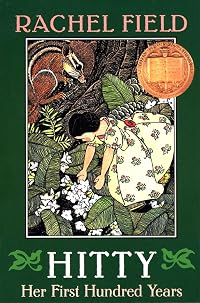
Hitty, Her First Hundred Years
by Rachel Field
On This Page
Description
Step into a timeless adventure with Hitty Her First Hundred Years, Rachel Fields Newbery Medal-winning tale of a dolls incredible journey through a century of history, people, and places. This enchanting audiobook is a heartwarming classic for listeners of all ages. Hitty, a small wooden doll carved in the early 19th century, recounts her life story, filled with extraordinary adventures and unforgettable characters. From a quiet life in a Maine farmhouse to thrilling sea voyages, bustling show more cities, and exotic lands, Hitty becomes a treasured companion to generations of owners. Her tale captures the essence of changing times and cultures while reflecting on themes of love, loss, and resilience. Rachel Fields beautifully crafted narrative brings Hittys world to life, filled with rich historical details and tender moments. The expert narration enhances every twist and turn, making the story captivating for both children and adults. Perfect for family listening, long car rides, or quiet evenings, Hitty Her First Hundred Years is a charming journey through time that celebrates the bonds of friendship and the enduring power of storytelling. Start listening to Hitty Her First Hundred Years today and let this beloved dolls adventures sweep you away!. show lessTags
Recommendations
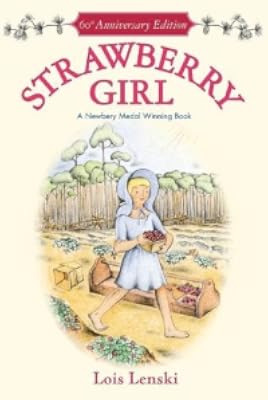
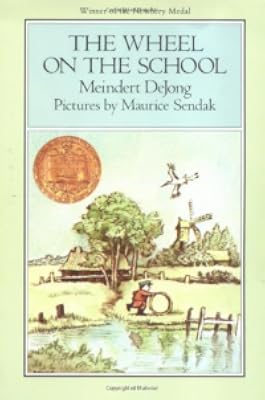
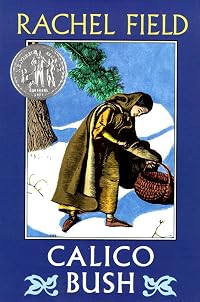

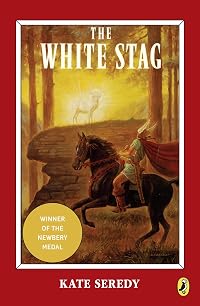
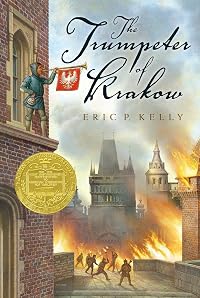
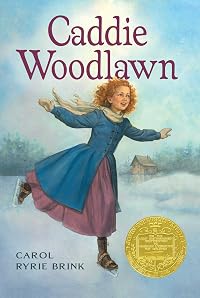
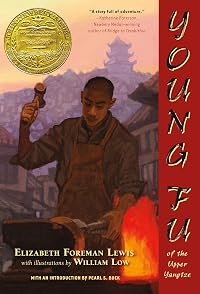
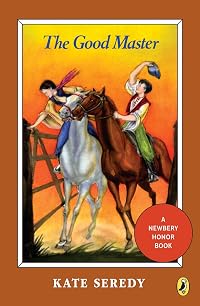
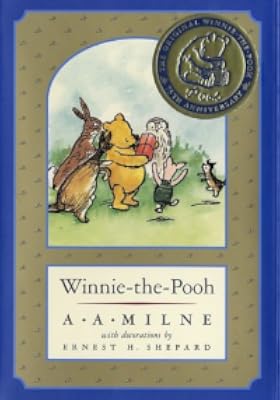
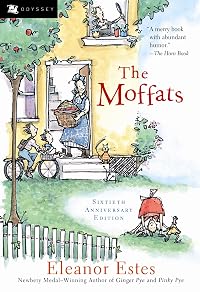
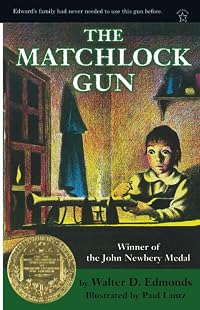
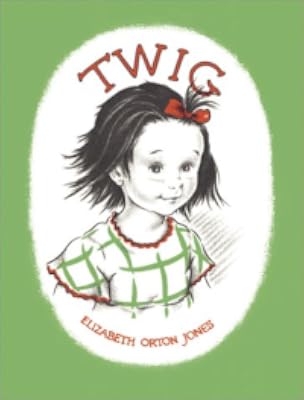



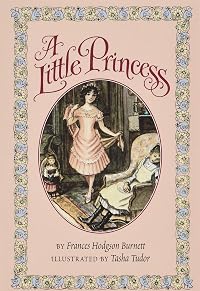
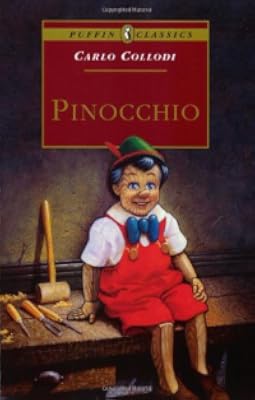


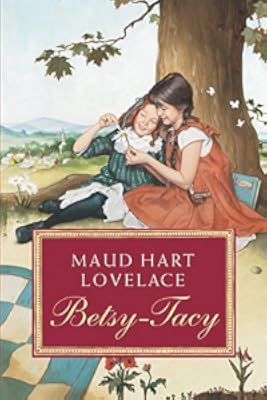
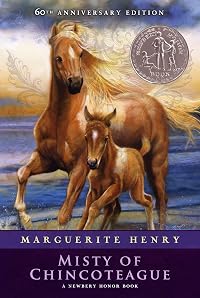


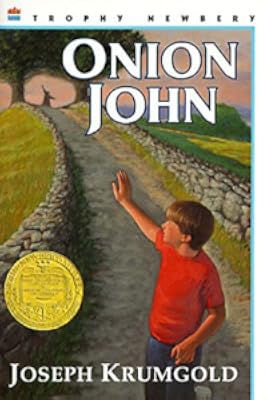
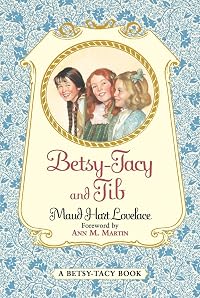
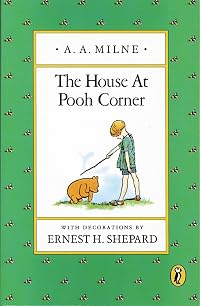
Member Recommendations

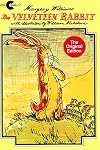
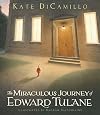
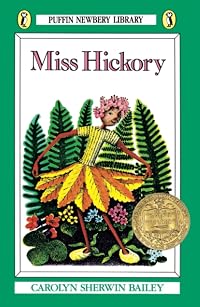
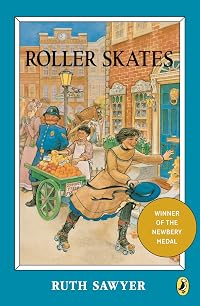
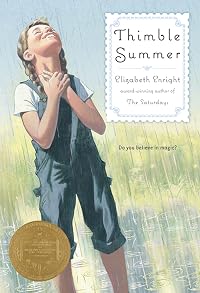
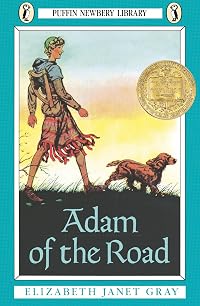
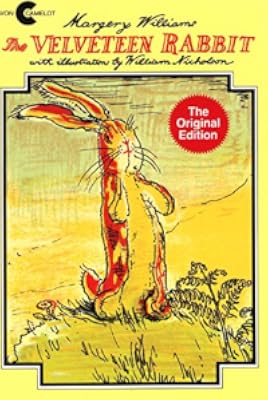
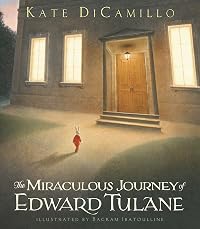
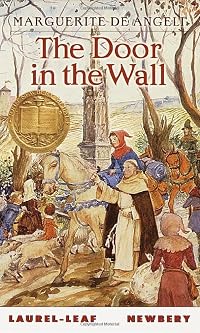
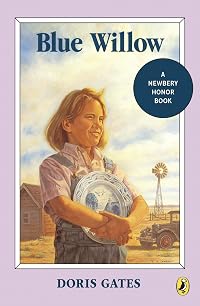
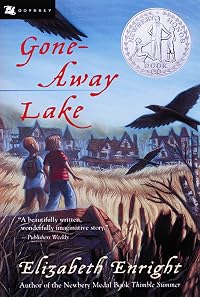
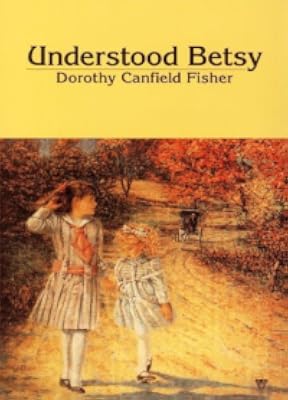
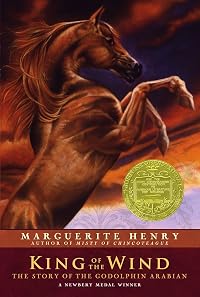
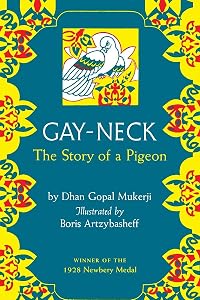
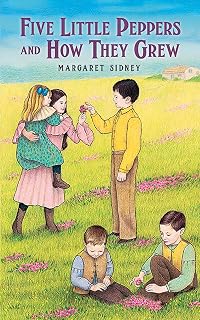
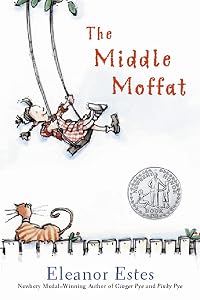
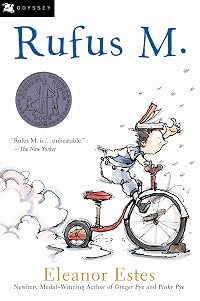
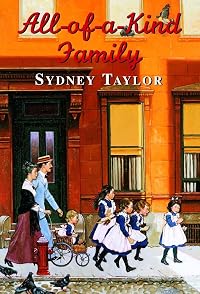
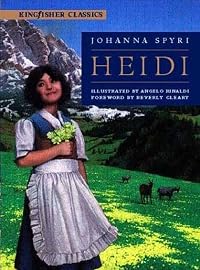
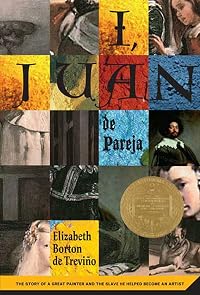
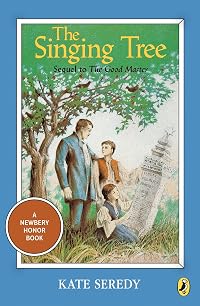
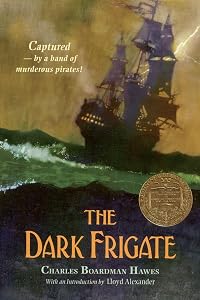
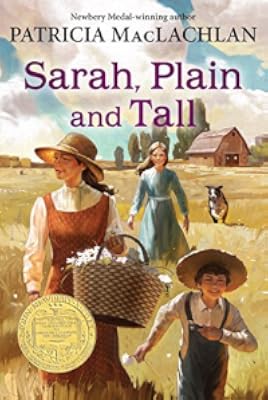
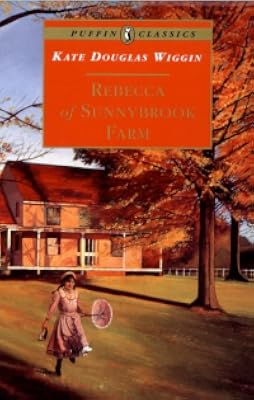
Heather39 A beloved toy (a wooden doll, a china rabbit) is lost and has a series of adventures of their own.
Member Reviews
For 6.25" of mountain ash, the fictional doll Hitty, does get around a lot. Between her Maine island origin in the early 19th century to her achievement of a place in a New York antique store window, she goes on a whaling expedition, spends time with a cobra in India, returns to Philadelphia and visits much of the Midwest and south before being returned to her original home though not her original owner. Written by the woman who purchased the eponymous doll from the New York store, this imaginative set of tales is quite the lesson in how the attitude with which we accept our circumstances determines their meaning. And Hitty's attitude is quite charming in its mix of acceptance and judgement.
Originally published in 1929, and chosen as the Newbery Medal Winner in 1930, Rachel Field's Hitty, Her First Hundred Years is the charming autobiography of an American doll, and her many adventures, over the course of a century. Created from mountain-ash - a wood said to bring good luck, and ward off evil - by a wandering peddler, and given to young Phoebe Preble, Hitty's life began in the state of Maine (although her wood came, like her peddler creator, from Ireland), but soon took her to all parts of the globe. Sailing out of Boston with the Prebles, on a whaling voyage, going overboard in a shipwreck, washing up on a South Seas island where she was worshiped as an idol, becoming lost in India, being found by missionaries, being show more stolen from a Cotton Exhibition in New Orleans, and finally, being auctioned as an antique, Hitty's first hundred years was full indeed, of colorful incidents, and multiple owners. What was constant throughout, was her keen interest in, and observation of, the world around her, and her philosophical approach to the ups and downs of a doll's life.
Well-written and immensely engaging, this is a book I would like to be able to recommend wholeheartedly. There is much of value here: the many period details, which Field always seems to get just right; the snap-shot view of American history, as seen from a unique perspective; and an utterly enchanting heroine, who manages to be believable, both as doll and as narrator. Unfortunately, there are also some dated elements, particularly in the depiction of non-European peoples: the "frightening" Indians of Maine, the "heathen" South Sea Islanders, the "dirty" Indian snake-charmer, the "happy" African-American plantation workers. What's interesting, in all of this - something raised in The Newbery Book-Club to which I belong, is the fact that Hitty herself often takes a more liberal, tolerant view of these different human groups, as compared to her various European or Euro-American owners.
I think there's definitely something to this idea (hence the fact that this got knocked down from four to three stars, rather than from four to two), but even Hitty's perspective sometimes still felt a little condescending to me. Still, given the unique quality of the narrative, I can certainly understand why long-time fans of the book were outraged at the recent Rosemary Wells rewrite. I think that, in the end, the good qualities of this title are sufficient to retain it as a reading selection for young people, with the caveat that responsible adults should be sure to engage them in a discussion of some of the socially anachronistic content. show less
Well-written and immensely engaging, this is a book I would like to be able to recommend wholeheartedly. There is much of value here: the many period details, which Field always seems to get just right; the snap-shot view of American history, as seen from a unique perspective; and an utterly enchanting heroine, who manages to be believable, both as doll and as narrator. Unfortunately, there are also some dated elements, particularly in the depiction of non-European peoples: the "frightening" Indians of Maine, the "heathen" South Sea Islanders, the "dirty" Indian snake-charmer, the "happy" African-American plantation workers. What's interesting, in all of this - something raised in The Newbery Book-Club to which I belong, is the fact that Hitty herself often takes a more liberal, tolerant view of these different human groups, as compared to her various European or Euro-American owners.
I think there's definitely something to this idea (hence the fact that this got knocked down from four to three stars, rather than from four to two), but even Hitty's perspective sometimes still felt a little condescending to me. Still, given the unique quality of the narrative, I can certainly understand why long-time fans of the book were outraged at the recent Rosemary Wells rewrite. I think that, in the end, the good qualities of this title are sufficient to retain it as a reading selection for young people, with the caveat that responsible adults should be sure to engage them in a discussion of some of the socially anachronistic content. show less
Cute! 1929 and it shows its age - Hitty has a firm sense of modesty, and of her appearance, and Opinions on people and especially their clothes. Still, it's enjoyable, if highly unlikely - I don't know how lucky she was for the people she was with, but she certainly had an unreasonable lot of luck in being found and returned to her people several times, or moving on to new homes. Much better than Miss Hickory, with a similar flavor. Glad I read it, though I doubt I'll bother to re-read.
In the early 1800's, a peddler carves a doll for a little girl of his acquaintance out of a sturdy piece of mountain ash wood. The doll is painted and dressed and given the name Mehitabel -- Hitty, for short. Over the course of her life, Hitty travels around the world by boat, by train, and eventually by automobile in the hands of various little girls (and sometimes, briefly, boys, men, and women). A hundred years later, she ends up in an antique shop, from whence she tells her story -- but are her adventures through? Hitty doesn't think so!
I was surprised at how readable I found this book. Though Hitty's adventures are episodic, I found that the plot carried me right along, always wondering where Hitty would end up next and how she show more would get out of whatever scrape she found herself in. I think that, if I had read this as a child, I would have enjoyed it immensely. After all, who doesn't imagine that their toys and dolls secretly come to life when nobody is watching? However, due to several problematic depictions in the book ("red injuns," "heathen savages," and African-American families speaking in an unflattering dialect, among other things), I probably wouldn't recommend this to children today, at least, not unless they were reading it with a good deal of adult guidance. show less
I was surprised at how readable I found this book. Though Hitty's adventures are episodic, I found that the plot carried me right along, always wondering where Hitty would end up next and how she show more would get out of whatever scrape she found herself in. I think that, if I had read this as a child, I would have enjoyed it immensely. After all, who doesn't imagine that their toys and dolls secretly come to life when nobody is watching? However, due to several problematic depictions in the book ("red injuns," "heathen savages," and African-American families speaking in an unflattering dialect, among other things), I probably wouldn't recommend this to children today, at least, not unless they were reading it with a good deal of adult guidance. show less
4.5 stars. Long time ago, back in 4th grade, a librarian recommended this book to me; I read it, and liked it, but didn't feel it had made a huge impression. Yet it kept coming back to me over the years, so I decided to give it a re-read.
Hitty the doll was about a hundred years old; this story, published in 1929, is getting close. Some things have held up fairly well; the story of a small, hand-carved doll, going from beloved companion to heathen idol to fashion model and more, is fascinating, and the device - told in first person from the POV of the doll - is probably one of the most unique literary devices ever. The illustrations, too, are charming, and help reinforce the idea that while the doll belongs to various owners, generally show more children, she herself is an adult, with a deliberately pleasant expression.
Other details, like Hitty's ash-wood complexion, became a little rougher with the passing of time. The author did not know about political correctness in 1929; some of the stories, like that of being carried on a whaling vessel, are fascinating, yet at the same time horrifying to those of us who understand whales to be sentient beings. The depiction of people of color - in India, and America isn't - QUITE - racist, but borders on it; the depiction of "heathens" as bowing down and worshiping the doll because she had jointed limbs is ridiculous.
I wouldn't hand this book to a child today without reading it along with her/him and explaining some of these issues. But there is a tremendous amount of entertainment here; it certainly stokes the imagination, wondering where the doll will wind up next. The revelations about human nature - some of the doll's owners prized her, for various reasons, otherwise were more lackadaisical, even abusive, are still applicable today. The descriptions of Maine and its foliage are also beautiful. And the doll's voice - a somewhat prim, stiff (well, she IS wooden) older lady - is wonderful. show less
Hitty the doll was about a hundred years old; this story, published in 1929, is getting close. Some things have held up fairly well; the story of a small, hand-carved doll, going from beloved companion to heathen idol to fashion model and more, is fascinating, and the device - told in first person from the POV of the doll - is probably one of the most unique literary devices ever. The illustrations, too, are charming, and help reinforce the idea that while the doll belongs to various owners, generally show more children, she herself is an adult, with a deliberately pleasant expression.
Other details, like Hitty's ash-wood complexion, became a little rougher with the passing of time. The author did not know about political correctness in 1929; some of the stories, like that of being carried on a whaling vessel, are fascinating, yet at the same time horrifying to those of us who understand whales to be sentient beings. The depiction of people of color - in India, and America isn't - QUITE - racist, but borders on it; the depiction of "heathens" as bowing down and worshiping the doll because she had jointed limbs is ridiculous.
I wouldn't hand this book to a child today without reading it along with her/him and explaining some of these issues. But there is a tremendous amount of entertainment here; it certainly stokes the imagination, wondering where the doll will wind up next. The revelations about human nature - some of the doll's owners prized her, for various reasons, otherwise were more lackadaisical, even abusive, are still applicable today. The descriptions of Maine and its foliage are also beautiful. And the doll's voice - a somewhat prim, stiff (well, she IS wooden) older lady - is wonderful. show less
Hitty: Her First Hundred Years. Rachel Field. 1930. I remember a librarian giving me this book when I was in the first or second grade and asked for a book about dolls. I tried to read it, but just couldn’t get into it and avoided it in my Kitty Lit class. However, it caught my attention at the Catholic Social Services Thrift store, and I finally read it; and I enjoyed it! What a difference 60 plus years can make!! Hitty is a wooden doll carved for a little girl in Maine in the 1800s who tells us the story of her doll’s life. And what an adventurous life it was! She is lost in the woods, captured by cannibals when the whaler’s ship capsizes, spends quite some time in Indian, and eventually ends up back in the United States where show more she has even more adventures and finally ends up in an antique shop. I am amazed at the detail in a book written for children, but this was when it was fashionable to
read! The book is a product of its time and would shock a lot of people since it is very politically incorrect at times. show less
read! The book is a product of its time and would shock a lot of people since it is very politically incorrect at times. show less
What an odd book. These are the memoirs of a doll. Literally.
And apart from a couple of major caveats, it's not bad. But the book was written in 1929. Sensibilities and what was considered acceptable were much different then. The modern reader will likely find it somewhat offensive that South Seas island natives are referred to as savages and heathens, and will find it highly offensive, as I did, on the mercifully few pages where Southern black characters speak in dialect. Extreme dialect. Anyone who wasn't white and Christian was viewed as inherently inferior. (Though interestingly, Hitty herself seem to take a slightly more liberal view than the humans of her era do.) These were things that few if any readers in 1929 would have been show more bothered by, but any modern reader will.
That said... The doll is hand crafted sometime in the chronological vicinity of 1825. The story begins in present day (that being 1929) and the doll is on the shelves of an antique dealer. She decides to pick up a quill and write her memoirs. Fortunately for us, she has quite a remarkable memory. We are regaled with her highly adventurous life story, through a number of owners, both children and adults. The writing style is reminiscent of Daniel Defoe's in Robinson Crusoe. It was sort of a "Red Violin" type story. show less
And apart from a couple of major caveats, it's not bad. But the book was written in 1929. Sensibilities and what was considered acceptable were much different then. The modern reader will likely find it somewhat offensive that South Seas island natives are referred to as savages and heathens, and will find it highly offensive, as I did, on the mercifully few pages where Southern black characters speak in dialect. Extreme dialect. Anyone who wasn't white and Christian was viewed as inherently inferior. (Though interestingly, Hitty herself seem to take a slightly more liberal view than the humans of her era do.) These were things that few if any readers in 1929 would have been show more bothered by, but any modern reader will.
That said... The doll is hand crafted sometime in the chronological vicinity of 1825. The story begins in present day (that being 1929) and the doll is on the shelves of an antique dealer. She decides to pick up a quill and write her memoirs. Fortunately for us, she has quite a remarkable memory. We are regaled with her highly adventurous life story, through a number of owners, both children and adults. The writing style is reminiscent of Daniel Defoe's in Robinson Crusoe. It was sort of a "Red Violin" type story. show less
Members
- Recently Added By
Lists

Favorite Childhood Books
1,651 works; 519 members

Best Newbery Medal Winners
97 works; 54 members

Best Newbery Honor Books
257 works; 32 members

Elevenses
316 works; 88 members

Five in a Row
144 works; 8 members

Must-Read Maine
146 works; 91 members

Childhood Favorites
427 works; 24 members
Honey For a Child's Heart
1,152 works; 25 members
Ambleside Books
459 works; 18 members

Newbery Medal Winners - By Year
105 works; 7 members

Toy Stories: Living Dolls, Bears and Other Toys
129 works; 7 members

Satori Smiles Children's Book List
262 works; 7 members

Romalda Spalding's Writing Road To Reading
213 works; 3 members

50+ Books for a 6th Grader Who Loves to Read
53 works; 4 members

Best Books of 1926-1935
403 works; 10 members
Before Austen Comes Aesop
318 works; 9 members
Children's Literature 1900 - 1950 in order
413 works; 8 members

Books Read in 2023
5,638 works; 147 members

Five in a Row
174 works; 2 members

Recommended Reading List
219 works; 1 member

The Playful Pioneers
166 works; 1 member
Author Information

61+ Works 6,178 Members
Some Editions
Awards and Honors
Awards
Distinctions
Series
Belongs to Publisher Series
Common Knowledge
- Canonical title
- Hitty, Her First Hundred Years
- Original publication date
- 1929
- People/Characters
- Mehitable "Hitty"; Phoebe Preble; Captain Preble; Mrs. Preble; Little Thankful; Clarissa Pryce (show all 11); Isabella Van Rensselaer; Katie; Miss Hortense; Miss Annette; Sally Loomis
- Important places
- Maine, USA
- Important events
- American Civil War
- Dedication
- This book is dedicated to the state of Maine and Abbie Evans
- First words
- The antique shop is very still now.
- Last words
- (Click to show. Warning: May contain spoilers.)After all, what is a mere hundred years to well-seasoned mountain-ash wood?
- Original language
- English
Classifications
- Genres
- Children's Books, Fiction and Literature, Kids
- DDC/MDS
- 813.52 — Literature & rhetoric American literature in English American fiction in English 1900-1999 1900-1945
- LCC
- PZ8.9 .F442 .H — Language and Literature Fiction and juvenile belles lettres Fiction and juvenile belles lettres Juvenile belles lettres
- BISAC
Statistics
- Members
- 2,095
- Popularity
- 9,893
- Reviews
- 43
- Rating
- (3.84)
- Languages
- Chinese, English, French, Japanese
- Media
- Paper, Audiobook, Ebook
- ISBNs
- 20
- ASINs
- 39