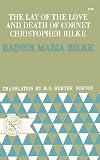
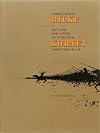
The Lay of the Love and Death of Cornet Christopher Rilke
by Rainer Maria Rilke
On This Page
Description
Die Weise von Liebe und Tod des Cornets Christoph Rilke or The Love and Death of Cornet Christopher Rilke is a prose poem written by Rainer Maria Rilke. The poem recounts the adventures of Christopher Rilke, who travels with a company of soldiers and then, after a night in a castle with a lover, fights and dies in a war in Turkey.Tags
Recommendations





















Member Recommendations
by Hibou8
Member Reviews
Ever since I read Stephen Mitchell’s translation of the Tao Te Ching at just the right time in a critical juncture of my life, I’ve eagerly sought out anything else he’s done. That made finding a copy of the Arion Press edition of The Lay of the Love and Death of Cornet Christoph Rilke that much more joyful for me. Rilke, Stephen Mitchell, and the fine press treatment: What could be better? Including the Tao mentioned above, I have six trade editions of Mitchell’s and I would buy any one of them again if a private press decided to put out a fine edition. His new translation of the Iliad? Yes, please. His version of Whitman’s Song of Myself? Pretty Please! More of his Rilke? Anytime. The Gospel According to Jesus? Bring it! In show more fact, I think his Iliad would fit in nicely with the wonderful Arion Press Don Quixote translated by Edith Grossman. I’m not knocking the old, classic translations of essential world literature, and I get the whole public domain copyright issue, but it is nice to see a new translation make it through a private press once in a while.
So I love the translator, obviously, but what about Rilke himself? I’ve had a big hole in my reading life for a long time with regards to him. I’m not sure that I’ve really read more than the odd poem or two of his poetry. His Letters to a Young Poet, translated by Stephen Mitchell of course, is sitting on my shelf waiting in to-be-read list limbo. The Lay of the Love and Death of Cornet Christoph Rilke is a wonderful and poignant book about the transition into manhood. In this case, a very short manhood, as can often be the case where aspect of that transition comes in the army in a time of war. The story ends with an old woman crying, mourning her son.
The other aspect of the transition is from maternal love to romantic love. As he rides towards the war and his fate, he reminisces with his comrades about their mothers (“As if there were only one mother…”) and their real or just wished-for sweethearts back home. When he parts from his comrade of the road, our protagonist is given a petal from a rose given to his comrade by his sweetheart. Filled with melancholy, we read
“Then he slips the foreign petal under his tunic. And it drifts up and down on the waves of his heart. Buglecall. He rides to the army, von Langenau. He smiles sadly: he is being protected by a foreign woman.”
This beautiful and expressive writing continues when our hero bivouacs at a Hungarian castle. Here they have food, rest, real beds,...and ladies. I especially loved these two passages:
“You feel the wavebeats pounding through the room, you touch somebody, breathe-in her perfume, you part from her and find her once again, and then, through all the light-filled melodies, dazzled, you sway upon the summer breeze which fills the dresses that warm women wear.”
And
“They have come together so that they can be for each other a new generation.
They will give each other a hundred new names and will take them all off again, gently, as you would take off an earring.”
So he is initiated into the romantic love of women and now he is ready to die a hero’s death.
In the Translator’s Note, Mitchell says that Rilke found some papers pertaining to his kinsman Christoph, who had been killed 250 years earlier in his first campaign. The book came in a rush. Mitchell notes a letter by the poet describes the stampede of words:
‘Riding, riding, riding…’ I found myself whispering them almost unconsciously. And then I began to write, as in a dream. I wrote all through the night. By dawn the Cornet was finished.
The book was a huge success for Rilke, so much so that Mitchell notes that
“And Rilke, perhaps the greatest poet of this century, the poet who in 1922 wsa granted the supreme achievements of the Duino Elegies and The Sonnets to Orpheus, found himself primarily know and loved for a minor work of his youth.”
He closes the Translator’s note with the opinion that any romance that war might have once held has been erased by the world wars and weapons of mass destruction:
After World War II, the romantic experience of war has not been available to us with quite the same deadly innocence. And given the generous, all-embracing nature of the nuclear bomb, it would be more difficult now (at least in Europe and America) for males to have this particular way of acting out their longing for the Eternal Now. What was once only too real is now, we may hope, just an imaginative possibility. We can accept it for what it is, enjoy it, include it within the realm of our sympathies, then let it go serenely, without judgment.
The Arion Press edition was published in 1983 and is a great example of early output from the press. This is a very handsome edition. The Wilhelm Klingspor Schrift and Zierschrift type for the German text on the verso pages seems perfect for the masculinity of the German language and the subject matter. The English on the recto pages is in Trajanus Antiqua and sits well next to the heavier type used for the German. The use of red ink for the initial capitals is a nice touch that I always appreciate in book design. The smell of the T. H. Saunders mouldmade paper is still there 30 years after publishing. Does that wonderful smell ever go away? I hope not.
Interestingly, Warren Chappell not only did the illustrations for this edition but also had a hand in the design of the Trajanus typeface. He travelled to Germany before World War II to work at the Stempel Type Foundry but had to return when the war broke out. His illustration style works really well with this edition of The Lay of the Love and Death of Cornet Christoph Rilke. I say “style” only because I have one other book illustrated by him, a poetry anthology that has similar but equally fitting illustrations. The illustrations here were done in brown and black, adding a third color to the red of the initials. The colors create a nice balance on the page with the brown of the illustrations tying in nicely to the brown cloth used on the cover.
The Lay of the Love and Death of Cornet Christoph Rilke is the earliest Arion Press book in my library, or that I have reviewed for The Whole Book Experience. It was the 12th book from the Press and is certainly a gem in their early output.
AVAILABILITY: Published in an edition of 300 in 1983, it is long out of print. Copies occasionally come up on the 2nd-hand market, where I obtained mine in fine condition at a reasonable uplift over the original $160 price.
For more book reviews, including the physical book and overall reading experience, visit my blog The Whole Book Experience at http://www.thewholebookexperience.com/ show less
So I love the translator, obviously, but what about Rilke himself? I’ve had a big hole in my reading life for a long time with regards to him. I’m not sure that I’ve really read more than the odd poem or two of his poetry. His Letters to a Young Poet, translated by Stephen Mitchell of course, is sitting on my shelf waiting in to-be-read list limbo. The Lay of the Love and Death of Cornet Christoph Rilke is a wonderful and poignant book about the transition into manhood. In this case, a very short manhood, as can often be the case where aspect of that transition comes in the army in a time of war. The story ends with an old woman crying, mourning her son.
The other aspect of the transition is from maternal love to romantic love. As he rides towards the war and his fate, he reminisces with his comrades about their mothers (“As if there were only one mother…”) and their real or just wished-for sweethearts back home. When he parts from his comrade of the road, our protagonist is given a petal from a rose given to his comrade by his sweetheart. Filled with melancholy, we read
“Then he slips the foreign petal under his tunic. And it drifts up and down on the waves of his heart. Buglecall. He rides to the army, von Langenau. He smiles sadly: he is being protected by a foreign woman.”
This beautiful and expressive writing continues when our hero bivouacs at a Hungarian castle. Here they have food, rest, real beds,...and ladies. I especially loved these two passages:
“You feel the wavebeats pounding through the room, you touch somebody, breathe-in her perfume, you part from her and find her once again, and then, through all the light-filled melodies, dazzled, you sway upon the summer breeze which fills the dresses that warm women wear.”
And
“They have come together so that they can be for each other a new generation.
They will give each other a hundred new names and will take them all off again, gently, as you would take off an earring.”
So he is initiated into the romantic love of women and now he is ready to die a hero’s death.
In the Translator’s Note, Mitchell says that Rilke found some papers pertaining to his kinsman Christoph, who had been killed 250 years earlier in his first campaign. The book came in a rush. Mitchell notes a letter by the poet describes the stampede of words:
‘Riding, riding, riding…’ I found myself whispering them almost unconsciously. And then I began to write, as in a dream. I wrote all through the night. By dawn the Cornet was finished.
The book was a huge success for Rilke, so much so that Mitchell notes that
“And Rilke, perhaps the greatest poet of this century, the poet who in 1922 wsa granted the supreme achievements of the Duino Elegies and The Sonnets to Orpheus, found himself primarily know and loved for a minor work of his youth.”
He closes the Translator’s note with the opinion that any romance that war might have once held has been erased by the world wars and weapons of mass destruction:
After World War II, the romantic experience of war has not been available to us with quite the same deadly innocence. And given the generous, all-embracing nature of the nuclear bomb, it would be more difficult now (at least in Europe and America) for males to have this particular way of acting out their longing for the Eternal Now. What was once only too real is now, we may hope, just an imaginative possibility. We can accept it for what it is, enjoy it, include it within the realm of our sympathies, then let it go serenely, without judgment.
The Arion Press edition was published in 1983 and is a great example of early output from the press. This is a very handsome edition. The Wilhelm Klingspor Schrift and Zierschrift type for the German text on the verso pages seems perfect for the masculinity of the German language and the subject matter. The English on the recto pages is in Trajanus Antiqua and sits well next to the heavier type used for the German. The use of red ink for the initial capitals is a nice touch that I always appreciate in book design. The smell of the T. H. Saunders mouldmade paper is still there 30 years after publishing. Does that wonderful smell ever go away? I hope not.
Interestingly, Warren Chappell not only did the illustrations for this edition but also had a hand in the design of the Trajanus typeface. He travelled to Germany before World War II to work at the Stempel Type Foundry but had to return when the war broke out. His illustration style works really well with this edition of The Lay of the Love and Death of Cornet Christoph Rilke. I say “style” only because I have one other book illustrated by him, a poetry anthology that has similar but equally fitting illustrations. The illustrations here were done in brown and black, adding a third color to the red of the initials. The colors create a nice balance on the page with the brown of the illustrations tying in nicely to the brown cloth used on the cover.
The Lay of the Love and Death of Cornet Christoph Rilke is the earliest Arion Press book in my library, or that I have reviewed for The Whole Book Experience. It was the 12th book from the Press and is certainly a gem in their early output.
AVAILABILITY: Published in an edition of 300 in 1983, it is long out of print. Copies occasionally come up on the 2nd-hand market, where I obtained mine in fine condition at a reasonable uplift over the original $160 price.
For more book reviews, including the physical book and overall reading experience, visit my blog The Whole Book Experience at http://www.thewholebookexperience.com/ show less
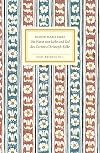
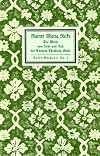
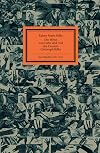
I like the pocket size Insel Bucherei series and their distinctive covers. This is a 73-88th thousand printing of the first book in the series, it is made more attractive by the Fraktur printing which, although difficult to decipher, is perfectly clear as a type.
Rilke wird überschätzt
just beautiful, tender, powerful, beautiful
Translation of "Die Weise von Liebe und Tod des Cornets Christoph Rilke", both originaltch translation German version and Dutch translation. Excellent translation of a real masterpiece of German literature
Een van de vroegste werken van Rilke, waar generaties mee dweepten, is nu bijna in vergetelheid geraakt: 'Die Weise von Liebe und Tod des Cornets Christoph Rilke' (eerste boekuitgave in 1908). Generaties soldaten zijn naar het front getrokken met in hun ransel dit romantische verhaal over een onderofficier en vaandrager die in eenzelfde etmaal de liefde leert kennen en de dood vindt. Het diende in twee wereldoorlogen als glijmiddel voor een heldhaftig sneuvelen. Rilke, die geen militaristische bedoelingen had, was later geschrokken over het gebruik dat van zijn jeugdwerk werd gemaakt. Toen hij het naar eigen zeggen in één ruk op een winderige herfstnacht had geschreven, wilde hij zich een aristocratische stamboom verschaffen. Daartoe show more zette hij een oude oorkonde over een 17e-eeuwse Christoph Rülcke, die sneuvelde in een slag tegen de Turken, naar zijn hand. Het werk is cyclisch gebouwd en bestaat uit 27 korte kapittels die weifelen tussen proza en poëzie. Vanuit wisselend perspectief worden de belevenissen en ervaringen van de kornet beschreven: de lange tocht voor de troepenverzameling, gesprekken in het leger, de roes van een feest op een kasteel, een liefdesnacht met de gravin, de vijand die brand sticht in het kasteel, de kornet die het vaandel redt en omkomt door de sabels van de ‘heidense honden’.
Dat dit bedenkelijke, af en toe drakerige verhaal toch nog indruk maakt, berust op verscheidene factoren. Rilke vertelt het in een meesterlijke lyrische stijl, die hij steeds meer heeft geciseleerd. Het prozagedicht zit vol staf- en binnenrijmen, herhalingen, ritmische versnellingen, vertragingen en pauzes. Het krijgt daardoor iets meeslepends, verleidelijks zelfs – een fascinatie waaraan je je net zo min kan onttrekken als aan de ideologisch nog verwerpelijker films van Leni Riefenstahl. De precieuze impressies die de sfeer van het fin de siècle ademen (“wat voor handen ze hebben, hoe hun lach gaat zingen als blonde edelknapen de sierlijke schalen brengen, van sappige vruchten zwaar”) worden af en toe gecounterd door scherpere en hardere beelden, die vooruitwijzen naar het modernisme van Rilkes Malte: “Ze rijden over een doodgeslagen boer. Zijn ogen staan wijd open en iets spiegelt zich erin; geen hemel”. Wanneer je deze vertaling naast die van een verdienstelijke voorganger legt (Herwig Hensen, 1989), merk je dat Paul Claes zowel nuchterder, minder ‘literair’ als gedurfd poëtischer heeft vertaald. De tekst begint te zingen, zonder dat het ooit vals klinkt. De beschrijving van de roes tijdens het feest op het kasteel klinkt als pure Gorter: ”Het werd een golfslag in de zalen, een elkaar ontmoeten en elkaar verkiezen, een elkaar verliezen en hervinden, een glansgenieten en een lichtverblinden en een wiegen in de zomerwinden die in de jurken van warme vrouwen zijn te vinden”. Een vertaalprestatie van de hoogste rang. Het vormgeversduo Dooreman & Houbrechts heeft gespeeld met decadent goud, rood en zwart; de Duitse en de Nederlandse tekst staan tegenover elkaar. Het instructieve nawoord belicht terecht de eigenaardige mengeling van het mannelijke en vrouwelijke in dit ‘soldateske’ verhaal en wijst op een aantal freudiaans geduide motieven. Wellicht is Rilkes Kornet vooral een ultieme liefdesbrief van een zoon aan zijn moeder. show less
Dat dit bedenkelijke, af en toe drakerige verhaal toch nog indruk maakt, berust op verscheidene factoren. Rilke vertelt het in een meesterlijke lyrische stijl, die hij steeds meer heeft geciseleerd. Het prozagedicht zit vol staf- en binnenrijmen, herhalingen, ritmische versnellingen, vertragingen en pauzes. Het krijgt daardoor iets meeslepends, verleidelijks zelfs – een fascinatie waaraan je je net zo min kan onttrekken als aan de ideologisch nog verwerpelijker films van Leni Riefenstahl. De precieuze impressies die de sfeer van het fin de siècle ademen (“wat voor handen ze hebben, hoe hun lach gaat zingen als blonde edelknapen de sierlijke schalen brengen, van sappige vruchten zwaar”) worden af en toe gecounterd door scherpere en hardere beelden, die vooruitwijzen naar het modernisme van Rilkes Malte: “Ze rijden over een doodgeslagen boer. Zijn ogen staan wijd open en iets spiegelt zich erin; geen hemel”. Wanneer je deze vertaling naast die van een verdienstelijke voorganger legt (Herwig Hensen, 1989), merk je dat Paul Claes zowel nuchterder, minder ‘literair’ als gedurfd poëtischer heeft vertaald. De tekst begint te zingen, zonder dat het ooit vals klinkt. De beschrijving van de roes tijdens het feest op het kasteel klinkt als pure Gorter: ”Het werd een golfslag in de zalen, een elkaar ontmoeten en elkaar verkiezen, een elkaar verliezen en hervinden, een glansgenieten en een lichtverblinden en een wiegen in de zomerwinden die in de jurken van warme vrouwen zijn te vinden”. Een vertaalprestatie van de hoogste rang. Het vormgeversduo Dooreman & Houbrechts heeft gespeeld met decadent goud, rood en zwart; de Duitse en de Nederlandse tekst staan tegenover elkaar. Het instructieve nawoord belicht terecht de eigenaardige mengeling van het mannelijke en vrouwelijke in dit ‘soldateske’ verhaal en wijst op een aantal freudiaans geduide motieven. Wellicht is Rilkes Kornet vooral een ultieme liefdesbrief van een zoon aan zijn moeder. show less
Aug 23, 2007Dutch
LB-5
Nov 18, 2020Catalan
Members
- Recently Added By
Lists

German Literature
518 works; 55 members

Authors mentioned in The World of Yesterday
68 works; 1 member
Author Information

More than any other modern German writer, Rainer Maria Rilke seems to match our romantic idea of what a poet should be, though, as with many writers, separating artistry from affectation is often difficult. Restless, sensitive, reverent, yet egotistical, Rilke often seems to hover in his poems like a sort of ethereal being. He was born in 1875 to show more a wealthy family in Prague. After a few years devoted to the study of art and literature, he spent most of his adult life wandering among the European capitals and devoting himself single-mindedly to poetry. His early poems reflect his interest in the visual and plastic arts, as he tries to lose himself in contemplation of objects such as an antique torso of Apollo.His later books of poetry, such as Duino Elegies (1923) and Sonnets to Orpheus (1923), on the contrary, focus intently on internal realms. The poetry of Rilke is noted, above all, for metaphysical and psychological nuances. (Bowker Author Biography) show less
Some Editions
Awards and Honors
Notable Lists
Series
Belongs to Publisher Series
Work Relationships
Is contained in
Has as a student's study guide
Common Knowledge
- Canonical title
- The Lay of the Love and Death of Cornet Christopher Rilke
- Original title
- Die Weise von Liebe und Tod des Cornets Christoph Rilke
- Original publication date
- 1906
- People/Characters
- Cornet Christoph Rilke
- Original language*
- Duits
*Some information comes from Common Knowledge in other languages. Click "Edit" for more information.
Classifications
Statistics
- Members
- 419
- Popularity
- 73,725
- Reviews
- 7
- Rating
- (4.00)
- Languages
- 10 — Catalan, Czech, Dutch, English, Esperanto, French, German, Italian, Multiple languages, Spanish
- Media
- Paper, Audiobook, Ebook
- ISBNs
- 47
- UPCs
- 1
- ASINs
- 32