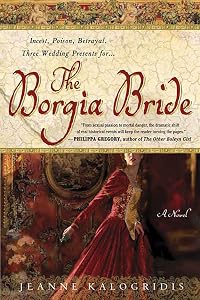
The Borgia Bride: A Novel
by Jeanne Kalogridis
On This Page
Description
Coming to Rome to marry the heir to the Borgia dynasty, Sancha of Aragon soon finds herself caught up in the complex conspiracies, intrigues, and cruelty of the Italian Renaissance as she she enters into a cautious friendship with her sensual and infamous sister-in-law, Lucrezia, and falls victim to the ruthless seductions of Cesare. Reader's Guide available.Tags
Recommendations


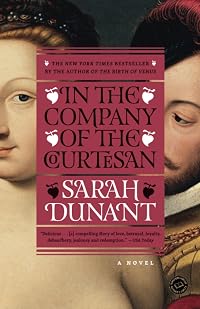
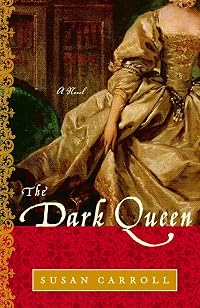
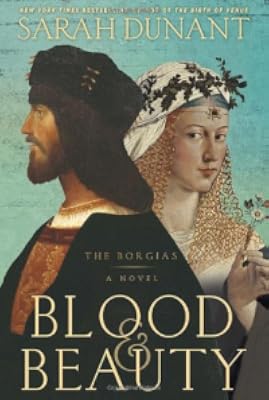
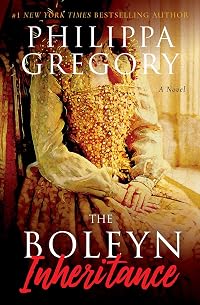
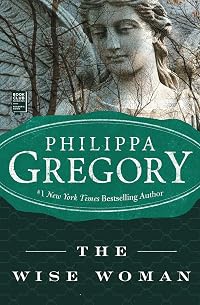
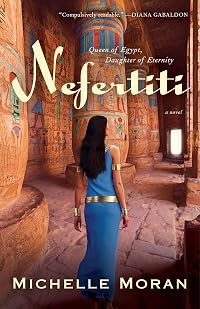
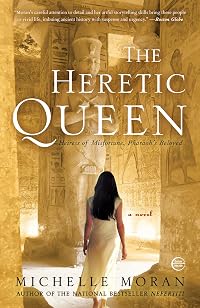
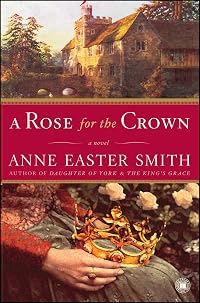
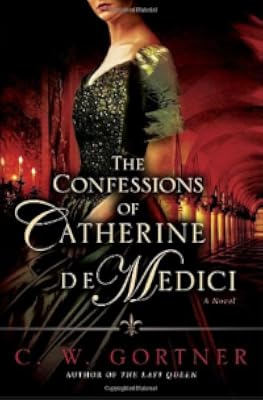
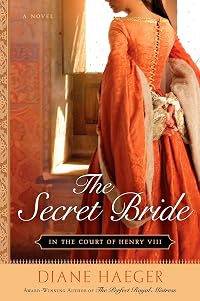
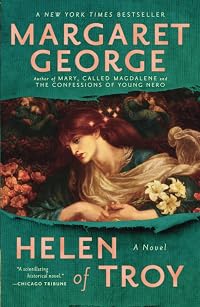
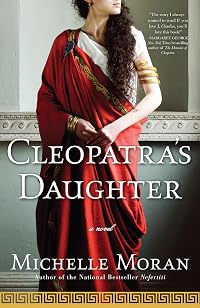
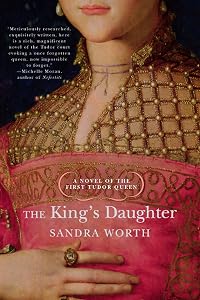
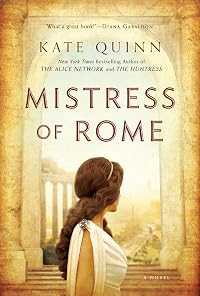
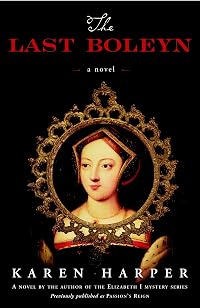
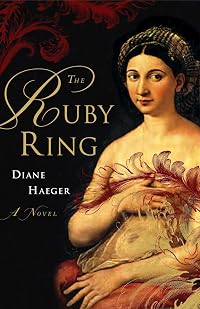
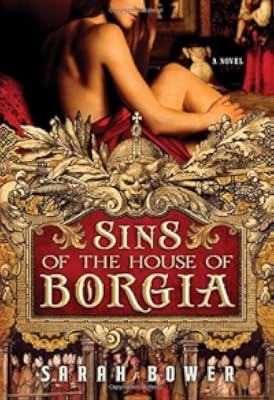
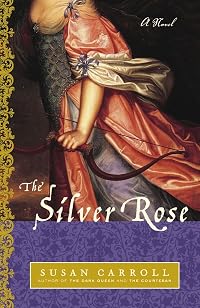
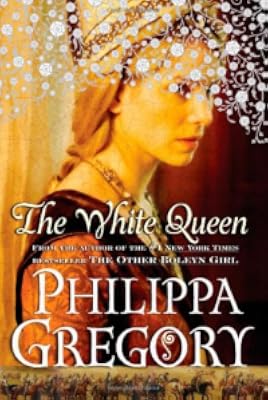
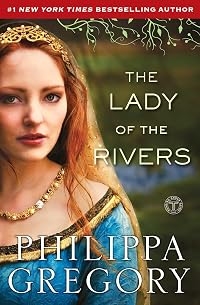

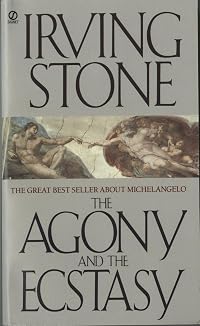
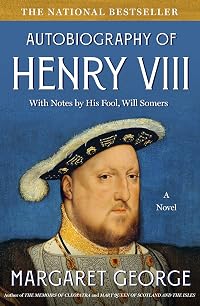
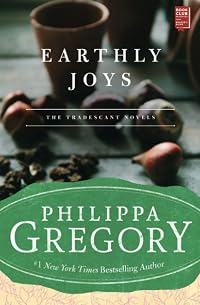
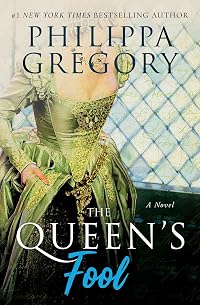
Member Recommendations
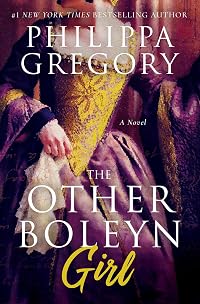
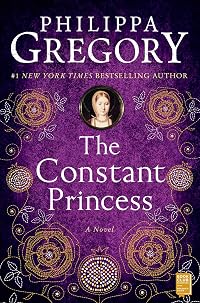
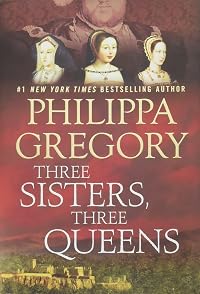
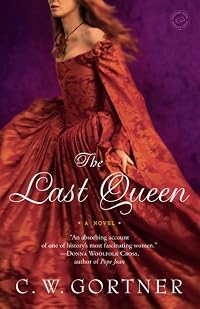
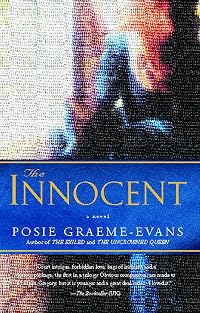
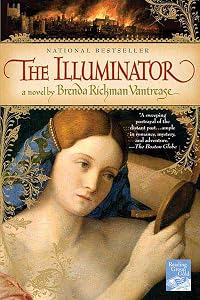
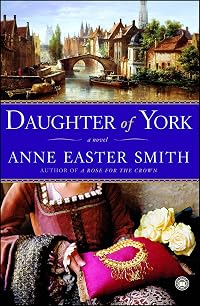
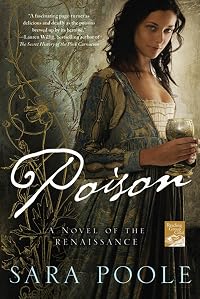
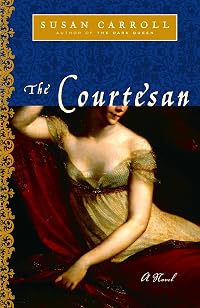
Caramellunacy Though the stories are set in different time periods, both show the struggles of a strong young woman against a powerful ruler. Both also have a similar fast-paced, soap operatic feel to them.
Member Reviews
This book got me so into the Italian Renaissance and its politics that after finishing, I started watching the new Medici series on Netflix and from that I went into the Borgias. Let's just say, that watching that series after finishing this book was a real eye-opener and fun watch. LOL. This book was my first introduction to the author, and it was a beautiful one. The book draws you in with a lush setting and characters that never fall neatly into evil or good. I loved every aspect of it.
I don't read many works from the Italian Renaissance era; I think I need to rectify that ASAP after reading this one. I felt like I experienced every moment with the characters. From the sun-dappled shores of southern Italy to the hustle and bustle of show more massive Rome to the deadly intrigues of both, this book draws the reader into the past like a great historical fiction should. The author pays attention to the little detail along with the grand historical events.
I love Sacha! She's such a strong character with a great capacity to love and hate in equal measure. She'll go to incredible lengths to protect the ones she loves and revenge those betrayed. I love that she's as capable of murder as she is comfort; it's not often that we see one character with the capacity for both in equal measure. Her quick intelligence, bright political acumen, and survival instinct round out her brilliant personality.
All the other characters that round out this gang of misfits also shine bright. Cesare is one of those characters that you love to hate. He's just as likely to stab you in the back as he is to be devoted to you. In the end, he's only looking out for numero uno. All the other background characters are as three dimensional as Cesare and Sancha, giving us a cast of strong personalities to carry off this intrigue filled story.
While this is my first foray into the author’s works, it won't be my last. She has won me over with her lush historical setting and phenomenal characters. She knows how to tell a suspenseful story while giving character development as strong a footing. I would highly recommend this book to any lover of historical fiction, especially lovers of the Italian Renaissance. It got me more interested into the source material, and I can't find any better complement to a historical fiction than that. show less
I don't read many works from the Italian Renaissance era; I think I need to rectify that ASAP after reading this one. I felt like I experienced every moment with the characters. From the sun-dappled shores of southern Italy to the hustle and bustle of show more massive Rome to the deadly intrigues of both, this book draws the reader into the past like a great historical fiction should. The author pays attention to the little detail along with the grand historical events.
I love Sacha! She's such a strong character with a great capacity to love and hate in equal measure. She'll go to incredible lengths to protect the ones she loves and revenge those betrayed. I love that she's as capable of murder as she is comfort; it's not often that we see one character with the capacity for both in equal measure. Her quick intelligence, bright political acumen, and survival instinct round out her brilliant personality.
All the other characters that round out this gang of misfits also shine bright. Cesare is one of those characters that you love to hate. He's just as likely to stab you in the back as he is to be devoted to you. In the end, he's only looking out for numero uno. All the other background characters are as three dimensional as Cesare and Sancha, giving us a cast of strong personalities to carry off this intrigue filled story.
While this is my first foray into the author’s works, it won't be my last. She has won me over with her lush historical setting and phenomenal characters. She knows how to tell a suspenseful story while giving character development as strong a footing. I would highly recommend this book to any lover of historical fiction, especially lovers of the Italian Renaissance. It got me more interested into the source material, and I can't find any better complement to a historical fiction than that. show less
Jeanne Kalogridis' The Borgia Bride is the story of Sancha of Aragon, the illegitimate daughter of the cruel, ambitious Crown Prince of Naples. Used as a pawn to further a political alliance with the papacy, she is married off to the youngest of Pope Alexander's acknowledged sons - Jofre Borgia. But Jofre is the weakest of the Borgia clan, and his father and elder brothers as well as his sister Lucrezia all vie for power using violence, poison and passion - and Sancha cannot hold herself apart from the intrigue when she finds herself pursued by her husband's family.
The most obvious comparison that springs to mind for this book is Philippa Gregory's Other Boleyn Girl. After all, we have sibling rivalry, corruption, intrigue and incest in show more spades. But where I was nothing but annoyed with Gregory's writing, I found that Kalogridis truly swept me along though the twists of her story. I loved and hated Jofre and Cesare by turns, and I felt for poor Lucrezia who was manipulated and twisted by her own family. But most of all, I truly sympathized with Sancha - the strong woman desperate to fight off a legacy of cruelty and determined to protect her brother.
Sancha fights her way through a great number of troubles, though some I thought were glossed over rather too much - even a strong woman suffers lasting effects from some of the scenes Sancha witnesses and experiences, and I think the novel would have been stronger if the author had shown us a bit more of Sancha's reactions. Though part of Sancha's character is to keep a tight rein on her emotions, at times I found her reticence distancing as a reader.
Despite these quibbles, I tore through this book at a ferocious pace, eager to read about how Sancha would deal with Lucrezia, how her relationship with Alfonso and Jofre changed, and what machinations the Pope and his sons were getting up to. And I certainly wasn't disappointed. There's a lot going on and high passions running throughout the novel, just as you would expect in a story about the Borgias (who after all, inspired Machiavelli's The Prince), and while there was rather too much suffering to say that I enjoyed this time in Renaissance Italy, I certainly don't regret a moment I spent there with The Borgia Bride.
Also posted at A Hoyden's Look at Literature. show less
The most obvious comparison that springs to mind for this book is Philippa Gregory's Other Boleyn Girl. After all, we have sibling rivalry, corruption, intrigue and incest in show more spades. But where I was nothing but annoyed with Gregory's writing, I found that Kalogridis truly swept me along though the twists of her story. I loved and hated Jofre and Cesare by turns, and I felt for poor Lucrezia who was manipulated and twisted by her own family. But most of all, I truly sympathized with Sancha - the strong woman desperate to fight off a legacy of cruelty and determined to protect her brother.
Sancha fights her way through a great number of troubles, though some I thought were glossed over rather too much - even a strong woman suffers lasting effects from some of the scenes Sancha witnesses and experiences, and I think the novel would have been stronger if the author had shown us a bit more of Sancha's reactions. Though part of Sancha's character is to keep a tight rein on her emotions, at times I found her reticence distancing as a reader.
Despite these quibbles, I tore through this book at a ferocious pace, eager to read about how Sancha would deal with Lucrezia, how her relationship with Alfonso and Jofre changed, and what machinations the Pope and his sons were getting up to. And I certainly wasn't disappointed. There's a lot going on and high passions running throughout the novel, just as you would expect in a story about the Borgias (who after all, inspired Machiavelli's The Prince), and while there was rather too much suffering to say that I enjoyed this time in Renaissance Italy, I certainly don't regret a moment I spent there with The Borgia Bride.
Also posted at A Hoyden's Look at Literature. show less
This was my first foray into the author, Jeanne Kalogridis, and I have to say that I really enjoyed this book. Sancha of Aragon was a sympathetic character, someone you could really admire for her strength, especially when dealing with the Borgia family. Cesare Borgia was most evil, but at the same time, fun to hate. I even came to realize that there was some goodness in Lucrezia Borgia, which I haven't read much of. If you like drama, corruption, murder and don't mind a a little incest, then I definitely recommend this book.
I admit that I knew very little about the Borgia family before I started The Borgia Bride by Jeanne Kalogridis. I knew they were a powerful family in Renaissance Europe and were involved in many political intrigues and rumoured to be involved in the art of poison.
The Borgia Bride tells the story of Sancha of Aragon, a princess of Naples who is given in marriage to the youngest of the Borgia family, Jofre. He is a number of years younger than she, very weak-willed and timid. She is renown for her beauty and her strong will. They are summoned to Rome to be at the side of his father, Pope Alexander. Sancha immediately has to fight off the advances of Jofre’s father, but at the same time falls under the sway of his handsome older brother show more Cesare. She also manages to befriend her sister-in-law, Lucrezia, but eventually discovers the true nature of this notorious clan. Incest, murder and intrigue are daily indulgences, and she must learn both cunning and deceit to outmanoeuvre this strong, corrupt family..
I don’t know how correct her portrayal of this family is, but she does write the story within an accurate framework of time. Actual historic events are described and the author weaves her story through these events. Although I never felt a true emotional connection to the characters, it was an interesting, titillating story of a sordid yet powerful family. show less
The Borgia Bride tells the story of Sancha of Aragon, a princess of Naples who is given in marriage to the youngest of the Borgia family, Jofre. He is a number of years younger than she, very weak-willed and timid. She is renown for her beauty and her strong will. They are summoned to Rome to be at the side of his father, Pope Alexander. Sancha immediately has to fight off the advances of Jofre’s father, but at the same time falls under the sway of his handsome older brother show more Cesare. She also manages to befriend her sister-in-law, Lucrezia, but eventually discovers the true nature of this notorious clan. Incest, murder and intrigue are daily indulgences, and she must learn both cunning and deceit to outmanoeuvre this strong, corrupt family..
I don’t know how correct her portrayal of this family is, but she does write the story within an accurate framework of time. Actual historic events are described and the author weaves her story through these events. Although I never felt a true emotional connection to the characters, it was an interesting, titillating story of a sordid yet powerful family. show less
Dark, luscious, and highly entertaining. Kalogridis plunges you into the sex-and-violence crazed world of the Borgias, spinning a captivating tale of one family's disastrous travails.
This sweeping historical novel tells the dramatic tale of that most intriguing of Renaissance women, Lucrezia Borgia. In 1502, the Borgia Terror is at its height. Pope Alexander VI and his infamous son, Cesare, have murdered their way to power: no one is safe. The poor are starving to death, the rich are terrified for their lives. Rome is under seige and the River Tiber is full of new bodies every day. Born into the most powerful and corrupt family at the heart of the snake-pit that is Renaissance Italy, Lucrezia Borgia is destined to be remembered by history as an evil, scheming seductress and poisoner. If a woman in Lucrezia's unenviable position is to survive, she must use the weapons at her disposal: sex, poison and intelligence. show more Having been raped by her father, the Pope, on her wedding night at the age of thirteen, Lucrezia is then faced with the murder of her first husband by her lecherous brother Cesare, who lusts after her himself. When a second marriage is proposed she fears she will be separated from her child, Giovanni, the result of her father's incestuous attentions. She is surprised and delighted to find herself falling in love with her second husband. But will she have the will and the courage to protect him when he becomes a threat to Alexander and Cesare's schemes?
My Thoughts:
I knew nothing at all about the Borgias and with the forthcoming tv series I thought I would find a book about them to read. As always for me fiction is the best way as it brings that period of history to life where as some non fiction books can bog me down. Normally I would reach for one of my tudor novels when I want a historical fix but this time I have gone for the Borgias.
This story is told from the point of view of Sancha, Princess of Naples, who marries into the Borgia family, brother Jofre. The book is heavily about Lucrezia and her brother Cesare who I have to say I found them both very intersting characters. I have also looked on the interenet especailly about Sancha and have found different accounts to what is portrayed in this book. She seems to have had affairs with brother Cesare, but there are diifferent acounts of whether she had an affair with Juan or not. The net says she did, in the novel it was a one off and was gainst her will. So I don’t how accuarte the facts are in this novel.
The book itself I found over long and felt a hundred pages less wouldn’t have made any difference to to the story. It was well written and I would have thought a lot of research has gone into it. If you like historical fiction such as Philippa Gregory then this book is for you. I will certainly be looking for more books about the Borgias. show less
My Thoughts:
I knew nothing at all about the Borgias and with the forthcoming tv series I thought I would find a book about them to read. As always for me fiction is the best way as it brings that period of history to life where as some non fiction books can bog me down. Normally I would reach for one of my tudor novels when I want a historical fix but this time I have gone for the Borgias.
This story is told from the point of view of Sancha, Princess of Naples, who marries into the Borgia family, brother Jofre. The book is heavily about Lucrezia and her brother Cesare who I have to say I found them both very intersting characters. I have also looked on the interenet especailly about Sancha and have found different accounts to what is portrayed in this book. She seems to have had affairs with brother Cesare, but there are diifferent acounts of whether she had an affair with Juan or not. The net says she did, in the novel it was a one off and was gainst her will. So I don’t how accuarte the facts are in this novel.
The book itself I found over long and felt a hundred pages less wouldn’t have made any difference to to the story. It was well written and I would have thought a lot of research has gone into it. If you like historical fiction such as Philippa Gregory then this book is for you. I will certainly be looking for more books about the Borgias. show less
Taking a break from my usual SFF to check out another one of my beloved genres, historical fiction -- and I can never resist a Borgia book.
I would recommend The Borgia Bride to: fans of Philippa Gregory. This book reminded me of her work in many ways, from the first person narrative of its female protagonist to the rich and detailed descriptions of the setting and environment. And of course, those like me with an interest in fiction about the Borgias should check it out.
I would not recommend this book to: people easily frustrated or offended by any historical inaccuracies or any creative liberties taken by the author. When it comes to historical fiction, it really boils down to your tolerance for such things, but it also comes with the show more territory. It just makes sense; like if you want to learn actual facts about the reign of King Henry VIII, for example, watch a documentary, not The Tudors. Same kind of deal here. Anyway, once I accept a book as fiction, so long as the author does not write with a complete disregard for historical fact, then I'm more interested in the story and how they manage to spin a tale around the real historical figures and events.
In any case, I have a feeling this book was meant to be a little shocking and a little scandalous, playing to all the rumors surrounding the Borgias, as most works of fiction about the notorious family tend to be. On some level, I was prepared for and even expected it, so in this the book delivered exactly the drama, intrigues, and conspiracies it promised. Jeanne Kalogridis includes a lot of true events, but also fills in the gaps with her interesting interpretations of them.
The main protagonist and narrator of The Borgia Bride is Sancha (or Sancia) of Aragon. The book begins with her childhood growing up in the court of her grandfather Don Ferrante (or Ferdinand I of Naples) which leads up to her marriage to Jofre (or Gioffre) Borgia and her subsequent move to Rome. There, she meets the rest of the family: Cesare Borgia, with whom she has a torrid affair; Lucrezia Borgia, whom she eventually befriends; Juan (or Giovanni) Borgia, for whom she develops an immediate dislike; and of course, the patriarch Rodrigo Borgia or Pope Alexander VI himself.
I notice there almost appears to be three sides to Sancha in this book, distinguished by her actions and behaviors, with each side accompanying or making an appearance only after certain events of significance in her life. The first third of the book, which builds up some of the history, features young Sancha who happens to be my favorite because she's headstrong and goes through life knowing exactly what she wants. But then when she moves to Rome and meets Cesare, she suddenly becomes wishy-washy Sancha, going back and forth on her stances and her feelings. I found it a little amusing and ironic how she repeatedly accuses Pope Alexander for being "inconstant", when she's being kind of a flake herself. Anyway, it got really frustrating, almost like Cesare cast a spell on her, one she never manages to shake off for the rest of the book, which was kind of a shame.
The third Sancha is "Mopey Sancha", who doesn't reveal herself until about the last quarter of the book, but at this point I've already accepted that her character was not who I thought she was. That isn't to say her reaction and change isn't justified, given what happens around that part in the book, but that was probably my one disappointment while reading this.
Apart from the inconsistencies in Sancha's personality, however, I have to say this was an enjoyable read. I had hoped the Borgias would be characterized and developed a little more, but considering the story was told from Sancha's point of view, I thought what the author presented was pretty good. Pleasant to read and entertaining overall. show less
I would recommend The Borgia Bride to: fans of Philippa Gregory. This book reminded me of her work in many ways, from the first person narrative of its female protagonist to the rich and detailed descriptions of the setting and environment. And of course, those like me with an interest in fiction about the Borgias should check it out.
I would not recommend this book to: people easily frustrated or offended by any historical inaccuracies or any creative liberties taken by the author. When it comes to historical fiction, it really boils down to your tolerance for such things, but it also comes with the show more territory. It just makes sense; like if you want to learn actual facts about the reign of King Henry VIII, for example, watch a documentary, not The Tudors. Same kind of deal here. Anyway, once I accept a book as fiction, so long as the author does not write with a complete disregard for historical fact, then I'm more interested in the story and how they manage to spin a tale around the real historical figures and events.
In any case, I have a feeling this book was meant to be a little shocking and a little scandalous, playing to all the rumors surrounding the Borgias, as most works of fiction about the notorious family tend to be. On some level, I was prepared for and even expected it, so in this the book delivered exactly the drama, intrigues, and conspiracies it promised. Jeanne Kalogridis includes a lot of true events, but also fills in the gaps with her interesting interpretations of them.
The main protagonist and narrator of The Borgia Bride is Sancha (or Sancia) of Aragon. The book begins with her childhood growing up in the court of her grandfather Don Ferrante (or Ferdinand I of Naples) which leads up to her marriage to Jofre (or Gioffre) Borgia and her subsequent move to Rome. There, she meets the rest of the family: Cesare Borgia, with whom she has a torrid affair; Lucrezia Borgia, whom she eventually befriends; Juan (or Giovanni) Borgia, for whom she develops an immediate dislike; and of course, the patriarch Rodrigo Borgia or Pope Alexander VI himself.
I notice there almost appears to be three sides to Sancha in this book, distinguished by her actions and behaviors, with each side accompanying or making an appearance only after certain events of significance in her life. The first third of the book, which builds up some of the history, features young Sancha who happens to be my favorite because she's headstrong and goes through life knowing exactly what she wants. But then when she moves to Rome and meets Cesare, she suddenly becomes wishy-washy Sancha, going back and forth on her stances and her feelings. I found it a little amusing and ironic how she repeatedly accuses Pope Alexander for being "inconstant", when she's being kind of a flake herself. Anyway, it got really frustrating, almost like Cesare cast a spell on her, one she never manages to shake off for the rest of the book, which was kind of a shame.
The third Sancha is "Mopey Sancha", who doesn't reveal herself until about the last quarter of the book, but at this point I've already accepted that her character was not who I thought she was. That isn't to say her reaction and change isn't justified, given what happens around that part in the book, but that was probably my one disappointment while reading this.
Apart from the inconsistencies in Sancha's personality, however, I have to say this was an enjoyable read. I had hoped the Borgias would be characterized and developed a little more, but considering the story was told from Sancha's point of view, I thought what the author presented was pretty good. Pleasant to read and entertaining overall. show less
Members
- Recently Added By
Lists

Historical Fiction
889 works; 91 members
Author Information

51+ Works 14,740 Members
J. M. Dillard lives in the sleepy community of Ojai, California, with her husband and dogs.
Series
Belongs to Publisher Series
Common Knowledge
- Canonical title*
- Alla corte dei Borgia
- Original title
- The Borgia Bride
- Original publication date
- 2005-02-07
- People/Characters
- Alexander VI, Pope (Rodrigo de Borja, 1431-1503); Cesare Borgia; Lucrezia Borgia; Sancia d'Aragona; Alfonso of Aragon; Goffredo Borgia (show all 11); Caterina Sforza; Gioffre Borgia; Alfonso II of Naples; Juan Borgia; Ferrante I of Naples
- Important places
- Naples, Campania, Italy; Squillace, Italy; Rome, Italy; Vatican City
- Important events
- Papacy of Pope Alexander VI (1492 | 1503)
- Dedication
- For Jane Johnson
For The Chance - First words
- The canterella, it is called: a poison powder so deadly a mere sprinkling of it can kill aman, strike him down in a matter of days. (Prologue)
I am Sancha of Aragon, natural daughter of the man who became Alfonso II, King of Naples for a year and a day. - Last words
- (Click to show. Warning: May contain spoilers.)My heart was already in Naples, where the sun gleams off the pure blue waters of the bay.
- Blurbers
- Gregory, Philippa
*Some information comes from Common Knowledge in other languages. Click "Edit" for more information.
Classifications
- Genres
- Fiction and Literature, Historical Fiction, General Fiction, Romance
- DDC/MDS
- 813.54 — Literature & rhetoric American literature in English American fiction in English 1900-1999 1945-1999
- LCC
- PS3561 .A41675 .B67 — Language and Literature American literature American literature Individual authors 1961-
- BISAC
Statistics
- Members
- 1,101
- Popularity
- 23,188
- Reviews
- 32
- Rating
- (3.64)
- Languages
- 6 — English, French, German, Italian, Portuguese, Spanish
- Media
- Paper, Ebook
- ISBNs
- 24
- ASINs
- 11