On This Page
Description
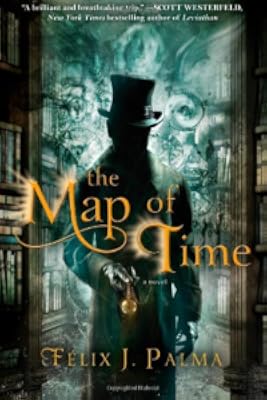
London, 1896. Andrew Harrington's lover Marie Kelly was murdered by Jack the Ripper and he longs to turn back the clock and save her. Meanwhile, Claire Haggerty, forever being matched with men her family considers suitable, yearns for a time when she can be free to love whom she chooses. As their quests converge, it becomes clear that time is the problem--to escape it or to change it. Hidden in the attic of popular author--and noted scientific speculator--H.G. Wells is a machine that might show more offer them the hope they need! show lessTags
Recommendations




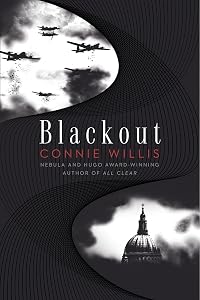
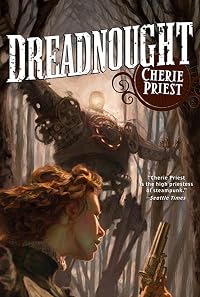

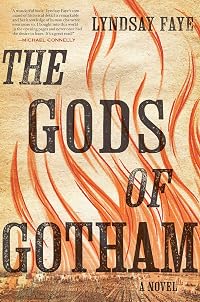
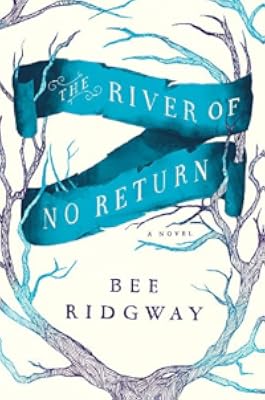
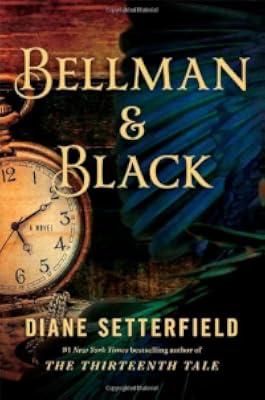
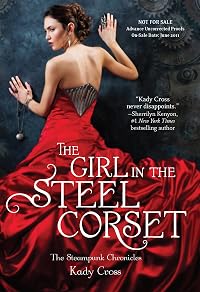
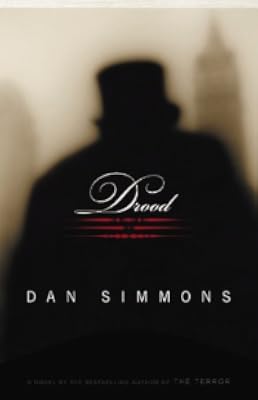
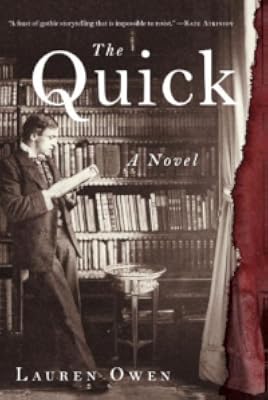





Member Recommendations
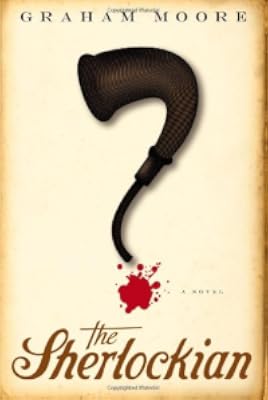
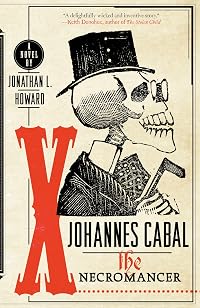
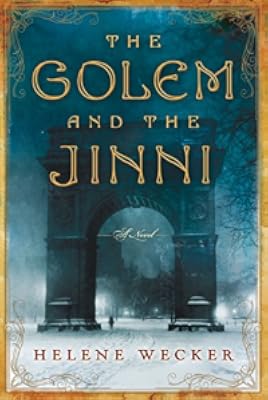
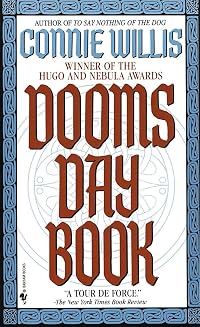
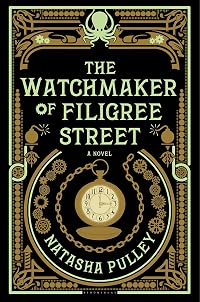
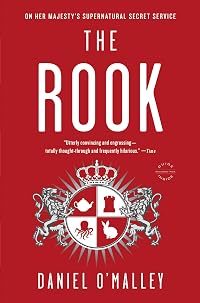
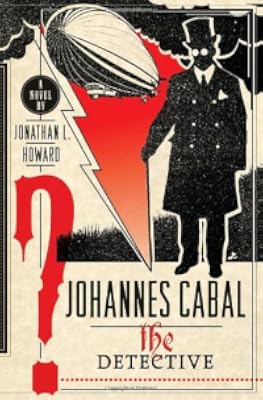
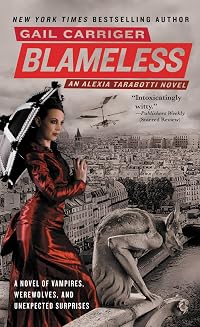
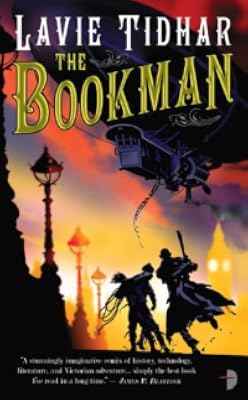
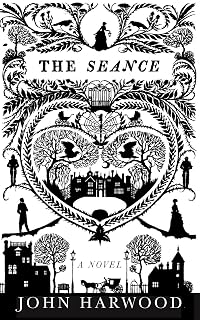
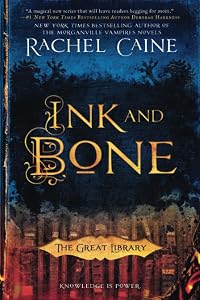
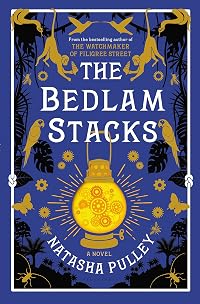
BookshelfMonstrosity The Anubis Gates and The Map of Time blur the line between Science Fiction and Fantasy, presenting intricately plotted time travel stories with a hint of Mystery that feature appearances by 19th-century literary figures alongside more fantastical elements.
brianc6 A wonderful story of time travel and the 19th century.
Member Reviews
Este libro es todo un homenaje a los precursores de la ciencia ficción, y a H.G. Wells en particular. Mediante todo un collage de personajes reales y de ficción, de novelas y de películas clásicas pertenecientes al fantástico y la ciencia ficción, Félix J. Palma ha construido un nuevo producto que se vale por sí mismo.
Londres, 1896. La novela empieza con Andrew Harrington escogiendo una pistola con la que suicidarse. El porqué no se puede contar, ya que se va desvelando en el transcurso de los capítulos, aunque mucho tiene que ver el sanguinario Jack. De igual modo, tenemos otro personaje, Claire Haggerty, que no siente ningún apego por la época en la que le ha tocado vivir, y que ve una posibilidad de cambiar esto cuando show more conoce la existencia de la empresa de los Murray, Viajes Temporales Murray, que, como su nombre indica, tiene como propósito los viajes al futuro, concretamente al año 2000, donde la Humanidad lucha por su supervivencia contra los Autómatas.
Félix J. Palma ha escrito la historia de tal manera que es imprescindible no saber más sobre la trama, ya que los giros inesperados hacen que la visión del lector cambie radicalmente. 'El mapa del tiempo' transcurre a modo de folletín, y encontramos continuas referencias a personajes reales e inventados, siendo el propio Wells uno de ellos, sino el más importante. La novela está excelentemente escrita, y mantiene la atención del lector hasta una última parte inmejorable. show less
Londres, 1896. La novela empieza con Andrew Harrington escogiendo una pistola con la que suicidarse. El porqué no se puede contar, ya que se va desvelando en el transcurso de los capítulos, aunque mucho tiene que ver el sanguinario Jack. De igual modo, tenemos otro personaje, Claire Haggerty, que no siente ningún apego por la época en la que le ha tocado vivir, y que ve una posibilidad de cambiar esto cuando show more conoce la existencia de la empresa de los Murray, Viajes Temporales Murray, que, como su nombre indica, tiene como propósito los viajes al futuro, concretamente al año 2000, donde la Humanidad lucha por su supervivencia contra los Autómatas.
Félix J. Palma ha escrito la historia de tal manera que es imprescindible no saber más sobre la trama, ya que los giros inesperados hacen que la visión del lector cambie radicalmente. 'El mapa del tiempo' transcurre a modo de folletín, y encontramos continuas referencias a personajes reales e inventados, siendo el propio Wells uno de ellos, sino el más importante. La novela está excelentemente escrita, y mantiene la atención del lector hasta una última parte inmejorable. show less
Félix J. Palma, the author of The Map of Time, likes to play mind games with his readership. The blurb, about a heartbroken young man and an independent young woman at the end of the Victorian age, seems to point in a certain direction, but the author turns the reader’s preconception on its head, and the book, which I had imagined to be a straightforward novel about time travel (is that even possible?), turns out to be three separate tales linked by the character of H. G. Wells, the author of The Time Machine. To give a synopsis here would be quite difficult without giving away some of the surprises, as the plot twists and turns in unexpected directions, so suffice to say that the author addresses the concepts of choice, fate and show more predestination, and explores the idea of building worlds using one’s imagination, but mainly this is a book about the restorative power of love. In the course of the book, the boundary between what is fact and fiction (in a known work of fiction) becomes blurred, keeping the reader guessing as to which is which, and a supposed secondary character - H. G. Wells - is surreptitiously elevated to the role of main protagonist. At times the author addresses the reader directly, in the guise of the omniscient narrator and with a knowing wink, and in these instances the reader can experience the author’s mischievous sense of humour at first hand. With 500+ pages the book definitely feels at least 50 pages too long, and I felt that Félix J. Palma was occasionally indulging himself when constructing elaborate backgrounds for some of the minor characters, slowing down the momentum: hence the rating of only four stars. Despite the criticism, this is an imaginative and intelligent read that whiles the away the hours surprisingly quickly, and now that I know this is only the first volume in a trilogy, I look forward to picking up the thread with The Map of the Sky. show less
Three intertwining stories, all having to do with time travel and Bertie Wells (HG to you and me). I didn't care for the first story at all, the egocentric puerile protagonist did nothing to endear himself. And at the end, his heroics were more for his own feelings than his loved one.
The second story also dealt with misogyny of a sort. Playing on people's hopes and dreams, emotions and love... and yes, the protagonist in that one did all of that as well. Though there was a point when Bertie and his wife scowled at him for his ruinous actions... really?!?
The third was the more science fiction with "actual" time travel and genes (DNA) that make it happen in humans. Its as if the author wanted to do a thriller and by God, he was going to show more put it in someplace! (Even if it didn't fit with the cadence of the other stories.)
I gave it a three for the attempt to weave the stories together and the imagination it took. The "heroes" of the pieces weren't heroic- AT ALL... so I was forced to listen to (yes, I listened to this one) the male POV in the last century for hours.... URGH!!!! Like we don't have enough "literature" already devoted to how men think and feel... The women in the stories were mere pawns (very much so like in life back then) simply to be moved from here to there, more caricatures than anything else. Makes me sad that there was a spark of genius, too bad it didn't come to fruition. show less
The second story also dealt with misogyny of a sort. Playing on people's hopes and dreams, emotions and love... and yes, the protagonist in that one did all of that as well. Though there was a point when Bertie and his wife scowled at him for his ruinous actions... really?!?
The third was the more science fiction with "actual" time travel and genes (DNA) that make it happen in humans. Its as if the author wanted to do a thriller and by God, he was going to show more put it in someplace! (Even if it didn't fit with the cadence of the other stories.)
I gave it a three for the attempt to weave the stories together and the imagination it took. The "heroes" of the pieces weren't heroic- AT ALL... so I was forced to listen to (yes, I listened to this one) the male POV in the last century for hours.... URGH!!!! Like we don't have enough "literature" already devoted to how men think and feel... The women in the stories were mere pawns (very much so like in life back then) simply to be moved from here to there, more caricatures than anything else. Makes me sad that there was a spark of genius, too bad it didn't come to fruition. show less
Just what I needed to distract me from the summer heat. Palma has taken H.G. Wells' The Time Machine and launches from there into a wonderful premise that has the reading believing / disbelieving / believing in time travel. Palma's all-seeing narrator leads us through three intertwining stories set in Victorian England, a wonderful time period for a good genre-bender read. Palma brings the author H.G. Wells - along, to a lesser extent, Henry James and Bram Stoker - to life in his stories which is good for a potential reader of Palma' story to know. I for one, tend to enjoy stories where real historical figures are characters and I don't analyze whether or not the author gives an accurate portrayal of these individuals. Let just say show more Palma brings enough accuracy to our three literary figures for me to settle back and enjoy the story.
Fans of Wells' novel and the subsequent movie adaptations may enjoy the details that Palma brings to his story. I know I did, but it is so much more than a Time Machine story. It is a wonderful historical fiction story first and foremost but it is also a genre-bending delight. It is a historical, literary, mystery, fantasy, steampunk-styled adventure wrapped up into one page-turning package. I have read a number of novels that have taken Victorian England and adapted it to suit the author's needs, but this one is different. The story doesn't try to tamper with the known Victorian England time period. Palma leaves that firmly intact for readers to ground themselves as they follow his characters down the train of thought of possible parallel universes and the "map of time" that parallel universes may create. I really enjoyed how Palma plays with the reader, leading them along and feeding them with tantalizing information that may, or may not, be proven correct as the story progresses, kind of like a carnival's maze of mirrors where one tries to find the right way through the maze. Palma has a gift for painting a detailed picture and for crafting his characters, drawing the reader into the scene and engaging with the characters. He also knows how to pace his story: slow enough to lay the groundwork and to bring all the subtle details to the readers attention while still carrying the plot forward at a decent pace, keeping my interest from waning.
Favourite quote:
Fans of Wells' novel and the subsequent movie adaptations may enjoy the details that Palma brings to his story. I know I did, but it is so much more than a Time Machine story. It is a wonderful historical fiction story first and foremost but it is also a genre-bending delight. It is a historical, literary, mystery, fantasy, steampunk-styled adventure wrapped up into one page-turning package. I have read a number of novels that have taken Victorian England and adapted it to suit the author's needs, but this one is different. The story doesn't try to tamper with the known Victorian England time period. Palma leaves that firmly intact for readers to ground themselves as they follow his characters down the train of thought of possible parallel universes and the "map of time" that parallel universes may create. I really enjoyed how Palma plays with the reader, leading them along and feeding them with tantalizing information that may, or may not, be proven correct as the story progresses, kind of like a carnival's maze of mirrors where one tries to find the right way through the maze. Palma has a gift for painting a detailed picture and for crafting his characters, drawing the reader into the scene and engaging with the characters. He also knows how to pace his story: slow enough to lay the groundwork and to bring all the subtle details to the readers attention while still carrying the plot forward at a decent pace, keeping my interest from waning.
Favourite quote:
"True literature should rouse the reader, unsettle him, change his view of the world, give him a resolute push over the cliff of self-knowledge."If you are a fan of [The Time Machine] and H.G. Wells' novels, and if you are like me and enjoy reading stories where historical literary figures are characters in the story, this first book in a currently three-book series may appeal to you. I thoroughly enjoyed my escapism romp through Victorian England under Palma's pen and I am looking forward to reading book two in the series - The Map of the Sky. show less
In short, not spec-fic-wonder enough to really enchant me, but not quite pretentious enough to really piss me off.
It's more about the concept of time travel than the performance thereof, and at one point I pondered if really it was making the point that the brain is a time-machine, but both dwelling in the past and daydreaming about the future were things that could really mess up the present for you. But it's also about storytelling as time travel, using nested narratives (which, to be honest, is a style choice I always dislike) to illustrate the point. And it's also about mankind's willingness to believe - encapsulated in both brain and storytelling - and how it is both a great strength and a tremendous weakness.
It was fun to read. I show more found the omniscient author mostly charming (but I can see how he might be found irritating) and the Victorianesque style flowed well. The wider plot was clever and well unfurled - including a couple of hidden-in-plain-sight tells that I totally missed until they emerged as plot-significant - though I found the conceptual sum-up at the end a little bit twee (and far more literary than sci-fi; the former can flourish a clever concept at you and expect applause, but in my opinion, sci-fi is ruthless and must always pay the piper).
But in the end, it was just a bit too light-touch, a bit too smug and clever about its fourth-wall shenanigans, a bit too scaldingly blunt about its characters for me to elevate it to four-star enjoyment.
(I did finally cave to pressure and google Derek Shackleton. Somewhat amused to discover the name was familiar to me because he bowled for England.) show less
It's more about the concept of time travel than the performance thereof, and at one point I pondered if really it was making the point that the brain is a time-machine, but both dwelling in the past and daydreaming about the future were things that could really mess up the present for you. But it's also about storytelling as time travel, using nested narratives (which, to be honest, is a style choice I always dislike) to illustrate the point. And it's also about mankind's willingness to believe - encapsulated in both brain and storytelling - and how it is both a great strength and a tremendous weakness.
It was fun to read. I show more found the omniscient author mostly charming (but I can see how he might be found irritating) and the Victorianesque style flowed well. The wider plot was clever and well unfurled - including a couple of hidden-in-plain-sight tells that I totally missed until they emerged as plot-significant - though I found the conceptual sum-up at the end a little bit twee (and far more literary than sci-fi; the former can flourish a clever concept at you and expect applause, but in my opinion, sci-fi is ruthless and must always pay the piper).
But in the end, it was just a bit too light-touch, a bit too smug and clever about its fourth-wall shenanigans, a bit too scaldingly blunt about its characters for me to elevate it to four-star enjoyment.
(I did finally cave to pressure and google Derek Shackleton. Somewhat amused to discover the name was familiar to me because he bowled for England.) show less
In 2011, I walked into a Barnes and Noble (which still exists, btw, strangely enough) and, just like normal, the front display was of New Releases. I normally peruse these books with casual interest, maybe lift the cover of one or two to read the synopses and look with disdain on the rest of them (mostly because I'm generally not a serial reader and most authors get published with one character and decide they have to stick with that character for the rest of their lives.) I never buy from the New Releases .. mostly because hardcovers are usually more expensive than paperbacks and my To Be Read pile is so large that I can wait for the paperback.
This visit in 2011 was different. I walked into Barnes and Noble, looked at the New Releases show more display, turned the cover of a book with VERY interesting cover art and read the synopsis .. then I read the prologue .. then I got halfway through the first chapter .. then I realized what I was doing and that little voice in my head said, "This is a BOOK STORE not a LIBRARY" .. and so I picked up the book and bought it on the spot.
Cue the To Be Read pile. Yes, I'm embarrassed to admit that I only JUST finished that book.
You see the problem is that it's a book in print and I have less time to sit down and read than I do to listen to audio books (which I used to and still kinda do consider cheating). But it's more than that, because I've sat down to read other books since this one. So why did this one take me so long to read?
It's fantastic. It's one of those books that just sticks with you. The Narrator is the best version of an Omniscient Narrator that I have ever read. The characters are beautifully rendered in this manner that's not-quite-real, as if they're pictures of real people that have been tweaked with an editor's contrast setting to make them seem both more and less than what they are -- and thereby they stand out all the more. The setting of H.G. Wells' 19th century London is always a favorite of mine. Clean, dirty, elegant, and despicable neighborhoods all clash together around the characters as they travel and the story as it's told. And the plot? Time Travel has always fascinated me and this one definitely has the pre-requisite twists and turns. While not what I would call riveting like an action novel (though it has its moments), the plot definitely sticks in the reader's memory -- so much so that I could read other books for years and still come back to this one right where I left off without having to start over. The weave of the characters with each other and with the plot is like trying to untangle a matted basket of different colored embroidery floss. Just when you think you've got everything solved, trust me, you don't. One knotted thread leads to another knotted thread, and you feel like if you just pull this one string, everything will become clear .. but it doesn't -- not until the very end.
No, I really can't say more. To state even a detail more feels like I'd be giving too much away.
It's 609 pages of excellently crafted story. If you have the time to be truly enveloped by a story, The Map of Time by Felix J. Palma does not disappoint. show less
This visit in 2011 was different. I walked into Barnes and Noble, looked at the New Releases show more display, turned the cover of a book with VERY interesting cover art and read the synopsis .. then I read the prologue .. then I got halfway through the first chapter .. then I realized what I was doing and that little voice in my head said, "This is a BOOK STORE not a LIBRARY" .. and so I picked up the book and bought it on the spot.
Cue the To Be Read pile. Yes, I'm embarrassed to admit that I only JUST finished that book.
You see the problem is that it's a book in print and I have less time to sit down and read than I do to listen to audio books (which I used to and still kinda do consider cheating). But it's more than that, because I've sat down to read other books since this one. So why did this one take me so long to read?
It's fantastic. It's one of those books that just sticks with you. The Narrator is the best version of an Omniscient Narrator that I have ever read. The characters are beautifully rendered in this manner that's not-quite-real, as if they're pictures of real people that have been tweaked with an editor's contrast setting to make them seem both more and less than what they are -- and thereby they stand out all the more. The setting of H.G. Wells' 19th century London is always a favorite of mine. Clean, dirty, elegant, and despicable neighborhoods all clash together around the characters as they travel and the story as it's told. And the plot? Time Travel has always fascinated me and this one definitely has the pre-requisite twists and turns. While not what I would call riveting like an action novel (though it has its moments), the plot definitely sticks in the reader's memory -- so much so that I could read other books for years and still come back to this one right where I left off without having to start over. The weave of the characters with each other and with the plot is like trying to untangle a matted basket of different colored embroidery floss. Just when you think you've got everything solved, trust me, you don't. One knotted thread leads to another knotted thread, and you feel like if you just pull this one string, everything will become clear .. but it doesn't -- not until the very end.
No, I really can't say more. To state even a detail more feels like I'd be giving too much away.
It's 609 pages of excellently crafted story. If you have the time to be truly enveloped by a story, The Map of Time by Felix J. Palma does not disappoint. show less
Absolutely delightful! I've seen this compared to Dr. Strange & Mr. Norrell, and while the setting is Victorian England, in some parts this remind me more of a Victorian adventure novel meets Time Traveller's Wife.
The book is a set of three novellas, with the characters and events intertwining. I found the start of the first novella a bit slow, but got drawn in once more of the backstory was revealed (Jack the Ripper? Heck yeah!). Overall, the first novella was my favorite, with the third a close second. The second novella (and parts of the third) read as a bit too similar to The Time Traveller's Wife for me to enjoy it as much as I think I would've had I not read that book previously. With all that said, the writing is rich and show more descriptive, and I got a kick out of the Victorian-style narrator and the outrageously Victorian sub-plots.
I hope to see more of the author's work in English!
Note: I received this as an ARC in return for a review. show less
The book is a set of three novellas, with the characters and events intertwining. I found the start of the first novella a bit slow, but got drawn in once more of the backstory was revealed (Jack the Ripper? Heck yeah!). Overall, the first novella was my favorite, with the third a close second. The second novella (and parts of the third) read as a bit too similar to The Time Traveller's Wife for me to enjoy it as much as I think I would've had I not read that book previously. With all that said, the writing is rich and show more descriptive, and I got a kick out of the Victorian-style narrator and the outrageously Victorian sub-plots.
I hope to see more of the author's work in English!
Note: I received this as an ARC in return for a review. show less
Members
- Recently Added By
Published Reviews
ThingScore 88
Though the novel occasionally moves slowly, there is so much going on that one is almost grateful for being able to take a breath, before being whisked back into the adventure. And that is what The Map of Time truly is, despite its steampunkish inclinations, and a bit of masquerading as literary science fiction: a rollicking good adventure yarn that, with a nudge and a wink and a bit of show more sleight of hand, is sure to leave delight in its wake and a smile on one’s face. And that, Dear Reader, is really all one can ask for. show less
added by passion4reading
Palma wanders in and out of genres—is his book science fiction? literary fiction? fantasy? Whatever the answer, it’s great fun to read, particularly for those with a bent for counterfactual history.
added by Shortride
Lists

Best Time Travel Novels
165 works; 125 members

Gaslamp Fantasy
87 works; 15 members

SF & Fantasy in Translation
95 works; 18 members

KayStJ's to-read list
1,616 works; 11 members

to get
244 works; 2 members

Speculative Fiction from around the World
610 works; 18 members

Favorite Books in Translation
320 works; 133 members
Author Information

25+ Works 3,047 Members
Some Editions
Awards and Honors
Series

Belongs to Publisher Series
Work Relationships
Was inspired by
Common Knowledge
- Canonical title
- The Map of Time
- Original title
- El mapa del tiempo
- Original publication date
- 2008
- People/Characters
- Andrew Harrington; Mary Jane Kelly; Jack the Ripper; Joseph Merrick (Elephant Man); H. G. Wells; Gilliam Murray (show all 19); Harold Barker; Charles Winslow; William Harrington; Sebastian Murray; Oliver Tremanquai; Jane; Derek Shackleton/Tom Blunt; Claire Haggerty; Lucy Nelson; Frederick Abberline; Collin Garrett; Bram Stoker; Henry James
- Important places
- Whitechapel, London, England, UK; Woking, Surrey, England, UK
- Related movies*
- The Time Machine (2002 | IMDb); From Hell (2001 | IMDb)
- Epigraph
- The distinction between past, present and future is an illusion, but a very persistent one.
- Albert Einstein
Mankind's most perfectly terrifying work of art is the division of time.
- Elias Canetti
What is waiting for me in the direction I don't take?
- Jack Kerouac - First words
- Andrew Harrington would have gladly died several times over if that meant not having to choose just one piston from among his father's vast collection in the living room cabinet.
- Quotations*
- Het verschil tussen verleden, heden en toekomst is slechts
een illusie, maar wel een heel hardnekkige.
- Albert Einstein
Het meest perfecte en meest beangstigende kunstwerk van
de mens is zijn indeling van de tijd
- Elias Canetti
Wat wacht me in de richting die ik niet insla?
- Jack Kerouac - Last words
- (Click to show. Warning: May contain spoilers.)He wondered, as if somehow he were able to see or hear me, whether at that very moment someone was not doing precisely that, and then experiencing the rush of joy every writer feels when finishing a novel, a happiness nothing else in life can bring, not sipping Scotch whiskey in the bathtub until the water gets cold, nor caressing a woman's body, nor feeling the touch on the skin of the delicious breeze heralding the arrival of summer.
- Blurbers
- Rose, M.J.; Westerfeld, Scott; Priest, Cherie
- Original language
- Spanish
*Some information comes from Common Knowledge in other languages. Click "Edit" for more information.
Classifications
- Genres
- Science Fiction, Fiction and Literature, Historical Fiction
- DDC/MDS
- 863.64 — Literature & rhetoric Spanish Literature Spanish fiction 20th Century 1945-2000
- LCC
- PQ6666 .A3965 .M3613 — Language and Literature French, Italian, Spanish and Portuguese literatures Spanish literature Individual authors, 1961-2000
- BISAC
Statistics
- Members
- 2,182
- Popularity
- 9,331
- Reviews
- 138
- Rating
- (3.53)
- Languages
- 14 — Czech, Danish, Dutch, English, Estonian, French, German, Italian, Norwegian (Bokmål), Norwegian, Polish, Portuguese, Russian, Spanish
- Media
- Paper, Audiobook, Ebook
- ISBNs
- 40
- ASINs
- 11
