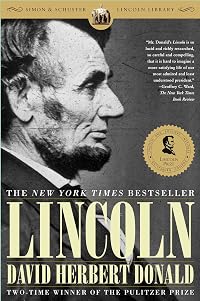
Lincoln
by David Herbert Donald
On This Page
Description
A masterful work by Pulitzer Prize–winning author David Herbert Donald, Lincoln is a stunning portrait of Abraham Lincoln's life and presidency.Donald brilliantly depicts Lincoln's gradual ascent from humble beginnings in rural Kentucky to the ever-expanding political circles in Illinois, and finally to the presidency of a country divided by civil war. Donald goes beyond biography, illuminating the gradual development of Lincoln's character, chronicling his tremendous capacity for show more evolution and growth, thus illustrating what made it possible for a man so inexperienced and so unprepared for the presidency to become a great moral leader. In the most troubled of times, here was a man who led the country out of slavery and preserved a shattered Union—in short, one of the greatest presidents this country has ever seen. show less
Tags
Recommendations







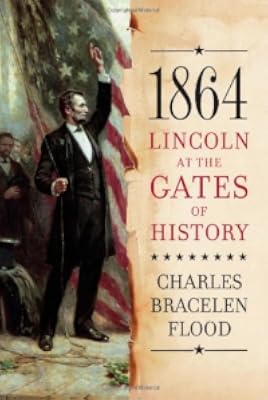
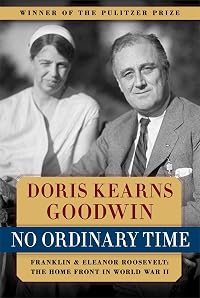
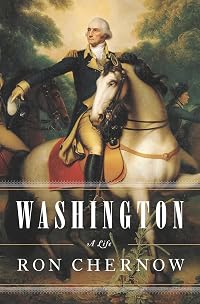
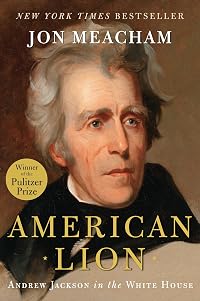

Member Recommendations
John_Vaughan Both David Donald and Jan Morris portray President Lincoln from personal perceptions.

Member Reviews
Engaging biography of a man who was plucked from obscurity—though he liked to say he never lost a direct election, his most recent political adventure had been losing a senatorial race to Stephen Douglas—and evolved into one of our most revered presidents. Donald paints a picture of a man who had a strong core that enabled him to get past some initial missteps; a determined learner who always felt a little insecure about his lack of formal education, but would do as much work as necessary to master a task; and a gentle person who nonetheless survived a political culture so toxic that it actually turned into civil war. Bonus: as pundits have always done, pundits announced that his political career was over after he lost the Senate show more race to Douglas. In some ways the main lesson of American political history is: never listen to anyone who tells you “X’s career is over.” show less
This was hailed as the biography for its generation when it appeared in 1995, but I waited until a generation elapsed (26 years) before reading it. It remains an impressive read.
In its outline, the book presents a familiar story. While still in grade school, in the years leading up to the centennial of the Civil War, I'd read Lincoln biographies in both the Childhood of Famous Americans and Landmark series, Jim Bishop's Night Lincoln Was Shot, and several books about the war. But Donald started fresh and researched thoroughly, emphasizing primary sources, including newly-available records from Lincoln's law practice. He combined this with a mastery of narrative flow so that the book, although detailed, makes a quick read.
More than half show more of the book is devoted to Lincoln's four years as president, which seems fitting. After all, it was those years that made the man memorable.
I increasingly feel that one's experience of a book depends on when one reads it. Of course, this is true of the time in one's personal life, but it was also poignant to read this book in light of the recent past's acrimonious political discourse. It's easy to forget the torrent of abuse that poured over Lincoln, given the apotheosis he underwent after his death. It helps put the unreasoning calumny we hear daily in perspective; nothing new under the sun. I'm not sure whether that's comforting, though.
Donald's conviction of Lincoln's greatness doesn't mislead him into whitewashing the man. It had never been so clear to me how Lincoln was hobbled by bringing no executive experience to the job of being president. He often seemed to be improvising, stumbling. The vexed relation with generals, which I had assumed was the generals' fault, turns out, on this reading, to have been a problem for which Lincoln was in part responsible. He wasn't very good at staffing and then meddled unhelpfully, all the while thinking he was loyal to his choices, even when they turned out not to have been good ones.
Donald not only presents a well-researched and smoothly-written narrative, but he also conveys a sense of Lincoln the man. I was fascinated by the character of Lincoln, with its mix of ambition and passivity. In addition, he manifests the paradox of genuine, folksy humility alongside an abiding conviction of his own superiority. I came to realize that this was no contradiction: it was precisely his belief in his own mental and moral excellence that permitted him to freely own up to his errors. Finally, I was struck that Lincoln, as a young man, chose politics and law as a career path simply because they were the last two options open to him after failing at everything else. Still, he proved a good fit at both.
The book ends with the sudden impact of an assassin's bullet. There is no recounting of the aftermath. This is in line with the author's overall narrative strategy: to write a sharply focused biography, filling in no more context than necessary to tell the life. show less
In its outline, the book presents a familiar story. While still in grade school, in the years leading up to the centennial of the Civil War, I'd read Lincoln biographies in both the Childhood of Famous Americans and Landmark series, Jim Bishop's Night Lincoln Was Shot, and several books about the war. But Donald started fresh and researched thoroughly, emphasizing primary sources, including newly-available records from Lincoln's law practice. He combined this with a mastery of narrative flow so that the book, although detailed, makes a quick read.
More than half show more of the book is devoted to Lincoln's four years as president, which seems fitting. After all, it was those years that made the man memorable.
I increasingly feel that one's experience of a book depends on when one reads it. Of course, this is true of the time in one's personal life, but it was also poignant to read this book in light of the recent past's acrimonious political discourse. It's easy to forget the torrent of abuse that poured over Lincoln, given the apotheosis he underwent after his death. It helps put the unreasoning calumny we hear daily in perspective; nothing new under the sun. I'm not sure whether that's comforting, though.
Donald's conviction of Lincoln's greatness doesn't mislead him into whitewashing the man. It had never been so clear to me how Lincoln was hobbled by bringing no executive experience to the job of being president. He often seemed to be improvising, stumbling. The vexed relation with generals, which I had assumed was the generals' fault, turns out, on this reading, to have been a problem for which Lincoln was in part responsible. He wasn't very good at staffing and then meddled unhelpfully, all the while thinking he was loyal to his choices, even when they turned out not to have been good ones.
Donald not only presents a well-researched and smoothly-written narrative, but he also conveys a sense of Lincoln the man. I was fascinated by the character of Lincoln, with its mix of ambition and passivity. In addition, he manifests the paradox of genuine, folksy humility alongside an abiding conviction of his own superiority. I came to realize that this was no contradiction: it was precisely his belief in his own mental and moral excellence that permitted him to freely own up to his errors. Finally, I was struck that Lincoln, as a young man, chose politics and law as a career path simply because they were the last two options open to him after failing at everything else. Still, he proved a good fit at both.
The book ends with the sudden impact of an assassin's bullet. There is no recounting of the aftermath. This is in line with the author's overall narrative strategy: to write a sharply focused biography, filling in no more context than necessary to tell the life. show less
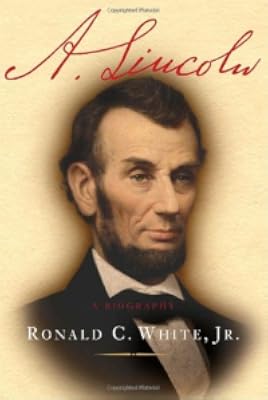
David Herbert Donald earned a Pulitzer for some of his other works, and he should have earned it for this one. It is a great, grand biography of Lincoln, and probably the best single-volume biography of Lincoln extant. It is a better update of Sandburg's and better than Jon Meacham's recent volume. (My only caveat is that I have not yet read A. Lincoln by Ronald C. White.)
Donald has a big focus on politics, from the nitty gritty of campaigning to the ideas. It is well-written and covers everything in fine fashion. It endeavors o take things only from Lincoln's perspective, and thus ends abruptly with his death. (What happened to Robert? Tad? Mary? You must look elsewhere. Reconstruction? Elsewhere. Legacy? Elsewhere.) But, it was one show more of the first of the Lincoln biographies to cover his changing faith fairly well. Donald covers Lincoln's evolving ideas on slavery (and colonization), particularly his conservative, go-slow approach. A good bit too (more than Meacham, for instance) on his career a lawyer. Herndon and Sumner appear as major characters (Donald wrote books on them too, so it is only fitting he uses them as lenses to understand Lincoln.) show less
Donald has a big focus on politics, from the nitty gritty of campaigning to the ideas. It is well-written and covers everything in fine fashion. It endeavors o take things only from Lincoln's perspective, and thus ends abruptly with his death. (What happened to Robert? Tad? Mary? You must look elsewhere. Reconstruction? Elsewhere. Legacy? Elsewhere.) But, it was one show more of the first of the Lincoln biographies to cover his changing faith fairly well. Donald covers Lincoln's evolving ideas on slavery (and colonization), particularly his conservative, go-slow approach. A good bit too (more than Meacham, for instance) on his career a lawyer. Herndon and Sumner appear as major characters (Donald wrote books on them too, so it is only fitting he uses them as lenses to understand Lincoln.) show less
No American political figure, aside from perhaps Washington, is as revered as Lincoln. His steady stewardship through the country's darkest years, not to mention his successful implementation of the 13th amendment, has earned him a consistent place either at the top or near the top of historical rankings.
David Herbert Donald's biography does not shy away from the legend of Lincoln. Truly, his political leadership and humanity have earned him that distinction. However, Donald also adds more context and nuance to the man who has become myth. Everything from his depression, to his tempestuous relationship with Mary Todd Lincoln, to his tendency toward moderation, to his final year are laid bare in this book.
It's this dedication to show more understanding Lincoln as a person that helps make Lincoln such a compelling and important read. show less
David Herbert Donald's biography does not shy away from the legend of Lincoln. Truly, his political leadership and humanity have earned him that distinction. However, Donald also adds more context and nuance to the man who has become myth. Everything from his depression, to his tempestuous relationship with Mary Todd Lincoln, to his tendency toward moderation, to his final year are laid bare in this book.
It's this dedication to show more understanding Lincoln as a person that helps make Lincoln such a compelling and important read. show less
Studying slavery and the civil war as a history major in college, I've previously run into Lincoln and in particular this book. Donald has received extensive praise for this biography. I never took time to actually read the entire thing at once though. Now that I have, I can confidently say it deserves every bit of praise. The number of subjects covered, Donald's consistency and depth of insight, his skill in delineating fact and opinion in the treatment of each subject, and the sheer readability of this book are enough to justify its plaudits. What lies beyond any praise I can offer, however, is the quality of the writing. Donald's prose is stunning in its simple delivery of complex information. And yet it remains accessible enough for show more a threateningly drowsy end-of-day train read.
With Lincoln as a subject it is not terribly difficult to find the man. Despite his private nature, Lincoln revealed himself in all his writing and interactions. He was a people person, and he never shied away from presenting himself in multi-faceted ways. That makes for an engrossing subject already, and a talented historian can readily uncover that. It can, however, be difficult to find something interesting to say that hasn't already been said. Donald both uncovers the man and adds to the conversation on Lincoln in every instance of import. His ability to cut to the core of historical issues and help the reader understand why they mattered is unmatched. For these reasons Donald's Lincoln has revived and added upon my appreciation for one of the United States's greatest leaders. I will be reading more Lincolniana very soon! show less
With Lincoln as a subject it is not terribly difficult to find the man. Despite his private nature, Lincoln revealed himself in all his writing and interactions. He was a people person, and he never shied away from presenting himself in multi-faceted ways. That makes for an engrossing subject already, and a talented historian can readily uncover that. It can, however, be difficult to find something interesting to say that hasn't already been said. Donald both uncovers the man and adds to the conversation on Lincoln in every instance of import. His ability to cut to the core of historical issues and help the reader understand why they mattered is unmatched. For these reasons Donald's Lincoln has revived and added upon my appreciation for one of the United States's greatest leaders. I will be reading more Lincolniana very soon! show less
A biography with unique approach: telling the Lincoln life story from Lincoln's perspective of what he knew and when he knew it.
An extensive, highly readable book that covers Lincoln's professional life as an attorney and politician without sentiment. Lawyer Lincoln began his career humbly and slowly gained confidence and clients, until he became one of the leading trial lawyers in the mid-west. David Donald's Lincoln is a political leader who suffered many more failures than successes and achieved political sainthood only after his assassination and death.
This Lincoln biography allows a reader to go back in time and see how President Lincoln was judged by his peers, his constituents and the press: as a physically unattractive show more seemingly country bumpkin; disorganized executive; and an early poor judge of military talent who slowly learned how to manage this important resource. This is a book that reminds us that however we judge contemporary political leaders, we never know how they will fare in history. I read the book many years ago, and was compelled to re-read it and enjoy it even more the second time. show less
An extensive, highly readable book that covers Lincoln's professional life as an attorney and politician without sentiment. Lawyer Lincoln began his career humbly and slowly gained confidence and clients, until he became one of the leading trial lawyers in the mid-west. David Donald's Lincoln is a political leader who suffered many more failures than successes and achieved political sainthood only after his assassination and death.
This Lincoln biography allows a reader to go back in time and see how President Lincoln was judged by his peers, his constituents and the press: as a physically unattractive show more seemingly country bumpkin; disorganized executive; and an early poor judge of military talent who slowly learned how to manage this important resource. This is a book that reminds us that however we judge contemporary political leaders, we never know how they will fare in history. I read the book many years ago, and was compelled to re-read it and enjoy it even more the second time. show less
Ever since historians have been polled to rank United States Presidents, Abraham Lincoln has consistently landed in the top three; many consider him our greatest president. Which is not to say Lincoln doesn't have strong detractors. Many of my politically inclined friends have attacked him left and right: For his appalling record on civil liberties and violation of constitutional principles--and some claim that Lincoln should not be seen as a champion of equal rights and racial justice--I've even known some to claim the Civil War had nothing to do with slavery at all. (I'd say this book--and every other reputable work of scholarship I've read--makes it idiotic to believe the Civil War had nothing to do with slavery. The South seceded show more precisely because of the election of Lincoln who had made clear his opposition to the further expansion of slavery.)
One could, at least if one quoted very selectively and out of context, find plenty of ammunition in this biography for that negative assessment. Lincoln's record on civil liberties is appalling. Suspension of habeas corpus leading to the arrest and imprisonment of political dissenters, opening of private mails, military tribunals trying civilians, censorship, even complete suppression of unfriendly newspapers, institution of the draft--even use of troops to suppress Democratic votes and threaten uncooperative state legislatures. Even Donald admits that Lincoln was responsible for "greater infringements on individual liberties than in any other period in American history." As for criticism of his racial policies, it's true that Lincoln famously wrote in a letter that the purpose of the war was to save the Union and, "If I could save the Union without freeing any slave, I would do it, and if I could save it by freeing all the slaves, I would do it, and if I could save it by freeing some and leaving others alone, I would also do that."
Despite that Donald doesn't omit any of that, his portrait of Lincoln still comes across as sympathetic and admiring. As Donald drew Lincoln, he was, above all, a pragmatist and canny politician who knowing the racist views of his fellow citizens tacked and maneuvered and steered a course towards emancipation as far and fast as the winds of public opinion would allow. Donald does well in giving you the context to understand why Lincoln would say the things he did and act the way he did. Indeed, that's the very purpose of the biography. In the Prologue Donald related that the one time he met President John F. Kennedy, the president told him that, "No one has a right to grade a President--not even poor James Buchanan--who has not sat in his chair, examined the mail and information that came across his desk, and learned why he made his decisions."
That's what Donald set out to do in this Lincoln biography and it hews close to Lincoln's point of view. It's a biography widely considered to be the best one-volume biography of Lincoln in print. It's exhaustive certainly, and sometimes exhausting. It's 600 pages in trade paperback in small font and, especially in those parts dealing with the minutia of Lincoln's law practice, I found myself less than riveted--but I had to admire Donald's research and scholarship throughout. About a third of the biography dealt with Lincoln's life before coming to national prominence in the Lincoln/Douglas debates, another third takes you through his campaign for president to the eve of the Emancipation Proclamation and the lowest point of the war, and the last third takes you through the rest of the war and Lincoln's assassination. No man up to that time of Lincoln's election had been "less prepared to be president" according to Donald--and maybe no man since. Lincoln had less than a year of formal schooling, no administrative experience upon taking office, and his political experience had been limited to 8 years as an Illinois State legislator and one very undistinguished term as a congressman. The personal and political challenge on his taking office were thus immense--but Donald believes he grew greatly in that office--and Donald certainly makes a strong case for that and makes you appreciate the crushing decisions Lincoln faced. show less
One could, at least if one quoted very selectively and out of context, find plenty of ammunition in this biography for that negative assessment. Lincoln's record on civil liberties is appalling. Suspension of habeas corpus leading to the arrest and imprisonment of political dissenters, opening of private mails, military tribunals trying civilians, censorship, even complete suppression of unfriendly newspapers, institution of the draft--even use of troops to suppress Democratic votes and threaten uncooperative state legislatures. Even Donald admits that Lincoln was responsible for "greater infringements on individual liberties than in any other period in American history." As for criticism of his racial policies, it's true that Lincoln famously wrote in a letter that the purpose of the war was to save the Union and, "If I could save the Union without freeing any slave, I would do it, and if I could save it by freeing all the slaves, I would do it, and if I could save it by freeing some and leaving others alone, I would also do that."
Despite that Donald doesn't omit any of that, his portrait of Lincoln still comes across as sympathetic and admiring. As Donald drew Lincoln, he was, above all, a pragmatist and canny politician who knowing the racist views of his fellow citizens tacked and maneuvered and steered a course towards emancipation as far and fast as the winds of public opinion would allow. Donald does well in giving you the context to understand why Lincoln would say the things he did and act the way he did. Indeed, that's the very purpose of the biography. In the Prologue Donald related that the one time he met President John F. Kennedy, the president told him that, "No one has a right to grade a President--not even poor James Buchanan--who has not sat in his chair, examined the mail and information that came across his desk, and learned why he made his decisions."
That's what Donald set out to do in this Lincoln biography and it hews close to Lincoln's point of view. It's a biography widely considered to be the best one-volume biography of Lincoln in print. It's exhaustive certainly, and sometimes exhausting. It's 600 pages in trade paperback in small font and, especially in those parts dealing with the minutia of Lincoln's law practice, I found myself less than riveted--but I had to admire Donald's research and scholarship throughout. About a third of the biography dealt with Lincoln's life before coming to national prominence in the Lincoln/Douglas debates, another third takes you through his campaign for president to the eve of the Emancipation Proclamation and the lowest point of the war, and the last third takes you through the rest of the war and Lincoln's assassination. No man up to that time of Lincoln's election had been "less prepared to be president" according to Donald--and maybe no man since. Lincoln had less than a year of formal schooling, no administrative experience upon taking office, and his political experience had been limited to 8 years as an Illinois State legislator and one very undistinguished term as a congressman. The personal and political challenge on his taking office were thus immense--but Donald believes he grew greatly in that office--and Donald certainly makes a strong case for that and makes you appreciate the crushing decisions Lincoln faced. show less
Members
- Recently Added By
Published Reviews
Donald is practically a legend as a scholar and a teacher, having trainedcountless historians, including me. Thus, expectations are incredibly high. Still, in his own quiet, firm manner, Donald meets theburdens of his reputation. While this biography may not represent the final word on Lincoln, it will almost surely be the firstword on the subject for generations to come.
added by John_Vaughan
Lists

Lincoln
7 works; 4 members
Best Biographies of U.S. Presidents
61 works; 6 members

Best Biographies
216 works; 26 members

The Presidents
42 works; 2 members

Non-Fiction Worth Reading
1,025 works; 264 members
Presidential Books
15 works; 2 members

Books bought at library sales
98 works; 4 members

Tagged Civil War
16 works; 4 members
Biographies of American Presidents
39 works; 4 members
Author Information

24+ Works 6,480 Members
Pulitzer Prize-winning biographer and historian David Herbert Donald was born October 1, 1920 in Goodman, Miss. He married Aida DiPace in 1955, they had one child, Bruce Randall. He received an A.B. in 1941 from Millsaps College; an A.M. in 1942, and a Ph.D. from the University of Illinois in 1946. Donald has been an associate professor of history show more at Smith College and a professor of history at Columbia University; Princeton University and Johns Hopkins University. He was also Harry C. Warren Professor of American History, chair of the graduate program in American civilization, and professor emeritus at Harvard University. Much of Donald's work involves exploring and interpreting the American Civil War and its central figure, Abraham Lincoln. Some recent works includes Look Homeward: A Life of Thomas Wolfe, Lincoln, and Charles Sumner and the Coming of the Civil War, 1996. He received Pulitzer Prizes in biography for both Charles Sumner and Look Homeward. (Bowker Author Biography) show less
Awards and Honors
Series
Belongs to Publisher Series
Work Relationships
Is abridged in
Common Knowledge
- Canonical title
- Lincoln
- Original publication date
- 1995
- People/Characters
- Abraham Lincoln; Mary Todd Lincoln; Ulysses S. Grant; Horace Greeley; Henry W. Halleck; Hannibal Hamlin (show all 219); John Hay; William Henry Herndon; Asa Townsend Abbott; Elizabeth Abell (as Mrs. Bennett Abell); Charles Francis Adams; Charles Francis Adams, Jr.; James Adams; John Quincy Adams; Charles Allen; Ethan Allen; John Allen; Robert Allen; John Allison; Mary Anderson (client of Abraham Lincoln); Richard Anderson (client of Abraham Lincoln); Robert Anderson; John A. Andrew; Rufus F. Andrews; William B. Archer; Elizabeth Campbell, Duchess of Argyll; George Campbell, 8th Duke of Argyll; Hannah Armstrong; Jack Armstrong; William Armstrong (Duff); Isaac N. Arnold; Samuel B. Arnold; James M. Ashley; George Ashmun; William H. Aspinwall; George A. Atzerodt; James F. Babcock; Elijah Bacon (involved in minor lawsuit, attempted to hire Lincoln as his lawyer); Mrs. William H. Bailhache; William H. Bailhache; Edward Dickinson Baker (as Edward D. Baker); Edward L. Baker; John Baldwin; John B. Baldwin; George Bancroft; Nathaniel P. Banks; Joseph K. Barnes; Hiram Barney; James A. Barret; William E. Barton; Newton Bateman; Edward Bates; James A. Bayard; P. G. T. Beauregard; Grace Bedell; Henry Ward Beecher; Clayborn Elder Bell; John Bell; Henry W. Bellows; James Gordon Bennett; Thomas Hart Benton; James G. Berret; William F. Berry; Albert J. Beveridge; Benjamin R. Biddle; John Bigelow; John A. Bingham; Henry Binmore; Matthew Birchard; Francis W. Bird; Henry Bird; Thomas Bird; William H. Bissell; Lydia Bixby; James G. Blaine; Francis Preston Blair; Francis Preston Blair, Jr.; Montgomery Blair; Mary Woodbury Blair (Mary Elizabeth Woodbury Blair, as Mrs. Montgomery Blair); Albert Taylor Bledsoe; Robert Boal; Daniel Boone; Edwin Booth; John Wilkes Booth; Junius Brutus Booth; Junius Brutus Booth, Jr.; George S. Boutwell; Mathew Brady (as Mathew B. Brady); Braxton Bragg; Thomas E. Bramlette; John Cabell Breckinridge; Robert J. Breckinridge; Sidney Breese; John Bright; Noah Brooks; Preston Brooks (as Preston S. Brooks); John Brough; B. Gratz Brown; George W. Brown; John Brown, abolitionist; John Henry Brown; Pearly Brown; Eliza Caldwell Browning (as Mrs. Orville Hickman Browning); Oliver W. Browning; Orville Hickman Browning; William Cullen Bryant; James Buchanan; J. H. Buckingham; Don Carlos Buell; Robert Burns; Ambrose E. Burnside; Samuel Busey; Benjamin F. Butler; Speed Butler; William Butler; Daniel Butterfield; Justin Butterfield; John Calhoun, surveyor of Sangamon County; John C. Calhoun; Simon Cameron; John A. Campbell; John Camron; Edward R. S. Canby (Major General, as Edward R. Canby); Theodore Canisius; Francis L. Capen; Henry C. Carey; Francis B. Carpenter; David Kellogg Cartter (sic); Peter Cartwright; Joseph Casey; John Casparis; Lewis Cass; Marquis de Chambrun; William E. Chandler; Zachariah Chandler; Augustus H. Chapman; Harriet Chapman; Charles I, King of England, Scotland, and Ireland; Kate Chase Sprague; Salmon P. Chase; Robert S. Chew; Lucius E. Chittenden; Edward Chitty; Rufus Choate; John J. Cisco; Daniel B. Clark; Cassius Marcellus Clay (as Cassius M. Clay); Clement Claiborne Clay; Henry Clay; Thomas H. Clay; John M. Clayton; Gustave Paul Cluseret; Richard Cobden; John Cochrane; Icahbod Codding; Isaac Cogdal; Nettie Colburn Maynard (as Miss Nettie Colburn); Cornelius Cole; Schuyler Colfax; Jacob Collamer; Robert Laird Collier; James C. Conkling; Roscoe Conkling; John Conness; Thomas Nelson Conrad; Henry D. Cooke; Jay Cooke; Erastus Corning; Darius N. Couch; John Covode; Samuel Sullivan 'Sunset' Cox; Greek Crafton; Andrew Crawford; Thomas Crawford; John A. J. Creswell; John J. Crittenden; William H. Crook; Shelby Moore Cullom (as Shelby M. Cullom); Alexander Cummings; Andrew Curtin (as Andrew G. Curtin); Benjamin R. Curtis; George William Curtis; Samuel R. Curtis; Seth Cutter; John A. Dahlgren; Ulric Dahlgren; Mrs. Charles Dallman; Charles A. Dana; Richard Henry Dana, Jr.; David Davis; Garrett Davis; Henry Winter Davis; Jefferson Davis; Walter Davis; Henry L. Dawes; John L. Dawson; Frederick S. Day; William L. Dayton; Mark W. Delahay; William Dennison; Constantin de Volney; Edward Dicey; Renewick Dickerson; T. Lyle Dickey; Daniel S. Dickinson; William S. Dickson; J. R. Diller; Thomas Dilworth; John Adams Dix; Elizabeth Dixon; James Dixon; William E. Dodge; William P. Dole; Nancy Robinson Dorman; Azel W. Dorsey; John Dougherty; Adele Cutts Douglas (as Adèle Cutts); Stephen A. Douglas; Frederick Douglass
- Important places
- USA; Illinois, USA; Indiana, USA; Kentucky, USA; New Salem, Illinois, USA; Sangamon County, Illinois, USA (show all 9); Springfield, Illinois, USA; Washington, D.C., USA; Arkansas, USA
- Important events
- Mexican-American War (1846 | 1848); United States presidential election (1860, 1864); American Civil War (1861 | 1865); Assassination of Abraham Lincoln (1865-04)
- Epigraph
- I claim not to have controlled events, but confess plainly that events have controlled me.
Abraham Lincoln to Albert G. Hodges,
April 4, 1864 - Dedication
- For Aida and Bruce, who have had to live with Lincoln for most of their lives
- First words
- Abraham Lincoln was not interested in his ancestry.
The only time I ever met President John F. Kennedy, in February 1962, he was unhappy with historians. (Preface) - Last words
- (Click to show. Warning: May contain spoilers.)Stanton paid tribute to his fallen chief: with a slow and measured movement, his right arm fully extended as if in a salute, he raised his hat and placed it for an instant on his head and then in the same deliberate manner removed it. "Now," he said, "he belongs to the ages."
(Click to show. Warning: May contain spoilers.)I alone am responsible for all errors and misinterpretations. (Preface) - Blurbers
- Hugh Sidey; Jean H. Baker; Wayne C. Temple; Drew Gilpin Faust; Thomas F. Schwartz; Schlesinger, Arthur, Jr.
Classifications
- Genres
- Biography & Memoir, History, Nonfiction, General Nonfiction
- DDC/MDS
- 973.7092 — History & geography History of North America United States Civil War Era (1857-1865) Civil War
- LCC
- E457 .D66 — History of the United States United States Civil War period, 1861-1865 Lincoln's administrations, 1861-April 15, 1865
- BISAC
Statistics
- Members
- 3,398
- Popularity
- 4,970
- Reviews
- 28
- Rating
- (4.18)
- Languages
- English, Korean
- Media
- Paper, Audiobook, Ebook
- ISBNs
- 20
- ASINs
- 16