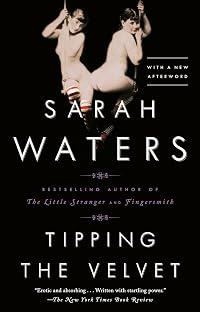
Tipping the Velvet
by Sarah Waters
On This Page
Description
Nan King, an oyster girl, is captivated by the music hall phenomenon Kitty Butler, a male impersonator extraordinaire treading the boards in Canterbury. Through a friend at the box office, Nan manages to visit all her shows and finally meet her heroine. Soon after, she becomes Kitty's dresser and the two head for the bright lights of Leicester Square where they begin a glittering career as music-hall stars in an all-singing and dancing double act. At the same time, behind closed doors, they show more admit their attraction to each other and their affair begins. show lessTags
Recommendations

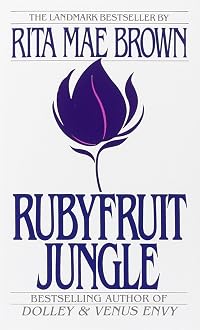
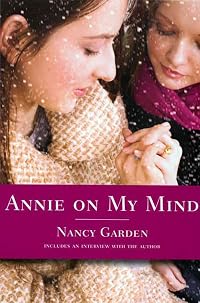

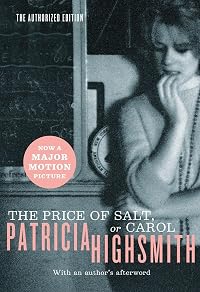
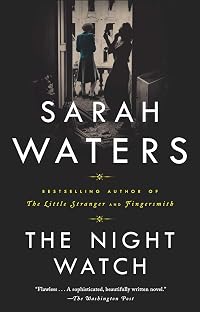
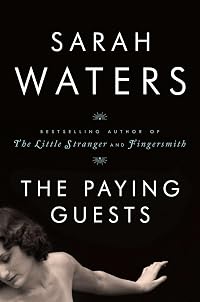
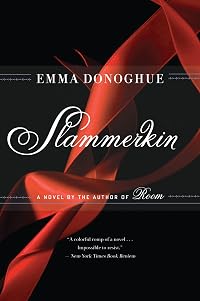
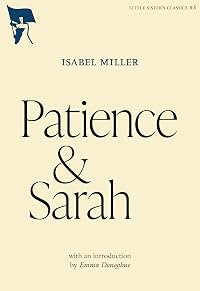

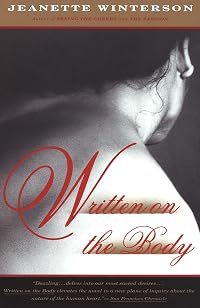

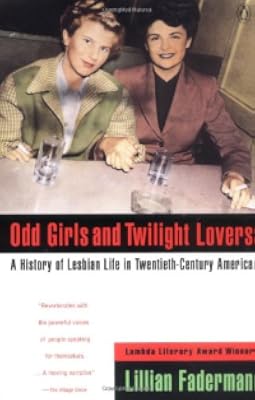
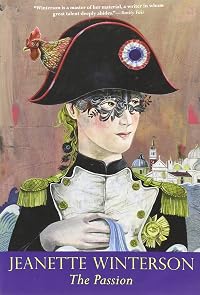

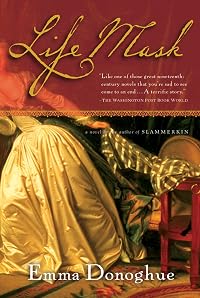

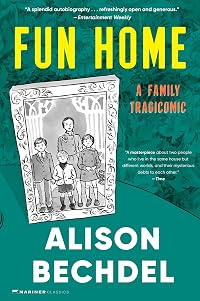
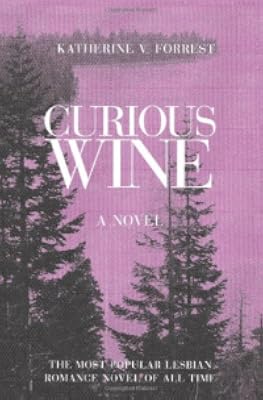
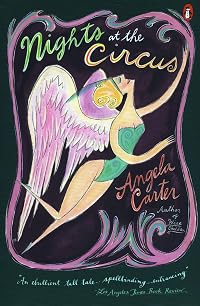
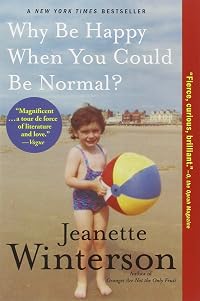
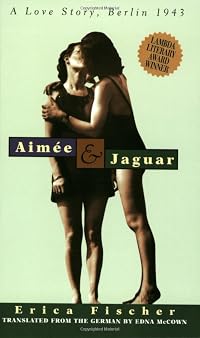










Member Recommendations

70

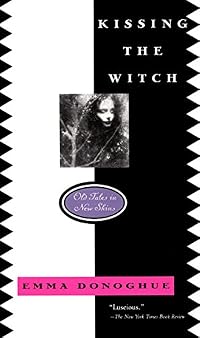
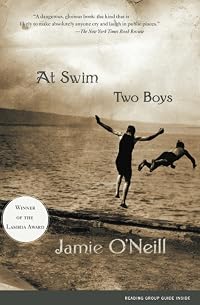
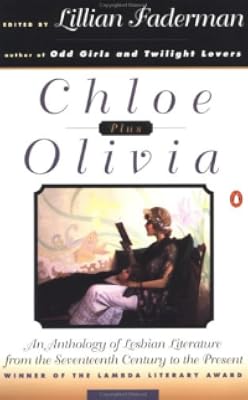
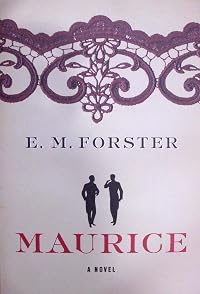
_debbie_ Both are (at least partially) historical novels with strong themes of identity, coming of age, and going against the mainstream to stay true to what you feel is right. Although one is set in Victorian England and the other isn't, they both have that same feel of rich language and descriptive place.
71


Member Reviews
I have seen this book regularly described as a "lesbian classic" and, having read it, would like to take issue with the appending of "lesbian" to that phrase. This book is a big, bawdy, history-soaked classic - to try and put it into a sub-genre of classic lit does it a disservice. It belongs front and centre in the 'classic' pile!
Waters has crafted a perfect window into a period of time, from rich descriptions of oystersellers and music halls to the beautifully wrought recreation of the lesbian sub-culture of the upper classes, alive again in these pages, to the passion and dedication of the social activists and the squalour and poverty of those they were charged to protect. She has great immediacy of description - the music halls come show more alive as vibrant, hot, buzzing places of entertainment. Her description of their scent was magnificent - reminiscent of the unique smell of English pubs that wafts doorwards from the shabbier establishments in the central London sidestreets of the present day - with a smattering of the odours of Victorian England thrown into the ephemeral mix.
This is a first person narrative and I'm always wary of these because so much is reliant on the author's ability to create a believable character that the reader can empathise with. Waters does an admirable job with Nan, who is far from flawless and at times even callous and selfish, but who I liked throughout - her imperfections making her more real, her reactions more natural. It is through her eyes that we are taken on a journey through Victorian England.
Much is made of the lesbian theme of the novel, but what is often overlooked is that this is a great character novel and Nan typifies this. Her relationship with Kitty and the changes it undergoes show the development of Nan as an individual. From the outset, it seems that Nan is more willing to embrace her own sexuality than Kitty. Early on Walters describes Nan's feelings of being 'bound and fettered','chained and muzzled and blinkered' by her inability to publicly display the affection she demonstrates for Kitty in private. Kitty comes across as an ambitious user from the beginning. What is interesting about the dynamic of their relationship is how it seems to undergo a transition of emotional dominance, despite the fact that Nan is controlled by her love for Kitty. Initially it is Kitty that seems worldly and superior, but as the relationship develops, Nan becomes more self-assured and comfortable with her own sexuality (although she sees it more specifically as her love for Kitty alone). I believe this is because, for Nan, Kitty's approval is most important. For Kitty, on the other hand, it is society's approval that matters most. Could Nan be described as naive here? Possibly so, but in that naivety, Nan shows how simple it should be. Is it right to be critical of that naivety, to think she should be more jaded? I prefer to be critical of a society that required her to be more jaded in order to be realistic. The reader can feel nothing but sympathy for Nan as she has to face the fact that her sister Alice loves her more for who she wants her to be than for the person Nan is.
There are themes which resonate whichever time and place you live in. The sense that change and novelty in your life often distances you from the important people in your past. This is epitomised by the painful description of Nan's visit home from London. Nan's real love for Kitty and the abandonment and betrayal she experiences when Kitty makes a choice that doesn't include her leave her so broken that she eschews any real affection she is offered by those around her. It's painfully ironic that, destroyed and bitter as she is, she finds no sympathy for her male patrons who use her services as a renter. Her entry into the profession, born of the hatred raised in her by Walter, left her with no empathy for the men forced into the hidden underworld of London, much as she had been. In the end, she commits herself to a loveless arrangement with an older woman, based on pure hedonism and ultimate self-objectification.
Throughout this novel, Nan is 'owned' in some way - by Kitty (emotionally), by Diana (physically), by her own anger and hatred - and as I read, I found I was itching for her to find her own path and free herself from the physical and emotional bondage imposed on her. It is as if she is a work-in-progress and experiences a lifetime's education in a few short years. I was struck by the sense of homecoming there was when Nan found the society of the women in "The Boy in the Boat". I was rooting for her to win this time! The Boy is a direct contrast to the Felicity Place society. Nan has passed full circle to come home. She began as a naive girl and passed through the opposite extreme of debauched hedonism to finally find a home among people who are warm, realistic and good, not unlike her family in Whitstable. In the final pages, when all of the elements of Nan's past come together at the political rally, we see the culmination of that experience in the new Nan - comfortable with herself, confident enough to truly love again. I found myself wanting to cheer out loud for Nan and Flo and hoped that the time had come for them to be happy.
A great book for the long winter evenings. Close the door, take the phone off the hook and settle down in your favourite chair - you'll find it impossible to put down and you'll have to drag yourself back from the dingy streets of Victorian England. show less
Waters has crafted a perfect window into a period of time, from rich descriptions of oystersellers and music halls to the beautifully wrought recreation of the lesbian sub-culture of the upper classes, alive again in these pages, to the passion and dedication of the social activists and the squalour and poverty of those they were charged to protect. She has great immediacy of description - the music halls come show more alive as vibrant, hot, buzzing places of entertainment. Her description of their scent was magnificent - reminiscent of the unique smell of English pubs that wafts doorwards from the shabbier establishments in the central London sidestreets of the present day - with a smattering of the odours of Victorian England thrown into the ephemeral mix.
This is a first person narrative and I'm always wary of these because so much is reliant on the author's ability to create a believable character that the reader can empathise with. Waters does an admirable job with Nan, who is far from flawless and at times even callous and selfish, but who I liked throughout - her imperfections making her more real, her reactions more natural. It is through her eyes that we are taken on a journey through Victorian England.
Much is made of the lesbian theme of the novel, but what is often overlooked is that this is a great character novel and Nan typifies this. Her relationship with Kitty and the changes it undergoes show the development of Nan as an individual. From the outset, it seems that Nan is more willing to embrace her own sexuality than Kitty. Early on Walters describes Nan's feelings of being 'bound and fettered','chained and muzzled and blinkered' by her inability to publicly display the affection she demonstrates for Kitty in private. Kitty comes across as an ambitious user from the beginning. What is interesting about the dynamic of their relationship is how it seems to undergo a transition of emotional dominance, despite the fact that Nan is controlled by her love for Kitty. Initially it is Kitty that seems worldly and superior, but as the relationship develops, Nan becomes more self-assured and comfortable with her own sexuality (although she sees it more specifically as her love for Kitty alone). I believe this is because, for Nan, Kitty's approval is most important. For Kitty, on the other hand, it is society's approval that matters most. Could Nan be described as naive here? Possibly so, but in that naivety, Nan shows how simple it should be. Is it right to be critical of that naivety, to think she should be more jaded? I prefer to be critical of a society that required her to be more jaded in order to be realistic. The reader can feel nothing but sympathy for Nan as she has to face the fact that her sister Alice loves her more for who she wants her to be than for the person Nan is.
There are themes which resonate whichever time and place you live in. The sense that change and novelty in your life often distances you from the important people in your past. This is epitomised by the painful description of Nan's visit home from London. Nan's real love for Kitty and the abandonment and betrayal she experiences when Kitty makes a choice that doesn't include her leave her so broken that she eschews any real affection she is offered by those around her. It's painfully ironic that, destroyed and bitter as she is, she finds no sympathy for her male patrons who use her services as a renter. Her entry into the profession, born of the hatred raised in her by Walter, left her with no empathy for the men forced into the hidden underworld of London, much as she had been. In the end, she commits herself to a loveless arrangement with an older woman, based on pure hedonism and ultimate self-objectification.
Throughout this novel, Nan is 'owned' in some way - by Kitty (emotionally), by Diana (physically), by her own anger and hatred - and as I read, I found I was itching for her to find her own path and free herself from the physical and emotional bondage imposed on her. It is as if she is a work-in-progress and experiences a lifetime's education in a few short years. I was struck by the sense of homecoming there was when Nan found the society of the women in "The Boy in the Boat". I was rooting for her to win this time! The Boy is a direct contrast to the Felicity Place society. Nan has passed full circle to come home. She began as a naive girl and passed through the opposite extreme of debauched hedonism to finally find a home among people who are warm, realistic and good, not unlike her family in Whitstable. In the final pages, when all of the elements of Nan's past come together at the political rally, we see the culmination of that experience in the new Nan - comfortable with herself, confident enough to truly love again. I found myself wanting to cheer out loud for Nan and Flo and hoped that the time had come for them to be happy.
A great book for the long winter evenings. Close the door, take the phone off the hook and settle down in your favourite chair - you'll find it impossible to put down and you'll have to drag yourself back from the dingy streets of Victorian England. show less
"Being in love, you know......it's not like having a canary, in a cage. When you lose one sweetheart, you can't just go out and get another to replace her."
'Tipping the Velvet' is a coming of age novel that follows the life of Nancy Astley, a young oyster girl living in Whitstable with her family who enjoys trips to the local music hall. When one night Nancy sees Kitty Butler, a male impersonator, perform, she falls hard for her. So when Kitty invites Nancy to join her in London as her personal dresser, Nancy quickly accepts. For a while, the two live an idyllic life but when Kitty betrays her, Nancy descends into the seedy underworld of London lesbians and the budding Socialist movement. It’s a journey that ultimately brings Nancy show more out of other people’s shadows and into her own spotlight.
There is a lot of sex in this novel. Nancy is a very sexual woman and her time with Diana, a woman who has hired her as a sort of in-house prostitute, is particularly explicit but Waters succeeds in never making it feel too gratuitous.
There are echoes of Charles Dickens about this novel and like him Waters brings Victorian London to life, as both a boy and a woman. We visit the heights of elegance and the depths of poverty but more impressively Waters explores differing aspects of Victorian womanhood; the rich but abusive Diana, the socialist Florence to the various women that Nancy encounters along the way. In fact there are only three male characters who have any real bearing on the story.
Waters also explores the spectrum of female homosexuality. Kitty is a fiercely closeted woman who marries a man just to prove that she’s not some “tom”, a Victorian slur for a lesbian. Alice, Nancy's sister, is disgusted that Nancy is in love another woman and disowns her, Diana and her circle of friends seem to view their homosexuality as a sort of refined choice, rather than a state of being. When Nancy finally finds true love, it’s with Florence, a woman who is comfortable with her identity as a lesbian.
Yes, it's very sexual and I must admit that there were a few occasions when I would have liked to have seen it toned down a little, but Nancy is a likeable character and the story, as it explores what it means to be a woman, especially a gay woman, during the Victorian age, is very well written. As a first novel it's quite a feat. show less
'Tipping the Velvet' is a coming of age novel that follows the life of Nancy Astley, a young oyster girl living in Whitstable with her family who enjoys trips to the local music hall. When one night Nancy sees Kitty Butler, a male impersonator, perform, she falls hard for her. So when Kitty invites Nancy to join her in London as her personal dresser, Nancy quickly accepts. For a while, the two live an idyllic life but when Kitty betrays her, Nancy descends into the seedy underworld of London lesbians and the budding Socialist movement. It’s a journey that ultimately brings Nancy show more out of other people’s shadows and into her own spotlight.
There is a lot of sex in this novel. Nancy is a very sexual woman and her time with Diana, a woman who has hired her as a sort of in-house prostitute, is particularly explicit but Waters succeeds in never making it feel too gratuitous.
There are echoes of Charles Dickens about this novel and like him Waters brings Victorian London to life, as both a boy and a woman. We visit the heights of elegance and the depths of poverty but more impressively Waters explores differing aspects of Victorian womanhood; the rich but abusive Diana, the socialist Florence to the various women that Nancy encounters along the way. In fact there are only three male characters who have any real bearing on the story.
Waters also explores the spectrum of female homosexuality. Kitty is a fiercely closeted woman who marries a man just to prove that she’s not some “tom”, a Victorian slur for a lesbian. Alice, Nancy's sister, is disgusted that Nancy is in love another woman and disowns her, Diana and her circle of friends seem to view their homosexuality as a sort of refined choice, rather than a state of being. When Nancy finally finds true love, it’s with Florence, a woman who is comfortable with her identity as a lesbian.
Yes, it's very sexual and I must admit that there were a few occasions when I would have liked to have seen it toned down a little, but Nancy is a likeable character and the story, as it explores what it means to be a woman, especially a gay woman, during the Victorian age, is very well written. As a first novel it's quite a feat. show less
One of the more infuriating developments in the past few years is the insistence by those who claim to be feminists that if a politician is female, you must vote for her, even if you loathe her policies and feel that her only beliefs are whatever the latest polls say will give her victory. On the literary front, if an author is female, you must read her and like her; if the author is a lesbian, her books are gold. The fact of the matter is that most politicians, whether male or female, are unequal to the office to which they aspire, and most authors, regardless of gender, write mediocre works at best. Sadly, this seems to be especially true of the lesbian literature I’ve read.
However, Tipping the Velvet is most definitely an show more exception. It’s a great lesbian coming-out story with a terrific setting in late 19th century Victorian England; in addition to a general historical background in London, it is a remarkable, fascinating look at lesbian life in that time and place. This book has it all—a good fast-paced story line that is almost picaresque in nature, fascinating history, well-developed characters, and a fine writing style that serves the story beautifully. The book is unabashedly erotic and perfectly integrated into the story line; the love stories are classics in anyone’s terms It’s been touted as a lesbian classic, and I agree.
The life of near turn-of-the-century London is absorbing; Waters’ descriptions of the music hall environment and the lives of the entertainers, the “gay” (prostitution, both male and female) life, the amazingly lively and varied lesbian subculture in an era that was overall quite hostile, and brief look at the socialist movement of the time are all fascinating.
Highly recommended. show less
However, Tipping the Velvet is most definitely an show more exception. It’s a great lesbian coming-out story with a terrific setting in late 19th century Victorian England; in addition to a general historical background in London, it is a remarkable, fascinating look at lesbian life in that time and place. This book has it all—a good fast-paced story line that is almost picaresque in nature, fascinating history, well-developed characters, and a fine writing style that serves the story beautifully. The book is unabashedly erotic and perfectly integrated into the story line; the love stories are classics in anyone’s terms It’s been touted as a lesbian classic, and I agree.
The life of near turn-of-the-century London is absorbing; Waters’ descriptions of the music hall environment and the lives of the entertainers, the “gay” (prostitution, both male and female) life, the amazingly lively and varied lesbian subculture in an era that was overall quite hostile, and brief look at the socialist movement of the time are all fascinating.
Highly recommended. show less
This was a very different sort of historical fiction than I’m used to and I liked it all the better for it. It’s finely written with an ear to character voice and the time period, but it’s plain-spoken, not overwrought, and Nancy doesn’t spend a lot of time on details that don’t matter to the story. It’s enough to know she’s walking a foggy street. She doesn’t mention the muck or the smell or who she’s walking past. Waters has clearly done all the research, but she doesn’t care if you know it, and I wish more people followed her lead.
I also really liked seeing queer Victorian London, and that Waters wove the story to take us through all its facets without making it heavy-handed. I liked that this was a very positive show more queer London too! That yes, there were homophobes and bad situations and people who take advantage of others, but at the same time, the message is that queer people have always been, they’ve always found ways to exist in society, that they’ve always found acceptance and family and each other, and that the struggles queer people face now were faced in the past and if they succeeded, we can too. (Or at least, that’s what I took away from it.) Even if it’s not 100% in the historical record, it’s 100% believable and nice to see.
Nancy’s an interesting person too, with a wide-eyed but knowing way of looking at the world, and I enjoyed following her through her story and growth, even through the parts I knew weren’t going to end well. I was at least as caught up in what happened to her as I was seeing Victorian London in all its queerness. She’s real, and her partners are real, and everyone else is believable, and as fleshed out as they need to be for their roles in the story. There were some other elements of her narration that I also liked, but I think to mention them here would spoil the effect.
I also enjoyed all the little moments where Waters puns on “queer” and where she peppers historical queer people and literature into the background. There’s a library at one point where every author is gay, and I think there’s mention of “poor Oscar” at one point without context, that kind of thing.
I wasn’t sucked into the story to the point of needing to go back to the book as soon as possible, which is one of the bars I have for what is a great read, but this was solidly good and I absolutely plan to read more of Waters’ books in the future. She’s got a great style, and there’s definitely a reason this one in particular keeps getting talked about.
To bear in mind: Contains homelessness, poverty, unequal and abusive relationships, internal and external homophobia, historical slurs including towards a Black man, attempted and actual sexual assault. Survival sex work, if that’s going to bring back bad memories. Some pretty explicit sex scenes, if you’re reading in public.
7.5/10 show less
I also really liked seeing queer Victorian London, and that Waters wove the story to take us through all its facets without making it heavy-handed. I liked that this was a very positive show more queer London too! That yes, there were homophobes and bad situations and people who take advantage of others, but at the same time, the message is that queer people have always been, they’ve always found ways to exist in society, that they’ve always found acceptance and family and each other, and that the struggles queer people face now were faced in the past and if they succeeded, we can too. (Or at least, that’s what I took away from it.) Even if it’s not 100% in the historical record, it’s 100% believable and nice to see.
Nancy’s an interesting person too, with a wide-eyed but knowing way of looking at the world, and I enjoyed following her through her story and growth, even through the parts I knew weren’t going to end well. I was at least as caught up in what happened to her as I was seeing Victorian London in all its queerness. She’s real, and her partners are real, and everyone else is believable, and as fleshed out as they need to be for their roles in the story. There were some other elements of her narration that I also liked, but I think to mention them here would spoil the effect.
I also enjoyed all the little moments where Waters puns on “queer” and where she peppers historical queer people and literature into the background. There’s a library at one point where every author is gay, and I think there’s mention of “poor Oscar” at one point without context, that kind of thing.
I wasn’t sucked into the story to the point of needing to go back to the book as soon as possible, which is one of the bars I have for what is a great read, but this was solidly good and I absolutely plan to read more of Waters’ books in the future. She’s got a great style, and there’s definitely a reason this one in particular keeps getting talked about.
To bear in mind: Contains homelessness, poverty, unequal and abusive relationships, internal and external homophobia, historical slurs including towards a Black man, attempted and actual sexual assault. Survival sex work, if that’s going to bring back bad memories. Some pretty explicit sex scenes, if you’re reading in public.
7.5/10 show less
Nan King, nee Nancy Astley; Kitty Butler, Diana Lethaby, Zena Blake---you've never met Victorians like these before. An utterly absorbing, entertaining and enlightening, erotic romp through a segment of London society that "Mrs. Brown" probably never dreamed of. This book has been hailed as "the lesbian novel we've all been waiting for". Well, like most labels, that characterization leaves out all the best parts. Yes, it's about lesbians, but in the opinion of one reader (me) who hadn't really been waiting for any lesbian novel at all, it is what all successful novels are---a damned good story, with interesting characters inhabiting a world I don't live in. And if you can read the first 50 pages or so without craving oysters for show more breakfast, dinner & tea, you have no soul. I hope Sarah Waters lives a long, long time, and writes many more books. show less
I had heard such amazing things about Tipping The Velvet, but for some reason I kept putting off reading it. So, by the time I actually got around to reading it I was afraid that I had built it up too much in mind my, and that I was about to be thoroughly disappointed. I've never been so happy to be wrong. Tipping The Velvet was wonderful. Waters has a way of writing characters and their emotions so that I feel like I'm right there, suffering when they suffer, head over heels when they fall in love. There may have been times when I wanted to reach in and slap some sense into the characters, but that was only because they were so real.
This was a re-read... it was the first Waters novel I'd read, and I read it because I saw (and loved) the film. But elements of the film and the book were getting a bit confused in my head, plus I'd run out of books by Waters to read, so I thought I'd read this one again.
It's really an excellent book - it's both a convincing and touching narrative of a young woman's path to maturity and a true understanding of love, and an exciting tour through 19th-century London's demimonde. Erotic without being gratuitous, it's got scenes and characters that will stick with you for years.
It's really an excellent book - it's both a convincing and touching narrative of a young woman's path to maturity and a true understanding of love, and an exciting tour through 19th-century London's demimonde. Erotic without being gratuitous, it's got scenes and characters that will stick with you for years.
Members
- Recently Added By
Lists

1001 Books You Must Read Before You Die
1,448 works; 1,134 members

Best Historical Fiction
620 works; 261 members

Best Lesbian Fiction (And Narrative Non-Fiction)
155 works; 36 members

Female Author
1,234 works; 64 members

Historical Fiction
889 works; 91 members

Top Five Books of 2013
1,562 works; 721 members
Female Protagonist
1,056 works; 57 members

Best Feminist Literature
188 works; 26 members

20th Century Literature
1,161 works; 54 members

Best Books Set in London
157 works; 42 members

Picaresque Novels
22 works; 9 members

Top Five Books of 2017
757 works; 231 members

Best LGBT Fiction
144 works; 25 members
50 Books by Women Authors
50 works; 10 members
Literature About Women and Girls
394 works; 39 members

A Novel Cure
742 works; 23 members
Victorian Period
113 works; 10 members

Books Read in 2023
5,617 works; 146 members

Best books made into television
66 works; 4 members

Good LGBT fiction for LGBT folk and friends
551 works; 55 members

Historical Fiction Lovers
88 works; 4 members

Books Read in 2015
3,299 works; 129 members

Authors from Wales
7 works; 1 member
Books Read in 2016
4,666 works; 199 members
First Novels
373 works; 17 members

Girls Dressed as Boys
20 works; 4 members

Books I Own But Haven't Read
144 works; 2 members

Review 1
30 works; 1 member

BBC World Book Club
265 works; 5 members

Read in 2010
48 works; 1 member

Books We Resisted Reading
178 works; 110 members

Books Read in 2010
631 works; 11 members

Lesbian young adult fiction
50 works; 1 member

Books With Our Favorite First Lines
168 works; 104 members
Favorite Romance Fiction
247 works; 115 members

Books Read in 2021
5,361 works; 114 members

Retrospective of Historical Fiction
48 works; 7 members
Read These Too
458 works; 9 members

World Book Club (BBC World Service)
212 works; 1 member
Author Information

8+ Works 31,644 Members
Sarah Waters was born in Wales in 1966. She has a Ph.D. in English. She is the author of several books including Tipping the Velvet, Affinity, The Night Watch, and The Paying Guests. Fingersmith won the CWA Ellis Peters Dagger Award for Historical Crime Fiction and the South Bank Show Award for Literature. She has won a Betty Trask Award and the show more Somerset Maugham Award. In 2003, she was chosen as one of Granta's Best of Young British Novelists and was named Author of the Year by the British Book Awards, The Booksellers' Association and Waterstone's Booksellers. Several of her novels have been adapted for television. (Bowker Author Biography) show less
Some Editions
Awards and Honors
Awards
Distinctions
Work Relationships
Has the adaptation
Common Knowledge
- Canonical title
- Tipping the Velvet
- Original title
- Tipping the velvet
- Original publication date
- 1998-02-05
- People/Characters
- Nancy Astley; Kitty Butler; Diana Lethaby; Walter Bliss; Florence Banner; Ralph Banner (show all 14); Zena Blake; Mrs. Milne; Gracie Milne; Alice Astley; Davy Astley; Annie Page; Tony Reeves; Tricky Reeves
- Important places
- Whitstable, Kent, England, UK; London, England, UK; Canterbury, Kent, England, UK
- Related movies
- Tipping the Velvet (2002 | IMDb)
- First words
- Have you ever tasted a Whitstable oyster? If you have, you will remember it. Some quirk of the Kentish coastline makes Whitstable natives - as they are properly called - the largest and juiciest, the savouriest yet the subtle... (show all)st, oysters in the whole of England. -Chapter 1
- Quotations
- "Dreams," I said. He snapped his fingers. "The very stuff that stages are made of."
"In short, Nance, even was you going to the very devil himself, your mother and I would rather see you fly from us in joy, than stay with us in sorrow - and grow, maybe, to hate us, for keeping you from your fate." - Last words
- (Click to show. Warning: May contain spoilers.)From the speaker's tent there came a muffled cheer, and a rising ripple of applause.
- Publisher's editor
- Abbey, Sally
- Original language
- English
- Canonical DDC/MDS
- 823.914
- Canonical LCC
- PR6073.A828
- Disambiguation notice
- Please do not combine Tipping the Velvet the novel with Tipping the Velvet the DVD.
Classifications
Statistics
- Members
- 5,547
- Popularity
- 2,401
- Reviews
- 157
- Rating
- (3.99)
- Languages
- 14 — Catalan, Czech, Dutch, English, French, German, Hungarian, Italian, Norwegian (Bokmål), Norwegian, Polish, Portuguese, Spanish, Swedish
- Media
- Paper, Audiobook, Ebook
- ISBNs
- 54
- ASINs
- 21