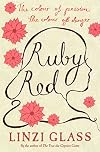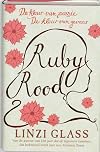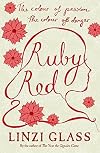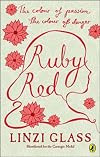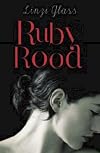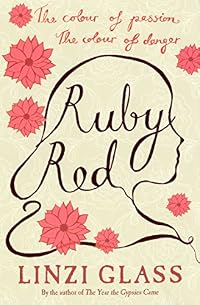
Ruby Red
by Linzi Glass
On This Page
Description
In Ruby Winters' world, colour opens some doors and slams others shut. Her opulent Johannesburg neighbourhood is a far cry from the streets of Soweto where anger and hatred simmer under the surface. Ruby can't resist the blue-eyed Afrikaans boy who brings her the exciting rush of first love, but whose presence brings hushed whispers and disapproving glances. She might not see race, colour or creed - but it seems everybody else does. For Ruby, making some choices means letting others go, and show more as the darkness begins to descend, she must find a way to follow a brighter path . . . This dazzling novel will entrance teenage and adult readers alike. show lessTags
Recommendations










Member Reviews
Glass’s novel for teenage girls takes place in 1976 Johannesburg in the time leading up to the Soweto uprising, in which black children came together to protest being instructed in Afrikaans, the language of their Dutch colonialist oppressors. It’s the story of 17-year-old Ruby Winters and her parents, progressive anti-apartheid activists who have hosted African National Congress meetings in their luxurious home. David, Ruby’s father, is a lawyer known to take on cases in which the human rights of blacks have been violated. Her mother, Annabel, owns an art gallery and is a champion of emerging black artists from the townships.
As the story opens, Julian, a particularly promising young visual artist from Soweto committed to show more representing the hardship and endurance of his people, moves in with the Winters. He’s been viciously attacked and slashed by thugs from his own community who are resentful of his success. Ruby forms a friendship with this young man and for a while the reader suspects that the novel will be their love story. No. In fact, Ruby is only a sort of muse to him.
Ultimately, however, this novel does turn into a teenage love story—not quite a 70s version of Romeo and Juliet, but with echoes of that drama. Ruby falls for Johannes, the handsome rugby captain at a rival private school where children of the wealthy Afrikaner minority are educated. The relationship is intense and challenging. When Ruby brings Johannes as her guest to the annual dance at her high school, violence breaks out. Glass shows that racial and ethnic tensions in Johannesberg run deep, not just between blacks and whites but also between those of Anglo and Boer ancestry. Ruby, to this point a popular straight-A student who has served as a school prefect, becomes a social pariah. Her life is turned upside down. Meanwhile her parents are under intensified police surveillance for consorting with blacks. The exhibition of Julian’s work at Annabel’s gallery may not be able to take place, and Ruby’s father’s life is threatened..
Glass has the bare bones of a good story here. It’s how she fleshes those bones out—her writing—that is problematic. The author appears never to have met an adjective or adverb that she didn’t like. She is particularly preoccupied with the colour and style of clothes and furniture. Some of the similes she provides are absurd. There’s a great deal of lofty language and many melodramatic moments in this novel. Ruby is an idealized protagonist whose heart bleeds for the suffering of others. She’s the only student at her school noble enough to acknowledge the humanity of the school’s hardworking Xhosa gardener, for example. Oh, and did I mention that she is also absolutely beautiful?
I wish editors had worked to curb the excesses in Glass’s overwrought prose. This book had potential, but I’m afraid the writing is often distractingly overblown. Having said this, I do believe some teenage girls would be engrossed by Ruby’s story, and Glass does manage to communicate a lot of valuable information about life in South Africa during the 1970s. show less
As the story opens, Julian, a particularly promising young visual artist from Soweto committed to show more representing the hardship and endurance of his people, moves in with the Winters. He’s been viciously attacked and slashed by thugs from his own community who are resentful of his success. Ruby forms a friendship with this young man and for a while the reader suspects that the novel will be their love story. No. In fact, Ruby is only a sort of muse to him.
Ultimately, however, this novel does turn into a teenage love story—not quite a 70s version of Romeo and Juliet, but with echoes of that drama. Ruby falls for Johannes, the handsome rugby captain at a rival private school where children of the wealthy Afrikaner minority are educated. The relationship is intense and challenging. When Ruby brings Johannes as her guest to the annual dance at her high school, violence breaks out. Glass shows that racial and ethnic tensions in Johannesberg run deep, not just between blacks and whites but also between those of Anglo and Boer ancestry. Ruby, to this point a popular straight-A student who has served as a school prefect, becomes a social pariah. Her life is turned upside down. Meanwhile her parents are under intensified police surveillance for consorting with blacks. The exhibition of Julian’s work at Annabel’s gallery may not be able to take place, and Ruby’s father’s life is threatened..
Glass has the bare bones of a good story here. It’s how she fleshes those bones out—her writing—that is problematic. The author appears never to have met an adjective or adverb that she didn’t like. She is particularly preoccupied with the colour and style of clothes and furniture. Some of the similes she provides are absurd. There’s a great deal of lofty language and many melodramatic moments in this novel. Ruby is an idealized protagonist whose heart bleeds for the suffering of others. She’s the only student at her school noble enough to acknowledge the humanity of the school’s hardworking Xhosa gardener, for example. Oh, and did I mention that she is also absolutely beautiful?
I wish editors had worked to curb the excesses in Glass’s overwrought prose. This book had potential, but I’m afraid the writing is often distractingly overblown. Having said this, I do believe some teenage girls would be engrossed by Ruby’s story, and Glass does manage to communicate a lot of valuable information about life in South Africa during the 1970s. show less
"Ruby Red" was quite a page-turner and a great read.
Ratings
Members
- Recently Added By
Author Information
3 Works 535 Members
Awards and Honors
Awards
Common Knowledge
- Original publication date
- 2007-07
- People/Characters
- Ruby Winters
- Important places
- Johannesburg, South Africa
- Important events
- Soweto riots 1976
- Epigraph
- 'Art is the blood of a nation. Stop the arteries and the heart will die' - Linda Givon, owner of the Goodman Gallery, Johannesburg/Cape Town, South Africa
- Dedication
- This book is dedicated to thirteen-year-old Hector Pieterson, the first child killed on 16 June 1976, and to all the children who lost their lives in the Soweto riots.
This book is dedicated to thirteen-year-old Hector Pieterson, the first child to be killed on 16 June 1976, and to all the children who lost their lives during the Soweto riots. - First words
- I remember the first time I heard my mother mention Julian Mambasa.
- Last words
- (Click to show. Warning: May contain spoilers.)"Look, Julian," I whispered, "I have brought you with me to freedom."
Classifications
Statistics
- Members
- 113
- Popularity
- 286,904
- Reviews
- 2
- Rating
- (3.63)
- Languages
- Dutch, English, German, Swedish
- Media
- Paper, Ebook
- ISBNs
- 11
- ASINs
- 1