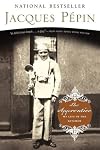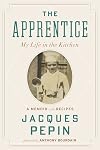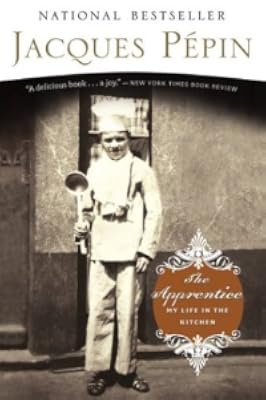
The Apprentice: My Life in the Kitchen
by Jacques Pépin
On This Page
Description
In this captivating memoir, the man whom Julia Child has called "the best chef in America" tells the story of his rise from a frightened apprentice in an exacting Old World kitchen to an Emmy Awardwinning superstar who taught millions of Americans how to cook and shaped the nation's tastes in the bargain. We see young Jacques as a homesick six-year-old boy in war-ravaged France, working on a farm in exchange for food, dodging bombs, and bearing witness as German soldiers capture his father, show more a fighter in the Resistance. Soon Jacques is caught up in the hurly-burly action of his mother's café, where he proves a natural. He endures a literal trial by fire and works his way up the ladder in the feudal system of France's most famous restaurant, finally becoming Charles de Gaulle's personal chef, watching the world being refashioned from the other side of the kitchen door. When he comes to America, Jacques immediately falls in with a small group of as-yet-unknown food lovers, including Craig Claiborne, James Beard, and Julia Child, whose adventures redefine American food. Through it all, Jacques proves himself to be a master of the American art of reinvention: earning a graduate degree from Columbia University, turning down a job as John F. Kennedy's chef to work at Howard Johnson's, and, after a near-fatal car accident, switching careers once again to become a charismatic leader in the revolution that changed the way Americans approached food. Included as well are approximately forty all-time favorite recipes created during the course of a career spanning nearly half a century, from his mother's utterly simple cheese soufflé to his wife's pork ribs and red beans. The Apprentice is the poignant and sometimes funny tale of a boy's coming of age. Beyond that, it is the story of America's culinary awakening and the transformation of food from an afterthought to a national preoccupation. show lessTags
Recommendations






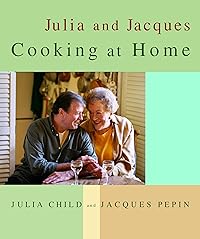
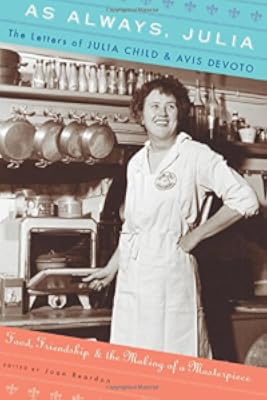
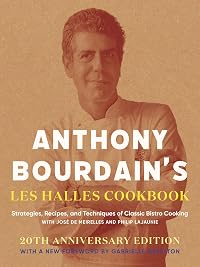
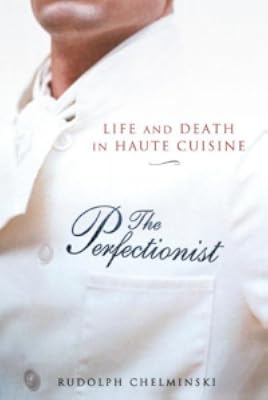








Member Recommendations
Member Reviews
Ah, this is a keeper! A memoir full of interesting bits of history (it begins with his childhood during WWII in France), lots of food stories and insights into the people who played a role in his life and career. Reading this felt like sitting around a table after dinner with a glass of wine and reminiscing with an old friend. He was not shy of telling some unflattering tales, but also not focused on them. Learning about what it took to become a chef, and how it has changed, along with how cooking has changed, was absorbing. In addition to all of that, he includes a recipe at the end of each chapter, his charming sepia ink drawings, and some great photos.
This is one of the most engaging memoirs I have read in a long time. I didn’t know anything about Jacques Pepin’s personal life, his childhood or training in the culinary industry. After reading this book I know so much about him and enjoyed each and every chapter. The funniest story, ok it was a little gross too, was about the calf’s heads. Actually there were many amusing stories in this book so it’s hard to pick just one.
Sometimes memoirs can be dry, a bit on the boring side. Not this one. I found myself reading some passages aloud to my husband.
As a child he worked in his mother’s restaurants and loved the hectic pace. His younger brother Bichon was the same way while older brother Roland felt it was slavery. As Jacques show more moved to an apprentice position in his first real job you learned how the new kid was “initiated” by running a fool’s errand for the chef.
He was sent off to a neighboring restaurant to get a heavy kitchen appliance where it had supposedly been loaned. Oh no, they had loaned it to another restaurant and so, off he ran. He was sent on to other places until he secured the item, making his way back across the village with a heavy load strapped to his back. It was just a load of bricks but it showed the drive and initiative of the young apprentice.
As he gained more experience he moved to larger restaurants and more responsibility. Learning to cook by observing and making a dish over and over and over was the teaching method. No recipes, no measurements.
The most surprising thing to me was he was in on the ground floor of Howard Johnson’s restaurants learning to reproduce good quality food that would be consistent in any of the HJ restaurants. He turned down a chance to work as a white house chef under the Kennedy administration to pursue his initial (American) career at HoJos. The standards were higher back then and you didn’t get sub-quality foods. That changed over the years, particularly after Howard Deering Johnson died. Subsequent owners concerned themselves with cutting costs at the expensive of good dining.
Reading about the differences in French and American cultures as seen through young Pepin’s eyes was interesting. Can you imagine being mocked for asking a question in a college class?
That was another good chapter where Pepin saw a startling difference between the two nations. Showing up for a dinner and patiently awaiting the bread and wine to arrive, only to realize the American hosts were tucking into their roast beef, potatoes and carrots without a thought of wine. Many more examples are detailed and I don’t want to ruin some of these stories for anyone who has not read the book.
You’ll meet Pierre Franey, Craig Claiborne and Julia Child in this book and hear of their good times and business involvements. You’ll learn about hunting wild mushrooms, his military service, working for de Gaulle and his first experiences arriving in America.
Recipes follow each chapter so there are many to select and drool over. French cooking doesn’t have to be complicated. Any of the French cookbooks I own call for absolute simplicity and this is what Pepin delivers.
Semi-Dry Tomatoes and Mozzarella Salad
1 ½ pounds plum tomatoes (about 6) cut lengthwise into halves
¾ teaspoon salt
10 ounces mozzarella cheese, cut into ½ inch slices
2 tablespoons drained capers
½ teaspoon ground pepper
1 teaspoon chopped garlic
3 tablespoons extra-virgin olive oil
½ teaspoon grated lemon rind
About 1 cup loose basil leaves
Method
Preheat oven to 250 F. Line a cookie sheet with foil. Arrange tomato halves cut side up on the sheet and sprinkle ½ teaspoon of the salt on top. Bake 4 hours. For a shortcut you can heat the oven up to 400 F and put the tomatoes in then turn off the oven. I do this as an overnight method sometimes.
Now remove tomatoes from the oven and place in a serving bowl. Let them cool then add mozzarella, capers, remaining salt, pepper, garlic, olive oil and lemon rind. Mix gently to combine.
Drop basil leaves into boiling water and cook about 10 seconds. Drain and cool under cold running water. Press basil between your palms to remove most of the water, then chop finely. Add to salad and toss well.
Let’s have a toast to Jacques Pepin! show less
Sometimes memoirs can be dry, a bit on the boring side. Not this one. I found myself reading some passages aloud to my husband.
As a child he worked in his mother’s restaurants and loved the hectic pace. His younger brother Bichon was the same way while older brother Roland felt it was slavery. As Jacques show more moved to an apprentice position in his first real job you learned how the new kid was “initiated” by running a fool’s errand for the chef.
He was sent off to a neighboring restaurant to get a heavy kitchen appliance where it had supposedly been loaned. Oh no, they had loaned it to another restaurant and so, off he ran. He was sent on to other places until he secured the item, making his way back across the village with a heavy load strapped to his back. It was just a load of bricks but it showed the drive and initiative of the young apprentice.
As he gained more experience he moved to larger restaurants and more responsibility. Learning to cook by observing and making a dish over and over and over was the teaching method. No recipes, no measurements.
The most surprising thing to me was he was in on the ground floor of Howard Johnson’s restaurants learning to reproduce good quality food that would be consistent in any of the HJ restaurants. He turned down a chance to work as a white house chef under the Kennedy administration to pursue his initial (American) career at HoJos. The standards were higher back then and you didn’t get sub-quality foods. That changed over the years, particularly after Howard Deering Johnson died. Subsequent owners concerned themselves with cutting costs at the expensive of good dining.
Reading about the differences in French and American cultures as seen through young Pepin’s eyes was interesting. Can you imagine being mocked for asking a question in a college class?
That was another good chapter where Pepin saw a startling difference between the two nations. Showing up for a dinner and patiently awaiting the bread and wine to arrive, only to realize the American hosts were tucking into their roast beef, potatoes and carrots without a thought of wine. Many more examples are detailed and I don’t want to ruin some of these stories for anyone who has not read the book.
You’ll meet Pierre Franey, Craig Claiborne and Julia Child in this book and hear of their good times and business involvements. You’ll learn about hunting wild mushrooms, his military service, working for de Gaulle and his first experiences arriving in America.
Recipes follow each chapter so there are many to select and drool over. French cooking doesn’t have to be complicated. Any of the French cookbooks I own call for absolute simplicity and this is what Pepin delivers.
Semi-Dry Tomatoes and Mozzarella Salad
1 ½ pounds plum tomatoes (about 6) cut lengthwise into halves
¾ teaspoon salt
10 ounces mozzarella cheese, cut into ½ inch slices
2 tablespoons drained capers
½ teaspoon ground pepper
1 teaspoon chopped garlic
3 tablespoons extra-virgin olive oil
½ teaspoon grated lemon rind
About 1 cup loose basil leaves
Method
Preheat oven to 250 F. Line a cookie sheet with foil. Arrange tomato halves cut side up on the sheet and sprinkle ½ teaspoon of the salt on top. Bake 4 hours. For a shortcut you can heat the oven up to 400 F and put the tomatoes in then turn off the oven. I do this as an overnight method sometimes.
Now remove tomatoes from the oven and place in a serving bowl. Let them cool then add mozzarella, capers, remaining salt, pepper, garlic, olive oil and lemon rind. Mix gently to combine.
Drop basil leaves into boiling water and cook about 10 seconds. Drain and cool under cold running water. Press basil between your palms to remove most of the water, then chop finely. Add to salad and toss well.
Let’s have a toast to Jacques Pepin! show less
An enjoyable memoir which carries the feel of Pepin sitting down and telling you the many tales of his long and colorful life, ripe with countless descriptions of the many foods he made (and ate) along the way. In doing so, the book peels back the evolution of food in Pepin's life, from rustic French country cuisine, to the rigidity of the French restaurant brigades, to the relative informality of American cuisine and his experiences beyond those worlds. Every chapter ends with a related recipe, a fun little nugget to reset before reading about his next set of adventures.
A couple of minor quibbles, however. First, while the descriptions of the food are usually wonderful, there are times these descriptions overpower the story being told, show more causing the book to occasionally lose focus. Second, there are several serious moments in the story which had the potential to be a little something more, but lacked a bit of oomph to really bring a meaningful impact. It might be a byproduct of Pepin's relentless optimism, implicitly demonstrating the variable trait of learning to move on without dwelling on past tragedy. show less
A couple of minor quibbles, however. First, while the descriptions of the food are usually wonderful, there are times these descriptions overpower the story being told, show more causing the book to occasionally lose focus. Second, there are several serious moments in the story which had the potential to be a little something more, but lacked a bit of oomph to really bring a meaningful impact. It might be a byproduct of Pepin's relentless optimism, implicitly demonstrating the variable trait of learning to move on without dwelling on past tragedy. show less
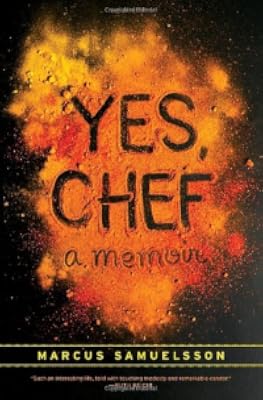
My family doctor saw me reading _Yes, Chef_, and she suggested this book to me. I enjoyed the stories of Pepin's early years. It was also interesting to see how his path differed from that of Samuelsson, the subject of _Yes, Chef_. What was similar was the influence of many different cuisines to the two chefs' styles and the importance of food in tradition and binding people together.
A great book by a great culinary figure, Pepin's memoirs are as amusing and engaging as any of his shows or cookbooks. Jacques is one of the last members of the old guard, those professionally apprenticed chefs who climbed their way up from the scullery to the toque. Reading about his early life and his apprenticeship, the amusing mistakes and awesome triumphs in his career lets us peek into a method and era that really doesn't exist anymore in the kitchen. Though some restaurants and culinary schools have "apprentice" programs that seek to combine classroom and professional kitchen (we have 2 apprentices at the moment), it's a far cry from the cheerful tortures and bonding that happen in Pepin's experiences (though we do try our best, show more especially on the torture part!).
Eminently readable, always amusing and surprisingly humble, THE APPRENTICE is a must read for any cook who wants to understand the history behind la methode. show less
Eminently readable, always amusing and surprisingly humble, THE APPRENTICE is a must read for any cook who wants to understand the history behind la methode. show less
One does get the feeling that, unlike many celebrity authors, Pépin actually did sit down and work very hard at writing this memoir himself. There are some little quirks in his mode of expression which, if you've seen his many television series, identify his warm, individual voice. The book is a lush and generous revelation of Pépin's lifelong relationship with all things gastronomical; some of the tales are not for the strict vegetarian or the faint-hearted. The detail he's able to generate when describing meals he made as a very young man is indeed impressive. Tremendously readable, unpretentious, humorous, brisk, and full of a deep, deep love of food and all the other human pleasures that come along with it.
Quick, highly enjoyable read by a modest man who had an extraordinary life. His descriptions of his childhood in France are enlightening; his commentary on what has become of food (and foodies) in America is prescient. Appeared to be a very honest account of his experience.
Members
- Recently Added By
Lists

Best "Foodie" Books
114 works; 40 members

Food Memoirs
97 works; 9 members

A Smorgasbord of Culinary Fiction
221 works; 94 members
Author Information

55+ Works 6,313 Members
He served as the personal chef to Charles de Gualle. He earned his degrees in 18th-century French literature at Columbia University. He lives in Madison, Connecticut. (Publisher Provided) Jacques Pépin (born December 18, 1935) is an internationally recognized French chef, television personality, and author working in the United States. Since the show more late 1980s, he has appeared on French and American television and written an array of cookbooks that have become bestsellers. (Bowker Author Biography) show less
Some Editions
Awards and Honors
Common Knowledge
- Canonical title
- The Apprentice: My Life in the Kitchen
- People/Characters
- Jacques Pepin
- Dedication
- I dedicate this book to my two brothers, Roland and Bichon, whose love of good food, of wine, of family, and especially of life is reflected in this book. They departed too early but will always be part of my life.
- First words
- My mother made it sound like a great adventure.
- Last words
- (Click to show. Warning: May contain spoilers.)"I'm not sure whether I enjoyed catching those fish or cooking them more," he said. I felt the same way.
- Blurbers
- Bourdain, Anthony
Classifications
- Genres
- Biography & Memoir, Nonfiction, Food & Cooking, General Nonfiction
- DDC/MDS
- 641.5092 — Applied science & technology Home economics & family management Food, Cooking & Recipes / Meals, Picnics Cooking; cookbooks > Biography And History Biography
- LCC
- TX649 .P47 .A3 — Technology Home economics Home economics Cooking
- BISAC
Statistics
- Members
- 908
- Popularity
- 29,744
- Reviews
- 23
- Rating
- (4.03)
- Languages
- English, Hungarian
- Media
- Paper, Audiobook, Ebook
- ISBNs
- 10
- UPCs
- 4
- ASINs
- 9