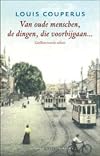
Old People and the Things That Pass
by Louis Couperus
On This Page
Description
This is a reproduction of a book published before 1923. This book may have occasional imperfections such as missing or blurred pages, poor pictures, errant marks, etc. that were either part of the original artifact, or were introduced by the scanning process. We believe this work is culturally important, and despite the imperfections, have elected to bring it back into print as part of our continuing commitment to the preservation of printed works worldwide. We appreciate your understanding show more of the imperfections in the preservation process, and hope you enjoy this valuable book. ++++ The below data was compiled from various identification fields in the bibliographic record of this title. This data is provided as an additional tool in helping to ensure edition identification: ++++ Old People And The Things That Pass Louis Couperus Dodd, Mead and company, 1918 Fiction; Psychological; Fiction / Psychological show lessTags
Recommendations





Member Reviews
Couperus is an important Dutch author, and this book is a Dutch classic. It features a large Dutch family with elders who had previously lived in the Dutch East Indies. The matriarch, Grandmama, is 97, and is visited daily by a friend from her time in the East Indies, Takma, who is also in his 90’s. Together, they harbor a deep, dark, and violent secret from their time in the Indies 60 years previously.
As the book opens, Takma’s granddaughter Ellie has just agreed to marry Lot, son of Grandmama’s youngest daughter Ottilie, who is on her third marriage, an unhappy one to a man named Steyn. Grandmama’s family is large, and there are close to a dozen other main characters in her children and their spouses (the aunts and uncles), show more and all the children of the aunts and uncles.
Grandmama and Takma have lived with their secret (“the Thing”) all these years, believing that no one else knows. Over the course of the book, we come to know that this belief is mistaken. Other people know, and as events transpire, more and more people learn the secret. By the end of the book, just about everyone knows, although just about everyone thinks no one else knows.
Couperus cleverly plays with constantly shifting points of view, which he does quite successfully. I enjoyed this book, although I found the writing a bit overwrought at times. Recommended.
3 1/2 stars show less
As the book opens, Takma’s granddaughter Ellie has just agreed to marry Lot, son of Grandmama’s youngest daughter Ottilie, who is on her third marriage, an unhappy one to a man named Steyn. Grandmama’s family is large, and there are close to a dozen other main characters in her children and their spouses (the aunts and uncles), show more and all the children of the aunts and uncles.
Grandmama and Takma have lived with their secret (“the Thing”) all these years, believing that no one else knows. Over the course of the book, we come to know that this belief is mistaken. Other people know, and as events transpire, more and more people learn the secret. By the end of the book, just about everyone knows, although just about everyone thinks no one else knows.
Couperus cleverly plays with constantly shifting points of view, which he does quite successfully. I enjoyed this book, although I found the writing a bit overwrought at times. Recommended.
3 1/2 stars show less
Sixty years ago, Uncle Harold saw something nasty in the pasangrahan...
The central idea of this novel - a family with a very unpleasant secret from the past coming back to haunt it - should be a dreadful cliché (as the afterword in my copy points out, the crime at the centre of the story is lifted directly from Zola), but Couperus is clever and subtle enough to carry it off. He uses the hidden scandal to give a focus to a complicated, multiple point-of-view account of the relationships in an extended family. Everyone in the story has their own agenda, and there's a fair amount of deceit and hypocrisy to be dug out from under the bourgeois respectability of The Hague ca. 1900.
Couperus puts the norms and values of society into question show more in a way that a British or American writer of the same period probably couldn't have got away with. You can see why Arnold Bennett was such a fan. Marriage and parent-child relationships, in particular, take a few hard knocks under this penetrating examination. There's something you could call a "gay subtext" if you wanted to, but you probably need to know something about Couperus to be prompted to look for it; you could also argue plausibly that there's a fairly strong misogynistic element in the book, so it's maybe better not to stress the gender-politics too much.
As the title suggests, old age is an important theme in the book: we see the ways various characters deal with being old, or (especially the quasi-autobiographical character, Lot) with the prospect of getting older. There's not much serenity about: old age for most of them is the time when they finally have to start facing up to the mistakes they've made in life. Those who seek religious consolation are clutching at straws: the rest are as scared of death as they are of staying alive.
Difficulties of communication are also very important to the story: we slowly build up to an absurd situation where almost all the main characters know the "secret", but none of them know which others know it. Couperus is primarily writing in a realist style, but there are strong hints of modernism too.
Although the themes are rather negative, I didn't find this a depressing book to read. There's plenty of wit and irony to help you distance yourself from the characters. I'm not really qualified to judge Dutch literary style, but I found it very elegant, light and easy to read, despite the inevitable difficulties of a text written in a language that has changed quite a lot in the last century. show less
The central idea of this novel - a family with a very unpleasant secret from the past coming back to haunt it - should be a dreadful cliché (as the afterword in my copy points out, the crime at the centre of the story is lifted directly from Zola), but Couperus is clever and subtle enough to carry it off. He uses the hidden scandal to give a focus to a complicated, multiple point-of-view account of the relationships in an extended family. Everyone in the story has their own agenda, and there's a fair amount of deceit and hypocrisy to be dug out from under the bourgeois respectability of The Hague ca. 1900.
Couperus puts the norms and values of society into question show more in a way that a British or American writer of the same period probably couldn't have got away with. You can see why Arnold Bennett was such a fan. Marriage and parent-child relationships, in particular, take a few hard knocks under this penetrating examination. There's something you could call a "gay subtext" if you wanted to, but you probably need to know something about Couperus to be prompted to look for it; you could also argue plausibly that there's a fairly strong misogynistic element in the book, so it's maybe better not to stress the gender-politics too much.
As the title suggests, old age is an important theme in the book: we see the ways various characters deal with being old, or (especially the quasi-autobiographical character, Lot) with the prospect of getting older. There's not much serenity about: old age for most of them is the time when they finally have to start facing up to the mistakes they've made in life. Those who seek religious consolation are clutching at straws: the rest are as scared of death as they are of staying alive.
Difficulties of communication are also very important to the story: we slowly build up to an absurd situation where almost all the main characters know the "secret", but none of them know which others know it. Couperus is primarily writing in a realist style, but there are strong hints of modernism too.
Although the themes are rather negative, I didn't find this a depressing book to read. There's plenty of wit and irony to help you distance yourself from the characters. I'm not really qualified to judge Dutch literary style, but I found it very elegant, light and easy to read, despite the inevitable difficulties of a text written in a language that has changed quite a lot in the last century. show less
Volgens het uitvoerige wetenschappelijke commentaar achteraan in deze editie is 'Van oude menschen' Couperus' meest geslaagde roman. Persoonlijk vond ik zijn debuut 'Eline Vere' nog stukken beter, al moet ik toegeven dat 'Van oude menschen' meesterlijk in elkaar zit en wellicht een betere structuur en spanningsboog heeft dan 'Eline Vere'. Het verhaal gaat over een familie van over het algemeen oude en heel oude mensen, over hun ouderdom en over een verschrikkelijk geheim dat hen aan elkaar bindt. Hoewel het in de eerste plaats een sfeer-roman is, wordt het bij momenten ook wel een beetje spannend: zal het geheim geopenbaard worden, wie komt het allemaal te weten?
Mij deed het geheel ook denken aan een klassieke Griekse tragedie, waarbij show more het Noodlot de personages blijft achtervolgen. De centrale figuur waaraan het verhaal wordt opgehangen heet dan ook Lot (van Charlot, zijn officiële naam is Charles). De straf voor de afschuwelijke daad van de grootouders is in de eerste plaats wroeging, maar ook hun kinderen en kleinkinderen worden op een bepaalde manier gestraft, zijn vervloekt. Bij Couperus is de misdaad eerder het gevolg van de, blijkbaar genetisch overdraagbare, hysterie die in de familie heerst.
Voor wie ervan houdt zit het boek vol literaire fijnzinnigheden en truukjes: steeds herhaalde beschrijvingen, handelingen, werkwoorden, die haast als (alweer!) klassieke epitheta functioneren; een cyclische structuur; variaties op hetzelfde thema (de beide godsdienstwaanzinnige tantes, de ene Calvinistisch, de andere Rooms) enzovoort.
En dan is er de prachtige taal van Couperus, vol neologismen en ongebruikelijke stijlwendingen, heel erg impressionistisch soms, en het karakteristieke gebruik van ritmerende lettertekens. Oprecht leesgenot! show less
Mij deed het geheel ook denken aan een klassieke Griekse tragedie, waarbij show more het Noodlot de personages blijft achtervolgen. De centrale figuur waaraan het verhaal wordt opgehangen heet dan ook Lot (van Charlot, zijn officiële naam is Charles). De straf voor de afschuwelijke daad van de grootouders is in de eerste plaats wroeging, maar ook hun kinderen en kleinkinderen worden op een bepaalde manier gestraft, zijn vervloekt. Bij Couperus is de misdaad eerder het gevolg van de, blijkbaar genetisch overdraagbare, hysterie die in de familie heerst.
Voor wie ervan houdt zit het boek vol literaire fijnzinnigheden en truukjes: steeds herhaalde beschrijvingen, handelingen, werkwoorden, die haast als (alweer!) klassieke epitheta functioneren; een cyclische structuur; variaties op hetzelfde thema (de beide godsdienstwaanzinnige tantes, de ene Calvinistisch, de andere Rooms) enzovoort.
En dan is er de prachtige taal van Couperus, vol neologismen en ongebruikelijke stijlwendingen, heel erg impressionistisch soms, en het karakteristieke gebruik van ritmerende lettertekens. Oprecht leesgenot! show less
Moeilijk te lezen (oud taalgebruik, veel personages), maar toch een knap verhaal.
A literary crime book... Amazing how secrets come hunting the persons after many, many years...
Since this is an old time favorite, I just as well might send this one out in the Dutch version of the 'favorite book roundabout'. Have not decided yet.
Since this is an old time favorite, I just as well might send this one out in the Dutch version of the 'favorite book roundabout'. Have not decided yet.
Langzaam gang ze dood voor zij overlijden.
uitgeleend aan Adina Din (2 september 2022)
Members
- Recently Added By
Lists

Read the book and saw the movie
1,170 works; 192 members

Recommend the 20 best books you've read in the last five years
2,168 works; 603 members

Fiction Featuring Cranky, Eccentric Old Folks
80 works; 35 members

Hidden Classics
73 works; 15 members

Best family sagas
244 works; 34 members

the old and the restless
62 works; 14 members

Canon van de Nederlandse letterkunde
125 works; 5 members

Lamont's Hundred Best Novels (1947)
100 works; 4 members

Books Read in 2021
5,361 works; 114 members

School Made Us Read It
380 works; 196 members
Author Information

183+ Works 5,028 Members
Some Editions
Awards and Honors
Series
Belongs to Publisher Series
Work Relationships
Is contained in
Inspired
Has as a reference guide/companion
Common Knowledge
- Canonical title
- Old People and the Things That Pass
- Original title
- Van oude menschen, de dingen, die voorbijgaan...
- Original publication date
- 1906
- Important places
- The Hague, South Holland, Netherlands; The Netherlands; South Holland, Netherlands; Den Haag, Zuid-Holland, Nederland
- Related movies*
- Van oude mensen, de dingen die voorbij gaan (1975 | IMDb)
- First words*
- De diepe basstem van Steyn klonk in de vestibule.
- Last words*
- (Click to show. Warning: May contain spoilers.)Zijn blond en fijn gezicht boog zich over zijn papieren heen, en zo dicht bij de lamp was het zichtbaar, dat hij heel grijs werd aan de slapen.
- Original language*
- Nederlands
*Some information comes from Common Knowledge in other languages. Click "Edit" for more information.
Classifications
- Genres
- General Fiction, Fiction and Literature
- DDC/MDS
- 839.31362 — Literature & rhetoric German & related literatures Other Germanic literatures Netherlandish literatures Dutch Dutch fiction 20th Century 1900-1945
- LCC
- PT5825 .V3 — Language and Literature German, Dutch and Scandinavian literatures Dutch literature Individual authors or works 1800-1960
- BISAC
Statistics
- Members
- 534
- Popularity
- 56,130
- Reviews
- 16
- Rating
- (3.83)
- Languages
- Dutch, English
- Media
- Paper, Ebook
- ISBNs
- 41
- ASINs
- 5