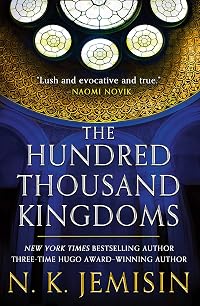
On This Page
Description
Yeine Darr is an outcast from the barbarian north. But when her mother dies under mysterious circumstances, she is summoned to the majestic city of Sky. There, to her shock, Yeine is named an heiress to the king. But the throne of the Hundred Thousand Kingdoms is not easily won, and Yeine is thrust into a vicious power struggle with cousins she never knew she had. As she fights for her life, she draws ever closer to the secrets of her mother's death and her family's bloody history.Tags
Recommendations
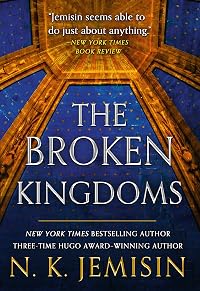
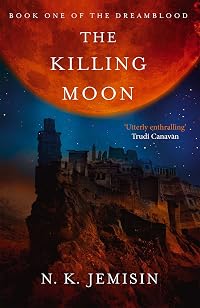
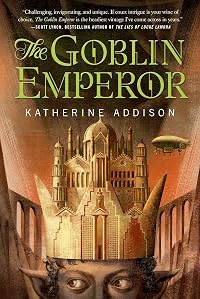
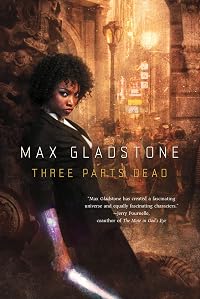

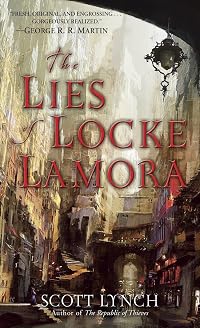
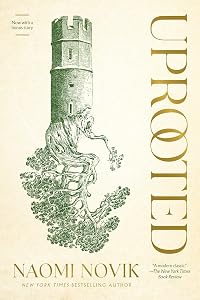
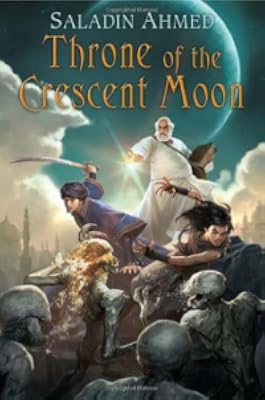
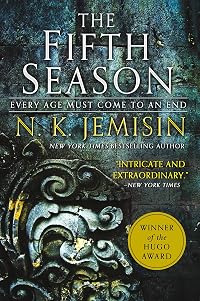
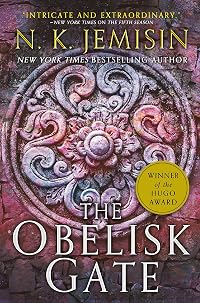
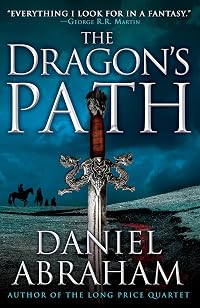
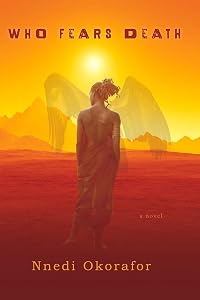
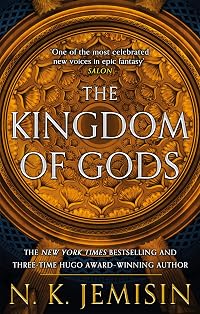
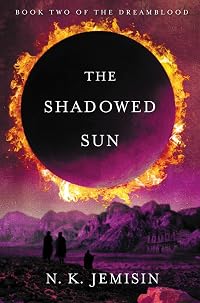
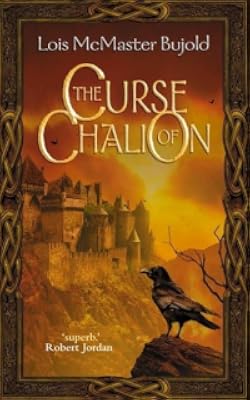
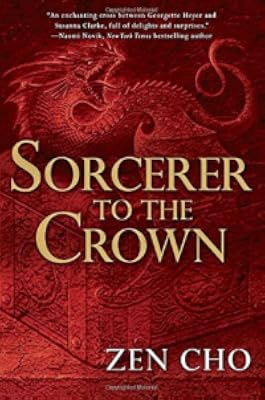
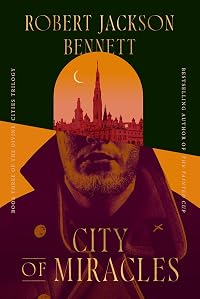
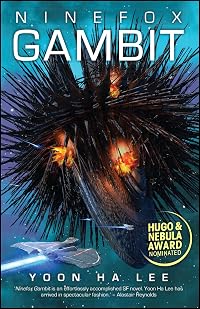
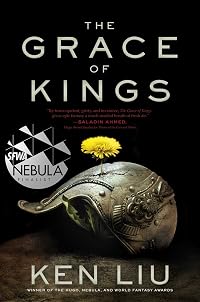
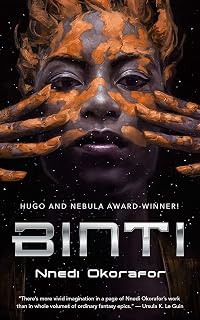
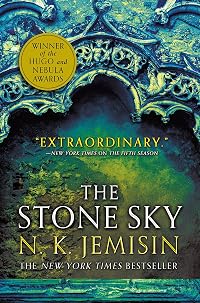
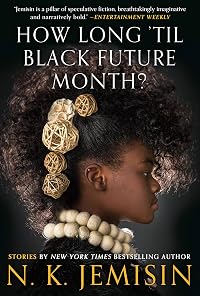
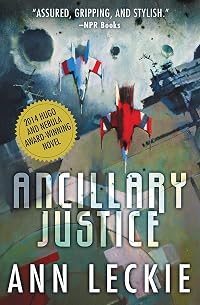
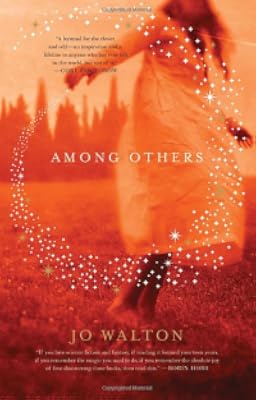



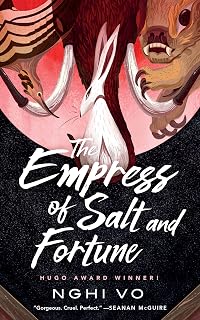
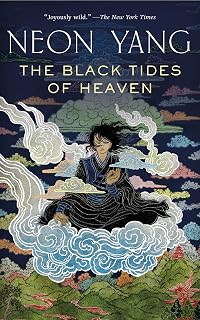
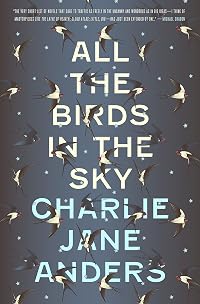
Member Recommendations
electronicmemory Who Fears Death is post-apocalyptic futuristic fantasy and The Hundred Thousand Kingdoms draws from classical sword and sorcery, but both are excellent novels about heroines who have found themselves beset and gifted (or possibly cursed) by powers beyond reckoning, while caught up in a political and supernatural power struggle that spans generations and eventually time itself.
70

souloftherose Both are epic fantasy novels featuring strong female characters and focusing on gods in the respective fantasy worlds and their interactions with humans
30

kaionvin Dueling gods, reincarnation, child-like characters, and a female protagonist who gets involved in it all.
10

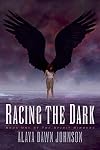
PhoenixFalls Another female protagonist dragged into the affairs of the gods in a non-white high fantasy setting.
21
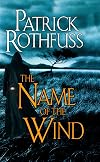
aulandez Both are strong first person narrated adventures of out-of-place heroes, and take familiar fantasy tropes and deconstruct them with intelligence and some wit.
21
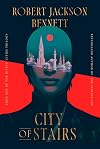
calmclam Similar themes of empire and colonialism as well as wars against/between the gods.
10
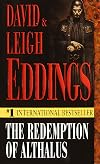
souloftherose Another epic fantasy tale featuring gods
Shrike58 The cost of the abuse of divine powers, political & social intrigue, and a sprawling setting.
11
Member Reviews
This was a very interesting book to read so soon after Neil Gaiman's American Gods. It certainly takes a different direction, but both have to do with gods interacting with humans and showing their all-too-human foibles.
My husband picked this one up for me after hearing it praised on NPR as a fantasy novel outside the boys' club tradition of the genre. I found the book an absolute pleasure to read. It's fantasy but with an almost sci-fi feel to it, as most of the action takes place in the palace where the main characters are all essentially imprisoned (to one degree or another). It put me in mind of the "trapped on a space ship" motif.
In some areas, I found the text to be a little repetitious (how many times do I need to read, in show more detail, about the shadows in Nahadoth's face?), but it was a smooth read despite these. I found it highly enjoyable to read Yeine's evolution. Surrounded by immortals for whom change occurs on the scale of eons, and a rigid, orderly society intent upon keeping things the same, the changes in Yeine are all the more striking.
Jemisin's world was vivid and clear in my mind. Unlike with many fantasy/sci-fi novels, I didn't find myself getting disoriented in an unfamiliar landscape, which I think speaks to her writing skill. I really appreciated that this was a fantasy novel in which women and people of color took a lead role and that was just the way of Jemisin's world. There was no beating the reader over the head, no "Look how cool! A culture of women warriors! Gods whose skin isn't pale!" It was just a good story and these were just the characters who populated it.
Oh, and without being lewd or clumsy, the steamy parts were oh-so-steamy! The close relationship between hatred and lust, control and the lack thereof, was quite effective.
This book kept me up past my bedtime and then made the kids and me late for our morning activities because I couldn't put the darned thing down, but it was worth it. I just wish the cover art on the paperback edition were a little less...I don't know, in line with the genre? I found myself feeling self-conscious reading it in public. Plus, Yeine had short hair. What's with the flowing locks? Unless that's supposed to be Nahadoth (in which case, what's he doing on the cover?) show less
My husband picked this one up for me after hearing it praised on NPR as a fantasy novel outside the boys' club tradition of the genre. I found the book an absolute pleasure to read. It's fantasy but with an almost sci-fi feel to it, as most of the action takes place in the palace where the main characters are all essentially imprisoned (to one degree or another). It put me in mind of the "trapped on a space ship" motif.
In some areas, I found the text to be a little repetitious (how many times do I need to read, in show more detail, about the shadows in Nahadoth's face?), but it was a smooth read despite these. I found it highly enjoyable to read Yeine's evolution. Surrounded by immortals for whom change occurs on the scale of eons, and a rigid, orderly society intent upon keeping things the same, the changes in Yeine are all the more striking.
Jemisin's world was vivid and clear in my mind. Unlike with many fantasy/sci-fi novels, I didn't find myself getting disoriented in an unfamiliar landscape, which I think speaks to her writing skill. I really appreciated that this was a fantasy novel in which women and people of color took a lead role and that was just the way of Jemisin's world. There was no beating the reader over the head, no "Look how cool! A culture of women warriors! Gods whose skin isn't pale!" It was just a good story and these were just the characters who populated it.
Oh, and without being lewd or clumsy, the steamy parts were oh-so-steamy! The close relationship between hatred and lust, control and the lack thereof, was quite effective.
This book kept me up past my bedtime and then made the kids and me late for our morning activities because I couldn't put the darned thing down, but it was worth it. I just wish the cover art on the paperback edition were a little less...I don't know, in line with the genre? I found myself feeling self-conscious reading it in public. Plus, Yeine had short hair. What's with the flowing locks? Unless that's supposed to be Nahadoth (in which case, what's he doing on the cover?) show less
When Yeine Darr's mother dies, she is called for an unexpected interview with her estranged maternal grandfather, the ruler of The Hundred Thousand Kingdoms. Under the guise of adopting her into the family, her grandfather's twisted family holds Yeine against her will in the city of Sky. Presumably, she is a third contender to take her grandfather's place as ruler--but what are his motivations for accepting her (as outcast) into the family? On top of that, Yeine is also being seduced by the charms of the "gods" of Sky...and one of them is the ultimate bad-boy. These gods have been treated as slaves by Yeine's family for two thousand years, and they want their own piece of Yeine's new life. Yeine must weave her way through a maze of show more deceit to decide who her allies are. I loved this book because I was in great need of some brain candy right about now. It's light, fun, fluffy...as long as you approach it like brain candy, you'll really love it. :) Despite it's fun fluffy nature, Jemisin manged to weave in messages about unbendingly dogmatic religions, slavery, women's rights, and abuse of power. These messages do not overpower the story, but they're there if you want to think about them. In my mind, this was a perfect mixture and just what I needed right now. :) show less
I read Jemisin's Broken Earth trilogy and really didn't enjoy them. However, I thought I'd give her another chance because I found The Hundred Thousand Kingdoms in a pile of free books at my apt complex.
I enjoyed this book. Again Jemisin's worldbuilding and characters are amazing. Her writing was more straightforward--I didn't find that she was trying to be clever or "writerly" so I could suspend my disbelief and get into the story.
I loved the religion she created. Law/Chaos/Balance. How the gods came to be and create the world and how they became enslaved by the humans they created.
Jemisin has recurring themes of slavery and oppression and emotionally aloof mothers.
In general, I do find her character to be flat, which is surprising show more since she writes in first person. One would think the POV character would be far more vibrant. The Nightlord was my favorite character. He was very nuanced, but the rest, not so much. Still I enjoyed this book far more than The Broken Earth.
I recommend this book if only for the religion she has created. show less
I enjoyed this book. Again Jemisin's worldbuilding and characters are amazing. Her writing was more straightforward--I didn't find that she was trying to be clever or "writerly" so I could suspend my disbelief and get into the story.
I loved the religion she created. Law/Chaos/Balance. How the gods came to be and create the world and how they became enslaved by the humans they created.
Jemisin has recurring themes of slavery and oppression and emotionally aloof mothers.
In general, I do find her character to be flat, which is surprising show more since she writes in first person. One would think the POV character would be far more vibrant. The Nightlord was my favorite character. He was very nuanced, but the rest, not so much. Still I enjoyed this book far more than The Broken Earth.
I recommend this book if only for the religion she has created. show less
The Hundred Thousand Kingdoms features a unique, compelling fantasy world that is an absolute pleasure to explore. The worldbuilding not only tackles issues of race and slavery in a thought-provoking manner, but also sets the stage for a cast of wonderfully complex characters. Indeed, the characters are the primary reason why I fell in love with this book. I grew extremely fond of Yeine, Nahadoth, and Sieh as well as Yeine’s unusual style of narration, which is interwoven with flashbacks and punctuated with thoughtful, ominous, sometimes vague asides. This somewhat clumsy, out-of-order method of storytelling only makes Yeine’s voice that much more engaging and believable. Even the antagonists and supporting characters (including show more Yeine’s dead mother, who isn’t even really in the story) are interesting and multilayered. Although the tone throughout most of the book is bleak and depressing, the twist ending is uplifting and definitely elevated my overall rating. In short, this is an impressive debut novel. I’m eager to read the second installment in the trilogy. show less
it really is nice to discover a new (to you, anyway) writer who has that mysterious, ineffable, unquantifiable quality of sheer readability, whose words and pages fly by smoothly and easily and almost without effort. Jemisin has that quality, for me anyway, and I suspect for others, too, as she is definitely a rising star in fantasy.
Our heroine, Yeine, is the leader of a minor country in the north, often derided as barabaric by the ruling Arameri. As it happens, Yeine's mother was an heiress of the ruling Lord of the Arameri, and upon her mysterious death, Yeine finds herself summoned to the city of Sky by her grandfather and named heir, competing for the most powerful title in the world with two cousins she has never met, but who are show more much more advanced in the game than she is.
What makes the Arameri so powerful are the gods they control, enslaved in human form but still immensely powerful and extremely dangerous. No-one can stand against them, and the rule of the Arameri is absolute, but the gods long for freedom, and poor doomed Yeine may offer them the means of acheiving it. Whatever happens, Yeine is not expected to survive.
Arrogant rulers, unfathomable deities in human form, ancient myths and vengeance new and old, ruthlessness and cruelty and extremely inadvisable passions: it's a fantastically well-told tale and an incredibly enjoyable read. show less
Our heroine, Yeine, is the leader of a minor country in the north, often derided as barabaric by the ruling Arameri. As it happens, Yeine's mother was an heiress of the ruling Lord of the Arameri, and upon her mysterious death, Yeine finds herself summoned to the city of Sky by her grandfather and named heir, competing for the most powerful title in the world with two cousins she has never met, but who are show more much more advanced in the game than she is.
What makes the Arameri so powerful are the gods they control, enslaved in human form but still immensely powerful and extremely dangerous. No-one can stand against them, and the rule of the Arameri is absolute, but the gods long for freedom, and poor doomed Yeine may offer them the means of acheiving it. Whatever happens, Yeine is not expected to survive.
Arrogant rulers, unfathomable deities in human form, ancient myths and vengeance new and old, ruthlessness and cruelty and extremely inadvisable passions: it's a fantastically well-told tale and an incredibly enjoyable read. show less
The Hundred Thousand Kingdoms is a million times awesome
Is that hyperbole? Is it exaggeration? Ok and yeah, it is. So what. I loved this book.
Le plot:
Yeine Darr is an outcast from the barbarian north. But when her mother dies under mysterious circumstances, she is summoned to the majestic city of Sky. There, to her shock, Yeine is named an heiress to the king. But the throne of the Hundred Thousand Kingdoms is not easily won, and Yeine is thrust into a vicious power struggle with a pair of cousins she never knew she had. As she fights for her life, she draws ever closer to the secrets of her mother’s death and her family’s bloody history.
Based on the blurb, I expected on of those “young girl with heretofore unappreciated show more skills/powers/whatever, gets caught up in political intrigue until magical interventions save the day” kinda books.
Instead, I found a romance novel.
Allow me to clarify before you sputter over bodice rippers. The best romance novels are about people. They are about the moments before, and after, and in-between— where we forge relationships, and draw conclusions, and make judgements, and find each other.
In The Hundred Thousand Kingdoms, N.K. Jemisin embraces all of these moments, and also finds a space for political intrigue, magic, gods… shit, whole worlds and eon-spanning mythologies! She doesn’t just build a world, she creates a damn universe! And then follows it through its past and present, coming finally to its future in Yeine. This one woman is at the center of everything and Jemisin manages to tell her personal story and also the everything. It’s an extraordinary tale of gods and mortals and the civilizations they build, and is also, quite simply and also, importantly, a love story.
Written in the first person, past tense, Jemisin displays remarkable skill in being able to both describe without info-dumping and plot without spoiling the suspense. Often, this kind of omniscient, interrupting narrator grates on me— “if only I knew then what I know now” is obnoxious for the reader who doesn’t want to know before the good stuff happens. Yeine’s voice, however, is great:
Uncertainly follows Yeine throughout the book, politics and powers swirling around her, but her voice is also a font of instability. Even as she re-tells her story from a future point, it’s all so muddled and unclear, the reader can’t quite trust her.
And the love story. I honestly did not know what to expect from the character of Nahadoth. He is both villain and hero. Tortured, insane, sly, crafty, I truly loved that how he loved was completely in line with who & what he is as a god. He wasn’t transformed by True Luuurve or the magical hoo-ha. He stayed just as insane and sly and tortured and villainous, while also loving powerfully and truly.
Could I criticize anything in this book? Sure. But I enjoyed reading it so much, I don’t want to. Nothing was that bad that it took away from the honest pleasure of the story.
Five of five stars for totally blowing my mind with the awesome. show less
Is that hyperbole? Is it exaggeration? Ok and yeah, it is. So what. I loved this book.
Le plot:
Yeine Darr is an outcast from the barbarian north. But when her mother dies under mysterious circumstances, she is summoned to the majestic city of Sky. There, to her shock, Yeine is named an heiress to the king. But the throne of the Hundred Thousand Kingdoms is not easily won, and Yeine is thrust into a vicious power struggle with a pair of cousins she never knew she had. As she fights for her life, she draws ever closer to the secrets of her mother’s death and her family’s bloody history.
Based on the blurb, I expected on of those “young girl with heretofore unappreciated show more skills/powers/whatever, gets caught up in political intrigue until magical interventions save the day” kinda books.
Instead, I found a romance novel.
Allow me to clarify before you sputter over bodice rippers. The best romance novels are about people. They are about the moments before, and after, and in-between— where we forge relationships, and draw conclusions, and make judgements, and find each other.
In The Hundred Thousand Kingdoms, N.K. Jemisin embraces all of these moments, and also finds a space for political intrigue, magic, gods… shit, whole worlds and eon-spanning mythologies! She doesn’t just build a world, she creates a damn universe! And then follows it through its past and present, coming finally to its future in Yeine. This one woman is at the center of everything and Jemisin manages to tell her personal story and also the everything. It’s an extraordinary tale of gods and mortals and the civilizations they build, and is also, quite simply and also, importantly, a love story.
Written in the first person, past tense, Jemisin displays remarkable skill in being able to both describe without info-dumping and plot without spoiling the suspense. Often, this kind of omniscient, interrupting narrator grates on me— “if only I knew then what I know now” is obnoxious for the reader who doesn’t want to know before the good stuff happens. Yeine’s voice, however, is great:
I am not as I once was. They have done this to me, broken me open and torn out my heart. I do not know who I am anymore.
I must try to remember.
Uncertainly follows Yeine throughout the book, politics and powers swirling around her, but her voice is also a font of instability. Even as she re-tells her story from a future point, it’s all so muddled and unclear, the reader can’t quite trust her.
And the love story. I honestly did not know what to expect from the character of Nahadoth. He is both villain and hero. Tortured, insane, sly, crafty, I truly loved that how he loved was completely in line with who & what he is as a god. He wasn’t transformed by True Luuurve or the magical hoo-ha. He stayed just as insane and sly and tortured and villainous, while also loving powerfully and truly.
Could I criticize anything in this book? Sure. But I enjoyed reading it so much, I don’t want to. Nothing was that bad that it took away from the honest pleasure of the story.
Five of five stars for totally blowing my mind with the awesome. show less
I read a post of someone recommending this author and, looking for something to read, I got the sample chapters from amazon.com for my kindle. I fell into this world so hard that I didn't think for even a second before clicking "purchase" so I didn't have to stop reading.
So why did I fall into this book? First, the writing. [a:N.K. Jemisin|2917917|N.K. Jemisin|http://photo.goodreads.com/authors/1243734625p2/2917917.jpg]'s writing is beautiful. She has a way of drawing you in, putting you right next to her heroine, Yeine Darr. She also created an amazingly fleshed-out world, with gods and rulers and races that are different but not lesser. I can't stress how much time and effort must have gone into world-building, and how that made the show more book so much more enjoyable to read.
There was something kind of wonderful about Yeine Darr. She was a barbarian, by the standards of the ruling people, a warrior, and she was ill-prepared for the political machinations of the court she found herself in. She was trapped in a mess not of her making with no way out. The amazing thing about Yeine was that she did give up, for a minute, for a day, but then she went forward anyway, not to win, but to choose her own manner of losing. I admired her for that. show less
So why did I fall into this book? First, the writing. [a:N.K. Jemisin|2917917|N.K. Jemisin|http://photo.goodreads.com/authors/1243734625p2/2917917.jpg]'s writing is beautiful. She has a way of drawing you in, putting you right next to her heroine, Yeine Darr. She also created an amazingly fleshed-out world, with gods and rulers and races that are different but not lesser. I can't stress how much time and effort must have gone into world-building, and how that made the show more book so much more enjoyable to read.
There was something kind of wonderful about Yeine Darr. She was a barbarian, by the standards of the ruling people, a warrior, and she was ill-prepared for the political machinations of the court she found herself in. She was trapped in a mess not of her making with no way out. The amazing thing about Yeine was that she did give up, for a minute, for a day, but then she went forward anyway, not to win, but to choose her own manner of losing. I admired her for that. show less
Members
- Recently Added By
Published Reviews
ThingScore 75
The Hundred Thousand Kingdoms definitely leaves me wanting more of this delightful new writer.
added by Jannes
Lists

Diversity in Fantasy and Science Fiction
219 works; 33 members

Epic fantasy by female authors
47 works; 7 members

Fantasy novels with a female protagonist
76 works; 15 members

Recommend the 20 best books you've read in the last five years
2,168 works; 606 members

ALA The Reading List
490 works; 28 members

Female Author
1,234 works; 67 members
Female Protagonist
1,056 works; 57 members

The 100 Best Fantasy Books of All Time
100 works; 15 members

Recommended Speculative Fiction by Women and People of Color
298 works; 45 members

Books featuring grandfathers
24 works; 3 members

Books Read in 2023
5,547 works; 145 members

BingoDOG - Books With Mythical Creatures
57 works; 16 members

al.vick-wishlist-scifi-fant
181 works; 2 members

SantaThing 2014 Gifts
299 works; 17 members

Books Read in 2024
4,623 works; 126 members

Black Authors
384 works; 32 members

Books With Numbers in the Title
308 works; 13 members

Books Read in 2021
5,361 works; 114 members

Black Women Writing Speculative Fiction
6 works; 1 member

Books Read in 2025
4,091 works; 97 members

16 Books About Gods and Mythology
16 works; 1 member

Books Read in 2019
4,052 works; 110 members

Unreliable Narrators
170 works; 43 members

mom
729 works; 1 member

Mythic Fantasy
2 works; 2 members

mediocre books by authors i otherwise adore
10 works; 1 member

Fantasy by Women Who Broke Away from Europe
144 works; 12 members

Speculative Fiction: The Award Winners
27 works; 6 members

Expand Your Reading Demographics!
47 works; 15 members

BingoDOG 2015 Challenge
49 works; 3 members

Books Read in 2015
3,299 works; 129 members

Best African and African diaspora books
111 works; 4 members

Houses and Buildings as Characters in Fiction
182 works; 29 members

Books Read in 2014
2,343 works; 89 members

io9 Book Club
70 works; 4 members

Books Read in 2026
1,961 works; 66 members
Author Information

68+ Works 45,584 Members
N. K. Jemisin is an American author and blogger, born in 1972, and based in Brooklyn, New York. She earned a B.S. in Psychology from Tulane University and her Masters of Education from the University of Maryland College Park. Her work includes numerous short stories, a novella, a triptych, The Inheritance trilogy, Dreamblood series, and The Broken show more Earth trilogy. The Fifth Season is a book in The Inheritance trilogy for which she won the 2016 Hugo Award for Best Novel. Her other awards include Romantic Times Reviewers' Choice, Fantasy (for The Shadowed Sun); Sense of Gender Award, 2011 (for The Hundred Thousand Kingdoms, Japanese version); Romantic Times Reviewers' Choice, Fantasy (for The Broken Kingdoms); and the Locus Award, 2010 (First Novel, for The Hundred Thousand Kingdoms). She won the 2017 Nebula Award and the 2018 Hugo Award, Best Novel category for The Stone Sky. (Bowker Author Biography) show less

N. K. Jemisin is a LibraryThing Author, an author who lists their personal library on LibraryThing.
Some Editions
Awards and Honors
Awards
Distinctions
Series

Work Relationships
Is contained in
Has as a commentary on the text
Common Knowledge
- Canonical title
- The Hundred Thousand Kingdoms
- Original publication date
- 2010-02-25
- People/Characters
- Yeine Darr; Dekarta Arameri; Scimina Arameri; Relad Arameri; Viraine Arameri; T'vril Arameri (show all 17); Ras Onchi; Nahadoth (God); Sieh (God); Zhakkarn (God); Kurue (God); Itempas (God); Enefa (God); Gemd; Kinneth Arameri; Shahar Arameri; Wohi Ubm
- Important places
- Sky, Senm, Arameri Empire; Darr, High North, Arameri Empire; Arrebaia, Darr, High North, Arameri Empire; Menchey, High North, Arameri Empire
- First words
- I am not as I once was. They have done this to me, broken me open and torn out my heart. I do not know who I am anymore.
I must try to remember.
-Chapter 1, Grandfather - Quotations
- The priests' lesson: beware the Nightlord, for his pleasure is a mortal's doom. My grandmother's lesson: beware love, especially with the wrong man.
- Last words
- (Click to show. Warning: May contain spoilers.)Of this tale, anyhow.
- Publisher's editor
- Pillai, Devi
- Original language
- English
- Canonical DDC/MDS
- 813.6
- Canonical LCC
- PS3610.E46
Classifications
Statistics
- Members
- 4,863
- Popularity
- 2,912
- Reviews
- 310
- Rating
- (3.89)
- Languages
- 8 — English, French, German, Italian, Polish, Spanish, Turkish, Portuguese (Portugal)
- Media
- Paper, Audiobook, Ebook
- ISBNs
- 32
- ASINs
- 18
