
Jasper Jones
by Craig Silvey
On This Page
Description
A 2012 Michael L. Printz Honor BookCharlie Bucktin, a bookish thirteen year old, is startled one summer night by an urgent knock on his bedroom window. His visitor is Jasper Jones, an outcast in their small mining town, and he has come to ask for Charlie's help. Terribly afraid but desperate to impress, Charlie follows him into the night.
Jasper takes him to his secret glade, where Charlie witnesses Jasper's horrible discovery. With his secret like a brick in his belly, Charlie is pushed show more and pulled by a town closing in on itself in fear and suspicion. He locks horns with his tempestuous mother, falls nervously in love, and battles to keep a lid on his zealous best friend. In the simmering summer where everything changes, Charlie learns why the truth of things is so hard to know, and even harder to hold in his heart. show less
Tags
Recommendations

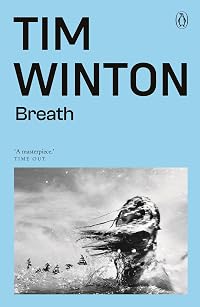

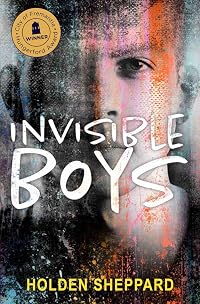

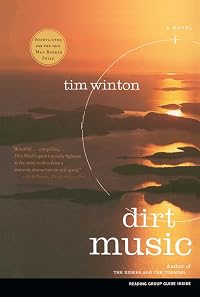
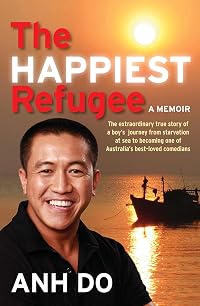


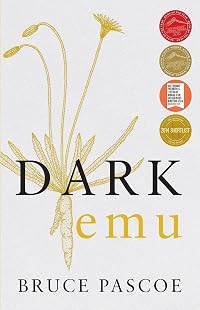
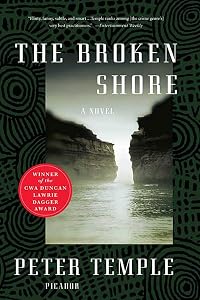

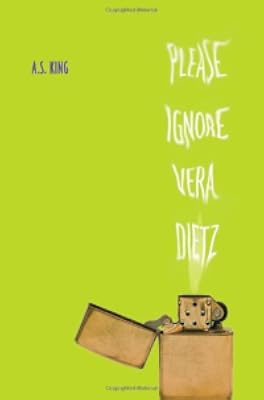

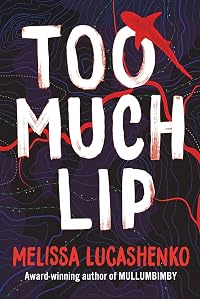
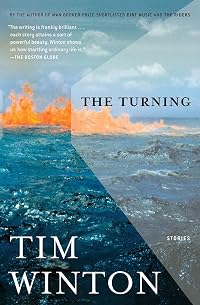
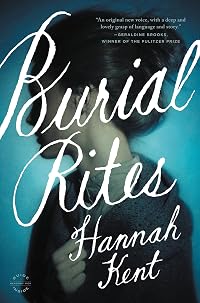
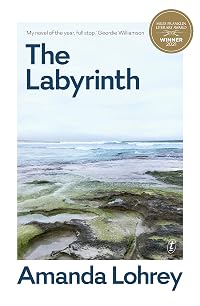

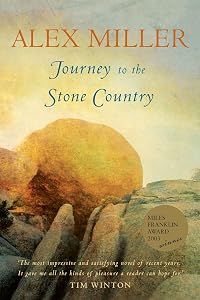
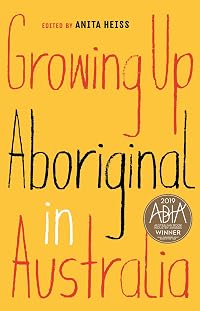


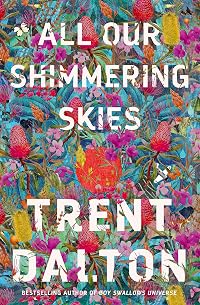

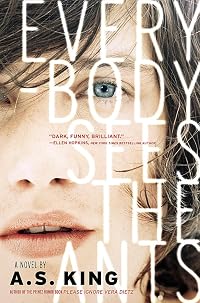

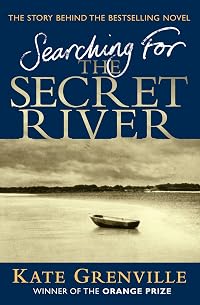
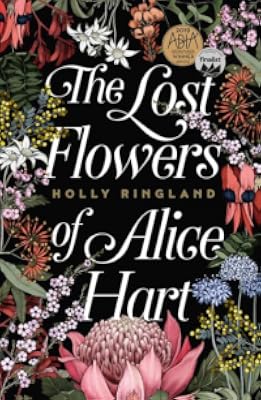

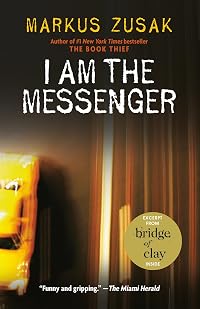
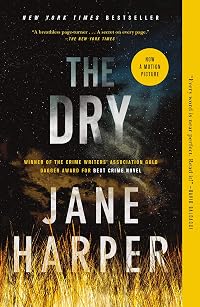


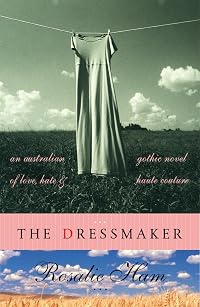
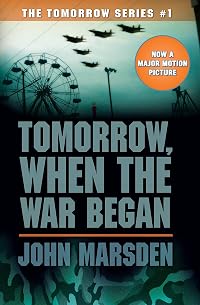


Member Recommendations
wookiebender I hadn't read "Huckleberry Finn" before, but read it straight after "Jasper Jones", and it's an obvious influence. It's also a great read.
20

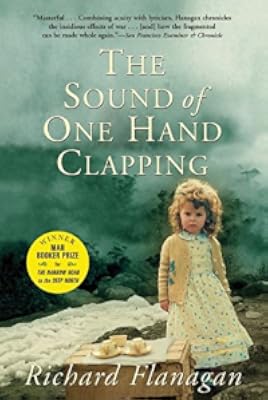
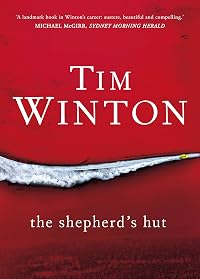
belindav An easily accessible, fresh and thought provoking second novel with the promise of other Western Australian authors Tim Winton and Robert Drewe.
cristina82 Si os gustó la nueva novela de Lindo, un relato emotivísimo sobre el aprendizaje, no dudéis en leer Jasper Jones, la primera entrega de la colección Biblioteca Furtiva, de la misma editorial que publica a Lindo, Seix Barral. Es una historia eterna sobre las primeras veces, sobre el empezar, el aprendre, el crecer. Vale la pena.
KimarieBee Australian author and storyline
bluenotebookonline Also Australian, also up for the Prinz, and also mesmerizing

by aliklein
Member Reviews
Jasper Jones is like Twin Peaks transplanted to 60s Australia. You know, if Lynch decided to tell a story in a straight line for once: The myth of small-town wholsomeness; the false facade of respectability; the tyranny of small miseries; the lies we tell our children; the lies we tell ourselves.
This book lays the hypocrisies of our world at our feet, and forces us to reckon with them. The concepts of the community, and of the family, are shown to be little more than comforting lies. We expect, and are raised to believe, that when the shit hits the fan, when things go wrong, our families, and our communities, will raise up to protect those that have been wronged, those that are in danger. To bring the perpetrators and outliers to show more account.
Instead, we see that the reality is altogether different. We as people are so often unable to overcome our biases, our fears, our grudges; each of us so caught up in our own private narratives, that objective truth, and objective justice, can do little more than cough as it's left in the dust of confabulation.
Once this book tears down society before our very eyes, exposes and lampoons its pretension and artifice, it starts to build us back up. We see the power and the autonomy of the individual, the truth and the good in people independent of the panicky-stupid whole. Single good acts, even from 'bad' people, can save the whole.
This then shows the inherent interconnectedness of a society. That while badness can propagate like a weed, so to can good. That every act reverberates, interacting in ways we could never predict with everyone around us. As much as society can be foul and profoundly sick, manipulated by the selfish and greedy, it can, and does, go the other way.
So what then are we left with?
While the presence of a teenage protagonist, with folksy name and geeky foundations, may ring YA alarm bells in a reader's head, Charlie serves as a vital means of experiencing this contortion of society.
Adolescence is the time where we first realise that the way we view the world is only as true as what we've been told. It is through Charlie's eyes that we see the often stark difference between what is said and what is done, between what is told and what is true. If Charlie was a 34-year-old real estate agent, there would have had to have been a 50 page War and Peace-esque philosophical exposition to explain the lens through which we're supposed to be viewing the prose.
Most importantly, while there's depth and meaning and commentary, Jasper Jones (the book, not just the character) pulls you in like a good novel should. I missed train stops, skipped doing the washing, and messaging people back, because of this book.
There are moments that fill your heart, there are moments that drain it. At the end you feel as though you've lived a little bit of a life, other than your own.
It's pretty bloody good, is what I'm saying. show less
This book lays the hypocrisies of our world at our feet, and forces us to reckon with them. The concepts of the community, and of the family, are shown to be little more than comforting lies. We expect, and are raised to believe, that when the shit hits the fan, when things go wrong, our families, and our communities, will raise up to protect those that have been wronged, those that are in danger. To bring the perpetrators and outliers to show more account.
Instead, we see that the reality is altogether different. We as people are so often unable to overcome our biases, our fears, our grudges; each of us so caught up in our own private narratives, that objective truth, and objective justice, can do little more than cough as it's left in the dust of confabulation.
Once this book tears down society before our very eyes, exposes and lampoons its pretension and artifice, it starts to build us back up. We see the power and the autonomy of the individual, the truth and the good in people independent of the panicky-stupid whole. Single good acts, even from 'bad' people, can save the whole.
This then shows the inherent interconnectedness of a society. That while badness can propagate like a weed, so to can good. That every act reverberates, interacting in ways we could never predict with everyone around us. As much as society can be foul and profoundly sick, manipulated by the selfish and greedy, it can, and does, go the other way.
So what then are we left with?
While the presence of a teenage protagonist, with folksy name and geeky foundations, may ring YA alarm bells in a reader's head, Charlie serves as a vital means of experiencing this contortion of society.
Adolescence is the time where we first realise that the way we view the world is only as true as what we've been told. It is through Charlie's eyes that we see the often stark difference between what is said and what is done, between what is told and what is true. If Charlie was a 34-year-old real estate agent, there would have had to have been a 50 page War and Peace-esque philosophical exposition to explain the lens through which we're supposed to be viewing the prose.
Most importantly, while there's depth and meaning and commentary, Jasper Jones (the book, not just the character) pulls you in like a good novel should. I missed train stops, skipped doing the washing, and messaging people back, because of this book.
There are moments that fill your heart, there are moments that drain it. At the end you feel as though you've lived a little bit of a life, other than your own.
It's pretty bloody good, is what I'm saying. show less
Comparing any book with To Kill A Mockingbird is a bold claim. Some make the grade - The Mercy Seat by Elizabeth H Winthrop comes close - and some, like this one, are only talking the talk. There's a sad little mystery at the heart of Jasper Jones, but namedropping Atticus FInch every now and again wasn't enough to win me over.
Thirteen year old Charlie Bucktin is persuaded to dispose of a body by a boy he only knows by reputation, the Jasper Jones of the title, who has been made an outcast because he's half Aboriginal in a small(minded) Australian town. That's the alarming opening chapter, which sort of simmers below the everyday drama of being a teenager, caught between the innocence of childhood and the disappointment and betrayal of show more adulthood. The thread of Mockingbird is there, but the tapestry never really comes together because Charlie's first person narration lacks Harper Lee's deft touch. Balancing the experience and awareness of adult Jean Louise FInch with the bright charm and bluntness of her six year old self is what sells the story in Mockingbird. Here we get a precocious manchild who speaks in poetic diatribes, in between joking banter with his best friend Jeffrey and describing cricket matches at length (could have lived without that chapter, thanks). 'Every new word is like getting a punch back. No matter how obscure or archaic, I eat them up and let them settle. I collect words and lock them away; stored like a hoard of gems,' Charlie explains, but I think a normal thirteen year old boy, like the one who fights with his mother and blushes when a girl talks to him, would have been easier to listen to. Charlie's melodramatic voice completely threw me out of the story. The film adaptation, focusing on the plot and not the prose, might be easier on the imagination.
Charlie aside, I must admit that I kept reading to find out who the killer was. The premise is slightly ridiculous - throwing a body into the water so that Jasper and Charlie have time to 'investigate' the murder - but the side characters are all filled with miserable secrets and only start to come alive when they step out of the shadows to reveal the truth. Eliza, obsessed with Audrey Hepburn and carrying the burden of her sister's dark fate, is far more than just Charlie's crush come first love, or deserves to be, and I felt sorry for his contemplative father and for Jeffrey's poor immigrant parents too. The dank atmosphere of an Australian summer and the suffocating closeness of a small town are very effective, though, and the ending is both stronger and less dramatic than I was expecting. Without Charlie, I think I could have been far more engrossed in this novel, but with him, 300 pages took three days. Hey ho. show less
Thirteen year old Charlie Bucktin is persuaded to dispose of a body by a boy he only knows by reputation, the Jasper Jones of the title, who has been made an outcast because he's half Aboriginal in a small(minded) Australian town. That's the alarming opening chapter, which sort of simmers below the everyday drama of being a teenager, caught between the innocence of childhood and the disappointment and betrayal of show more adulthood. The thread of Mockingbird is there, but the tapestry never really comes together because Charlie's first person narration lacks Harper Lee's deft touch. Balancing the experience and awareness of adult Jean Louise FInch with the bright charm and bluntness of her six year old self is what sells the story in Mockingbird. Here we get a precocious manchild who speaks in poetic diatribes, in between joking banter with his best friend Jeffrey and describing cricket matches at length (could have lived without that chapter, thanks). 'Every new word is like getting a punch back. No matter how obscure or archaic, I eat them up and let them settle. I collect words and lock them away; stored like a hoard of gems,' Charlie explains, but I think a normal thirteen year old boy, like the one who fights with his mother and blushes when a girl talks to him, would have been easier to listen to. Charlie's melodramatic voice completely threw me out of the story. The film adaptation, focusing on the plot and not the prose, might be easier on the imagination.
Charlie aside, I must admit that I kept reading to find out who the killer was. The premise is slightly ridiculous - throwing a body into the water so that Jasper and Charlie have time to 'investigate' the murder - but the side characters are all filled with miserable secrets and only start to come alive when they step out of the shadows to reveal the truth. Eliza, obsessed with Audrey Hepburn and carrying the burden of her sister's dark fate, is far more than just Charlie's crush come first love, or deserves to be, and I felt sorry for his contemplative father and for Jeffrey's poor immigrant parents too. The dank atmosphere of an Australian summer and the suffocating closeness of a small town are very effective, though, and the ending is both stronger and less dramatic than I was expecting. Without Charlie, I think I could have been far more engrossed in this novel, but with him, 300 pages took three days. Hey ho. show less
A few months ago, I accidentally joined a book club (long story).
The first book chosen was Jasper Jones by Craig Silvey. Immediately, at least a couple of objections sprung to my mind:
1. Australian fiction and I don't have a harmonious track record.
2. Generally, literary fiction is not my jam.
3. No way could I read this 3 months before the club meeting and have any hope of remembering it, especially since I totally planned on skimming it (see 1 & 2, above).
So, I procrastinated. I procrastinated BIG. TIME. I didn't buy the book until Wednesday, and as I was in the midst of finishing up my Dewey bonus rolls, I refused to start this one until they were all done. (I was also hoping I could use this for a monopoly space - kid on cover, show more woot!)
Which means I started it last night at 10pm. Bookclub met today at 2. Now, this wasn't going to be a problem, because I was totally going to skim read it. Then I read the first page. Boy did that first page suck me in. So did the second, and the third, and the fourth and OMG IT'S 2AM!!!
I woke up at 8 and plowed through the entire thing by 1pm (taking a "break", and I use that term loosely, to ferry all three cats to the vet for annual appointments - something I cannot recommend).
It was good. Seriously, it was really damn good. The Australian fiction I've been subjected to so far have all had one thing in common: a thread of cruelty that wove subtlety or not so subtley through the narrative. Jasper Jones is not an exception, which is why I'd hesitate to call it a YA read. There are some very confronting scenes and descriptions of abuse, violence, and racial hate crimes. It might be a good fit for some, but not all, teens.
This common thread is what turns me off trying new Aussie fiction, but here it's offset by the humour and genuine innocence of Charlie, and his banter with his best friend, Jeffry Lu, who often steals the scenes from Charlie by dint of his sheer equanimity. Some of the banter gets tedious, but only because it's exactly the tedious banter of just about any two 13-year-old boys.
There's a mystery plot beneath all the other issues facing Charlie and it was tragic; its final solution even more so. There's not a lot of winning for the good guys here, but the story does end on a note of hope, if not complete happiness.
Most of all, the writing was just incredibly engaging, with a minimum of Aussie slang and/or vernacular. If you can find this one, read the first couple of pages - you might be as pleasantly surprised as I was. show less
The first book chosen was Jasper Jones by Craig Silvey. Immediately, at least a couple of objections sprung to my mind:
1. Australian fiction and I don't have a harmonious track record.
2. Generally, literary fiction is not my jam.
3. No way could I read this 3 months before the club meeting and have any hope of remembering it, especially since I totally planned on skimming it (see 1 & 2, above).
So, I procrastinated. I procrastinated BIG. TIME. I didn't buy the book until Wednesday, and as I was in the midst of finishing up my Dewey bonus rolls, I refused to start this one until they were all done. (I was also hoping I could use this for a monopoly space - kid on cover, show more woot!)
Which means I started it last night at 10pm. Bookclub met today at 2. Now, this wasn't going to be a problem, because I was totally going to skim read it. Then I read the first page. Boy did that first page suck me in. So did the second, and the third, and the fourth and OMG IT'S 2AM!!!
I woke up at 8 and plowed through the entire thing by 1pm (taking a "break", and I use that term loosely, to ferry all three cats to the vet for annual appointments - something I cannot recommend).
It was good. Seriously, it was really damn good. The Australian fiction I've been subjected to so far have all had one thing in common: a thread of cruelty that wove subtlety or not so subtley through the narrative. Jasper Jones is not an exception, which is why I'd hesitate to call it a YA read. There are some very confronting scenes and descriptions of abuse, violence, and racial hate crimes. It might be a good fit for some, but not all, teens.
This common thread is what turns me off trying new Aussie fiction, but here it's offset by the humour and genuine innocence of Charlie, and his banter with his best friend, Jeffry Lu, who often steals the scenes from Charlie by dint of his sheer equanimity. Some of the banter gets tedious, but only because it's exactly the tedious banter of just about any two 13-year-old boys.
There's a mystery plot beneath all the other issues facing Charlie and it was tragic; its final solution even more so. There's not a lot of winning for the good guys here, but the story does end on a note of hope, if not complete happiness.
Most of all, the writing was just incredibly engaging, with a minimum of Aussie slang and/or vernacular. If you can find this one, read the first couple of pages - you might be as pleasantly surprised as I was. show less
Although “Jasper Jones” easily reaches its position among the Top 10 of my all-time-favourite books, I have delayed writing this review for such a long time that there’s no way for me to find a new alibi once again. Craig Silvey has earned each praise he could possibly receive, for he has managed to take his reader on a journey as complex and thrilling as only a few authors are usually able to. At least in my case.
The novel focuses on different, yet convincingly established subjects like discrimination and racism, social marginalization and unlikely friendships, all of them woven into the context of a ruthlessly conducted murder. Supported by the excellent description of a small town setting in the Australian Outback of the show more mid-60s, all those aspects are depicted with an unexpected realism, helping the reader to delve deeper into the story. From a general point of view, the plotlines are cheerless and bleak, yet Craig Silvey manages to make the reader feel comfortable with the setting he created, the realistic characters he introduced and the story he so perfectly outlined.
Of course, even the best book has some flaws, some things to be missed. For example, there was a LOT of cricket in this book. And if I say a lot, I mean a good deal more than that. The author even included a five-pages-long cricket glossary at the end of the book due to several terms anyone not or only slightly interested in cricket would not have understood otherwise. It was distracting to have to look up all those terms every time they were mentioned, and they were mentioned quite often. But don’t think this is a book about cricket. The sport aspects are very interestingly included into the story, bringing several characters together on one huge occasion and creating momentous conflicts with essential consequences.
The book had many things to enjoy. There was Jeffrey Lu, a Vietnamese immigrant and the protagonist’s best friend, there were some thrilling trips into the Australian outback, a creepy description of the protagonists finding a dead body, the realistic portrayal of severe and struggling parents, and a matching ending. I have to admit, it’s probably a book which is not going to be liked by everyone. You might love it, or you might hate it, but it’s so worth the read, though.
The coolest thing about it all: I actually caught myself complaining about the hot temperatures, reading of how Chuck and all the other characters had to sweat. In January. Yes. I complained about hot temperatures in January, because of a story set during a summer in Australia. Now say something about the atmosphere not being well-established.
Finally, I’ll include two quotes which might (or might not) make you realize how well the author was able to find words for what he wanted to describe, and will end this review with a huge recommendation for everyone who’s interested in a lovely book dealing with important subjects and interesting, breathing characters.
Oh, I have to reread this sooner than soon. show less
The novel focuses on different, yet convincingly established subjects like discrimination and racism, social marginalization and unlikely friendships, all of them woven into the context of a ruthlessly conducted murder. Supported by the excellent description of a small town setting in the Australian Outback of the show more mid-60s, all those aspects are depicted with an unexpected realism, helping the reader to delve deeper into the story. From a general point of view, the plotlines are cheerless and bleak, yet Craig Silvey manages to make the reader feel comfortable with the setting he created, the realistic characters he introduced and the story he so perfectly outlined.
Of course, even the best book has some flaws, some things to be missed. For example, there was a LOT of cricket in this book. And if I say a lot, I mean a good deal more than that. The author even included a five-pages-long cricket glossary at the end of the book due to several terms anyone not or only slightly interested in cricket would not have understood otherwise. It was distracting to have to look up all those terms every time they were mentioned, and they were mentioned quite often. But don’t think this is a book about cricket. The sport aspects are very interestingly included into the story, bringing several characters together on one huge occasion and creating momentous conflicts with essential consequences.
The book had many things to enjoy. There was Jeffrey Lu, a Vietnamese immigrant and the protagonist’s best friend, there were some thrilling trips into the Australian outback, a creepy description of the protagonists finding a dead body, the realistic portrayal of severe and struggling parents, and a matching ending. I have to admit, it’s probably a book which is not going to be liked by everyone. You might love it, or you might hate it, but it’s so worth the read, though.
The coolest thing about it all: I actually caught myself complaining about the hot temperatures, reading of how Chuck and all the other characters had to sweat. In January. Yes. I complained about hot temperatures in January, because of a story set during a summer in Australia. Now say something about the atmosphere not being well-established.
Finally, I’ll include two quotes which might (or might not) make you realize how well the author was able to find words for what he wanted to describe, and will end this review with a huge recommendation for everyone who’s interested in a lovely book dealing with important subjects and interesting, breathing characters.
“I don't understand a thing about this world: about people, and why they do the things they do. The more I find out, the more I uncover, the more I know, the less I understand.”
“There’s no such thing as God, Charlie, at least not how they say. Just like there’s no such thing as Zeus or Apollo or bloody unicorns. You’re on your own. And that can make you feel either lonely or powerful. When you’re born, you wither luck out or you don’t. It’s a lottery. Tough shit or good on yer. But from there, it’s all up to you… soon as you can walk and talk, you start makin your own luck. And I don’t need some spirit in the sky to help me do that. I can do it on me own. But see, that’s what I reckon God really is, Charlie. It’s that part inside me that’s stronger and harder than anything else. And I reckon prayer is just trusting in it, having faith in it, just asking meself to be tough. And that’s all you can do. I don’t need a bunch of bullshit stories about towers and boats and floods or rules about sin. It’s all just a complicated way to get to that place in you, and it’s not honest either. I don’t need to trick meself into thinking anyone else is listenin’, or even cares. Because it doesn’t matter. I matter. And I know I’ll be alright. Because I got a good heart, and fuck this town for making me try and believe otherwise. It’s what you come with and what you leave with. And that’s all I got.”
Oh, I have to reread this sooner than soon. show less
Set in a small Australian mining town, Corrigan, one hot summer in the mid-1960s, young aboriginal Australian Jasper Jones is the local town ne'er-do-well, secretly admired by all the other young folk and used as a generic scapegoat when anything goes wrong. He's cheeky, smart, likeable, courageous, and indomitable. He knows he's the bottom of the heap, and he just doesn't care. One night he knocks on the window of our young bookish narrator, Charlie Bucktin, asking for his help. Charlie has recently been introduced to the literature of the American deep south (Faulkner - unsuccessfully - Twain and, most importantly, Harper Lee) and sees the rest of the plot unfolding in a Mockingbird-like manner.
But the book is less about Jasper (even show more though he has the starring role in the title) and more about small town attitudes, and blind prejudice. There is also a Vietnamese family - Jeffrey Lu is Charlie's best friend - and there are parallels between what happens to the Lu family, as well as what happens to Jasper.
One interesting aspect to Jasper's treatment by the town is he is the star football player (this would be VFL - Victorian Football League, now AFL - Australian Football League; and I'm not sure if it really resembles any other football code in the world). He is reviled, distrusted, and generally hated by the adults, until he takes the field. Then he is liked and cheered on by everyone, until the end of the game when he takes his jersey off and just becomes Jasper again.
I think it might just be the best book I've read this year. It was simply wonderful - sad, funny, beautiful, all at the same time.
So what are you doing, sitting here reading this review? Go out and buy a copy (and support Aussie literature!) right now! show less
But the book is less about Jasper (even show more though he has the starring role in the title) and more about small town attitudes, and blind prejudice. There is also a Vietnamese family - Jeffrey Lu is Charlie's best friend - and there are parallels between what happens to the Lu family, as well as what happens to Jasper.
One interesting aspect to Jasper's treatment by the town is he is the star football player (this would be VFL - Victorian Football League, now AFL - Australian Football League; and I'm not sure if it really resembles any other football code in the world). He is reviled, distrusted, and generally hated by the adults, until he takes the field. Then he is liked and cheered on by everyone, until the end of the game when he takes his jersey off and just becomes Jasper again.
I think it might just be the best book I've read this year. It was simply wonderful - sad, funny, beautiful, all at the same time.
So what are you doing, sitting here reading this review? Go out and buy a copy (and support Aussie literature!) right now! show less
“Jasper Jones is the example of where poor aptitude and attitude will lead,” according to the parents in Corrigan, Australia. But Charlie Bucktin is still flattered when Jasper knocks on his bedroom window in the dead of night to ask for his help. Then Charlie finds out what the favor is, disposing of the body of Laura Wishart found hanging at Jasper’s private swimming spot. After some persuasion from Jasper where he convinces Charlie he had nothing to do with her death and that the police would finger him for her death because of his bad reputation, Charlie helps throw her body in the dam. From here on, Charlie feels like he has a brick in his stomach and his active imagination sees the cops finding out and hauling him off to show more jail as an accessory. Laura’s disappearance casts a pall across the town and keeps Charlie from enjoying the summer. This beautifully written, coming of age novel deals with several issues including racism, sexual abuse, first love, fitting in, and a failing marriage. The characters are well drawn and Charlie's relationship with his best friend Jeffrey Lu produces chuckles amid the grim story. This novel was a Printz 2012 Honor book. show less
It is too frequently said of such-and-such a book that it rivals or is like [insert classic author name here] at his/her best etc - meaningless superlatives from the marketing department. However, to say (as Michael Williams did in The Monthly and is now plastered on the cover of this book), “In all important respects 'Jasper Jones' is an Australian 'To Kill a Mocking Bird'” is simply to state a fact.
No one can review the book properly without giving the game away, but suffice it to say that the story is a joy to read and the dialogue is pitch-perfect. There is a mystery to be solved, more than one, but the world we meet along the way is both deeply familiar and yet made wonderfully new.
Powerfully true images of an Australian show more country town in the 60s are the background for the early teen narrator’s observations of the adult world into which he is being flung, largely unwillingly, by the circumstances which envelope him. A perfect mix of humour and horror makes for a harrowing pleasure of a read, never better conveyed than in the disjunct between his banter with his best friend and his own philosophising soliloquies.
The author is superb with male voices, but less convincing with female ones, but this is not a major hindrance until the end. And, in my view, the end is where the weakness lies. It was believable (perhaps even expected), but the writing lacks the discipline of the beginning and the middle. Too many separate ideas that perhaps a harder editing could have pruned and focussed. However, don’t over-value this comment – the book as a whole works, and works brilliantly. show less
No one can review the book properly without giving the game away, but suffice it to say that the story is a joy to read and the dialogue is pitch-perfect. There is a mystery to be solved, more than one, but the world we meet along the way is both deeply familiar and yet made wonderfully new.
Powerfully true images of an Australian show more country town in the 60s are the background for the early teen narrator’s observations of the adult world into which he is being flung, largely unwillingly, by the circumstances which envelope him. A perfect mix of humour and horror makes for a harrowing pleasure of a read, never better conveyed than in the disjunct between his banter with his best friend and his own philosophising soliloquies.
The author is superb with male voices, but less convincing with female ones, but this is not a major hindrance until the end. And, in my view, the end is where the weakness lies. It was believable (perhaps even expected), but the writing lacks the discipline of the beginning and the middle. Too many separate ideas that perhaps a harder editing could have pruned and focussed. However, don’t over-value this comment – the book as a whole works, and works brilliantly. show less
Members
- Recently Added By
Lists

Best Young Adult
399 works; 101 members

Recommend the 20 best books you've read in the last five years
2,168 works; 606 members

Main Character is aged 10-19
361 works; 6 members

Best books read in 2011
200 works; 50 members

Australia, New Zealand and Oceania
88 works; 20 members

International IMPAC Dublin Literary Award
179 works; 6 members

Booktopia's 50 Must Read Australian Novels
50 works; 5 members

Books Tagged Abuse
152 works; 4 members

Books Read in 2010
631 works; 11 members

Books Read in 2012
816 works; 34 members
Best Australian Books of the 21st Century
88 works; 2 members

Elaina's
183 works; 1 member

Australia, Oceania, Antarctica
51 works; 5 members

1001 Books You Must Read Before You Die
1,448 works; 1,134 members
Author Information

13 Works 2,450 Members
Some Editions
Awards and Honors
Awards
Distinctions
Series
Belongs to Publisher Series
Work Relationships
Has the adaptation
Common Knowledge
- Canonical title*
- Jasper Jones
- Original title
- Jasper Jones
- Original publication date
- 2009-05-01
- People/Characters
- Jasper Jones; Charlie Bucktin; Jeffrey Lu; Eliza Wishart; Laura Wishart
- Important places
- Corrigan, Australia
- First words
- Jasper Jones has come to my window.
- Last words*
- (Click to show. Warning: May contain spoilers.)Mi sporgo e sussurro quelle parole all'orecchio di Eliza mentre i fiocchi di cenere scendono tutto intorno a noi.
*Some information comes from Common Knowledge in other languages. Click "Edit" for more information.
Classifications
Statistics
- Members
- 1,605
- Popularity
- 14,121
- Reviews
- 88
- Rating
- (3.98)
- Languages
- 11 — Chinese, Dutch, English, French, German, Italian, Korean, Norwegian, Portuguese, Spanish, Turkish
- Media
- Paper, Audiobook, Ebook
- ISBNs
- 55
- ASINs
- 9