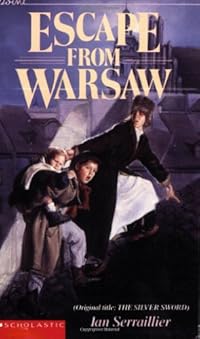
The Silver Sword
by Ian Serraillier
On This Page
Description
The silver sword is an unforgettable World War II survival story. Although the silver sword was only a paper knife, it became the symbol of hope and courage which kept the Balicki children and their orphan friend Jan alive through the four years of occupation when they had to fend for themselves. And afterwards it inspired them to keep going on the exhausting and dangerous journey from war-torn Poland to Switzerland, where they hoped to find their parents. Based on true accounts, this is a show more moving story of life during and after the Second World War. show lessTags
Recommendations
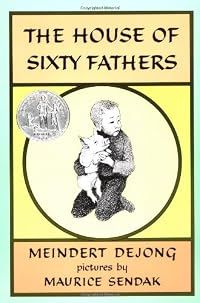
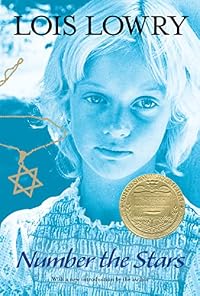
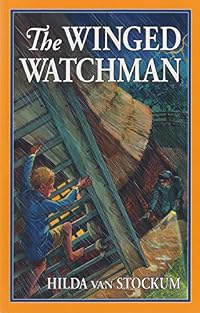
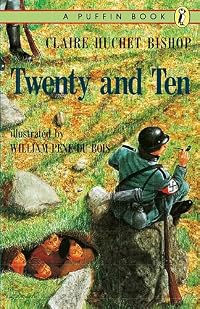
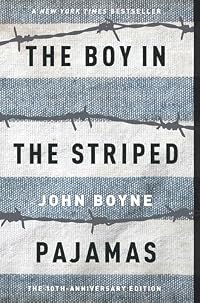
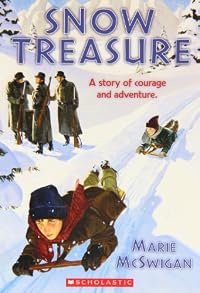
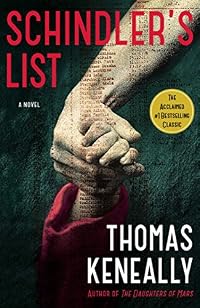
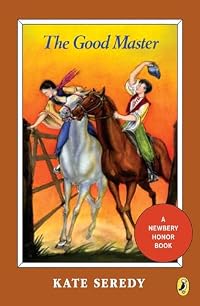
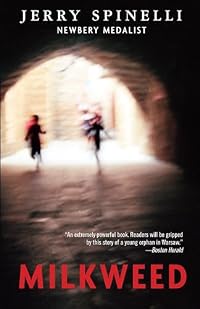
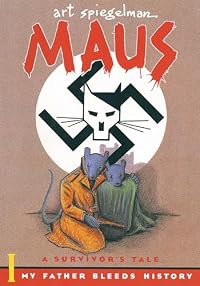
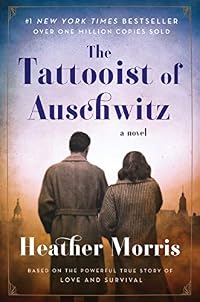
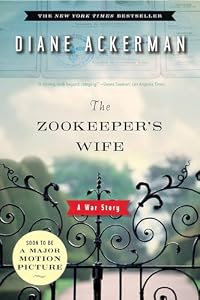
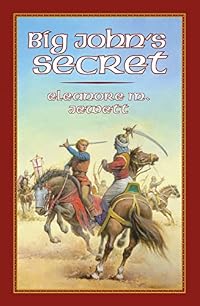
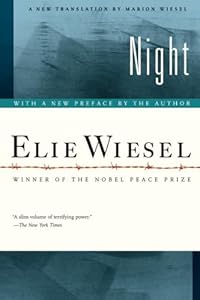
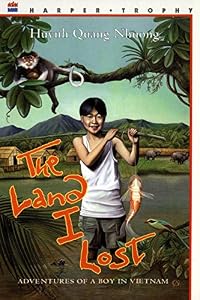
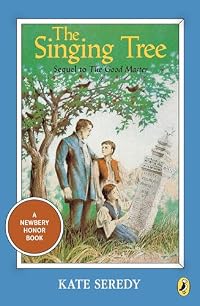
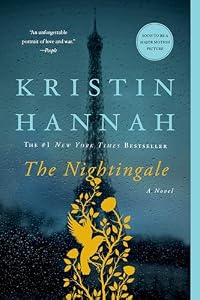

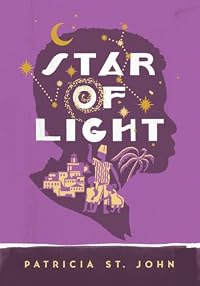
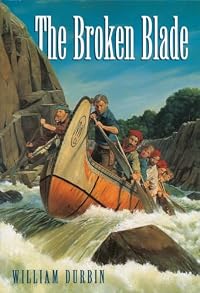
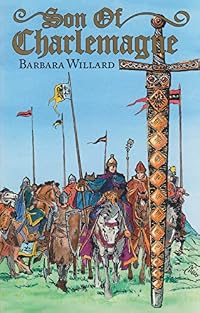


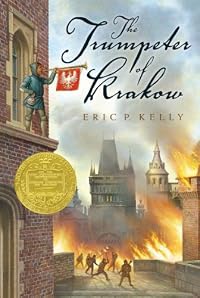
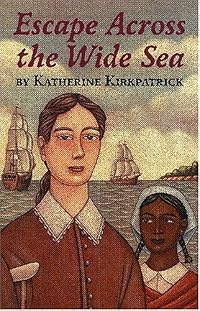
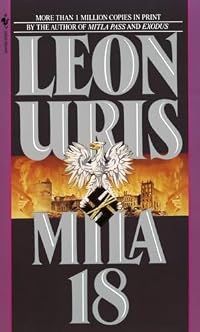

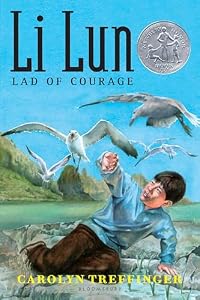

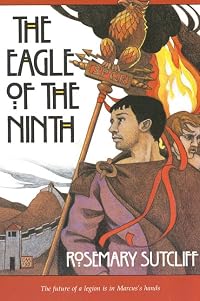

Member Recommendations
markbarnes Both books tell the story of escape from Nazi Germany, through a child's eyes. Although quite different from one another, both are poignant, and beautifully written.
by Cecrow

mybookshelf Siblings looking after each other in a real world, without parents.

Member Reviews
It is more than forty years since I last read this novel, which was one of my favourites as a child. I hadn't even thought about it in decades, but someone mentioned it a few days ago, and prompted me to re-read it. What a delight it proved.
The book tells of the travails of the Balicki family from Warsaw. The father, Joseph, headmaster of a local school, is imprisoned by the Nazis after someone reports him for turning the photograph of Hitler that he had been required to hang in his classroom to face the wall. Shortly afterwards his wife, Magrit, is also interned, leaving their three children (Ruth, Edek and Bronia) to fend for themselves.
After a couple of years Joseph manages to escape from his prison and returns to Warsaw to look for show more his family. He finds the family home reduced to rubble. Aghast he delves down to see if he can unearth any trace of the family but all he finds is a paper knife, in the shape of an elaborate small silver sword that he had given to his wife several years earlier. While staring in disgust at the remains of the house he becomes aware that he is being watched by a young boy, Jan, clutching a cat while. After a brief conversation (during which the young boy successfully picks Joseph's pockets) Joseph hands over the silver sword to Jan in return for a promise that he will do whatever he can to find a trace of Magrit or the children. Jan stows the sword away in a wooden box in which he keeps all of his dearest treasures (which include, among other things, the shrivelled body of a dead lizard). Joseph explores the remaining streets of the community searching for clues as to what might have happened to his family. Finding no trace he decides to head for Switzerland (where Magrit came from), in the belief that she would have tried to flee there to escape their oppressors.
Meanwhile the three children have been fending for themselves until Edek is arrested by the Nazis for smuggling food to be sold through the black market. Ruth starts running an informal school to try to teach some of the Polish children, and eventually Jan comes to join them - by now his cat has gone, to be replaced by Jimpy, a cockerel. By chance the three children find that Jan has the silver sword which they immediately recognise. Jan explains how he came by it, adding that Joseph had told him about his plans to seek his family in Switzerland. The story then deals with the children's exploits firstly to locate Edek, and then to try to cross Poland and then Germany to try to reach Switzerland.
The book is now recognised as a children's classic, though on its publication in 1956 there was a lot of criticism suggesting that the novel dealt with subjects too serious for younger readers. This seems odd nowadays - after all, Serraillier weaves a very sound plot and his characters are finely drawn. Even though the context may now seem very remote to today's children, surely this is exactly the sort of books that they should be reading. It holds up excellently for an adult audience, too. show less
The book tells of the travails of the Balicki family from Warsaw. The father, Joseph, headmaster of a local school, is imprisoned by the Nazis after someone reports him for turning the photograph of Hitler that he had been required to hang in his classroom to face the wall. Shortly afterwards his wife, Magrit, is also interned, leaving their three children (Ruth, Edek and Bronia) to fend for themselves.
After a couple of years Joseph manages to escape from his prison and returns to Warsaw to look for show more his family. He finds the family home reduced to rubble. Aghast he delves down to see if he can unearth any trace of the family but all he finds is a paper knife, in the shape of an elaborate small silver sword that he had given to his wife several years earlier. While staring in disgust at the remains of the house he becomes aware that he is being watched by a young boy, Jan, clutching a cat while. After a brief conversation (during which the young boy successfully picks Joseph's pockets) Joseph hands over the silver sword to Jan in return for a promise that he will do whatever he can to find a trace of Magrit or the children. Jan stows the sword away in a wooden box in which he keeps all of his dearest treasures (which include, among other things, the shrivelled body of a dead lizard). Joseph explores the remaining streets of the community searching for clues as to what might have happened to his family. Finding no trace he decides to head for Switzerland (where Magrit came from), in the belief that she would have tried to flee there to escape their oppressors.
Meanwhile the three children have been fending for themselves until Edek is arrested by the Nazis for smuggling food to be sold through the black market. Ruth starts running an informal school to try to teach some of the Polish children, and eventually Jan comes to join them - by now his cat has gone, to be replaced by Jimpy, a cockerel. By chance the three children find that Jan has the silver sword which they immediately recognise. Jan explains how he came by it, adding that Joseph had told him about his plans to seek his family in Switzerland. The story then deals with the children's exploits firstly to locate Edek, and then to try to cross Poland and then Germany to try to reach Switzerland.
The book is now recognised as a children's classic, though on its publication in 1956 there was a lot of criticism suggesting that the novel dealt with subjects too serious for younger readers. This seems odd nowadays - after all, Serraillier weaves a very sound plot and his characters are finely drawn. Even though the context may now seem very remote to today's children, surely this is exactly the sort of books that they should be reading. It holds up excellently for an adult audience, too. show less
When their parents both get taken away to the camps, a family of three children manage to survive for three years of WWII in a bombed-out cellar in Warsaw before learning that their father had escaped and sent word to them via another young war orphan to try to meet him in Switzerland. So they set out with their new young friend in tow to make the long trek to a new home, facing perils and meeting with helpful folk along the way.
This is one of the better middle grade books about children during the war within the subset of not-too-horrific, kiddos-with-gumption stories. It's not too saccharine and still hints at the horrors of the war, which makes for an easy, uncomplicated read. Recommended if you like this sort of thing (and I do).
This is one of the better middle grade books about children during the war within the subset of not-too-horrific, kiddos-with-gumption stories. It's not too saccharine and still hints at the horrors of the war, which makes for an easy, uncomplicated read. Recommended if you like this sort of thing (and I do).
I read this when I was about 10, as I played Joseph in the Windsor Arts Club Junior Drama production. Apart from 2 or 3 bits, I didn't remember most of the events in the story. It's interesting in that so much of the book takes place after the end of the war - it shows the allied occupation, and how the different countries managed their sectors (I don't want to overplay this though - it's interesting, but it isn't one of the major parts of the book).
The structure of the book is quite interesting - it feels like a bunch of vignettes, rather than having an overarching narrative. You could drop one of the sections, without it significantly affecting the narrative. Still, it is a fascinating story, very evocative of the broken Europe left show more after World War 2. show less
The structure of the book is quite interesting - it feels like a bunch of vignettes, rather than having an overarching narrative. You could drop one of the sections, without it significantly affecting the narrative. Still, it is a fascinating story, very evocative of the broken Europe left show more after World War 2. show less
I remember reading this book a very long time ago; like, maybe 15 years ago (Before any of you say anything, 15 years ago is a long time for me, when you remember that I’m only 24 years old). The copy I have at home is quite old, and if you remember my review of Ben Hur, then you can imagine how old this is. The pages are brittle, the writing looks like it was done on a typewriter, and there’s one of my family member’s initials in dark fountain pen ink on the front page.
The story is about a family, the Balickis, who are a Polish family living in Warsaw when the war breaks out. Because of circumstances beyond their control, the whole family – three children, father, and mother – are all separated from each other. The story show more mostly follows the children on their wacky adventures through war-torn Europe as they try to find their way back to their parents, not even knowing if they’re alive or not. But their unwavering hope and optimism keeps everyone going and they always find a way in the end!
I think that what adult readers of this novel have to keep in mind is that it is written for children under the age of 12. The story is very feel-good, even if they do have a lot of mishaps and problems coming their way, but you do know that they are going to be just fine in the end.
It’s a cute little family novel that does well in introducing children to the severity of World War II, and what the real situation was for a lot of families during that time – separation, not being able to contact each other, death, and illness. It’s all in the book, and it’s all tied up with a nice little ribbon made of happy endings at the end.
Final rating: if this is for a child below the age of 12, then definitely a 4/5. The writing is very babyish but I’m sure that a child would enjoy it more than an adult would. show less
The story is about a family, the Balickis, who are a Polish family living in Warsaw when the war breaks out. Because of circumstances beyond their control, the whole family – three children, father, and mother – are all separated from each other. The story show more mostly follows the children on their wacky adventures through war-torn Europe as they try to find their way back to their parents, not even knowing if they’re alive or not. But their unwavering hope and optimism keeps everyone going and they always find a way in the end!
I think that what adult readers of this novel have to keep in mind is that it is written for children under the age of 12. The story is very feel-good, even if they do have a lot of mishaps and problems coming their way, but you do know that they are going to be just fine in the end.
It’s a cute little family novel that does well in introducing children to the severity of World War II, and what the real situation was for a lot of families during that time – separation, not being able to contact each other, death, and illness. It’s all in the book, and it’s all tied up with a nice little ribbon made of happy endings at the end.
Final rating: if this is for a child below the age of 12, then definitely a 4/5. The writing is very babyish but I’m sure that a child would enjoy it more than an adult would. show less
A fast-paced children's adventure that doesn't shirk describing realities of its time - World War II Poland and Germany. A little too young adult for my adult taste but still an enjoyable quick read.
This book has got a great rhythm to it, the chapters are the perfect size & the action is well paced. I appreciated the balance of discussing the impact of war in a way which was honest & informative, but also not too upsetting for younger readers.
What also struck me is that it hasn't really aged. Yes, there are a couple of twee sayings in it, but on the whole it could have been written yesterday.
I enjoyed it as an adult reader, it was one of those books I wish I'd discovered when I was younger. I'll definitely be keeping it for my son to read in a couple of years.
What also struck me is that it hasn't really aged. Yes, there are a couple of twee sayings in it, but on the whole it could have been written yesterday.
I enjoyed it as an adult reader, it was one of those books I wish I'd discovered when I was younger. I'll definitely be keeping it for my son to read in a couple of years.
Another childhood favorite is "The Silver Sword", which I recently reread. The story is based upon true events from World War II, mainly taking place in Poland, but especially in Warsaw.
Three Polish children find themselves on their own and struggling just to survive after both of their parents are forcibly taken away by Nazi soldiers. Ruth, about 13 years old, is thrust into adulthood in order to care for her younger brother Edek and baby sister Bronia, as well as other orphaned children living in the rubble of war-torn Warsaw.
There is a real 'ring' of authenticity to this book: the characters are believable, even rascally Jan, the pickpocket/thief/guardian who accepts Ruth as a substitute for his own long-lost mother, a woman he show more cannot even recall.
I have reread this several times, and will keep a copy of the book on my shelves, for a future reread. show less
Three Polish children find themselves on their own and struggling just to survive after both of their parents are forcibly taken away by Nazi soldiers. Ruth, about 13 years old, is thrust into adulthood in order to care for her younger brother Edek and baby sister Bronia, as well as other orphaned children living in the rubble of war-torn Warsaw.
There is a real 'ring' of authenticity to this book: the characters are believable, even rascally Jan, the pickpocket/thief/guardian who accepts Ruth as a substitute for his own long-lost mother, a woman he show more cannot even recall.
I have reread this several times, and will keep a copy of the book on my shelves, for a future reread. show less
Members
- Recently Added By
Lists

Favorite Childhood Books
1,602 works; 517 members
1001 Children's Books You Must Read Before You Grow Up
774 works; 101 members

Children's Books about World War II (1939-1945)
143 works; 12 members

Best middle grade books
130 works; 24 members

Sonlight Books
1,487 works; 25 members
A Child's Book Tour of Poland
35 works; 4 members
Global Reads: Books Set in Eastern Europe
45 works; 10 members

Books Read in 2015
3,298 works; 126 members

Historical Fiction
889 works; 91 members

THE WAR ROOM
813 works; 24 members

Books We Loved As Children
603 works; 252 members
Talk Discussions
Past Discussions
WW2 Childrens storybook - title or author unknown in Name that Book (December 2011)
Author Information

59+ Works 4,177 Members
Some Editions
Awards and Honors
Series
Belongs to Publisher Series
Work Relationships
Is abridged in
Has as a teacher's guide
Common Knowledge
- Canonical title
- The Silver Sword
- Original title
- The Silver Sword
- Alternate titles
- Escape from Warsaw
- Original publication date
- 1956
- People/Characters
- Joseph Balicki; Margrit Balicki; Ruth Balicki; Edek Balicki; Bronia Balicki; Jan (show all 11); Ivan; Captain Greenwood; Kurt Wolff; Emma Wolff; Joe Wolski
- Important places
- Zakyna prison camp, Poland; Warsaw, Poland; Poznań, Greater Poland, Poland (as Posen); Berlin, Germany; Lake Constance (in German: Bodensee); Appenzell, Switzerland (historic | see Appenzell Innerrhoden and Appenzell Ausserrhoden) (show all 9); Poland; Germany; Switzerland
- Important events
- World War II (1939-1945)
- Epigraph
- "Here is no final grieving, but an abiding hope.
The moving waters renew the earth. It is spring."
--Michael Tippett, A Child of Our Time - Dedication
- To Helen
- First words
- This is the story of a Polish family, and of what happened to them during the Second World War and immediately afterwards.
- Last words
- (Click to show. Warning: May contain spoilers.)And over the way, at the Polish house, in a velvet-lined drawer of her jewel box, Margrit Balicki keeps her proudest possession – the silver sword.
- Original language
- English
- Disambiguation notice
- Later alternative title "Escape from Warsaw"
Classifications
- Genres
- Children's Books, Fiction and Literature
- DDC/MDS
- 823.914 — Literature & rhetoric English & Old English literatures English fiction 1900- 1901-1999 1945-1999
- LCC
- PZ7 .S488 .S — Language and Literature Fiction and juvenile belles lettres Fiction and juvenile belles lettres Juvenile belles lettres
- BISAC
Statistics
- Members
- 3,054
- Popularity
- 5,751
- Reviews
- 46
- Rating
- (3.92)
- Languages
- Dutch, English, Finnish, German
- Media
- Paper, Audiobook, Ebook
- ISBNs
- 43
- ASINs
- 42