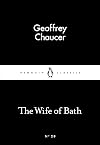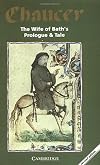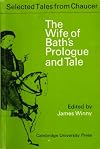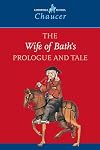
The Wife of Bath's Tale
by Geoffrey Chaucer
Variorum Chaucer (Collections and Selections — 2.5), The Canterbury Tales
On This Page
Description
The Wyves Tale of Bathe and prologue are among the best-known of Geoffrey Chaucer's Canterbury Tales. They give insight into the role of women in the Late Middle Ages and are probably of interest to Chaucer himself, for the character is one of his most developed ones, with her prologue twice as long as her tale.Tags
Recommendations
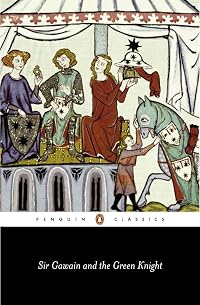
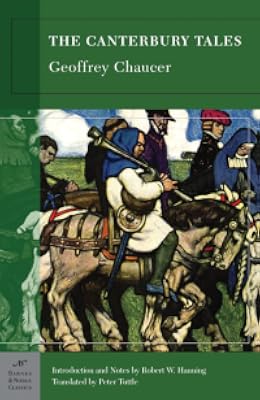




Member Recommendations
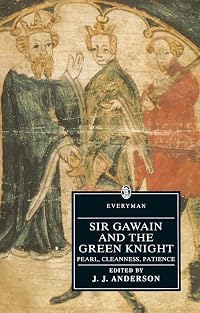
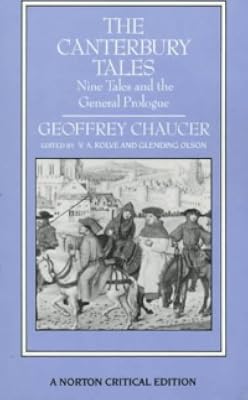
aulsmith The Wife of Bath's tales has many versions. A lovely one is in this collection
Member Reviews
Despite the old style prose this story form the Canterbury Tales can be read as a progressive even feminist tale from the XIV.c.
I have several editions of the Wyf of Bathe, but my favorite is the Bellerophon coloring book. It has the Prologue and tale in Middle English, accompanied by line drawings to color done by Gregory Irons. The pictures include the rape scene, which was probably a first for coloring books.
Read all my reviews on http://urlphantomhive.booklikes.com
We didn't read this in class. Of course, we talked about the Canterbury Tales but actually reading it, no. That's why I was pleased to see it as a part of the Little Black Classics, giving me the opportunity to read a small part without necessary the feeling that I should read it all.
The story surprised me in a positive way. Both the Prologue and the actual Tale were far more interesting than anticipated. I'd thought it would be drier and The Wife felt rather modern (as far as I can judge in my limited knowledge of medieval woman).
Reading a story all in rhyme however, remains slightly difficult for me and it was rather distracting at times. What I didn't really like was the show more fact that it was a modernized translation of the text, which made it impossible to judge what the original set. It would have been nice to be able to compare the two.
Little Black Classic 28 show less
We didn't read this in class. Of course, we talked about the Canterbury Tales but actually reading it, no. That's why I was pleased to see it as a part of the Little Black Classics, giving me the opportunity to read a small part without necessary the feeling that I should read it all.
The story surprised me in a positive way. Both the Prologue and the actual Tale were far more interesting than anticipated. I'd thought it would be drier and The Wife felt rather modern (as far as I can judge in my limited knowledge of medieval woman).
Reading a story all in rhyme however, remains slightly difficult for me and it was rather distracting at times. What I didn't really like was the show more fact that it was a modernized translation of the text, which made it impossible to judge what the original set. It would have been nice to be able to compare the two.
Little Black Classic 28 show less
This was better than I had expected. The English is very hard, I felt like I was reading an essay full of grammatical errors and misspellings.
It is an interesting read, and I guess this was as far as Chaucer could have gone in being open-minded and kind of pro-equality at that time. He raises important issues like marriage, condemnation of women who marry more than once, inequality, double-standards in viewing males and females, the male dominated language, church, and overall culture, female sexuality/virginity and male attempts to control women's sexuality.
I needed to consult the interlinear translation provided on this link in order to grasp the complete meaning of the verses: show more target="_top">http://sites.fas.harvard.edu/~chaucer/teachslf/wbt-par.htm
I will be presenting this tale for my literature course next week, it should be fun :) show less
It is an interesting read, and I guess this was as far as Chaucer could have gone in being open-minded and kind of pro-equality at that time. He raises important issues like marriage, condemnation of women who marry more than once, inequality, double-standards in viewing males and females, the male dominated language, church, and overall culture, female sexuality/virginity and male attempts to control women's sexuality.
I needed to consult the interlinear translation provided on this link in order to grasp the complete meaning of the verses: show more target="_top">http://sites.fas.harvard.edu/~chaucer/teachslf/wbt-par.htm
I will be presenting this tale for my literature course next week, it should be fun :) show less
Sexual politics, religion and history - interesting and easy to read but could use a few explanatory notes on some of the religious / historical references.
Who said dirty novels started with Lady Chatterly?
Fortællingen om "Konen fra Bath" er en af de firetyve fortællinger i "Canterbury Tales". Prologen til fortællingen er også på vers og meget længere end selve fortællingen. Hun beretter i prologen om sine fem mænd, tre gode og to dårlige. Den seneste er klerken Jankyn, som brokker sig over hende dagen lang og læser op fra sine bøger om svigefulde hustruer. Til sidst river hun tre sider ud af bogen, mens han sidder med den i hånden. Hun slår ham også på kinden og får til gengæld en på øret, så hun bliver døv på det sidenhed. Men han lærer lektien og giver hende frie tøjler og de lever lykkeligt efterdags.
I Fortællingen om "Konen fra Bath" hører vi om en ung adelsmand, der voldtager en uskyldig ung kvinde og med show more rette bliver dødsdømt for det. Dronningen går dog i forbøn for ham ved kongen og får lov at bestemme straffen. Hun giver adelsmanden en frist på et år og en dag til at komme tilbage og fortælle hvad kvinder ønsker sig mest. Kan han ikke det, er hans liv forspildt. Han er ikke begejstret for opgaven, men går dog til sagen. Alle giver ham forskelligt svar. Rigdom, ære eller fest? "En holdt på tøj og en på Spas i Seng. At blive Enke tit og Brud i flæng." Til sidst giver han sig på vej hjemad igen i trist humør, for året er snart gået. Da lokkes han af elverpiger hen i en lysning, hvor der sidder en gammel heks. Hun tilbyder ham sikker hjælp mod at han opfylder hendes første ønske uanset hvad det er. Han er jo i alvorlig klemme og siger ja, hvorefter hun hvisker ham svaret i øret. Stedet for Dronningen giver han svaret "Min Naadigfrue, helst af alt en Kvinde vil Herredømmet over Manden vinde". Dronningen og alle kvinder til stedet giver ham ret og hans liv er således reddet. Heksen tager nu ordet og har kun et ønske, nemlig at få adelsmanden til ægte. Han kan ikke slippe udenom, så således bliver det, selv om det er højst ugerne at han tager sin viv til ægtesengs, for hun er gammel og fæl. Hun giver ham så valget mellem en ung smuk men sikkert utro udgave af sig selv og så den gamle fæle slags, der til gengæld vil være tro og ydmyg: "Nu kan Du vælge et af to, min Mage: // At faa mig grim og gammel alle Dage, // Men altid som en tro og ydmyg Viv, // Der ej gør Dig imod sit ganske Liv; // Hvad heller vil Du se mig ung og smuk // Og risikere mange bitre Suk, // Som jeg vil blive Skyld i, at Du faar // Naar Du er hjemme, og hvert Sted Du gaar?" Han tænker dybt over sagen og lægger det til sidst i hendes hænder at vælge det, som mest vil være til held og hæder for dem begge to. Det var et klogt valg, for hun vælger både-og, dvs både ung og smuk og trofast og villig. "Saa leved de til deres Dages Ende // I fuldendt Fryd; gid Jesus Krist maa sende // Os milde Ægtemager, unge, gejle // Og naadigst skærme dem, der til os bejle; // Men maatte Krist forkorte deres Liv, // Som ikke vil regeres af en Viv; // Og gamle vrisne Gniere forresten, // Maa Gud saa gerne snarlig sende Pesten!"
Glimrende fortælling, som rummer mange sandheder! Og vittige vers: "Han glemte ej den Pine og Elende, Som Sokrates holdt ud med Koner tvende; // Xantippe ham i Hovedet Tisset gød, // Den arme Mand sad stille som en død, // Han tørred sig og svarede blot hende, // 'Der kommer Regn, naar Torden holder inde.'"
Eller på originalsproget: "No thyng forgat he the penaunce and wo // That Socrates hadde with hise wyves two, // How Xantippa caste pisse upon his heed. // This sely man sat stille as he were deed; // He wiped his heed, namoore dorste he seyn // But, Er that thonder stynte, comth a reyn."
Tilsvarende med slutningen: "And thus they lyve unto hir lyves ende // In parfit joye;-and Jesu Crist us sende // Housbondes meeke, yonge, fressh abedde, // And grace t'overbyde hem that we wedde; // And eek I praye Jesu shorte hir lyves // That nat wol be governed by hir wyves; // And olde and angry nygardes of dispence, // God sende hem soone verray pestilence!" show less
I Fortællingen om "Konen fra Bath" hører vi om en ung adelsmand, der voldtager en uskyldig ung kvinde og med show more rette bliver dødsdømt for det. Dronningen går dog i forbøn for ham ved kongen og får lov at bestemme straffen. Hun giver adelsmanden en frist på et år og en dag til at komme tilbage og fortælle hvad kvinder ønsker sig mest. Kan han ikke det, er hans liv forspildt. Han er ikke begejstret for opgaven, men går dog til sagen. Alle giver ham forskelligt svar. Rigdom, ære eller fest? "En holdt på tøj og en på Spas i Seng. At blive Enke tit og Brud i flæng." Til sidst giver han sig på vej hjemad igen i trist humør, for året er snart gået. Da lokkes han af elverpiger hen i en lysning, hvor der sidder en gammel heks. Hun tilbyder ham sikker hjælp mod at han opfylder hendes første ønske uanset hvad det er. Han er jo i alvorlig klemme og siger ja, hvorefter hun hvisker ham svaret i øret. Stedet for Dronningen giver han svaret "Min Naadigfrue, helst af alt en Kvinde vil Herredømmet over Manden vinde". Dronningen og alle kvinder til stedet giver ham ret og hans liv er således reddet. Heksen tager nu ordet og har kun et ønske, nemlig at få adelsmanden til ægte. Han kan ikke slippe udenom, så således bliver det, selv om det er højst ugerne at han tager sin viv til ægtesengs, for hun er gammel og fæl. Hun giver ham så valget mellem en ung smuk men sikkert utro udgave af sig selv og så den gamle fæle slags, der til gengæld vil være tro og ydmyg: "Nu kan Du vælge et af to, min Mage: // At faa mig grim og gammel alle Dage, // Men altid som en tro og ydmyg Viv, // Der ej gør Dig imod sit ganske Liv; // Hvad heller vil Du se mig ung og smuk // Og risikere mange bitre Suk, // Som jeg vil blive Skyld i, at Du faar // Naar Du er hjemme, og hvert Sted Du gaar?" Han tænker dybt over sagen og lægger det til sidst i hendes hænder at vælge det, som mest vil være til held og hæder for dem begge to. Det var et klogt valg, for hun vælger både-og, dvs både ung og smuk og trofast og villig. "Saa leved de til deres Dages Ende // I fuldendt Fryd; gid Jesus Krist maa sende // Os milde Ægtemager, unge, gejle // Og naadigst skærme dem, der til os bejle; // Men maatte Krist forkorte deres Liv, // Som ikke vil regeres af en Viv; // Og gamle vrisne Gniere forresten, // Maa Gud saa gerne snarlig sende Pesten!"
Glimrende fortælling, som rummer mange sandheder! Og vittige vers: "Han glemte ej den Pine og Elende, Som Sokrates holdt ud med Koner tvende; // Xantippe ham i Hovedet Tisset gød, // Den arme Mand sad stille som en død, // Han tørred sig og svarede blot hende, // 'Der kommer Regn, naar Torden holder inde.'"
Eller på originalsproget: "No thyng forgat he the penaunce and wo // That Socrates hadde with hise wyves two, // How Xantippa caste pisse upon his heed. // This sely man sat stille as he were deed; // He wiped his heed, namoore dorste he seyn // But, Er that thonder stynte, comth a reyn."
Tilsvarende med slutningen: "And thus they lyve unto hir lyves ende // In parfit joye;-and Jesu Crist us sende // Housbondes meeke, yonge, fressh abedde, // And grace t'overbyde hem that we wedde; // And eek I praye Jesu shorte hir lyves // That nat wol be governed by hir wyves; // And olde and angry nygardes of dispence, // God sende hem soone verray pestilence!" show less
Dec 28, 2019 (Edited)Danish
Members
- Recently Added By
Lists

School Made Us Read It
380 works; 197 members
Author Information

468+ Works 45,944 Members
Geoffrey Chaucer, one of England's greatest poets, was born in London about 1340, the son of a wine merchant and deputy to the king's butler and his wife Agnes. Not much is known of Chaucer's early life and education, other than he learned to read French, Latin, and Italian. His experiences as a civil servant and diplomat are said to have show more developed his fascination with people and his knowledge of English life. In 1359-1360 Chaucer traveled with King Edward III's army to France during the Hundred Years' War and was captured in Ardennes. He returned to England after the Treaty of Bretigny when the King paid his ransom. In 1366 he married Philippa Roet, one of Queen Philippa's ladies, who gave him two sons and two daughters. Chaucer remained in royal service traveling to Flanders, Italy, and Spain. These travels would all have a great influence on his work. His early writing was influenced by the French tradition of courtly love poetry, and his later work by the Italians, especially Dante, Boccaccio, and Petrarch. Chaucer wrote in Middle English, the form of English used from 1100 to about 1485. He is given the designation of the first English poet to use rhymed couplets in iambic pentameter and to compose successfully in the vernacular. Chaucer's Canterbury Tales is a collection of humorous, bawdy, and poignant stories told by a group of fictional pilgrims traveling to the shrine of St. Thomas a Becket. It is considered to be among the masterpieces of literature. His works also include The Book of the Duchess, inspired by the death of John Gaunt's first wife; House of Fame, The Parliament of Fowls, and The Legend of Good Women. Troilus and Criseyde, adapted from a love story by Boccaccio, is one of his greatest poems apart from The Canterbury Tales. Chaucer died in London on October 25, 1400. He was buried in Westminster Abbey, in what is now called Poet's Corner. (Bowker Author Biography) show less
Some Editions
Series


Belongs to Publisher Series
Work Relationships
Is contained in
Is expanded in
Has as a student's study guide
Common Knowledge
- Canonical title
- The Wife of Bath's Tale
- Alternate titles
- The Wife of Bath's Prologue and Tale
- Original publication date
- 1387–1400
- People/Characters
- The Wife of Bath/Alisoun/Alyson/Alys; The Clerk; King Arthur
- Important events
- Middle Ages
- Quotations
- Here begynneth the prologe of the tale of the Wyf of Bathe
Experience thogh noon auctoritee
Were in this world is right ynogh for me
To speke of wo that is in mariage,
For, lordynges, sith that I twelf yeer wa... (show all)s of age,
Thonked be God that is eterne on lyve,
Housbondes atte chirche dore I have had fyve --
If I so ofte myghte han wedded be --
And alle were worthy men in her degree.
Classifications
Statistics
- Members
- 497
- Popularity
- 60,979
- Reviews
- 7
- Rating
- (3.64)
- Languages
- English, English (Middle)
- Media
- Paper, Audiobook, Ebook
- ISBNs
- 31
- UPCs
- 1
- ASINs
- 13