On This Page
Description
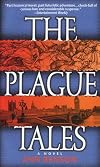
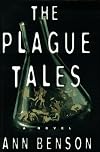
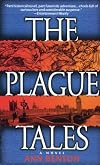
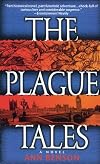
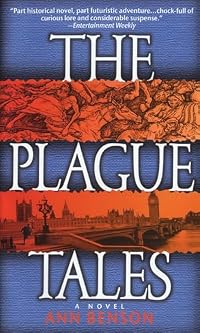
"Part historical novel, part futuristic adventure . . . chock full of curious lore and considerable suspense."--Entertainment Weekly It is history's most feared disease. It turned neighbor against neighbor, the civilized into the savage, and the living into the dead. Now, in a spellbinding novel of adventure and science, romance and terror, two eras are joined by a single trace of microscopic bacterium--the invisible seeds of a new bubonic plague. In the year 1348, a disgraced Spanish show more physician crosses a landscape of horrors to Avignon, France. There, he will be sent on an impossible mission to England, to save the royal family from the Black Death. . . . Nearly seven hundred years later, a woman scientist digs up a clod of earth in London. In a world where medicine is tightly controlled, she will unearth a terror lying dormant for centuries. From the primitive cures of the Middle Ages to the biological police state of our near future, The Plague Tales is a thrilling race against time and mass destruction. For in 2005, humankind's last hope for survival can come only from one place: out of a dark and tortured past. Praise for The Plague Tales "Benson reveals a formidable talent as she blends historical fiction with a near-future bio-thriller."--Publishers Weekly (starred review) "Harrowing . . . Will give readers both nightmares and thrills . . . A carefully woven page-turner from which . . . Robin Cook and Michael Crichton could learn."--Library Journal "A hard-to-put-down thriller steeped in historical fiction and bio-tech sci-fi."--Middlesex News (Mass.) show lessTags
Recommendations




Member Recommendations
Member Reviews
In this novel Ann Benson presents us with intertwined stories of parallel outbreaks of the plague centuries apart. The first is set in 1348 when a Jewish physician - hiding his religion and his crimes - is sent to the court of the Plantagenet king, Edward I of England to protect the royal family from the infectious disease. In 2005, the world has turned into a biological police state due to 'the Outbreaks' a few years back that defied the medical world in its claim of victims. Janie Crowe, a 'reassigned' surgeon, is working to complete her thesis in forensic archaeology when she stumbles across a long-dormant bacteria during her research. Now she must find a cure and rescue her friend before a massive outbreak claims the lives of show more thousands, while Alejandro searches for anything to stem the tide of death that surrounds him.
This novel is a sound adventure story, particularly for a first novel. The scenes of adventure and sneaking around the Biocops in the futuristic part and the scenes of medical discovery in the medieval portion are well drawn. I found myself drawn into both portions of the story, and found the switches from one to the other well-placed. Benson never lingered too long on either, and the intertwining of the stories was excellently done.
I did have some minor problems. I very much enjoyed the historical aspects of the novel, though Alejandro's medical techniques and knowledge seemed a trifle too advanced for credibility. In the modern parts of the novel in particular, it takes the characters much too long to realize that what they are dealing with is the plague. They immediately recognize Yersinia as whatever it happens to be, but they simply cannot remember what 'pestis' means? I found this extremely difficult to believe given the fascination generally surrounding the Black Death. Not to mention that it just wasn't suspenseful since - from the title - the readers were already fairly certain that the modern bacteria was going to be a form of plague as well.
So, especially in the beginning, the pace of the modern story is much too slow, and the revealing of what the outbreaks really were and the effects they had on our main character (while important) took too long as well. But despite pacing issues, this was undoubtedly a gripping read. A fine example of airplane reading. show less
This novel is a sound adventure story, particularly for a first novel. The scenes of adventure and sneaking around the Biocops in the futuristic part and the scenes of medical discovery in the medieval portion are well drawn. I found myself drawn into both portions of the story, and found the switches from one to the other well-placed. Benson never lingered too long on either, and the intertwining of the stories was excellently done.
I did have some minor problems. I very much enjoyed the historical aspects of the novel, though Alejandro's medical techniques and knowledge seemed a trifle too advanced for credibility. In the modern parts of the novel in particular, it takes the characters much too long to realize that what they are dealing with is the plague. They immediately recognize Yersinia as whatever it happens to be, but they simply cannot remember what 'pestis' means? I found this extremely difficult to believe given the fascination generally surrounding the Black Death. Not to mention that it just wasn't suspenseful since - from the title - the readers were already fairly certain that the modern bacteria was going to be a form of plague as well.
So, especially in the beginning, the pace of the modern story is much too slow, and the revealing of what the outbreaks really were and the effects they had on our main character (while important) took too long as well. But despite pacing issues, this was undoubtedly a gripping read. A fine example of airplane reading. show less
I really tried, but I'm over 60 yrs old now and if G-d is good I have about 20 yrs left to read.
this book just refused to get started.
It was published in 1997 and maybe writing, editing and writers have changed so much in the intervening 25 yrs that this style of story telling has become unacceptable to me. I couldn't stick it out.
Set in a post apocalypse medical police state (2005!) and alternating historical timeline 1348 southern France and England and the outbreak of bubonic plague, what's not to like?-I like plagues and medical history. I like alternative history. Plenty of interesting things could be happening, but alas! nothing. NADA and I'm on page 200 and so I flip to the backand start skimming.
That's all? BLAH. Bye, bye.
YMMV
this book just refused to get started.
It was published in 1997 and maybe writing, editing and writers have changed so much in the intervening 25 yrs that this style of story telling has become unacceptable to me. I couldn't stick it out.
Set in a post apocalypse medical police state (2005!) and alternating historical timeline 1348 southern France and England and the outbreak of bubonic plague, what's not to like?-I like plagues and medical history. I like alternative history. Plenty of interesting things could be happening, but alas! nothing. NADA and I'm on page 200 and so I flip to the backand start skimming.
That's all? BLAH. Bye, bye.
YMMV
The characters are not very realistic, particularly in the modern era part of the book where people behave in ways that just don't make sense, and/or they respond/act/react in given ways only because they are required to do so to move the story forward. Like the director has an accident in a bacteria 'safe room' and instead of dealing with it, covers it up to cover his azz... this after the world had already suffered a biomedical breakdown? Suuuurrreee...
And the huge phobia of "bodyprinting" is out of proportion to the activity itself. It is portrayed as the most HORRIBLE thing ever, and to be avoided at all costs, and almost worth getting shot to avoid, etc... but it is essentially just a digital scan of you. Granted you are naked when show more it happens, but seriously, is THAT the worst thing you can imagine in a post-bacterial plague world? seriously?
The book actually gets worse as it goes along - it becomes more far-fetched, and characters completely stop acting in normal ways. And I don't mean far-fetched in a science fiction kind of way, I mean far-fetched in that not only does nobody behave normally, they are not even consistent within their own "non-normal parameters". They have complete about-faces in their moral and political and social beliefs in a matter of a few hours - and for no clear "reason". I might accept an about-face if it were to save someone's life, or under extreme pressure, or because something of great magnitude happened... but not because you had a chat with someone, or because you were trying to avoid being, gasp, BODYPRINTED.
Anyway, the concept behind the story was interesting. Unfortunately, the characterizations are consistently terrible. And nobody in the entire book acts the way normal people would act in the same set of circumstances. show less
And the huge phobia of "bodyprinting" is out of proportion to the activity itself. It is portrayed as the most HORRIBLE thing ever, and to be avoided at all costs, and almost worth getting shot to avoid, etc... but it is essentially just a digital scan of you. Granted you are naked when show more it happens, but seriously, is THAT the worst thing you can imagine in a post-bacterial plague world? seriously?
The book actually gets worse as it goes along - it becomes more far-fetched, and characters completely stop acting in normal ways. And I don't mean far-fetched in a science fiction kind of way, I mean far-fetched in that not only does nobody behave normally, they are not even consistent within their own "non-normal parameters". They have complete about-faces in their moral and political and social beliefs in a matter of a few hours - and for no clear "reason". I might accept an about-face if it were to save someone's life, or under extreme pressure, or because something of great magnitude happened... but not because you had a chat with someone, or because you were trying to avoid being, gasp, BODYPRINTED.
Anyway, the concept behind the story was interesting. Unfortunately, the characterizations are consistently terrible. And nobody in the entire book acts the way normal people would act in the same set of circumstances. show less
An interesting novel that kept me from focusing on other things. I couldn't wait to get to get back to it and hated putting it down. It's a time slip novel that alternates between 1348 when the plague struck England and 2005, a society that was far too modern in comparison to the real thing. In the future, antibiotics have become useless and an American researcher in England unwittingly digs up a fragment of cloth still infected with plague virus. I thought 2005 was not far enough out for the society Bensen created. It would have been better if she'd chosen 2025 or a date further out since she only wrote the book in 1997. Cited as a novel of bio-terror, I wouldn't go that far but it was exciting. Still, in the end, I was left with show more several questions unanswered so 3 stars.
SPOILER ALERT FROM THIS POINT ON!
I could not understand why the Marginals owed any obligation to Sarin's mother and why it was important that Caroline be saved. I expected more deaths in the modern day also but it appeared that there weren't. And did Caroline marry the biocop? How the heck did that come about? I also thought that the biocops, who were portrayed mostly as robotic reactionaries, should have been more suspicious of Ben's involvement in the lab break-in. He was clearly innocent of Ted's death since he was away at the time but I didn't understand why that made him clear of using Ted's hand to get into the lab. Since biocops seemed to think everyone is lying, the acceptance of his innocence seemed out of character.
In contrast, the medieval story was better put together and made sense all the way through, with the exception of events centering on the original Sarah. What was up with the strange wind around her house (that was still there in 2005)? How did she manage to travel so easily - did she beam herself from one place to another? And since the Physician's book was left at her house, to whom did she leave it because it never appeared that she had a daughter but in 2005, Sarin says it was always left from mother to daughter. I was, as I always am, appalled at the ignorance and attitudes towards Jews. The King's attitude when he found out was just infuriating but it was represented correctly I'm sure as Edward's own grandfather expelled all Jews from England.
I'm told I have to read the sequel and perhaps answers to these questions will come. show less
SPOILER ALERT FROM THIS POINT ON!
I could not understand why the Marginals owed any obligation to Sarin's mother and why it was important that Caroline be saved. I expected more deaths in the modern day also but it appeared that there weren't. And did Caroline marry the biocop? How the heck did that come about? I also thought that the biocops, who were portrayed mostly as robotic reactionaries, should have been more suspicious of Ben's involvement in the lab break-in. He was clearly innocent of Ted's death since he was away at the time but I didn't understand why that made him clear of using Ted's hand to get into the lab. Since biocops seemed to think everyone is lying, the acceptance of his innocence seemed out of character.
In contrast, the medieval story was better put together and made sense all the way through, with the exception of events centering on the original Sarah. What was up with the strange wind around her house (that was still there in 2005)? How did she manage to travel so easily - did she beam herself from one place to another? And since the Physician's book was left at her house, to whom did she leave it because it never appeared that she had a daughter but in 2005, Sarin says it was always left from mother to daughter. I was, as I always am, appalled at the ignorance and attitudes towards Jews. The King's attitude when he found out was just infuriating but it was represented correctly I'm sure as Edward's own grandfather expelled all Jews from England.
I'm told I have to read the sequel and perhaps answers to these questions will come. show less
Contada en dos tiempos, este libro nos relata por un lado la vida de un médico judío de la edad media que se ve en la necesidad de huir de su ciudad de origen perseguido por la Iglesia hacia Francia, durante su huida comienza la epidemia de la Peste. Confundido por un médico católico es envíado por el Papa hacia Inglaterra con la finalidad de cuidar al Rey de Inglaterra y a su familia de no caer enfermos.
Por otro lado, nos muestra una historia en un presente o futuro (no estoy muy segura) Apocalíptico, donde gracias a varias epidemias bacteriológicas, la forma de vida va en relación a estar o no enfermo. Janie Crowe era médico cirujano y ahora es obligada a estudiar otra profesión, Arqueología y haciendo pruebas sobre unas show more muestras de tierra desata una epidemia que resulta ser la peste, para la que no existen en ese momento medicamentos posibles, lo que los hace estar prácticamente en las mismas condiciones de la Europa de la edad media.
El libro me ha gustado mucho, realmente es una historia fantastica y contada de manera maravillosa, es por sobre todo llena de acción y suspenso.
Me han gustado mucho los personajes principales, tanto los del pasado como los del presente y las dos historias que se relatan y que no es si no casi hasta el 80% de avance que comprendemos la importancia de la historia pasada con lo que ocurre en el presente.
Muy recomendable y aunque este libro en apariencia tiene un cierre de historia también es cierto que se deja ver lo que vendrá en la continuación.
Muy recomendable. show less
Por otro lado, nos muestra una historia en un presente o futuro (no estoy muy segura) Apocalíptico, donde gracias a varias epidemias bacteriológicas, la forma de vida va en relación a estar o no enfermo. Janie Crowe era médico cirujano y ahora es obligada a estudiar otra profesión, Arqueología y haciendo pruebas sobre unas show more muestras de tierra desata una epidemia que resulta ser la peste, para la que no existen en ese momento medicamentos posibles, lo que los hace estar prácticamente en las mismas condiciones de la Europa de la edad media.
El libro me ha gustado mucho, realmente es una historia fantastica y contada de manera maravillosa, es por sobre todo llena de acción y suspenso.
Me han gustado mucho los personajes principales, tanto los del pasado como los del presente y las dos historias que se relatan y que no es si no casi hasta el 80% de avance que comprendemos la importancia de la historia pasada con lo que ocurre en el presente.
Muy recomendable y aunque este libro en apariencia tiene un cierre de historia también es cierto que se deja ver lo que vendrá en la continuación.
Muy recomendable. show less
Not bad, but in the second half of the book there were several things that stretched believability a little too far. Best aspect of the book was the way she wove the two stories, past and future, together.
This is fun, suspenseful, historical novel, and time travel adventure all wrapped in one. The basic gist is what happens when a pandemic disease breaks out in two seemingly different societies. In medieval England, a Jewish doctor from Spain wins hearts and keeps his head when the Black Death descends. In the near future, a paranoid London society is caught unawares when the same plague is unearthed putting a female scientist from the US at odds with the Orwellian government. Both protagonists in the intertwining stories find help in magical means. Good brain candy read.
"America had civilization, and the standards of civilization were redefined as needed. England was civilized and civilized standards were not touched, ever." p. 147
"America had civilization, and the standards of civilization were redefined as needed. England was civilized and civilized standards were not touched, ever." p. 147
Members
- Recently Added By
Published Reviews
First time novelist Benson tells a parallel tale of 14th- and 21st-century England, centered on the ever-fascinating Bubonic Plague. Alejandro Canches, a 14th-century Spanish physician, becomes the Papal appointment to the English court of Edward III. He is consigned the task of keeping the court alive during the Plague years beginning in 1348. The descriptions of treatments, daily life, and show more death during these terrible times are fascinating. Alternating chapters take place in 2005, a few years after the "Outbreak" and the end of antibiotic effectiveness against microbes. This is a world of biocops who shoot to kill if the infected try to escape, where transatlantic travel must be done in sterile gowns and masks, and "body printing" eliminates any semblance of privacy. Physician Janie Crow, in England for mandatory retraining since the drastic drop in population has rendered her surgical skills obsolete, accidentally unleashes the 14th-century plague bacillus on an ill-prepared London. This adventure grabs readers and carries them back and forth in time on the trail of the deadly bacteria. The blend of historical color and current biotechnology trends will have great appeal to young adults. It works as historical fiction, science fiction, or a technology thriller. show less
added by cmwilson101
Author Information

27 Works 2,303 Members
Dr Ann Benson FSA is a writer and lecturer on Garden and Architectural History, specialising in the history of the Tudor and Stuart periods.
Some Editions
Awards and Honors
Distinctions
Notable Lists
Series

Belongs to Publisher Series
Goldmann (44077 / 44926 / 45177)
Common Knowledge
- Original title
- The Plague Tales
- Original publication date
- 1997
- People/Characters
- Janie Crowe; Bruce Ransom; Alejandro Canches; Mother Sarah; Edward III, King of England; Catherine Plantagenet (Kate) (show all 12); Isabella Plantagenet; Adele; Guy de Chauliac; Caroline Porter; Michael Rosow; John Sandhaus
- Important places
- London, England, UK
- Important events
- Black Death
- Epigraph
- For Robert,
in honor of twenty years. - First words
- Clutching a musty book to his chest, Robert Sarin lowered himself carefully into a rickety wooden rocking chair and shifted his stiff joints until his position was tolerably comfortable.
- Last words
- (Click to show. Warning: May contain spoilers.)"Mommy wants to tell you a story. . . ."
Classifications
- Genres
- Fiction and Literature, Science Fiction, Historical Fiction
- DDC/MDS
- 813.54 — Literature & rhetoric American literature in English American fiction in English 1900-1999 1945-1999
- LCC
- PS3552 .E547659 .P58 — Language and Literature American literature American literature Individual authors 1961-
- BISAC
Statistics
- Members
- 665
- Popularity
- 43,039
- Reviews
- 21
- Rating
- (3.59)
- Languages
- English, German, Spanish
- Media
- Paper, Audiobook, Ebook
- ISBNs
- 20
- ASINs
- 3