
Rosshalde
by Hermann Hesse
On This Page
Description
Story of a famous artist whose creativity is stifled by an empty marriage to which he is bound until freed by the death of his adored son.Tags
Recommendations












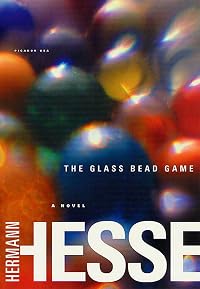
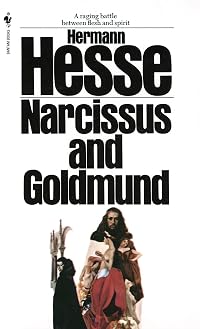
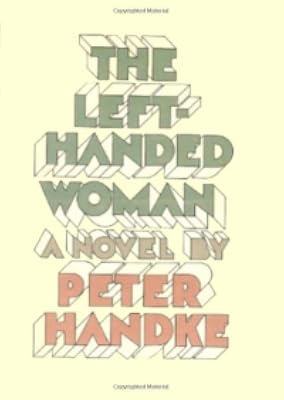

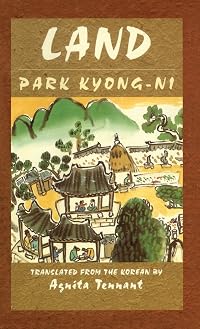




Member Recommendations
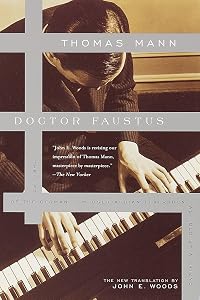
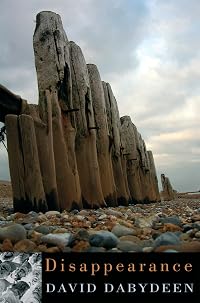
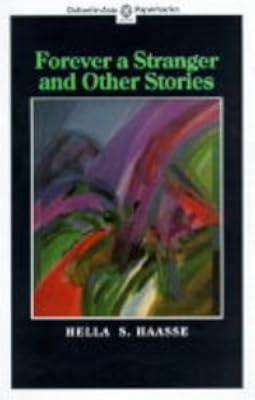
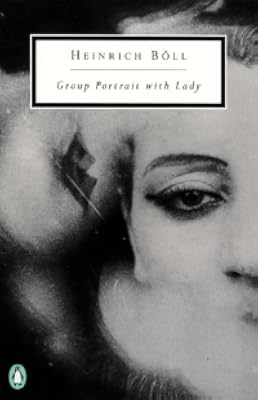
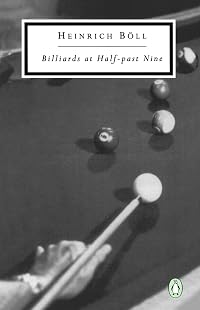
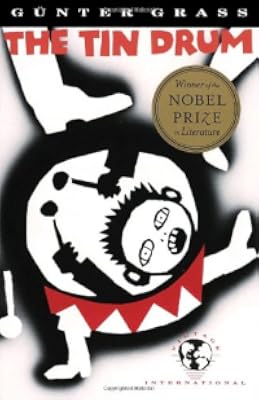
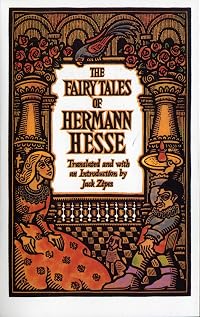
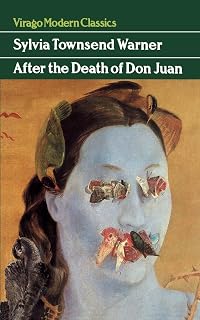
CGlanovsky A westerner stifled by the conventionality of European culture seeks fulfillment in the East.
CGlanovsky Both books deal with protagonists (one a wife and one a husband) who find themselves unable to live up to the expectations of conventional married life.
Member Reviews
Rosshalde é uma ampla propriedade rural em algum recanto da Alemanha, que abriga um casarão, jardins, vegetação silvestre e um lago. O cenário idílico evoca paz e tranquilidade, ambiente perfeito para as criações de um artista como Johann Veraguth. Suas obras fazem sucesso, e o pintor conta até com um estúdio na propriedade para trabalhar em isolamento. Tudo perfeito, porém, olhando de perto esse estúdio também é o refúgio de Johann, que deixou de conviver com sua esposa Adele no casarão.
Quarto romance do escritor alemão Hermann Hesse, “Rosshalde” é assim o retrato melancólico de um casamento fracassado. Johann e Adele encontram-se apenas na hora do almoço, uma concessão familiar pelo bem-estar de Pierre, o show more filho de sete anos do casal. Albert, o filho mais velho, vive em outra cidade para estudar – distância que também convém por conta das desavenças com o pai.
A rotina de Johann é quebrada pelas visitas casuais de Pierre. Ele ama e até se esforça para dar atenção ao filho, mas não consegue deixar de focar na tela, e a conexão é frágil. Além disso, o garoto não gosta do cheiro das tintas. O pintor se angustia entre a vontade de se realizar como artista e a dedicação à família. O quadro de solidão é rompido com a visita de Otto Burkhardt, um velho amigo. O texto é excelente, porém triste. A presença de Otto é um alívio na trama – e para os leitores. Os amigos dividem longos diálogos, garrafas de vinho e braçadas no lago. Em um momento de provação, Johann e Adele parecem se aproximar.
Gostei muito desse romance, e acabei contando parte da história, mas apesar de curta a narrativa ainda se desenvolve em outras situações. O livro tem traços autobiográficos, pois na ocasião da escrita o próprio casamento de Hesse estava abalado. E sua obra é marcada pela busca da realização e liberdade individual frente a vida em sociedade. Em 1910, o autor já explorara o tema da busca interna e externa no romance “Gertrud”.
“Rosshalde” foi lançado em 1914, pouco antes da eclosão da Primeira Guerra Mundial. tradução Julia Bussius. Essa edição da Todavia é de 2023, com tradução de Julia Bussius. A bela capa é de Luciana Facchini, com ilustração de Juan Narowé. show less
Quarto romance do escritor alemão Hermann Hesse, “Rosshalde” é assim o retrato melancólico de um casamento fracassado. Johann e Adele encontram-se apenas na hora do almoço, uma concessão familiar pelo bem-estar de Pierre, o show more filho de sete anos do casal. Albert, o filho mais velho, vive em outra cidade para estudar – distância que também convém por conta das desavenças com o pai.
A rotina de Johann é quebrada pelas visitas casuais de Pierre. Ele ama e até se esforça para dar atenção ao filho, mas não consegue deixar de focar na tela, e a conexão é frágil. Além disso, o garoto não gosta do cheiro das tintas. O pintor se angustia entre a vontade de se realizar como artista e a dedicação à família. O quadro de solidão é rompido com a visita de Otto Burkhardt, um velho amigo. O texto é excelente, porém triste. A presença de Otto é um alívio na trama – e para os leitores. Os amigos dividem longos diálogos, garrafas de vinho e braçadas no lago. Em um momento de provação, Johann e Adele parecem se aproximar.
Gostei muito desse romance, e acabei contando parte da história, mas apesar de curta a narrativa ainda se desenvolve em outras situações. O livro tem traços autobiográficos, pois na ocasião da escrita o próprio casamento de Hesse estava abalado. E sua obra é marcada pela busca da realização e liberdade individual frente a vida em sociedade. Em 1910, o autor já explorara o tema da busca interna e externa no romance “Gertrud”.
“Rosshalde” foi lançado em 1914, pouco antes da eclosão da Primeira Guerra Mundial. tradução Julia Bussius. Essa edição da Todavia é de 2023, com tradução de Julia Bussius. A bela capa é de Luciana Facchini, com ilustração de Juan Narowé. show less
This beautiful, sad and moving book is the story of a man at odds with life, himself, his wife and his sons. I enjoyed it very much.
Living in luxury in a purposefully designed building on an estate which he regards as idyllic, Johann Veraguth lives separately from his wife in the main house. Their young son, Pierre, helps to maintain the only tie that now binds them.
Johann paints to escape the loneliness and pain of the emotional wounds he bears, but his self-absorbtion only serves to further isolate him from Pierre, who hates the smell of the oils, and his wife, who does not understand his works.
Hope comes in the form of a close friend who suggests he travel to the east with him and discover a new life there. Before this plan comes to show more fruition however, tragedy strikes the family and forces them to look to each other for the strength to endure it.
Beautifully written, Hesse has a wonderful ability to create characters of truth, that illustrate the human condition in a wonderfully balanced way. The book is poignant and, for those who have ears to hear, a timely reminder to take time now to cherish the things that are truly important in life. All too soon, they will be lost to us. show less
Living in luxury in a purposefully designed building on an estate which he regards as idyllic, Johann Veraguth lives separately from his wife in the main house. Their young son, Pierre, helps to maintain the only tie that now binds them.
Johann paints to escape the loneliness and pain of the emotional wounds he bears, but his self-absorbtion only serves to further isolate him from Pierre, who hates the smell of the oils, and his wife, who does not understand his works.
Hope comes in the form of a close friend who suggests he travel to the east with him and discover a new life there. Before this plan comes to show more fruition however, tragedy strikes the family and forces them to look to each other for the strength to endure it.
Beautifully written, Hesse has a wonderful ability to create characters of truth, that illustrate the human condition in a wonderfully balanced way. The book is poignant and, for those who have ears to hear, a timely reminder to take time now to cherish the things that are truly important in life. All too soon, they will be lost to us. show less
Hermann Hesse won the Noble prize for literature in 1946 and was a literary star in the German speaking world from the publication of his novel Peter Camenzind in 1904. He died in 1962 and by then critical acclaim and book sales were passing him by. New translations of his novel in the 1960's led to a resurgence of interest in America and the West and her became a must read for counter culture aficionados. Themes such as quests for enlightenment associated with Journeys to India and the East rang those hippie bells, however if you are looking for something similar in [Rosshalde] you would be largely disappointed. Published in 1914, it has many of the hallmarks of Romanticism with its major theme of the impassioned and successful painter show more sacrificing his happiness for the sake of his art.
Johan Veraguth a very successful artist lives on a large estate in beautiful countryside and much of his work is concerned with capturing the quality of what he sees around him onto his canvas. We pick up his story when his life is approaching a crossroads of sorts. He has for some time lived apart from his wife; Adele, on the estate. She occupies the Manor House while Veraguth has built a couple of rooms attached to his studio in the grounds where he spends his nights. He meets his wife most days for lunch and they behave in a civilized way towards each other. Their 5 year old son Pierre however has become a bone of contention. Veraguth pours all his love onto his son and their is a continual battle with his wife for possession. Precocious Pierre spends time with both his mother and his father but sleeps at the Manor house. Veraguth wants to escape with Pierre from what he sees as his entrapment, but his wife will not allow this, she had won a previous battle over their older son Albert who is now devoted to her and dislikes and mistrusts his father. The arrival of Otto Buckhardt a boyhood friend of Veraguth fresh from his travels and his tea estates in India is a catalyst for action. He sees how unhappy his old friend has become with his marital situation and suggests he should go back with him to India, he has come prepared with an impressive portfolio of photographs to tempt the artist. Veraguth is torn, he wants to go back with his friend but cannot come to terms with sacrificing his love for Pierre.
It may be that Veraguth will have a physical and spiritual adventure in India, but that is not the subject of this novel because when the story finishes he has not gone. Hermann Hesse is more intent on exploring the relationship between the artist and his family and this he does in some beautiful and delicate prose. The beauty of the natural world all around gives Veraguth his inspiration for his work, but this is at the expense of the love received from his family. We learn that Adele has been an intellectually and cultural disappointment and Veraguth can no longer engage with her on that level and this has led to a loss of physical passion. Adele comes across as a strong woman in her own write, but neither of them can find the words to heal the break and they drift further apart. The arrival of their elder son home for the school holidays and a serious illness to Pierre, brings the antagonists together in such a way that they are forced to tacitly explore their feelings.
Hesse is brilliant at capturing the artist at work and the spirit that drives him onwards, and which serves to give him life. He captures perfectly the gentle manners of a family suffering a real breakdown in communications, but who are trying not to cause too much pain while they fight for the love of their children. Perhaps the guarded words and guarded feelings will not appeal to 21st century readers, but Hesse's limpid but at times sensual prose makes this a delight to read. It is told very much from Veraguths point of view and the reader is party to his innermost thoughts, which may come directly from Hesse's own life experience as his marriage was collapsing on account of his wife's mental illness. Nothing unpredictable happens, and so it is the fine writing that makes us want to follow this story to its natural conclusion. It is all over in 150 pages, but I am glad that Hesse did not take us to India, which may have spoiled this lovely structured novel. A 3.5 star read. show less
Johan Veraguth a very successful artist lives on a large estate in beautiful countryside and much of his work is concerned with capturing the quality of what he sees around him onto his canvas. We pick up his story when his life is approaching a crossroads of sorts. He has for some time lived apart from his wife; Adele, on the estate. She occupies the Manor House while Veraguth has built a couple of rooms attached to his studio in the grounds where he spends his nights. He meets his wife most days for lunch and they behave in a civilized way towards each other. Their 5 year old son Pierre however has become a bone of contention. Veraguth pours all his love onto his son and their is a continual battle with his wife for possession. Precocious Pierre spends time with both his mother and his father but sleeps at the Manor house. Veraguth wants to escape with Pierre from what he sees as his entrapment, but his wife will not allow this, she had won a previous battle over their older son Albert who is now devoted to her and dislikes and mistrusts his father. The arrival of Otto Buckhardt a boyhood friend of Veraguth fresh from his travels and his tea estates in India is a catalyst for action. He sees how unhappy his old friend has become with his marital situation and suggests he should go back with him to India, he has come prepared with an impressive portfolio of photographs to tempt the artist. Veraguth is torn, he wants to go back with his friend but cannot come to terms with sacrificing his love for Pierre.
It may be that Veraguth will have a physical and spiritual adventure in India, but that is not the subject of this novel because when the story finishes he has not gone. Hermann Hesse is more intent on exploring the relationship between the artist and his family and this he does in some beautiful and delicate prose. The beauty of the natural world all around gives Veraguth his inspiration for his work, but this is at the expense of the love received from his family. We learn that Adele has been an intellectually and cultural disappointment and Veraguth can no longer engage with her on that level and this has led to a loss of physical passion. Adele comes across as a strong woman in her own write, but neither of them can find the words to heal the break and they drift further apart. The arrival of their elder son home for the school holidays and a serious illness to Pierre, brings the antagonists together in such a way that they are forced to tacitly explore their feelings.
Hesse is brilliant at capturing the artist at work and the spirit that drives him onwards, and which serves to give him life. He captures perfectly the gentle manners of a family suffering a real breakdown in communications, but who are trying not to cause too much pain while they fight for the love of their children. Perhaps the guarded words and guarded feelings will not appeal to 21st century readers, but Hesse's limpid but at times sensual prose makes this a delight to read. It is told very much from Veraguths point of view and the reader is party to his innermost thoughts, which may come directly from Hesse's own life experience as his marriage was collapsing on account of his wife's mental illness. Nothing unpredictable happens, and so it is the fine writing that makes us want to follow this story to its natural conclusion. It is all over in 150 pages, but I am glad that Hesse did not take us to India, which may have spoiled this lovely structured novel. A 3.5 star read. show less
I have a sense of a great talent just idling here, going through the motions and nothing more. The Rosshalde country estate is a veneer of calm, rationality and reasonableness, home of a successful gentleman-artist whose estrangement from his wife is conducted in such a civilized manner as to point to great murky depths below and unspoken hate, betrayal and bitterness. But the world behind the veneer never finds a voice in this short novel. The protagonist's wife is an empty cipher. Does Hess do women at all? Other's have suggested (and I also believe) that there is an autobiographical element in the story, and I suspect that there is more than a hint of an attempt to whitewash Hesse's own part in it. So I'm looking at descriptors such show more as cheap, tawdry and exploitive, and wondering whether they should be my last words on this. I will persist with Hesse for a while longer, but this is simply trash dressed up as art. show less
A beautifully written, nuanced portrayal of a beloved child caught between feuding parents, one of whom walls himself within his studio. The child, seven-year-old Pierre, suffers from heightened sensitivity, and yet this is where the magnificence of the writing is shown. When the crisis of the situation becomes apparent, it's a heart-wrencher, but delicately crafted and totally believable. A worthwhile example of graceful sensibilties of an earlier era.
A book that explores the theme of failed marriage, parenthood, and an artist quandary of choosing between art and household life. The protagonist, Johann Veraguth, a renowned painter, is conflicted with his calling for art, and the emotional demands of his family. He suffers from a failed marriage, is estranged from his elder son, and stays within the broken household just for the sake of his younger son. The book beautifully captures the constriction of an artist whose art demands of him profound solitude, and introspection but his familial responsibilities dampen these pangs for creativity.
This is such a quietly sad novel about a family torn apart in so many ways. The only thing that hold them together at all is the small child Pierre. In many ways the setting is idyllic. Veraguth is a famous painter and they live at Rosshalde, the family estate. Yet he lives in his studio, visiting the house only for meals. Hermann Hesse writes with a freshness and simplicity that reels the reader in and hooks them.
Members
- Recently Added By
Talk Discussions
Past Discussions
1914 Hermann Hesse, Rosshalde in Literary Centennials (September 2014)
Author Information

1,011+ Works 93,707 Members
Hermann Hesse (July 2, 1877 -- August 9, 1962) was a German poet, novelist, essayist and painter. His best-known works included Steppenwolf, Siddhartha, and The Glass Bead Game, each of which explores an individual's search for authenticity, self-knowledge and spirituality. In 1946, he received the Nobel Prize in Literature. Hess publicly show more announced his views on the savagery of World War I, and was considered a traitor. He moved to Switzerland where he eventually became a naturalized citizen. He warned of the advent of World War II, predicting that cultureless efficiency would destroy the modern world. His theme was usually the conflict between the elements of a person's dual nature and the problem of spiritual loneliness. His first novel, Peter Camenzind, was published in 1904. His masterpiece, Death and the Lover (1930), contrasts a scholarly abbot and his beloved pupil, who leaves the monastery for the adventurous world. Steppenwolf (1927), a European bestseller, was published when defeated Germany had begun to plan for another war. It is the story of Haller, who recognizes in himself the blend of the human and wolfish traits of the completely sterile scholarly project. During the 1960s Hesse became a favorite writer of the counter culture, especially in the United States, though his critical reputation has never equaled his popularity. Hermann Hesse died in 1962. (Bowker Author Biography) show less
Some Editions
Awards and Honors
Notable Lists
Series
Belongs to Publisher Series
Work Relationships
Is contained in
Common Knowledge
- Canonical title
- Rosshalde
- Original title
- Roßhalde
- Original publication date
- 1914
- People/Characters
- Johann Veraguth
- Important places
- India; Rosshalde Estate
- First words
- Ten years ago when Johann Veraguth bought Rosshalde and moved in, it was an abandoned old manor with over-grown garden paths, moss-covered benches, cracked stone steps, and a tangled, neglected park. (Ralph Manheim transla... (show all)tion)
- Last words
- (Click to show. Warning: May contain spoilers.)Now he stood poor and belated in the broad daylight, and of that he meant never again to lose a precious hour. (Ralph Manheim translation)
- Original language
- German
Classifications
- Genres
- General Fiction, Fiction and Literature
- DDC/MDS
- 833.912 — Literature & rhetoric German & related literatures German fiction 1900- 1900-1990 1900-1945
- LCC
- PT2617 .E85 .R — Language and Literature German, Dutch and Scandinavian literatures German literature Individual authors or works 1860/70-1960
- BISAC
Statistics
- Members
- 1,157
- Popularity
- 21,685
- Reviews
- 17
- Rating
- (3.66)
- Languages
- 14 — Dutch, English, Finnish, French, German, Greek, Italian, Lithuanian, Polish, Portuguese, Russian, Spanish, Swedish, Turkish
- Media
- Paper, Audiobook, Ebook
- ISBNs
- 43
- ASINs
- 31