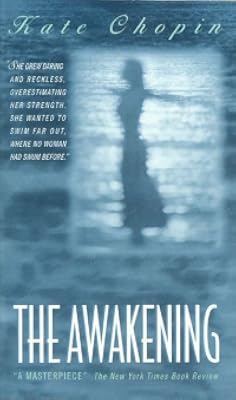
The Awakening
by Kate Chopin
On This Page
Description
Unsatisfied with the expectations of Creole society and unhappy with her family life, Edna Pontellier begins to fall in love with the dapper Robert Lebrun. Lebrun's flirtations, along with the lifestyle of renown musician Mademoiselle Reisz, rejuvenates Edna's sense of freedom and independence. However, an affair with the womanizer Alcee Arobin provides Edna with a taste of the danger that comes with living outside of social convention. Trapped between the life she is expected to live and show more the life she longs to lead, will Edna find happiness? show lessTags
Recommendations
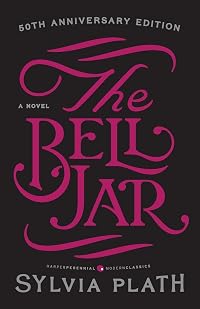
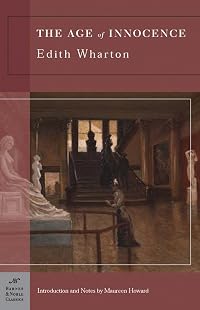

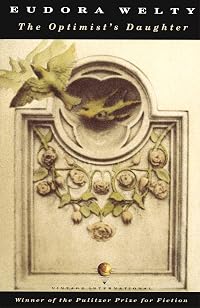
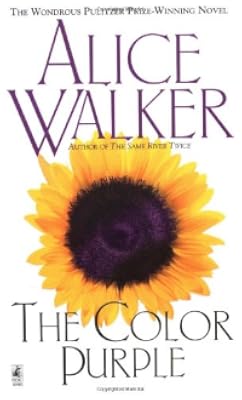
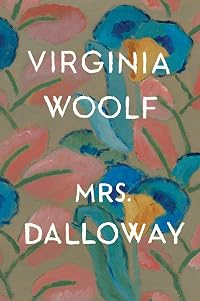
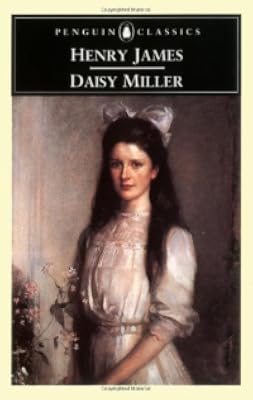
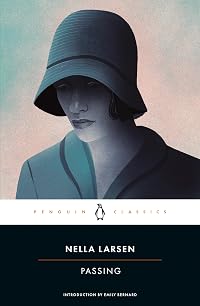
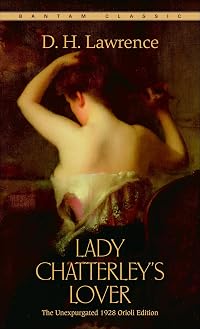
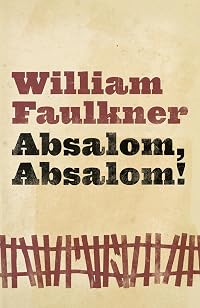
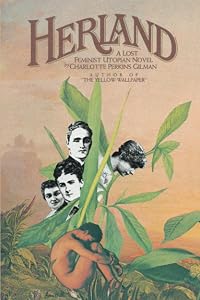






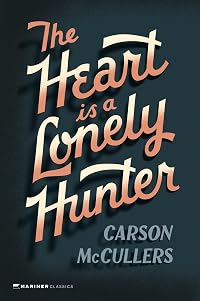
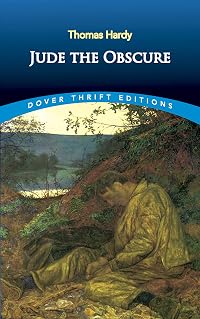
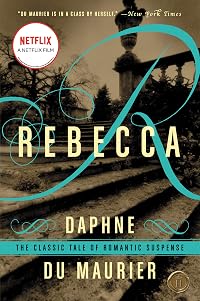
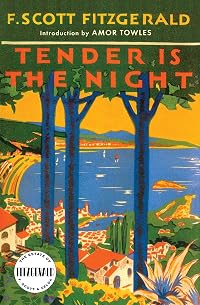
Member Recommendations
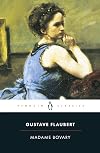
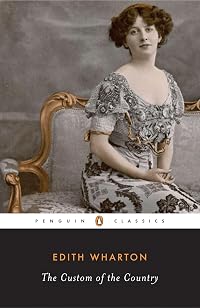
StarryNightElf This is the American version of Madame Bovary - set in turn of the century Louisiana.
Also recommended by Yells
150
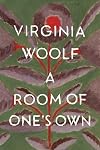
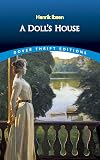
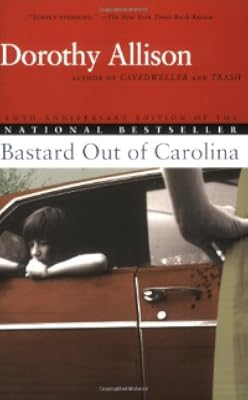
CGlanovsky A woman realizes she has a responsibility to herself that comes before that to her husband, children and societal expectations.
90




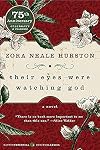
CGlanovsky Strong female protagonist causes a stir in a male-dominated society by going after the things she wants.


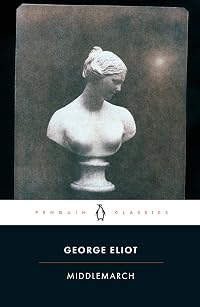
potenza Man Booker Intl finalist. Woman on the edge. Brutally feminist.

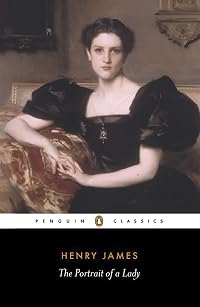
CGlanovsky Both deal with the position of women in relation to the wider world.


CGlanovsky Both books deal with protagonists (one a wife and one a husband) who find themselves unable to live up to the expectations of conventional married life.

Member Reviews
"But when she was there beside the sea, absolutely alone, she cast the unpleasant, pricking garments from her, and for the first time in her life she stood naked in the open air, at the mercy of the sun, the breeze that beat upon her, and the waves that invited her."
Peace and acceptance of the supreme loneliness of being human found in suicide... Truly not the story I should be reading, but definitely the story I needed. The ending is so happy to me—Edna finds her freedom and her peace in existing alone. I wish so desperately to find that one day too (perhaps with a bit less suicide).
Peace and acceptance of the supreme loneliness of being human found in suicide... Truly not the story I should be reading, but definitely the story I needed. The ending is so happy to me—Edna finds her freedom and her peace in existing alone. I wish so desperately to find that one day too (perhaps with a bit less suicide).
Pioneering feminist work bogged down by its emotionally distant atmosphere, without any room for complete immersion nor resonance, The Awakening tells the frustrating ambivalence and wavering desire of the unhappily married Edna Pontellier. Caught in the surging waters of domesticity, while living a comfortable life on its treacherously calm surface, Edna wades around for any sense of purpose. But she is tied by social norms, which pulls her underneath. This is exacerbated by other women, wives and mothers both, swimming around her, docile and obedient, as they trap themselves happily within the borders of opportunities or lack thereof, entirely contented by the lacklustre life laid out before them. Be a wife, be a mother, they say. Be show more grateful, they say. But Edna could not accept such a fate, yet she does not know what path to take for herself. She is neither an enthusiastic wife nor an enthusiastic mother. Kate Chopin writes this as an 'indescribable oppression, which seems to generate in some unfamiliar part of her (Edna's) consciousness'. So Edna moves her arms, tightens her muscles, does two, three strokes, cuts across these marital and maternal waters, 'she wanted to swim far out, where no woman had swum before.' Edna rebels in immoral and disagreeable ways. However, not even the temporary (false) freedom and (sly) satisfaction and (tyrannous) thrill provided by anything forbidden—as an aspiring painter, as a pining lover—satiates her soul. Every choice is impeded by a society only interested in making her a woman like a million others. What's left is to take the only thing she tightly clasps between her fingers; the only thing she owns, even if it has been (unsuccessfully) shaped into everyone's expectations. So she let the strong current swallow her, drag her down—willingly and wantonly for once. show less
“she had resolved never again to belong to anyone but herself”
Another gap in my knowledge and culture filled. To my shame, I had never heard of Kate Chopin (1850-1904), and therefore not of this sensational novel. Sensational especially because it goes against our traditional image of bourgeois society in Europe and America. In short, Chopin offers the story of the ‘self-discovery’ of Edna Pontellier as a woman. “Ha!”, I hear you shout, “Emma Bovary, Hedda Gabler, Effi Briest, Anna Karenina!” Yes, certainly, those are absolutely renowned and respected predecessors. But in this case, and therefore for the first time, it is a story written by a woman herself. Does that make a difference? Yes, you can tell: Chopin records show more the development of protagonist Edna Pontellier much more from within, with by the way also a lot of very sensual details, very unusual for that time (1899). With the other, male authors, we get to see much more of the outside. And although this story also ends tragically (we ultimately remain stuck within the boundaries of bourgeois morality), Chopin presents the process that Edna goes through much more subtly, with sometimes very telling indirect details. An additional plus - for me as an older white man of course - is that the environment in which this takes place (New Orleans with its large Creole community) is once again something different from that of the posh European bourgeoisie. show less
Another gap in my knowledge and culture filled. To my shame, I had never heard of Kate Chopin (1850-1904), and therefore not of this sensational novel. Sensational especially because it goes against our traditional image of bourgeois society in Europe and America. In short, Chopin offers the story of the ‘self-discovery’ of Edna Pontellier as a woman. “Ha!”, I hear you shout, “Emma Bovary, Hedda Gabler, Effi Briest, Anna Karenina!” Yes, certainly, those are absolutely renowned and respected predecessors. But in this case, and therefore for the first time, it is a story written by a woman herself. Does that make a difference? Yes, you can tell: Chopin records show more the development of protagonist Edna Pontellier much more from within, with by the way also a lot of very sensual details, very unusual for that time (1899). With the other, male authors, we get to see much more of the outside. And although this story also ends tragically (we ultimately remain stuck within the boundaries of bourgeois morality), Chopin presents the process that Edna goes through much more subtly, with sometimes very telling indirect details. An additional plus - for me as an older white man of course - is that the environment in which this takes place (New Orleans with its large Creole community) is once again something different from that of the posh European bourgeoisie. show less
Trapped in a loveless marriage Edna Pontellier finds herself waking up when she discovers her feelings for her friend Robert. Her married life does not fit her, even though her husband probably would have been considered a good catch at the time - he doesn't interfere with her past-time activities, sends her gifts, doesn't seem interested in other women, isn't abusive, which her father seems to have been with her mother.
She is going through the motions of being a wife and mother, caring for her children, occasionally with love, occasionally with indifference, and she is obedient with to her husband in the same manner:
However, she comes to realise that this is not enough for her.
Her husband does not take it well.
With that being their relationship - her side absent-minded submission, his taking her for granted in her role rather than taking her seriously as a person, who could be surprised that she doesn't want to keep being married to him? They have no relationship, they are both in it merely out of convenience and tradition. I don't think that she is a good role-model, but so many people still force themselves to stick it out in unhappy marriages because they can't fathom any alternatives, and neither can Edna.
Edna has to give up her life for her children, because she can't give up herself. She won't be dragged into the "soul's slavery" for their sake, but also can't undo the change in her that has taken place. I feel for her, though I wouldn't have made her choice, and I can't understand the hatred that people are aiming at her. show less
She is going through the motions of being a wife and mother, caring for her children, occasionally with love, occasionally with indifference, and she is obedient with to her husband in the same manner:
She would, through habit, have yielded to his desire, not with any sense of submission or obedience to his compellingshow more
wishes, but unthinkingly, as we walk, move, sit, stand, go through the daily tFinishedmill of the life which has been portioned out to us.
However, she comes to realise that this is not enough for her.
“I would give up the unessential, I would give my money, I would give my life for my children, but I wouldnÂt give myself. I canÂt make it more clear, itÂs only something which I am beginning to comprehend, which is revealing itself to me.Â
ÂI donÂt know what you would call the essential, or what you mean by the unessential, said Madame Ratignolle, cheerfully, Âbut a woman who would give her life for her children could do no more than thatÂyour Bible tells you so. IÂm sure I couldnÂt do more than that.Â
ÂOh, yes you could! laughed Edna.
Her husband does not take it well.
Mr. Pontellier had been a rather courteous husband so long as he met a certain tacit submissiveness in his wife. But her new and unexpected line of conduct completely bewildered him. It shocked him. Then her absolute disregard for her duties as a wife angered him.
With that being their relationship - her side absent-minded submission, his taking her for granted in her role rather than taking her seriously as a person, who could be surprised that she doesn't want to keep being married to him? They have no relationship, they are both in it merely out of convenience and tradition. I don't think that she is a good role-model, but so many people still force themselves to stick it out in unhappy marriages because they can't fathom any alternatives, and neither can Edna.
Edna has to give up her life for her children, because she can't give up herself. She won't be dragged into the "soul's slavery" for their sake, but also can't undo the change in her that has taken place. I feel for her, though I wouldn't have made her choice, and I can't understand the hatred that people are aiming at her. show less
I really loved the writing of this book. Edna is a really interesting character and it was easy to read through her "awakening". I just would have liked a little bit less of an emphasis on Robert. I usually don't love when books focus on adultery or cheating as a main plot point, but I thought it pretty much worked fine here overall. It is mostly about Edna's growth in general which I really enjoyed. She's a complicated and well-balanced character with both good and bad qualities, but overall she is very compelling. The ending was quite sad and I wouldn't say I was happy about it, but I also can't think of any other way it could have ended given the circumstances. It is a bit bleak though.
I'm not an expert on feminist literature, but it show more seems to me that this has some great foundational thoughts that I appreciated. Many of the feelings expressed here still ring very true today. It was very beautifully done. show less
I'm not an expert on feminist literature, but it show more seems to me that this has some great foundational thoughts that I appreciated. Many of the feelings expressed here still ring very true today. It was very beautifully done. show less
I can only imagine that Kate Chopin's The Awakening received bad reviews due to its divergence from the morality of the era it was published in, because it is a well-written story which only hints at the indelicate thoughts and actions of its protagonist, Edna Pontellier. As a character she reminds me of Clarissa Dalloway or Mother from Ragtime, a dreamy woman who finds herself stifled by a romance-less marriage to a man who, typical of his age, possesses her as he does his house or furniture.
The Awakening is a short, straight-forward tale, whose power comes from the anticipation and suspense Chopin builds in portraying Edna's budding realization that there is something missing in her life. The interplay between Edna and her two show more gentleman callers is a slow, entrancing waltz. Both men make love to Edna in the old-fashioned sense of the phrase - verbally, rather than physically - in sensuous (a favorite word of Chopin) flirtations that push the boundaries of acceptable behavior between a married woman and unattached men. Even the ending, easily foreseen, fits perfectly into the narrative.
To enjoy this novel you must read it with a 19th century mentality. While readers of the time found it shocking and offensive, there is nothing even mildly titillating in it*. There are several scenes where Edna is alone with one of her paramours; these are so well written that you find yourself believing a tryst occurred but realize, upon a closer reading, that nothing more than kisses were exchanged. There is also a scene in which Edna visits a pregnant friend and stays for the birth, yet there is only the mildest of indications of what transpired.
I could have assigned this as A Book You Can Read In A Day on my themed reading list; regardless, it is well worth including on your own list.
* - My Dover Thrift Edition comes with a laughable warning to "[s]ensitive readers" who might be offended that Chopin uses the word darky (or perhaps black or mulatto - after reading the book I can't imagine what they're referring to) on several occasions in the novel. I expected the n-word, at a minimum, to merit such a silly forewarning. And in a version published in 1993, no less. show less
The Awakening is a short, straight-forward tale, whose power comes from the anticipation and suspense Chopin builds in portraying Edna's budding realization that there is something missing in her life. The interplay between Edna and her two show more gentleman callers is a slow, entrancing waltz. Both men make love to Edna in the old-fashioned sense of the phrase - verbally, rather than physically - in sensuous (a favorite word of Chopin) flirtations that push the boundaries of acceptable behavior between a married woman and unattached men. Even the ending, easily foreseen, fits perfectly into the narrative.
To enjoy this novel you must read it with a 19th century mentality. While readers of the time found it shocking and offensive, there is nothing even mildly titillating in it*. There are several scenes where Edna is alone with one of her paramours; these are so well written that you find yourself believing a tryst occurred but realize, upon a closer reading, that nothing more than kisses were exchanged. There is also a scene in which Edna visits a pregnant friend and stays for the birth, yet there is only the mildest of indications of what transpired.
I could have assigned this as A Book You Can Read In A Day on my themed reading list; regardless, it is well worth including on your own list.
* - My Dover Thrift Edition comes with a laughable warning to "[s]ensitive readers" who might be offended that Chopin uses the word darky (or perhaps black or mulatto - after reading the book I can't imagine what they're referring to) on several occasions in the novel. I expected the n-word, at a minimum, to merit such a silly forewarning. And in a version published in 1993, no less. show less
The story—which I certainly imagine must have been shocking to many of its initial readers—is well constructed and patiently told. I didn’t really love the writing, but the characters, and in particular the change in Edna’s character—were very well developed.
I did not like the ending, though, in spite of it being perhaps the best writing in the entire book.I just think it would have been so much more interesting to imagine how Edna’s life would progress after—beyond—her awakening. She herself begins to imagine it, even imagining that she would eventually move on from Robert (which I think sounds right). So then why not let her live it? The book needn’t have gone into it; it might still have ended in roughly the same show more spot. Chopin might have said any number of things to simply hint at what was to come, and ended on that. I honestly think her imminent demise is the moralistic easy-way-out. I also think it hurts the power of the story as a whole, because the beauty of an awakening is really inherent in what she awakens to. And Edna has barely scratched the surface of that, as the story closes. I assumed it would end in such a way, but hoped for more, so I found it disappointing. show less
I did not like the ending, though, in spite of it being perhaps the best writing in the entire book.
Members
- Recently Added By
Lists

1001 Books You Must Read Before You Die
1,448 works; 1,134 members

The Guardian's 1000 Novels Everyone Must Read
1,005 works; 551 members

Radcliffe's 100 Best Novel of the 20th Century
100 works; 32 members

The Top Ten: Writers Pick Their Favorite Books
240 works; 31 members

Classics you know you should have read but probably haven't
421 works; 409 members

Best Feminist Literature
188 works; 26 members

Best Psychological Fiction
81 works; 16 members

Recommend the 20 best books you've read in the last five years
2,168 works; 601 members

Female Author
1,234 works; 65 members

Southern Fiction
212 works; 52 members
Favourite Books
1,819 works; 316 members
Female Protagonist
1,056 works; 57 members
Banned Books Week 2014
268 works; 63 members

Favourite 19th century fiction
257 works; 62 members

Oprah's Book Club (original and 2.0)
91 works; 21 members

Best Love Stories
107 works; 14 members

Women's Stories
88 works; 13 members

Short and Sweet
246 works; 24 members

Books Featured on Gilmore Girls
307 works; 21 members
500 Great Books by Women
507 works; 60 members

19th Century
190 works; 16 members
Harold Bloom - The Western Canon: C. The Democratic Age
336 works; 15 members
Banned or Challenged Books
400 works; 41 members
Women's reading list
50 works; 7 members
Lithub: 50 Great Classic Novels Under 200 pages
50 works; 10 members
The American Experience
173 works; 18 members

100 Most Recommended Works
100 works; 11 members
LibraryThingers' 1001 Books You Must Read Before You Die
442 works; 30 members
Literature About Women and Girls
394 works; 39 members

Western World's Greatest Books - Project Gutenberg
295 works; 15 members

Books Set in Louisiana
29 works; 8 members

Top Five Books of 2014
1,064 works; 398 members

Top Five Books of 2022
736 works; 272 members
1,001 BYMRBYD Concensus
723 works; 27 members
Out of Copyright
244 works; 14 members
Best of American Literature
146 works; 9 members

Books You Read During High School (For School)
301 works; 53 members
Readable Classics
110 works; 15 members
100 World Classics
99 works; 15 members
The Greatest Books
99 works; 5 members

Allie's Favourite 150 Books
145 works; 3 members

Rory Gilmore Book Club
193 works; 5 members

Modernism
140 works; 8 members
Carole's List
445 works; 13 members

Books Featured on Readers' Review of the Diane Rehm Show
161 works; 8 members
The College Board: 101 Great Books Recommended for College-Bound Readers
111 works; 7 members
Victorian Period
113 works; 10 members
Literary Travelogue of the United States Challenge
133 works; 6 members
Five star books
1,767 works; 110 members

Summer Books
82 works; 9 members
Overdue Podcast
806 works; 9 members

1890s
49 works; 6 members

New Orleans
13 works; 4 members

Books Read in 2020
4,379 works; 124 members

Books Read in 2015
3,299 works; 129 members

Books Read in 2022
5,226 works; 115 members

2016 UpROOTed
11 works; 1 member

My favourite books
96 works; 3 members
American Lit for Eng 11 Research Project
368 works; 6 members

Books Read in 2003
257 works; 7 members
The Complete Rory Gilmore Reading List
506 works; 5 members

American Realism
15 works; 1 member
Books We Want To Read Again For The First Time
384 works; 160 members
Great Short Books: A Year of Reading-Briefly
59 works; 4 members
School Made Us Read It
380 works; 196 members
Reading LIst
648 works; 1 member

el
1,139 works; 1 member
.
396 works; 1 member

DigitalDreamDoor top 300
300 works; 4 members

Recommended Reading : 600 Classics Reviewed, Editors of Salem Press, 2015
634 works; 6 members
Our Favorite Banned Books
138 works; 122 members
Banned Books
40 works; 2 members
Protagonists - Women
29 works; 2 members
Rory Gilmore Reading Challenge
34 works; 2 members

Mustich's 1000 Books to Read Before You Die: A Life Changing List
1,001 works; 19 members

AP Lit
363 works; 6 members
Rory Gilmore Challenge 1-100
27 works; 1 member

Greatest Books, allegedly
484 works; 9 members

My TBR
371 works; 3 members

Books Read in 2011
684 works; 20 members

Authors from the United States
245 works; 3 members

Read
293 works; 4 members
KayStJ's to-read list
1,616 works; 11 members

Tagged 19th Century
104 works; 7 members

bound
100 works; 1 member

Unread books
1,063 works; 82 members
Author Information

194+ Works 21,023 Members
Kate Chopin was born Katherine O'Flaherty in St. Louis, Missouri, on February 8, 1851. Although she was brought up in a wealthy and socially elite Catholic family, Chopin's childhood was marred by tragedies. Her father was killed in a train accident when Chopin was just four years old, and in the following years she also lost her older brother, show more great-grandmother, and half-brother. In 1870, at the age of 19, she married Oscar Chopin, the son of a wealthy cotton-growing family in Louisiana. The couple had seven children together, five boys and two girls, before Oscar died of swamp fever in 1883. The following year, Chopin packed up her family and moved back to St. Louis to be with her mother, who died just a year later. To support herself and her family, Chopin started to write. Her first novel, At Fault, was published in 1890. Her most famous work, The Awakening, inspired by a real-life New Orleans woman who committed adultery, was published in 1899. The book explores the social and psychological consequences of a woman caught in an unhappy marriage in 19th century America, is now considered a classic of the feminist movement and caused such an uproar in the community that Chopin almost entirely gave up writing. Chopin did try her hand at a few short stories, most of which were not even published. Chopin died on August 22, 1904, of a brain hemorrhage, after collapsing at the World's Fair just two days before. (Bowker Author Biography) show less
Some Editions
Awards and Honors
Awards
Notable Lists
Daniel S. Burt's Novel 100 (063 – 63)
Series
Belongs to Publisher Series
edition fünf (2)
rororo neue frau (4507)
Penguin American Library (PAL22)
Penguin English Library, 2012 series (2018-06)
insel taschenbuch (2149)
Work Relationships
Is contained in
Kate Chopin: Complete Novels and Stories: At Fault / Bayou Folk / A Night in Acadie / The Awakening / Uncollected Stories (Library of America) by Kate Chopin
Works of Kate Chopin. Including The Awakening, At Fault, The Story of an Hour, Desiree's Baby, A Respectable Woman and more. Published by MobileReference (mobi) by Kate Chopin
Has the adaptation
Is abridged in
Has as a reference guide/companion
Has as a study
Has as a commentary on the text
Has as a student's study guide
Common Knowledge
- Canonical title*
- De ontnuchtering
- Original publication date
- 1899
- People/Characters
- Edna Pontellier; Léonce Pontellier; Robert Lebrun; Alcée Arobin; Adèle Ratignolle; Mademoiselle Reisz
- Important places
- New Orleans, Louisiana, USA; Louisiana, USA; Grand Isle, Louisiana, USA; Mexico
- Related movies
- Grand Isle (1991 | IMDb)
- First words
- A green and yellow parrot, which hung in a cage outside, kept repeating over and over:
"Allez vous-en! Allez vous-en! Sapristi! That's all right!" - Quotations
- The voice of the sea is seductive; never ceasing, whispering, clamoring, murmuring, inviting the soul to wander for a spell in abysses of solitude; to lose itself in mazes of inward contemplation. The voice of the sea speaks ... (show all)to the soul.
She missed him the days when some pretext served to take him away from her, just as one misses the sun on a cloudy day without having thought much about the sun when it was shining.
The years that are gone seem like dreams – if one might go on sleeping and dreaming – but to wake up and find – oh! Well! Perhaps it is better to wake up after all, even to suffer, rather than to remain a dupe to illusi... (show all)ons all one’s life. - Last words
- (Click to show. Warning: May contain spoilers.)There was the hum of bees, and the musky odor of pinks filled the air.
- Blurbers*
- Wilson, Edmund
*Some information comes from Common Knowledge in other languages. Click "Edit" for more information.
Classifications
Statistics
- Members
- 10,266
- Popularity
- 955
- Reviews
- 208
- Rating
- (3.61)
- Languages
- 14 — Catalan, Chinese, Czech, Dutch, English, Finnish, French, German, Italian, Korean, Polish, Portuguese, Spanish, Swedish
- Media
- Paper, Audiobook, Ebook
- ISBNs
- 336
- UPCs
- 5
- ASINs
- 91