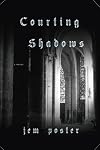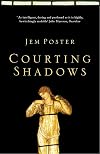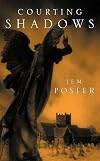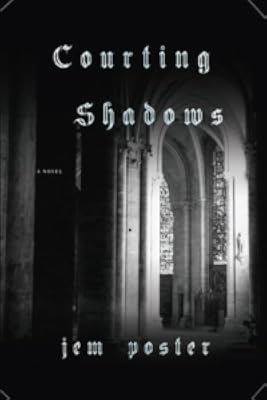
Courting Shadows
by Jem Poster
On This Page
Description
In the winter of 1881 John Stannard, a young architect, is in self-imposed exile in a remote English village, carrying out repairs to the parish church. Arrogant and insensitive to what he considers superstition and sentimental attachment to the past, he soon begins to inflict serious damage on the ancient building as well as on those with whom he comes into contact - most notably the beautiful ambitious young local girl Ann Rosewell. This is the mesmerising tale of a man who clings show more ferociously to his warped notion of civilised behaviour, unwilling to admit his need for love. Set in a vividly evoked landscape and taut with foreboding, Jem Poster's striking first novel pits reason against emotion, progress against preservation, and explores our capacity for invention and self-delusion - the stories we tell each other and the stories we tell ourselves. show lessTags
Recommendations

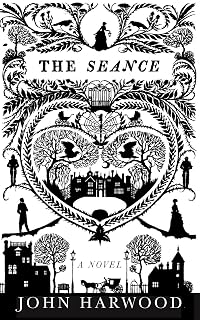
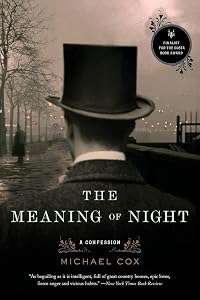
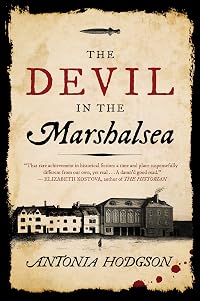
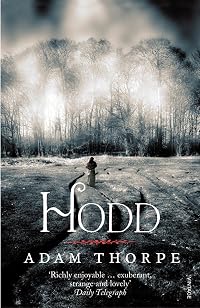


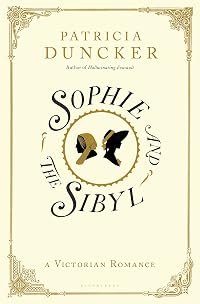

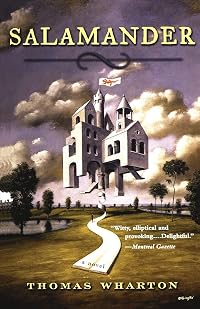
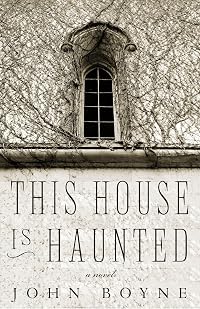
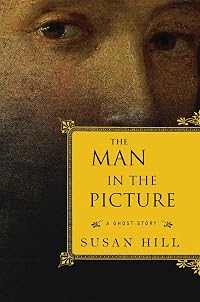




Member Recommendations

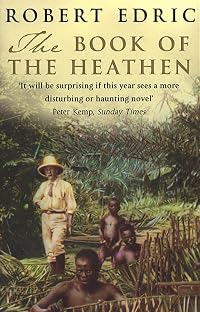
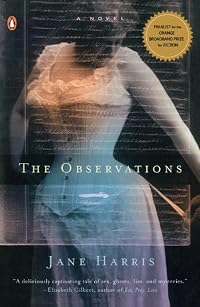
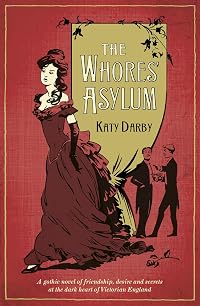
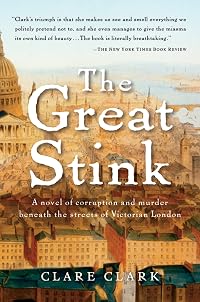
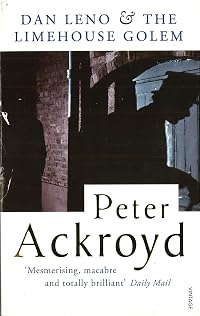
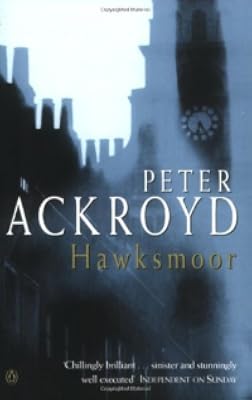
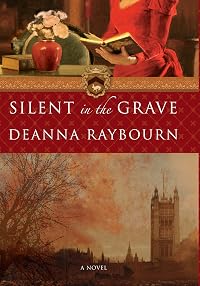
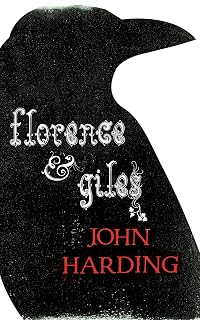
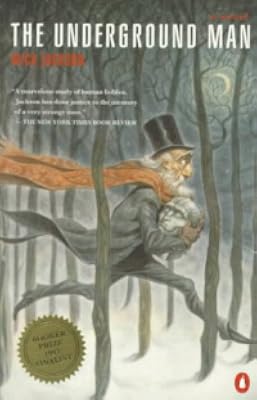
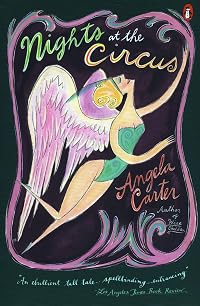
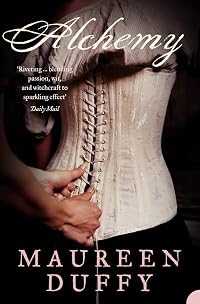
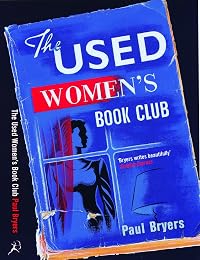
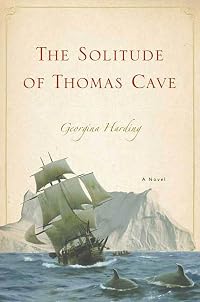
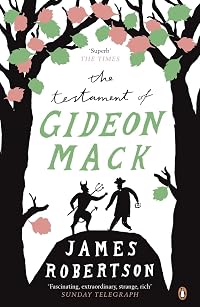
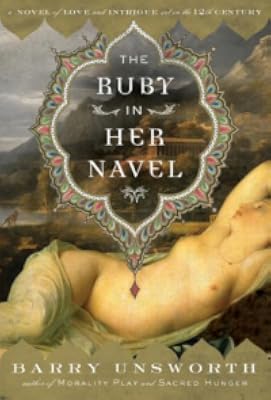
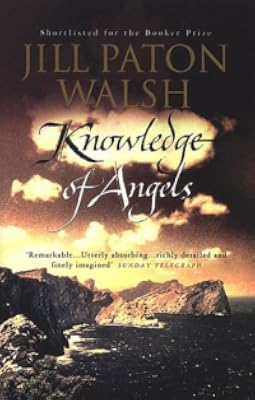
ehines Very different books, but both the Merrily Watkins series and Courting Shadows are deeply concerned with the places where the deeply ingrained beliefs of the English countryside run up against more "sophisticated" or cosmopolitan views from outside. And both are much concerned with the actual fabric of the county village.
Member Reviews
I was frustrated because I wanted more to happen – it felt like he was setting up the elements of a classic Gothic novel: Redbourne, the Creepy Nobleman [Redbourne might not be noble, but that's the function he's carrying out] in a Weird Home who lives alone and interferes in the main story for reasons of his own; Ann, the Maiden; the strange paintings and carvings in the church; weird possible incest with Daniel and Ann; Stannard's visions; the unearthing of a coffin with a strangely undecayed woman in it. But then he does nothing with most of those elements.
One of my biggest frustrations with books that might have something supernatural going on but the author wants to be cagey about it is releasing or not releasing the tension show more created by the atmosphere. Poster is very good at prose and atmosphere. But there's no release at all. I don't want everything to be explained, and I definitely don't want it to have a climatic overt supernatural action of some sort, but there has to be more to a book than there was to this one.
Stannard is awful, and is meant to be awful, but he never realizes it, so his character never changes & he doesn't get insight into himself or into, really, anything; the end is ambiguous, but not really in an interesting way; about three quarters of the threads Poster introduces are dropped. I don't think an interesting narrator (and Stannard was interesting) and the concept "well-off Victorian men could be unpleasant and blinded by class and other prejudice" are enough to hang the weight of even a short book on. show less
One of my biggest frustrations with books that might have something supernatural going on but the author wants to be cagey about it is releasing or not releasing the tension show more created by the atmosphere. Poster is very good at prose and atmosphere. But there's no release at all. I don't want everything to be explained, and I definitely don't want it to have a climatic overt supernatural action of some sort, but there has to be more to a book than there was to this one.
Stannard is awful, and is meant to be awful, but he never realizes it, so his character never changes & he doesn't get insight into himself or into, really, anything; the end is ambiguous, but not really in an interesting way; about three quarters of the threads Poster introduces are dropped. I don't think an interesting narrator (and Stannard was interesting) and the concept "well-off Victorian men could be unpleasant and blinded by class and other prejudice" are enough to hang the weight of even a short book on. show less
A truly unlikeable narrator. John Stannard, a very haughty architect, attempts to renovate an old English church in the countryside in the 1880's. Having no sympathy for anything or anybody, he proceeds to wreak havoc and destruction in the church and to the people in the town, especially a young woman he meets.
There is very little action in this book, especially in the beginning. The pace of this novel is slow and haunting - picture every day being cold and gray and wet. Something bad is always happening. John justifies all of it, telling himself he can't possibly be in the wrong.
I was curious to see how this all turned out in the end. The pace quickens toward the end. It is a story about stories and how everyone's viewpoint is just show more slightly off from the actual truth. show less
There is very little action in this book, especially in the beginning. The pace of this novel is slow and haunting - picture every day being cold and gray and wet. Something bad is always happening. John justifies all of it, telling himself he can't possibly be in the wrong.
I was curious to see how this all turned out in the end. The pace quickens toward the end. It is a story about stories and how everyone's viewpoint is just show more slightly off from the actual truth. show less
Very well-written but rather unpleasant novel about a Victorian architect who goes to restore a country church. He is a nasty character who causes trouble all around him.
Not only was I mesmerized by this story, I studied fiction under Jem Poster at the University of Aberystwyth in 2009-10. His ability to spin a lyrical tale and his precise, poetic-sounding delivery while reading from his work is astounding.
Ratings
Members
- Recently Added By
Author Information
6+ Works 117 Members
Jem Poster is Lecturer in Literature with Oxford University's Department for Continuing Education and a Fellow of Kellogg College, and since 1998 he has been director of the department's Diploma in Creative Writing.
Classifications
Statistics
- Members
- 53
- Popularity
- 573,706
- Reviews
- 4
- Rating
- (3.55)
- Languages
- English, Spanish
- Media
- Paper, Ebook
- ISBNs
- 5