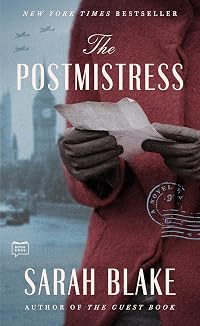
The Postmistress
by Sarah Blake
On This Page
Description
In London covering the Blitz with Edward R. Murrow, Frankie Bard meets a Cape Cod doctor in a shelter and promises that she'll deliver a letter for him when she finally returns to the United States. Filled with stunning parallels to today's world, "The Postmistress" is a sweeping novel about the loss of innocence of two extraordinary women--and of two countries torn apart by war.Tags
Recommendations
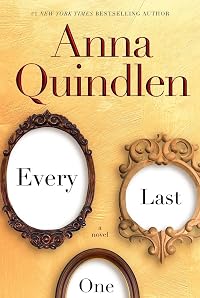
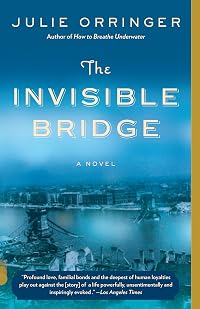
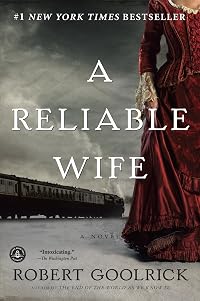
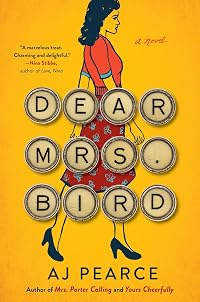
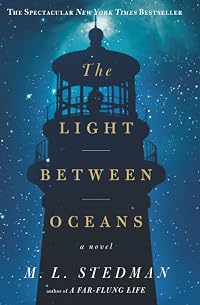



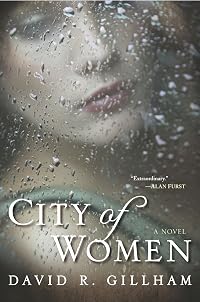
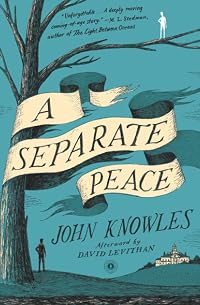
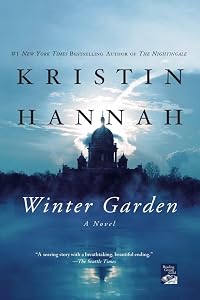
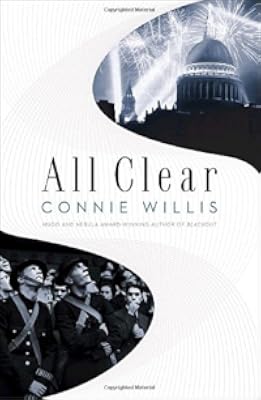
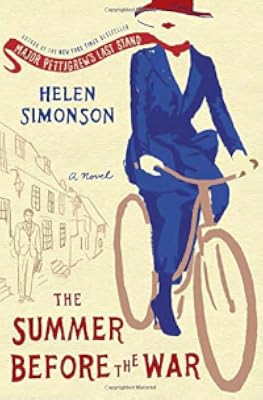
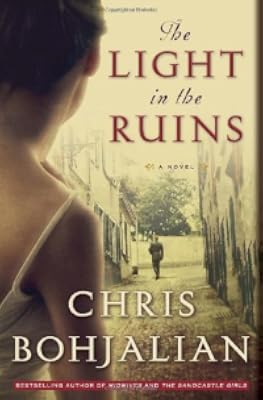

Member Recommendations
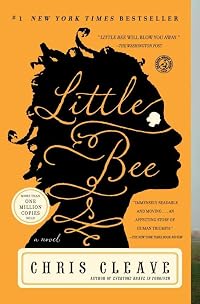
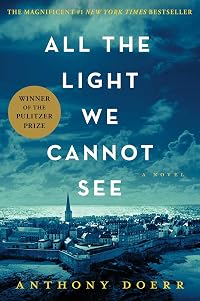
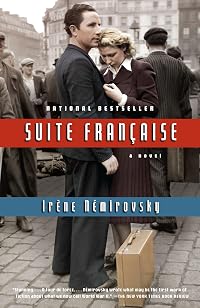
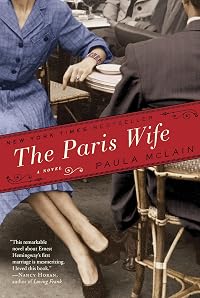
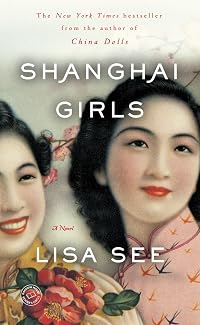
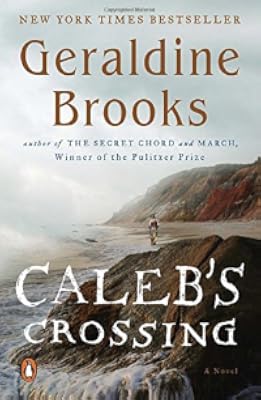
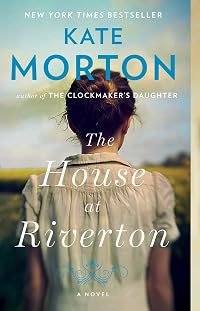
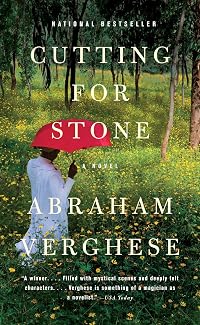
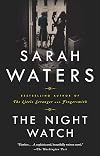
anonymous user Both novels reflect on World War II from small, seaside towns, one an island in Europe, the other a small town in Cape Cod. The female leads are unique and interesting and are surrounded by great small town people.
251
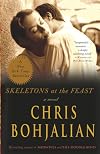
kiwiflowa both have female protagonists and are about the London Blitz during WWII
40

Member Reviews
I probably should have abandoned this book, but at some point I had invested enough time in listening to it that I decided to stick it out to the bitter end. It didn't help that my listening stretched over a month as first my iPod quit working (thankfully under warranty) and I had to send it in for a replacement, then I had surgery and mostly watched TV during my recovery. For a while I thought these interruptions might have had something to do with the trouble I had with becoming engaged in the story, but I've concluded that the problem was the story itself. The one bright spot was that I got to listen to the narration of the very talented Orlagh Cassidy, a reader I first encountered in the audio version of the Maisie Dobbs novels.
The show more story follows the lives of three women, only one of whom was the postmistress of the title, during the early months of World War II, before the U.S. entrance into the war. Iris (the postmistress) and Emma live in a small Cape Cod town, and both are newcomers. Emma is the doctor's bride. Frankie is an American journalist covering the Blitz in London, where she works with the legendary Edward R. Murrow. The three women are brought together by a tragedy.
The women allow their emotions to form their beliefs rather than the other way around. They came across to me as selfish and somewhat shallow. Iris and Frankie both keep news of a tragedy from Emma by rationalizing that they're protecting Emma, but they're really protecting themselves from what they know will be an unpleasant experience. Their incessant brooding over what they knew that Emma didn't know tried my patience almost beyond endurance.
I also disliked Frankie's attitude of moral superiority regarding the plight of the Jews in Europe. Frankie was first outraged and then depressed because of the perceived apathy of average Americans about the situation. I couldn't forget that the people Frankie was condemning were just coming out of a decade of economic depression, with widespread unemployment, hunger, and suffering. Knowing what I know on this side of history, I wish that more people had been aware of the extent of the suffering of the European Jews and had done more to prevent the terrible things that happened to them. However, Frankie seemed to forget that it might be difficult for people to focus on the suffering of unseen people an ocean away when there are many people suffering in their own communities. show less
The show more story follows the lives of three women, only one of whom was the postmistress of the title, during the early months of World War II, before the U.S. entrance into the war. Iris (the postmistress) and Emma live in a small Cape Cod town, and both are newcomers. Emma is the doctor's bride. Frankie is an American journalist covering the Blitz in London, where she works with the legendary Edward R. Murrow. The three women are brought together by a tragedy.
The women allow their emotions to form their beliefs rather than the other way around. They came across to me as selfish and somewhat shallow. Iris and Frankie both keep news of a tragedy from Emma by rationalizing that they're protecting Emma, but they're really protecting themselves from what they know will be an unpleasant experience. Their incessant brooding over what they knew that Emma didn't know tried my patience almost beyond endurance.
I also disliked Frankie's attitude of moral superiority regarding the plight of the Jews in Europe. Frankie was first outraged and then depressed because of the perceived apathy of average Americans about the situation. I couldn't forget that the people Frankie was condemning were just coming out of a decade of economic depression, with widespread unemployment, hunger, and suffering. Knowing what I know on this side of history, I wish that more people had been aware of the extent of the suffering of the European Jews and had done more to prevent the terrible things that happened to them. However, Frankie seemed to forget that it might be difficult for people to focus on the suffering of unseen people an ocean away when there are many people suffering in their own communities. show less
For me, this book was less about Iris James, the small town postmistress in Cape Cod from whom the book gets its title, and more about Frankie Bard, an American, and pioneering female radio journalist based in London and Europe during the early years of World War II. Frankie tries to bring the stories of World War II, the Blitz, and the plight of Europe’s Jewish refugees into American homes before Americans are involved in the war.
While I loved The Night Circus and The Book of Lost Things for the questions they raised about the nature, purpose and power of fictional stories, I loved The Postmistress because of the questions it raised about 'real life' stories. What can one person do in the face of suffering they are powerless to show more change? How many times can you tell the same stories, hoping to influence people that sometimes seem determined to shut out anything that they don’t want to hear? How important is it nevertheless to witness and to tell stories about this suffering? How do you retain a journalists sense of ‘neutrality’ and ‘objectivity’, when you witness such horrors, and confront first-hand the world’s apathy to what you've seen? And what sort of a toll does it take, knowing that all you can do is to tell these stories, and that you may never know the end of the stories that you tell?
I found this book very thought-provoking. It reminded me of States of Denial, a non fiction exploration of the reasons why people sometimes can't or don't see - or choose not to see - what's happening right in front of them.
I wasn't entirely happy with the liberties Blake reports taking with history in her note at the end of the novel, but I'm very glad that she does report this, and I appreciate the way in which it helps her flesh out some of these very interesting themes. show less
While I loved The Night Circus and The Book of Lost Things for the questions they raised about the nature, purpose and power of fictional stories, I loved The Postmistress because of the questions it raised about 'real life' stories. What can one person do in the face of suffering they are powerless to show more change? How many times can you tell the same stories, hoping to influence people that sometimes seem determined to shut out anything that they don’t want to hear? How important is it nevertheless to witness and to tell stories about this suffering? How do you retain a journalists sense of ‘neutrality’ and ‘objectivity’, when you witness such horrors, and confront first-hand the world’s apathy to what you've seen? And what sort of a toll does it take, knowing that all you can do is to tell these stories, and that you may never know the end of the stories that you tell?
I found this book very thought-provoking. It reminded me of States of Denial, a non fiction exploration of the reasons why people sometimes can't or don't see - or choose not to see - what's happening right in front of them.
I wasn't entirely happy with the liberties Blake reports taking with history in her note at the end of the novel, but I'm very glad that she does report this, and I appreciate the way in which it helps her flesh out some of these very interesting themes. show less
The Postmistress is a novel of if. "If I tell this story in exactly the right way, people will hear it and act on it," thinks the reporter. "If I don't make mistakes, the system will be perfect and chaos and random chance will be kept at bay," thinks the postmistress. "If I think hard enough about my husband being safe, he will be," thinks the woman left at home as her husband goes off to London during the Blitz. But if is a double-edged word and sometimes it falls the other way, and we're left thinking, "If only I had done this or hadn't done that, then this other thing would never have happened."
Beautiful. I opened this novel, already in love with the cover, and fell in love with the writing contained within. It's not a beauty that show more keeps you at arm's distance. It's a beauty that seductively whispers, "Come closer. Read what I have to say. See what I'm showing you." And then it shows you the chaos of war, and how helpless we are before it. It shows you how it's human nature to avoid seeing what we don't want to see, or to avoid acting when it's easier to stay safely at home with our heads in the sand.
Haunting. I am going to be haunted by Frankie's story for a long time. I should perhaps relate more to the wife than the reporter, but Frankie's stories have left a mark on my soul. She's in London, and then she's in Europe in the refugee trains, and all the time she is beating against the world's indifference, shouting, "This is happening, and it's happening in numbers you can't imagine. And it's getting worse every day. Pay attention! Please, just pay attention." And the world doesn't pay attention, and the horror worsens.
Read it. It's not always easy; war stories never are. But we still have a duty to pay attention, even--or perhaps especially--to the past. show less
Beautiful. I opened this novel, already in love with the cover, and fell in love with the writing contained within. It's not a beauty that show more keeps you at arm's distance. It's a beauty that seductively whispers, "Come closer. Read what I have to say. See what I'm showing you." And then it shows you the chaos of war, and how helpless we are before it. It shows you how it's human nature to avoid seeing what we don't want to see, or to avoid acting when it's easier to stay safely at home with our heads in the sand.
Haunting. I am going to be haunted by Frankie's story for a long time. I should perhaps relate more to the wife than the reporter, but Frankie's stories have left a mark on my soul. She's in London, and then she's in Europe in the refugee trains, and all the time she is beating against the world's indifference, shouting, "This is happening, and it's happening in numbers you can't imagine. And it's getting worse every day. Pay attention! Please, just pay attention." And the world doesn't pay attention, and the horror worsens.
Read it. It's not always easy; war stories never are. But we still have a duty to pay attention, even--or perhaps especially--to the past. show less
Set on both sides of the Atlantic during the early months of WWII, this is a compelling novel that pulls us right into the lives of Iris James, the Postmaster at Franklin Mass on Cape Cod, Emma Fitch, new bride of the town's doctor, Harry Vale, a WWI vet who is convinced that the Germans will land a Uboat on Cape Cod; and of Frankie Bard, the radio reporter working with Edward R. Murrow during the Blitz in London.
Miss James is determined to maintain order and discipline in her life. The mail will be stamped and delivered on time without pause. Harry Vale wants her to lower the Post Office's flag pole by several feet, claiming it serves as a beacon to Germans off-shore. Iris balks at that suggestion, but agrees to petition the postal show more department for permission.
Emma, still recovering from a feeling of being abandoned by parents who have died, clings to her husband trying to establish an identity in this small town. After listening to Frankie Bard's emotional broadcasts about the hardships being endured by the British during the bombing of London, and after other events I'll leave to the readers (I DON'T DO SPOILERS), Dr. Fitch leaves behind his practice, his town, and his bride to go to London to help the many victims of the bombings. He writes to Emma every night, and she mails him a letter every day. He promises he will return after six months. When his letters suddenly stop, Emma becomes more detached, and Iris, as she watches her continue to mail her daily letter, becomes more concerned.
On the other side of the Atlantic, Frankie meets Dr Fitch in an air raid shelter one evening, and emerges to find her apartment destroyed and her roomate (who had been covering the Jewish story) dead. She convinces Murrow to let her go behind the war lines into Germany to find out what is really going on with the Jews. She goes through France and Germany, gathering stories but not sure how (or whether) she will be able to tell them.
It is difficult to write about this story without spoiling the ending. It's not necessarily a mystery, but this is a nuanced, evolving study of the impact of trauma, callousness, abandonment, death, and cruelty on the human beings who must live through war, and whose ability to survive, whose very humanity is constantly tested. Frankie's stories of horror and personal suffering are particularly poignant and her mental anguish as she struggles to find a frame in which to report them, are a cogent and mesmerizing thread pulling us along to an inevitable and powerful ending.
I encourage the reader NOT to read the cover blurb. The 'hint' there about what is going to happen is overplayed, and comes so late in the story, that it is better left behind. The forceful march to the inescapable ending,and her exquisite character development make this a compelling page-turner. It is a five star read, and the reader needs no road map to enjoy the journey. show less
Miss James is determined to maintain order and discipline in her life. The mail will be stamped and delivered on time without pause. Harry Vale wants her to lower the Post Office's flag pole by several feet, claiming it serves as a beacon to Germans off-shore. Iris balks at that suggestion, but agrees to petition the postal show more department for permission.
Emma, still recovering from a feeling of being abandoned by parents who have died, clings to her husband trying to establish an identity in this small town. After listening to Frankie Bard's emotional broadcasts about the hardships being endured by the British during the bombing of London, and after other events I'll leave to the readers (I DON'T DO SPOILERS), Dr. Fitch leaves behind his practice, his town, and his bride to go to London to help the many victims of the bombings. He writes to Emma every night, and she mails him a letter every day. He promises he will return after six months. When his letters suddenly stop, Emma becomes more detached, and Iris, as she watches her continue to mail her daily letter, becomes more concerned.
On the other side of the Atlantic, Frankie meets Dr Fitch in an air raid shelter one evening, and emerges to find her apartment destroyed and her roomate (who had been covering the Jewish story) dead. She convinces Murrow to let her go behind the war lines into Germany to find out what is really going on with the Jews. She goes through France and Germany, gathering stories but not sure how (or whether) she will be able to tell them.
It is difficult to write about this story without spoiling the ending. It's not necessarily a mystery, but this is a nuanced, evolving study of the impact of trauma, callousness, abandonment, death, and cruelty on the human beings who must live through war, and whose ability to survive, whose very humanity is constantly tested. Frankie's stories of horror and personal suffering are particularly poignant and her mental anguish as she struggles to find a frame in which to report them, are a cogent and mesmerizing thread pulling us along to an inevitable and powerful ending.
I encourage the reader NOT to read the cover blurb. The 'hint' there about what is going to happen is overplayed, and comes so late in the story, that it is better left behind. The forceful march to the inescapable ending,and her exquisite character development make this a compelling page-turner. It is a five star read, and the reader needs no road map to enjoy the journey. show less
 This review was written for LibraryThing Early Reviewers.
Frankie Bard is a young journalist at the height of her career when she finds herself in London during the Blitz, walking the streets and finding the stories which she is tasked with reporting objectively. An ocean away, in the small (fictional) town of Franklin on the tip of Cape Cod, Iris James works as the postmistress. Dedicated to her job, she believes that order and rules will keep everyone safe. Iris’s only risk in life is in love as she begins to envision a future with Harry Vale who spends hours high in the tower of the town hall, searching the waters for German U-boats. Also living in Franklin is Emma, newly wedded to the town’s doctor, Will. America has yet to enter the war raging in Europe and no one can imagine that show more they could possibly be in danger. But for each character, the war will touch their lives.
The Postmistress seesaws back and forth from Europe to America. When a routine child birthing goes horribly wrong, Will decides to go to London, hoping to make a difference. He leaves behind Emma who walks each day to the post office to pick up Will’s letters and leave her own to find their way back to him. Meanwhile Frankie reports the news from London – news which touches the people of Franklin, and which, for many, is too much for them to hear. As the Blitz continues with bombs falling nightly on London, Frankie begs her boss to send her into France where it is rumored that Jewish people are being rounded up. When her wish is granted, the war suddenly becomes very personal to Frankie.
Surely God ought to look down and see that one part of the story had been separated from the other, and find a way, somehow, to put them side by side. How could He stand these gaps, these enormous valleys of silence? And Europe was full of people vanishing into this quiet. – from The Postmistress, page 218 -
For Iris, a woman who has always prided herself on delivering the mail faithfully, there comes a moment when a letter arrives which she chooses to keep undelivered. She decides instead, to keep watch, to take care, to safeguard another from harm.
The Postmistress is historical fiction, but it is so much more. This is not your typical war story – instead it tells the individual stories which slide around the edges of the war.
Those tiny red lights in the dark going forward and moving away, those single Lucky Strikes, that’s what it was to be human. We lived and died, all of us – lucky strikes. Single lights and voices in the dark. – from The Postmistress, page 165 -
I found myself mesmerized by this novel which examines the very human need to shield ourselves and those we love from horror. While America sat isolated across an ocean, tens of thousands of people were being rounded up, murdered, and imprisoned – and yet that story was one which went largely unreported in the early years of WWII. When Frankie Bard decides to capture the voices of the Jews riding the trains through Europe, she is stunned by their stories. She is overwhelmed that for many of these people, she will never know what happens. The weight of this knowledge silences her – and she becomes a journalist who can no longer tell the story and deliver the news.
Some stories don’t get told. Some stories you hold on to. To stand and watch and hold it in your arms was not cowardice. To look straight at the beast and feel its breath on your flanks and not to turn – one could carry the world that way. – from The Postmistress, page 342 -
What I found most memorable about this book – apart from the poignant, beautifully crafted writing – was how the message it delivers is as current today as it was in the early 1940s. The character of Frankie keeps telling everyone “Pay attention.” Life itself depends on this for one of the characters, but in the larger picture what Frankie is saying is to take notice, learn from our mistakes, sit up and be aware, don’t look the other way. Who among us does not wish to shut off the nightly news when it gets a little too raw or violent? Don’t we sometimes want to deny others’ suffering lest it make us feel that we must do something instead of nothing? Throughout history wars have been fought, human rights have been disregarded, and the suffering of others has been buried beneath political messages. What Blake so aptly does in her novel is put a human face to the horror of war and to remind us that looking away has consequences.
The Postmistress has been getting rave reviews everywhere – and they are well deserved. Blake’s writing is sensitive, observant, and filled with the simple truths of what makes us human. I loved this book. I loved its tempo, its characters, and its message. I found nothing between its pages to criticize. Readers of historical fiction as well as literary fiction will be swept away by The Postmistress.
Highly recommended. show less
The Postmistress seesaws back and forth from Europe to America. When a routine child birthing goes horribly wrong, Will decides to go to London, hoping to make a difference. He leaves behind Emma who walks each day to the post office to pick up Will’s letters and leave her own to find their way back to him. Meanwhile Frankie reports the news from London – news which touches the people of Franklin, and which, for many, is too much for them to hear. As the Blitz continues with bombs falling nightly on London, Frankie begs her boss to send her into France where it is rumored that Jewish people are being rounded up. When her wish is granted, the war suddenly becomes very personal to Frankie.
Surely God ought to look down and see that one part of the story had been separated from the other, and find a way, somehow, to put them side by side. How could He stand these gaps, these enormous valleys of silence? And Europe was full of people vanishing into this quiet. – from The Postmistress, page 218 -
For Iris, a woman who has always prided herself on delivering the mail faithfully, there comes a moment when a letter arrives which she chooses to keep undelivered. She decides instead, to keep watch, to take care, to safeguard another from harm.
The Postmistress is historical fiction, but it is so much more. This is not your typical war story – instead it tells the individual stories which slide around the edges of the war.
Those tiny red lights in the dark going forward and moving away, those single Lucky Strikes, that’s what it was to be human. We lived and died, all of us – lucky strikes. Single lights and voices in the dark. – from The Postmistress, page 165 -
I found myself mesmerized by this novel which examines the very human need to shield ourselves and those we love from horror. While America sat isolated across an ocean, tens of thousands of people were being rounded up, murdered, and imprisoned – and yet that story was one which went largely unreported in the early years of WWII. When Frankie Bard decides to capture the voices of the Jews riding the trains through Europe, she is stunned by their stories. She is overwhelmed that for many of these people, she will never know what happens. The weight of this knowledge silences her – and she becomes a journalist who can no longer tell the story and deliver the news.
Some stories don’t get told. Some stories you hold on to. To stand and watch and hold it in your arms was not cowardice. To look straight at the beast and feel its breath on your flanks and not to turn – one could carry the world that way. – from The Postmistress, page 342 -
What I found most memorable about this book – apart from the poignant, beautifully crafted writing – was how the message it delivers is as current today as it was in the early 1940s. The character of Frankie keeps telling everyone “Pay attention.” Life itself depends on this for one of the characters, but in the larger picture what Frankie is saying is to take notice, learn from our mistakes, sit up and be aware, don’t look the other way. Who among us does not wish to shut off the nightly news when it gets a little too raw or violent? Don’t we sometimes want to deny others’ suffering lest it make us feel that we must do something instead of nothing? Throughout history wars have been fought, human rights have been disregarded, and the suffering of others has been buried beneath political messages. What Blake so aptly does in her novel is put a human face to the horror of war and to remind us that looking away has consequences.
The Postmistress has been getting rave reviews everywhere – and they are well deserved. Blake’s writing is sensitive, observant, and filled with the simple truths of what makes us human. I loved this book. I loved its tempo, its characters, and its message. I found nothing between its pages to criticize. Readers of historical fiction as well as literary fiction will be swept away by The Postmistress.
Highly recommended. show less
A gripping narrative about World War II told by Americans on two different continents. A young reporter in London seeks to make sense of the Blitz but when her work takes her to Europe and the horde of fleeing Jews, she is swamped by her own helplessness. How can she make Americans understand the ongoing tragedy of the Holocaust?
Meanwhile in rural Massachusetts, a small town along the coast remains mostly unaffected by the European war. But after the local doctor has one of his patients die on him, he leaves his young wife behind and throws himself under the bombs in London. He professes a desire to do his part but he is driven by guilt and despair. When he dies, the local postmistress decides not to deliver the notice of his death, show more fearing the impact it will have on his sensitive wife, now pregnant and alone.
These compelling voices and characters come to life under the thoughtful hand of the writer. The narrative kept me in thrall from beginning to end. Beautiful. show less
Meanwhile in rural Massachusetts, a small town along the coast remains mostly unaffected by the European war. But after the local doctor has one of his patients die on him, he leaves his young wife behind and throws himself under the bombs in London. He professes a desire to do his part but he is driven by guilt and despair. When he dies, the local postmistress decides not to deliver the notice of his death, show more fearing the impact it will have on his sensitive wife, now pregnant and alone.
These compelling voices and characters come to life under the thoughtful hand of the writer. The narrative kept me in thrall from beginning to end. Beautiful. show less
There will be plenty of readers who will love this, but unfortunately it wasn’t my cup of tea. The story sounded interesting enough – an American view of WWII at a stage when they were not actively involved, but some people feared a Nazi invasion at any time. I followed it – just about – but found the writing style difficult to negotiate. This was imagery that was designed to challenge rather than to enlighten. Its very first line perplexed me with reference to someone returning to “the busy blank of the city” – a piece of imagery that didn’t work on any level in my head. It was a bit like arriving at a party and snagging my tights on the door frame. It set the tone for the whole experience.
It wasn’t totally negative show more – there were scattered examples of really powerful writing – wartime London, the woman and her son on the train to Spain, the birth-gone-wrong, Iris wondering whether to get her certificate out or not. But ultimately it remained words on a page, because I could not get close to any of these characters. They didn’t converse as normal people do –for example the conversation between Frankie and Iris in chapter 25 felt nothing like a normal conversation and every bit like twin mouthpieces of an author with Something Big to say. I fear the message may have been wasted on me. show less
It wasn’t totally negative show more – there were scattered examples of really powerful writing – wartime London, the woman and her son on the train to Spain, the birth-gone-wrong, Iris wondering whether to get her certificate out or not. But ultimately it remained words on a page, because I could not get close to any of these characters. They didn’t converse as normal people do –for example the conversation between Frankie and Iris in chapter 25 felt nothing like a normal conversation and every bit like twin mouthpieces of an author with Something Big to say. I fear the message may have been wasted on me. show less
Members
- Recently Added By
Published Reviews
ThingScore 75
Sarah Blake has coaxed forth a book that hits hard and pushes buttons expertly. Not for nothing does its publisher emphasize the resemblance between “The Postmistress” and “The Help,” Kathryn Stockett’s socially conscious pulp best seller. Each of these novels appropriates galvanizing social issues in the service of a well-wrought tear-jerker.
added by Shortride
Lists

Books About World War II
102 works; 29 members

Historical Fiction
889 works; 90 members

Female Protagonist
1,056 works; 57 members

Dishonourable Mentions of 2013
189 works; 63 members
Female Author
1,234 works; 67 members

Beautiful Book Covers
16 works; 8 members
Books Set in Small Towns and Villages
278 works; 16 members

Books Read in 2017
4,249 works; 130 members

Best books I read in 2013
152 works; 3 members
Talk Discussions
Past Discussions
The Postmistress, any of you read it? in Historical Fiction (March 2011)
Author Information

3+ Works 5,030 Members
Some Editions
Awards and Honors
Awards
Common Knowledge
- Canonical title
- The Postmistress
- Original publication date
- 2010-02
- People/Characters
- Frankie Bard; Iris James; Harry Vale; Dr. Will Fitch; Emma Fitch; Edward R. Murrow
- Important places
- Cape Cod, Massachusetts, USA; London, England, UK
- Important events
- The Blitz; Holocaust
- Epigraph
- War happens to people, one by one. That is really all I have to say, and it seems to me I have been saying it forever.
--Martha Gellhorn, The Face of War - Dedication
- For Josh, always
- First words
- There were years after it happened, after I'd returned from the town and come back here to the busy blank of the city, when some comment would be tossed off about the Second World War and how it had gone - some idiotic remark... (show all) about clarity and purpose - and I'd resist the urge to stub out my cigarette and bring the dinner party to a satisfying halt.
- Quotations
- Murrow's three questions, which formed the basis for every broadcast – What is happening? How does it affect Americans? What does the Common Man say – didn't cohere in the face of this one. The scraps added up to a terri... (show all)ble time for the Jews, any man at home could see.
48.(husband who escaped,
Must be tough not to know what happened, not to know whether he's all right.” … “It gets you thinking about all the parts in a story we never see … the parts around the edges. You bring someone like that boy so alive... (show all) before us and there he is set loose in our world so that we can't stop thinking of him. But then the report is over, the boy disappears. He was just a boy in a story and we never know the ending, we never get to close the book. It makes you wonder what happens to the people in them after the story stops – all the stories you've reported, for instance. Where are they all now?
And what had Frankie thought? That she'd get over here and find the single story that would make the world sit up and listen? These are the Jews of Europe. Here is what is happening. Pay attention. But there was no story... (show all). Or rather, she turned from the window and considered the portable recorder. There was no story over here that she could tell from beginning until the end. The story of the Jews lay in the edges around what could be told. She sucked in her breath, the doctor's words ghosting her thoughts. The parts that whisper off into the dark, the boy and the girl listening, the woman in the corner, the mother's distracted face looking up into the moonlight, her hand in her boy's curls as he slept. The sound of that little boy's laughter caught for one impossible second, caught and held. There in the wisps, was the truth of what was happening. - Last words
- (Click to show. Warning: May contain spoilers.)That's what the story knew.
- Blurbers
- Stockett, Kathryn; Naslund, Sena Jeter; Norman, Howard; Dubus, Andre III
- Original language
- English
Classifications
Statistics
- Members
- 3,639
- Popularity
- 4,482
- Reviews
- 248
- Rating
- (3.45)
- Languages
- 12 — Catalan, Chinese, Dutch, English, Finnish, French, Italian, Polish, Portuguese, Spanish, Swedish, Turkish
- Media
- Paper, Audiobook, Ebook
- ISBNs
- 52
- ASINs
- 20
