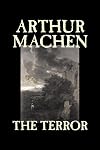
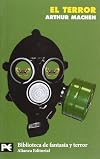
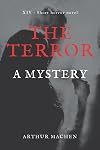
The Terror
by Arthur Machen
On This Page
Description
Conspiracy theorists will be thrilled with Welsh-born author Arthur Machen's short novel The Terror. In it, a number of residents of a quaint Welsh village begin to notice the alarmingly large number of strange incidents that have been occurring in and around their community. Gradually, a few begin to piece the clues together—and in the process, they stumble on a terrible secret..
Tags
Recommendations













Member Reviews
What could have been an interesting addition to the canon of cosmic horror is considerably vitiated by the attempt at a dubious rational explanation of the 'terror' in the title, to which is appended a rather pompous and nasty bit of class conservatism for Machen's lower middle readers.
This does not make the book not worth reading on two accounts. First, the way the horror is built up may be sly and overly sarcastic but its incidents are imaginative even if they retrospectively appear as just clues in a disappointing detective story lengthened out beyond its capacity to sustain our interest.
The second is more interesting. The book is set in the summer of 1915 (though published in 1917) when the full horror of the Western Front had not show more quite set in, while total war was still a business opportunity for industrialists and when all but the young victims could see 'business as usual' ahead.
War is always dreadful to our average Englishman but clearly all the fault of the Germans whose propensity for cruelty and evil is taken for granted as just cause for some of the more weird attempts to explain the terrible events taking place across the country.
However, Machen, perhaps still a little innocent in his conservatism, captures almost satirically the limitations the rising new warfare state is placing on the free-born Englishman, the mounting paranoia of the population and the typically flaccid English acceptance of 'orders'.
There are hints of cynicism here as the yellow journalist in Machen makes fun of the well-known rumours of his day - those Russians with snow still on their boots allegedly seen marching down from Scotland or the Angel of Mons (a myth he perhaps innocently created himself).
Newspapers are silenced without protest (Machen was a Harmsworth journalist and propagandist himself), pathways blocked by sentries without explanation, deaths covered up for reasons of state security (actually to avoid 'panic') - the acceptance of the power of the State unquestioned.
This may be what it is to be British when it comes down to it. A strutting belief in one's freedom in peacetime shifting into an unquestioned submission before the liberal and rather dictatorial warfare State that got the population into the fix of war in the first place. Plus ca change probably.
The ideal of English freedom is probably one of the most touching cultural delusions in the Western world ... matched only by an equally touching delusion that all is well in God's Heaven (God being an Englishman) because the United Kingdom is (ho, hum!) a 'democracy'.
This is what is so fascinating about the book. A failed scientific romance presented like a Conan Doyle mystery and an inadequate tale of cosmic horror become a story of the flaccidity of the British bourgeoisie in the face of world war. We cannot decide whether this is satire, cynicism or stupidity.
One more thing in the book's favour is that Machen, when he is not being sardonic, is still a good writer. He captures the world of rural Wales in his period well. Wales is his territory and it will have been sufficiently foreign to his London readership to become his Miskatonic Valley. show less
This does not make the book not worth reading on two accounts. First, the way the horror is built up may be sly and overly sarcastic but its incidents are imaginative even if they retrospectively appear as just clues in a disappointing detective story lengthened out beyond its capacity to sustain our interest.
The second is more interesting. The book is set in the summer of 1915 (though published in 1917) when the full horror of the Western Front had not show more quite set in, while total war was still a business opportunity for industrialists and when all but the young victims could see 'business as usual' ahead.
War is always dreadful to our average Englishman but clearly all the fault of the Germans whose propensity for cruelty and evil is taken for granted as just cause for some of the more weird attempts to explain the terrible events taking place across the country.
However, Machen, perhaps still a little innocent in his conservatism, captures almost satirically the limitations the rising new warfare state is placing on the free-born Englishman, the mounting paranoia of the population and the typically flaccid English acceptance of 'orders'.
There are hints of cynicism here as the yellow journalist in Machen makes fun of the well-known rumours of his day - those Russians with snow still on their boots allegedly seen marching down from Scotland or the Angel of Mons (a myth he perhaps innocently created himself).
Newspapers are silenced without protest (Machen was a Harmsworth journalist and propagandist himself), pathways blocked by sentries without explanation, deaths covered up for reasons of state security (actually to avoid 'panic') - the acceptance of the power of the State unquestioned.
This may be what it is to be British when it comes down to it. A strutting belief in one's freedom in peacetime shifting into an unquestioned submission before the liberal and rather dictatorial warfare State that got the population into the fix of war in the first place. Plus ca change probably.
The ideal of English freedom is probably one of the most touching cultural delusions in the Western world ... matched only by an equally touching delusion that all is well in God's Heaven (God being an Englishman) because the United Kingdom is (ho, hum!) a 'democracy'.
This is what is so fascinating about the book. A failed scientific romance presented like a Conan Doyle mystery and an inadequate tale of cosmic horror become a story of the flaccidity of the British bourgeoisie in the face of world war. We cannot decide whether this is satire, cynicism or stupidity.
One more thing in the book's favour is that Machen, when he is not being sardonic, is still a good writer. He captures the world of rural Wales in his period well. Wales is his territory and it will have been sufficiently foreign to his London readership to become his Miskatonic Valley. show less
Esta es una de las historias menos conocidas de Arthur Machen; apenas se cita, y sin embargo es una joya imprescindible.
Los hechos que se cuentan en ‘El terror’ transcurren en el año 1915, en plena Primera Guerra Mundial, cuando el mundo civilizado estaba amenazado por Alemania. Machen juega con los rumores que corrían por tierras inglesas en aquella época, donde era difícil saber lo que estaba sucediendo realmente en el frente, y las noticias llegaban a destiempo. Y si esto pasaba en las ciudades, en las zonas rurales todavía se acentuaba más esta falta de información.
En la región de Meirion, nombre ficticio que le da el narrador, se suceden diversos crímenes inexplicables, brutales y sin motivo aparente, que parecen show more producto de un loco. Al mismo tiempo también son destruidas algunas fábricas de municiones, y es entonces cuando se empieza a pensar que es cosa de los alemanes, que están infiltrándose en el país. Pero los hechos extraños no paran aquí, porque algunos animales parecen haber enloquecido y actúan de manera irracional. La gente empieza a ver y oír cosas fantásticas, alucinantes casi, y no se sabe si tiene algo que ver una cierta sugestión colectiva. La población no sabe qué pensar de todo ello, y las noticias no llegan, hay orden de controlar toda la prensa.
La grandeza de esta breve pero intensa novela, radica en la maestría de Machen a la hora de construir su historia, donde el lector va asistiendo al desarrollo de los acontecimientos cada vez con más angustia por saber lo que realmente está pasando y saber cuál es la naturaleza del terror, hasta llegar a un final sorprendente.
Ciertamente, ‘El terror’ podría enmarcarse dentro del llamado horror cósmico, por lo que de terror primigenio tiene, aunque no tiene mucha relación con la obra de Lovecraft propiamente dicha. Tampoco es que sea una historia de miedo al uso, sino que está más cerca del relato de misterio. El terror aún así está presente, pero se trata de un terror sugerente, que trascurre en lugares idílicos, a la luz del día, en contraste con otro tipo de historias más oscuras.
Los puntos fuertes de ‘El terror’ radican en la estructura de la narración, donde se van desvelando los sucesos paulatinamente, como si de las capas de una cebolla se tratase, así como la sensación de extrañeza que logra transmitir al lector, y la resolución final del terror, redondo, pero aún así dado a múltiples interpretaciones, donde la crítica a la incongruencia de la guerra, la barbarie del hombre y su incapacidad de comprensión del mundo que le rodea, quedan patentes. show less
Los hechos que se cuentan en ‘El terror’ transcurren en el año 1915, en plena Primera Guerra Mundial, cuando el mundo civilizado estaba amenazado por Alemania. Machen juega con los rumores que corrían por tierras inglesas en aquella época, donde era difícil saber lo que estaba sucediendo realmente en el frente, y las noticias llegaban a destiempo. Y si esto pasaba en las ciudades, en las zonas rurales todavía se acentuaba más esta falta de información.
En la región de Meirion, nombre ficticio que le da el narrador, se suceden diversos crímenes inexplicables, brutales y sin motivo aparente, que parecen show more producto de un loco. Al mismo tiempo también son destruidas algunas fábricas de municiones, y es entonces cuando se empieza a pensar que es cosa de los alemanes, que están infiltrándose en el país. Pero los hechos extraños no paran aquí, porque algunos animales parecen haber enloquecido y actúan de manera irracional. La gente empieza a ver y oír cosas fantásticas, alucinantes casi, y no se sabe si tiene algo que ver una cierta sugestión colectiva. La población no sabe qué pensar de todo ello, y las noticias no llegan, hay orden de controlar toda la prensa.
La grandeza de esta breve pero intensa novela, radica en la maestría de Machen a la hora de construir su historia, donde el lector va asistiendo al desarrollo de los acontecimientos cada vez con más angustia por saber lo que realmente está pasando y saber cuál es la naturaleza del terror, hasta llegar a un final sorprendente.
Ciertamente, ‘El terror’ podría enmarcarse dentro del llamado horror cósmico, por lo que de terror primigenio tiene, aunque no tiene mucha relación con la obra de Lovecraft propiamente dicha. Tampoco es que sea una historia de miedo al uso, sino que está más cerca del relato de misterio. El terror aún así está presente, pero se trata de un terror sugerente, que trascurre en lugares idílicos, a la luz del día, en contraste con otro tipo de historias más oscuras.
Los puntos fuertes de ‘El terror’ radican en la estructura de la narración, donde se van desvelando los sucesos paulatinamente, como si de las capas de una cebolla se tratase, así como la sensación de extrañeza que logra transmitir al lector, y la resolución final del terror, redondo, pero aún así dado a múltiples interpretaciones, donde la crítica a la incongruencia de la guerra, la barbarie del hombre y su incapacidad de comprensión del mundo que le rodea, quedan patentes. show less
A short novel from Machen, with more talk than terror. During WWI, people and animals are mysteriously dying the south of England and Wales. Some fall to their death, some are brutally beaten to death, some stabbed, some asphyxiated. Almost all of this happens off-stage and is just discussed by the main characters. To avoid panic, the government clamps down on any news coverage, and for unconvincing reasons, most people decide not to talk about what's happening, leading to no one connecting these deaths across multiple regions. It isn't until very late that we get a fragment of a diary giving a closer -- but still very incomplete -- look at what is happening. This section has a bit of a Hodgson vibe to it. Then a hypothesis is presented show more to explain it all.
A curio but too distanced to be more than that. show less
A curio but too distanced to be more than that. show less
This was an interesting and entertaining read; the narrator's voice feels like the voice of a grandfather telling you something he finally needs to let go of, though he knows you may not be ready for the tale. Even with this relatively calm tone, though, there are still moments when I got goosebumps from the strangeness within the pages that seemed so incongruous (and yet real) when matched with the voice. I'd recommend this to fans of Agatha Christie books, early Stephen King, and Sherlock Holmes tales (it's got that kind of a flavor). Make sure, though, that you don't read the introduction first. On a side note, this is a very short read--I think the atmosphere was heightened for me by my taking the time to sit and read it through in show more one sitting, though that wasn't originally my plan.
Recommended. show less
Recommended. show less
This review was written for LibraryThing Member Giveaways.
Hmm...well, I believe I can safely say that The Terror has an intriguing premise combining horror, sci-fi and wartime propaganda, and early on there's some very real tension as Arthur Machen describes the first victims of the title phenomenon (and the ensuing media blackout). Soon, however, the book becomes a series of plodding episodes which don't appear to be leading anywhere in particular. In 1917, to be fair, the horror novel was still in an essentially experimental stage, and The Terror is less interesting on its own terms than for its position in genre history (as the midpoint between Ambrose Bierce's "The Damned Thing" and Daphne du Maurier's "The Birds"). I wouldn't recommend this one to anybody but hardcore Machen fanatics; show more "The Great God Pan" it ain't.
Two and a half stars. show less
Two and a half stars. show less
A good novella, though very peculiar. I had inklings of things that were part of the mystery, but could not see my way to the answer, and it was only once the characters themselves put things together that I would be able to.
I thought this was going to be a weird tale, and changed my mind about what kind of weird tale as the revelations came along, but in the end I think it actually isn't. It's got a very Victorian sensibility and doesn't really seem to fit the frame of the weird tale. It seemed early on as though it might bring in alien influences on almost Lovecraftian lines.
Unfortunately, the premise doesn't stand up to much scrutiny without an awful lot of morality-based-supernatural handwaving of how any of it would actually work, show more but hey. show less
I thought this was going to be a weird tale, and changed my mind about what kind of weird tale as the revelations came along, but in the end I think it actually isn't. It's got a very Victorian sensibility and doesn't really seem to fit the frame of the weird tale. It seemed early on as though it might bring in alien influences on almost Lovecraftian lines.
Unfortunately, the premise doesn't stand up to much scrutiny without an awful lot of morality-based-supernatural handwaving of how any of it would actually work, show more but hey. show less
Pretty good classic horror.
Members
- Recently Added By
Lists

Lovecraft's 'Supernatural Horror in Literature' Reading List
216 works; 8 members

Books Cited in Wasteland by W. Scott Poole
120 works; 1 member
Author Information

241+ Works 6,659 Members
Some Editions
Series
Belongs to Publisher Series
Work Relationships
Is contained in
Common Knowledge
- Original title
- The Terror
- Original publication date
- 1917
- First words
- After two years we are turning once more to the morning's news with a sense of appetite and glad expectation.
- Last words
- (Click to show. Warning: May contain spoilers.)Hence, I think, the Terror. They have risen once - they may rise again.
- Original language
- English
- Disambiguation notice
- "The Coming of the Terror" is an abridgment of "The Terror".
Classifications
Statistics
- Members
- 133
- Popularity
- 246,730
- Reviews
- 8
- Rating
- (3.53)
- Languages
- English, Italian, Spanish
- Media
- Paper, Ebook
- ISBNs
- 28
- ASINs
- 9