On This Page
Description
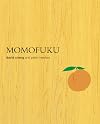
The highly anticipated first cookbook from the hottest, most respected culinary star today, "Momofuku" sheds light on the phenomenon of Chang's food and his four wildly popular restaurants.Tags
Recommendations




Member Reviews
I find David Chang to be an insufferable asshole, but there's no doubt that he is the ultimate authority on high-end Manhattan hipster cuisine (e.g. charging $12 for a plate of bread of butter, serving $100 caviar with tater tots, etc.). He is masterful at elevating lowly ingredients while simultaneously bringing the fancy down to earth, with quirky mash-ups and non-traditional approaches to classic Korean, Japanese, and American dishes.
This cookbook provides a nice look "under the hood" at the thought process and execution of some of the best known and most popular Momofuku creations. Some are rather simple, others at the extreme high end of what an ambitious home cook can reasonably expect to accomplish.
This cookbook provides a nice look "under the hood" at the thought process and execution of some of the best known and most popular Momofuku creations. Some are rather simple, others at the extreme high end of what an ambitious home cook can reasonably expect to accomplish.
I came to Momofuku as a relatively beginning cook (despite my middle age) and an intermediate foodie, and suspected that the recipes from David Chang’s acclaimed group of NYC restaurants would be over my head. I was right -- as they will be for all but the most adventurous and experienced cooks. But recipes aren’t the only aspect to this book -- it’s also a memoir of Chang’s path from happy noodle-eater/unhappy office-worker through cooking school and apprenticeships to award-winning chef and restaurateur.
In fact, straightforward recipes are fairly rare in this book. Rather, they’re tutorials -- each step is a paragraph about process and technique, and I’m already a better cook (and restaurant patron) just for having read show more them. The book itself is trademark Clarkson-Potter (think Barefoot Contessa and Martha Stewart books) -- smooth, heavy pages filled with full-color photographs of food, the restaurants, diners and staff -- many of which evoke a sense of motion and hectic energy. That energy is reinforced by Chang’s conversational text, including profanity (which feels seamless and characterizing) and absolute gems of instruction. For example, for a pan-roasted rib eye (a do-able recipe), Chang advises to “Season the steak liberally with salt -- like you’d salt a sidewalk in New York in the winter,” and, after cooking, to “Let the steak rest. Just leave it the hell alone”; about removing the fat from pigskin in the process of making pork rinds (not a do-able recipe): “Scrape gently but with determination.”
Recommended for uber-motivated -- and armchair -- cooks. show less
In fact, straightforward recipes are fairly rare in this book. Rather, they’re tutorials -- each step is a paragraph about process and technique, and I’m already a better cook (and restaurant patron) just for having read show more them. The book itself is trademark Clarkson-Potter (think Barefoot Contessa and Martha Stewart books) -- smooth, heavy pages filled with full-color photographs of food, the restaurants, diners and staff -- many of which evoke a sense of motion and hectic energy. That energy is reinforced by Chang’s conversational text, including profanity (which feels seamless and characterizing) and absolute gems of instruction. For example, for a pan-roasted rib eye (a do-able recipe), Chang advises to “Season the steak liberally with salt -- like you’d salt a sidewalk in New York in the winter,” and, after cooking, to “Let the steak rest. Just leave it the hell alone”; about removing the fat from pigskin in the process of making pork rinds (not a do-able recipe): “Scrape gently but with determination.”
Recommended for uber-motivated -- and armchair -- cooks. show less
This is the book we've been waiting for. I could have done with less editorial comment & narrative (-1 star) but these are the recipes that we salivate for when anyone mentions Momofuku.
Pork belly, pork shoulder, ramen, ramen base, pickles, saam... from Noodle Bar, Saam, & Ko; it is all here, and I want to eat most all of it..
I do not want to have to make it, except the pork belly & pork shoulder, because I want easy food.
The recipes are not so easy because they take quite a few original handmade fresh sauces.
The format might have been easier to read & follow in a larger font with only the actual recipe on the page omitting the narration from the previous page.
The photos are gorgeous and made me drool, longing for just a taste (or show more several) of the presented offerings. show less
Pork belly, pork shoulder, ramen, ramen base, pickles, saam... from Noodle Bar, Saam, & Ko; it is all here, and I want to eat most all of it..
I do not want to have to make it, except the pork belly & pork shoulder, because I want easy food.
The recipes are not so easy because they take quite a few original handmade fresh sauces.
The format might have been easier to read & follow in a larger font with only the actual recipe on the page omitting the narration from the previous page.
The photos are gorgeous and made me drool, longing for just a taste (or show more several) of the presented offerings. show less
So I became a fan of David Chang after watching Ugly Delicious on Netflix. I loved his outlook on food, his general attitude, and basically all the food he made and featured. Reading his cookbook was a given.
Like he says at one point in this massive autobiographical cookbook-type thing, Momofuku is less a cookbook and more a way of getting all of what happened throughout Noodle Bar and Ko and etc. written down somewhere. So what we have here is a bunch of notes about food, passages about the wild things that happened to him while trying to open his restaurants, and the recipes he makes in his restaurants (the failed and successful). It sounds messy, but it actually works.
But, as he had said, it’s kind of less of a functional cookbook show more than it is a “this is how we make everything and how we did everything” kind of log. Of course, because it’s not actually designed for the home cook in mind, most of the recipes included aren’t actually doable for the average person. In an average kitchen … the “48-hour Short Rib” comes to mind, with its need for a water circulator and constant tending. To his credit, though, David Chang makes a mention of the fact that it’s probably not going to work in a home kitchen.
There are also hard-to-find or expensive ingredients in the recipes, things like meat glue, alkaline salts, and Allan Benton’s bacon (he’s very specific about this one). However, at the very end of the book, he has a page about where to find each ingredient. Doesn’t help with the price, though!
So while many of these recipes are beyond my ability and price range, they were still interesting. And I definitely enjoyed reading about how David Chang’s restaurants began and reading about the interesting events and the massive amount of luck that got him to where he is today. show less
Like he says at one point in this massive autobiographical cookbook-type thing, Momofuku is less a cookbook and more a way of getting all of what happened throughout Noodle Bar and Ko and etc. written down somewhere. So what we have here is a bunch of notes about food, passages about the wild things that happened to him while trying to open his restaurants, and the recipes he makes in his restaurants (the failed and successful). It sounds messy, but it actually works.
But, as he had said, it’s kind of less of a functional cookbook show more than it is a “this is how we make everything and how we did everything” kind of log. Of course, because it’s not actually designed for the home cook in mind, most of the recipes included aren’t actually doable for the average person. In an average kitchen … the “48-hour Short Rib” comes to mind, with its need for a water circulator and constant tending. To his credit, though, David Chang makes a mention of the fact that it’s probably not going to work in a home kitchen.
There are also hard-to-find or expensive ingredients in the recipes, things like meat glue, alkaline salts, and Allan Benton’s bacon (he’s very specific about this one). However, at the very end of the book, he has a page about where to find each ingredient. Doesn’t help with the price, though!
So while many of these recipes are beyond my ability and price range, they were still interesting. And I definitely enjoyed reading about how David Chang’s restaurants began and reading about the interesting events and the massive amount of luck that got him to where he is today. show less
What got me to sit down for a long read (although I'd only planned to browse through it casually) was that it opens up like a quest story: the quest for a then-English tutor living in Japan, to find a master (shi fu) to teach him the secrets arts of making ramen. Then the usual hurdles he and his growing team faced as they first opened up the Momofuku Noodle Bar... But then-- bam. They're successful and famous. (It happens so fast, but I guess that's real life for you.) Because they'd started cooking the things they liked, and not what they were expected to cook, as a Japanese restaurant.
This is exactly the type of cuisine I want to try my hand at: strongly Asian-influenced but infused and delivered with that American attitude. It show more inspired me to start writing down ingredients to buy, so I can surprise my Chinese boyfriend with how great I am. I want to see his eyes pop open wide with amazement, and make his tastebuds sing. And that's exactly the thing about this book: it hints at culinary alchemy, like if you just follow the recipe and put this and this together, and though it looks simple enough, you'll get something unexpected and magical.
BUT this book isn't for the beginner like me, it's more for the already proficient home cooks looking to break out of their comfort zones. So this makes me curse my ineptitude in the kitchen. Plus a lot of pork products aren't easily available where I live. :( I will, however, try the famous ginger scallion sauce, which looks simple enough. And you know what's better than this book? (or at least, a good supplement) Blogs about this book. Like one reviewer said, this is like the Julia Child of Asian cooking. And I found a couple of Julie and Julia's on the Internet. Their entries are more beginner-friendly, and the photos are beautiful. I am SO going to try the Milk Bar, and the Crack Pie... Gaahr I want a pork bun right now. Gotta love food writing (on blogs) that gets you reaching for your spatula. show less
This is exactly the type of cuisine I want to try my hand at: strongly Asian-influenced but infused and delivered with that American attitude. It show more inspired me to start writing down ingredients to buy, so I can surprise my Chinese boyfriend with how great I am. I want to see his eyes pop open wide with amazement, and make his tastebuds sing. And that's exactly the thing about this book: it hints at culinary alchemy, like if you just follow the recipe and put this and this together, and though it looks simple enough, you'll get something unexpected and magical.
BUT this book isn't for the beginner like me, it's more for the already proficient home cooks looking to break out of their comfort zones. So this makes me curse my ineptitude in the kitchen. Plus a lot of pork products aren't easily available where I live. :( I will, however, try the famous ginger scallion sauce, which looks simple enough. And you know what's better than this book? (or at least, a good supplement) Blogs about this book. Like one reviewer said, this is like the Julia Child of Asian cooking. And I found a couple of Julie and Julia's on the Internet. Their entries are more beginner-friendly, and the photos are beautiful. I am SO going to try the Milk Bar, and the Crack Pie... Gaahr I want a pork bun right now. Gotta love food writing (on blogs) that gets you reaching for your spatula. show less
This book suffers from some of the same things I have noticed before with high end cooking.
The book is in 3 parts each detailing 1 of his 3 restaurants:
Noodle bar; a low brow eatery with highly flavoured food. Simple and tasty. I really loved that part.
ssäm bar; middle brow restaurant. Had some good things, but for the rest, no
Ko; high brow restaurant in with the dictates of culinary fashion. Boring, no fun, no flavour.
If I were to live in New York I'd go out of my way to eat at Noodle bar. But the other two? Don't think so.
The problem for me with high end cooking is that what food gains in refinement it loses in taste and they all offer more or less the same food.
I have eaten at starred restaurants and I have yet to have a reaaly show more good meal there. show less
The book is in 3 parts each detailing 1 of his 3 restaurants:
Noodle bar; a low brow eatery with highly flavoured food. Simple and tasty. I really loved that part.
ssäm bar; middle brow restaurant. Had some good things, but for the rest, no
Ko; high brow restaurant in with the dictates of culinary fashion. Boring, no fun, no flavour.
If I were to live in New York I'd go out of my way to eat at Noodle bar. But the other two? Don't think so.
The problem for me with high end cooking is that what food gains in refinement it loses in taste and they all offer more or less the same food.
I have eaten at starred restaurants and I have yet to have a reaaly show more good meal there. show less
I got this book because I figured it'd be fun to read. Which it is, but it's also gotten be exited about cooking again. Not that you can really reproduce most of the recipes directly, but variations on them are interesting and easy and fun.
Members
- Recently Added By
Published Reviews
ThingScore 75
In both food and tone, “Momofuku” encapsulates an exciting moment in New York dining. In 20 years, when we’re all eating McKimchi burgers and drinking cereal milk, we’ll look back fondly on the time when neurotic indie stoners and their love of Benton’s bacon changed the culinary landscape.
added by Shortride
Lists

Piglet Tournament of Cookbooks
160 works; 1 member

The 2015 Epicurious Cookbook Canon
55 works; 1 member
Author Information
28+ Works 2,010 Members
8+ Works 1,515 Members
Awards and Honors
Distinctions
Series

Common Knowledge
- Canonical title
- Momofuku
- Original title
- MomoFuku
- Original publication date
- 2009
Classifications
Statistics
- Members
- 787
- Popularity
- 35,388
- Reviews
- 10
- Rating
- (3.81)
- Languages
- English, German, Spanish
- Media
- Paper, Ebook
- ISBNs
- 7
- ASINs
- 3