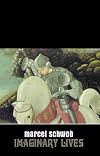
Imaginary Lives
by Marcel Schwob
On This Page
Description
Vies imaginaires was written in the year 1896 by Marcel Schwob. This book is one of the most popular novels of Marcel Schwob, and has been translated into several other languages around the world.This book is published by Booklassic which brings young readers closer to classic literature globally.Tags
Recommendations











Member Recommendations
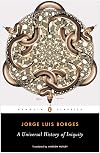


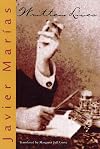
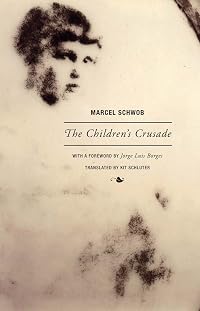
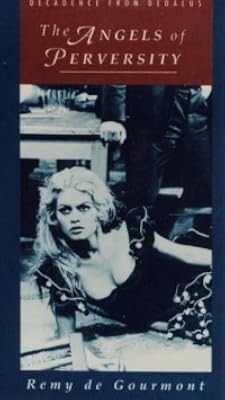
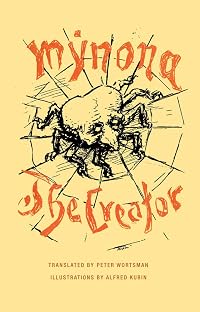
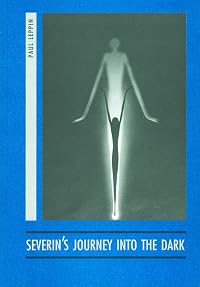
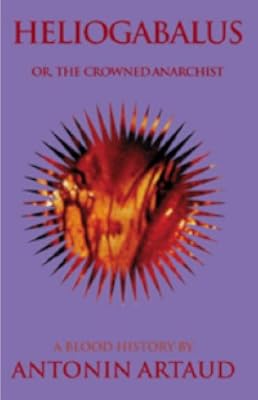
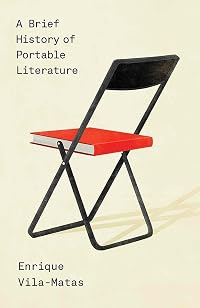
bluepiano Both are collections of short biographies of real people, but whilst Schwob's accounts are creative Marias's are factual ones presented as fiction. Schwob isn't so well known as he deserves to be and Marias seems to be known here only for his novels, so these are in a sense neglected works. Both are quite wonderful.
Member Reviews
Always fascinating and frequently macabre and chilling - we pull back the curtain and enter the world of French symbolist and decadent author Marcel Schwob (1867-1905).
In his Imaginary Lives we encounter twenty-two portraits that are part fact, part myth, part author’s poetic fancy, where the individuals portrayed are taken from such fields as ancient history, philosophy, art, literature and even the worlds of crime and geomancy, such personages as Septima the enchantress, Petronius the romancer, Fra Dolcino the heretic, Pocahontas the princess, William Phips the treasure hunter and Captain Kidd the pirate. Here are some quotes and my comments on three lives from the collection:
Cyril Tourneur the tragic poet: “Cyril Tourneur was show more born out of the union of an unknown god with a prostitute. Proof enough of his divine origin has been found in the heroic atheism to which he succumbed. From his mother he inherited the instinct for revolt and luxury, the fear of death, the thrill of passion and the hate of kings. His father bequeathed him his desire for a crown, his pride of power and his joy of creating. To him both parents handed down their taste for nocturnal things, for a red glare in the night, and for blood.” So we read in Marcel Schwob’s first lines supercharged with mythos.
On a slightly more mundane level, Cyril Tourneur was an English dramatist born in 1575, author most notably of The Atheist’s Tragedy, a play of revenge employing rich macabre imagery. But who wants to be constricted within the confines of so called historical facts? Certainly not a fin de siècle symbolist and decadent like Marcel Schwob.
Each of the imagined lives is no more than several pages, but such lush, vivid language. Here is another excerpt from Cyril Tourneur: “For mistress he took a prostitute from Bankside, a girl who had haunted the waterfront streets. He called her Rosamonde. His love for her was unique. On her blonde, innocent face the rouge spots burned like flickering flames, and she was very young. Rosamonde bore Cyril Tourneur a daughter whom he loved. Having been looked at by a prince, Rosamonde died tragically, drinking emerald-colored poison from a transparent cup. Vengeance merged with pride in Cyril’s soul. Night came."
One last quote in hopes of further whetting a potential reader's appetite to feast on this finely crafted prose collection: “When Cyril Tourneur had thus satisfied his hatred for kings he was assailed by his hatred of the gods. The divine spark within him urged him on to original creation. He dreamed of founding an entire generation out of his own blood – a race of gods on earth.”
In Lucretius the poet we encounter the great Roman Epicurean who mixes reason and passion, particularly flames of love for a tall, languid African beauty. Lucretius reads his papyrus scrolls and contemplates the movements of the atoms throughout the universe. He also drinks deeply of a potion prepared by his African and because he is driven mad by the potion, he knows love in ways he never contemplated previously. And with such mad, intoxicating love comes, of course, a knowledge of another key facet of the universe - death.
Paolo Uccello the painter - Schwob’s tale of an artist who paints birds and beasts and who firmly believes through his powers of observation and an unflinching obsession with transforming all lines into a single ideal perspective, he will strike alchemical gold on canvas.
Indeed, Schwob’s Uccello hopes to discover the secret heart of creating, creating, that is, as if through the eye of God. For many laborious years Uccello the painter toiled over his supreme painting, showing it to not a single soul until one day when he was an old man of eighty, he uncovered his masterpiece for Donatello. The miracle was accomplished! But who had eyes to see?
(This is a review, including the above quotes, of the 1924 translation by Lorimer Hammond.)
“There is no science for the teguments of a leaf, for the filaments of a cell structure, the winding of a vein, the passion of a habit, or for the twists and quirks of character.”
― Marcel Schwob, Imaginary Lives show less
Always fascinating and frequently macabre and chilling - welcome to the world of key French symbolist/decadent Marcel Schwob (1867-1905). In his ‘Imaginary Lives’ we encounter 22 portraits part fact, part myth, part author’s poetic fancy, where the individuals portrayed are taken from such fields as ancient history, philosophy, art, literature and even the worlds of crime and geomancy, such personages as Septima: Enchantress, Petronius: Romancer, Fra Dolcino: Heretic, Pocahontas: Princess, William Phips: Treasure Hunter, Captain Kidd: Pirate. Here are some quotes and my comments on 3 of the lives:
Cyril Tourneur: Tragic Poet: “Cyril Tourneur was born out of the union of an unknown god with a prostitute. Proof enough of his divine show more origin has been found in the heroic atheism to which he succumbed. From his mother he inherited the instinct for revolt and luxury, the fear of death, the thrill of passion and the hate of kings. His father bequeathed him his desire for a crown, his pride of power and his joy of creating. To him both parents handed down their taste for nocturnal things, for a red glare in the night, and for blood.” So we read in Marcel Schwob’s first lines supercharged with mythos.
On a slightly more mundane level, Cyril Tourneur was an English dramatist born in 1575, author most notably of ‘The Atheist’s Tragedy’ a play of revenge employing rich macabre imagery. But who wants to be constricted within the confines of so called historical facts? Certainly not a fin de siècle symbolist and decadent like Marcel Schwob.
Each of the imagined lives is no more than several pages, but such lush, vivid language. Here is another excerpt from Cyril Tourneur: “For mistress he took a prostitute from Bankside, a girl who had haunted the waterfront streets. He called her Rosamonde. His love for her was unique. On her blonde, innocent face the rouge spots burned like flickering flames, and she was very young. Rosamonde bore Cyril Tourneur a daughter whom he loved. Having been looked at by a prince, Rosamonde died tragically, drinking emerald-colored poison from a transparent cup.
Vengeance merged with pride in Cyril’s soul. Night came . . . “
One last quote in hopes of further whetting a potential reader's appetite to feast on this finely crafted prose collection: “When Cyril Tourneur had thus satisfied his hatred for kings he was assailed by his hatred of the gods. The divine spark within him urged him on to original creation. He dreamed of founding an entire generation out of his own blood – a race of gods on earth.”
In Lucretius: Poet we encounter the great Roman Epicurean who mixes reason and passion, particularly flames of love for a tall, languid African beauty. Lucretius reads his papyrus scrolls and contemplates the movements of the atoms throughout the universe. He also drinks deeply of a potion prepared by his African and because he is driven mad by the potion, he knows love in ways he never contemplated previously. And with such mad, intoxicating love comes, of course, a knowledge of another key facet of the universe -- death.
Paolo Uccello: Painter --- Schwob’s tale of an artist who paints birds and beasts and who firmly believes through his powers of observation and an unflinching obsession with transforming all lines into a single ideal perspective, he will strike alchemical gold on canvas. Indeed, Schwob’s Uccello hopes to discover the secret heart of creating, creating, that is, as if through the eye of God. For many laborious years Uccello the painter toiled over his supreme painting, showing it to not a single soul until one day when he was an old man of 80, he uncovered his masterpiece for Donatello. The miracle was accomplished! But who had eyes to see?
(This is a review, including the above quotes, of the 1924 translation by Lorimer Hammond.) show less
History for arts sake? Frida Kahlo read this while convalescing from the accident that shaped the rest of her life. I read a biography of Kahlo while convalescing from my life and thus discovered Schwob.
In 10-page biographies, Schwob depicts "the unique existences of ... priests, criminals, or nobodies." Each is treated with an artistic verve that belies the notion that "minute records of great men or epochs or events of the past are not especially needed." Why say what's been said before? And yet, each of these tales is spun such that one may take them as a warning: beware that for which you ask! In describing one of his subjects, the painter Paolo Uccello, Schwob wrote, he "was not concerned with the reality of things but their show more multiplicity and the infinity of their lines." So, too Swchob, who chose for us,
Empedocles, Supposed God
Erostat, Incendiary
Crates, Cynic
Septima, Enchantress
Lucretius, Poet
Clodia, Impure Woman
Petronius, Romancer
Sufrah, Geomancer
Fra Dolcino, Heretic
Cecco Angiolieri, Poet of Hate
Paolo Uccello, Painter
Nicholas Loyseleur, Judge
Katherine the Lacemaker, Girl of the Streets
Alain the Gentle, Soldier
Gabriel Spencer, Actor
Pocahontas, Princess
Cyril Tourneur, Tragic Poet
William Phips, Treasure Hunter
Captain Kidd, Pirate
Walter Kennedy, Unlettered Pirate
Major Stede-Bonnet, Pirate by Fancy
Burke and Hare, Assassins
Among them you're sure to find a kindred spirit--or hopefully not. show less
In 10-page biographies, Schwob depicts "the unique existences of ... priests, criminals, or nobodies." Each is treated with an artistic verve that belies the notion that "minute records of great men or epochs or events of the past are not especially needed." Why say what's been said before? And yet, each of these tales is spun such that one may take them as a warning: beware that for which you ask! In describing one of his subjects, the painter Paolo Uccello, Schwob wrote, he "was not concerned with the reality of things but their show more multiplicity and the infinity of their lines." So, too Swchob, who chose for us,
Empedocles, Supposed God
Erostat, Incendiary
Crates, Cynic
Septima, Enchantress
Lucretius, Poet
Clodia, Impure Woman
Petronius, Romancer
Sufrah, Geomancer
Fra Dolcino, Heretic
Cecco Angiolieri, Poet of Hate
Paolo Uccello, Painter
Nicholas Loyseleur, Judge
Katherine the Lacemaker, Girl of the Streets
Alain the Gentle, Soldier
Gabriel Spencer, Actor
Pocahontas, Princess
Cyril Tourneur, Tragic Poet
William Phips, Treasure Hunter
Captain Kidd, Pirate
Walter Kennedy, Unlettered Pirate
Major Stede-Bonnet, Pirate by Fancy
Burke and Hare, Assassins
Among them you're sure to find a kindred spirit--or hopefully not. show less
This is perhaps the hardest book I've ever had to review. If you just read the stories, they are entertaining enough--violent, tragic, strange, and so on. But since they are about real people, it is hard to judge what the author's intent was. This is especially true since most of them are obscure or ancient and my education never taught me about them, so I can't appreciate the alterations Schwob is introducing into their lives. I ended up looking at Wikipedia for many of these to see what the real story was. Schwob's versions tend to make things more definitive than they were. According to the introduction to a more modern version that I read a bit of, Schwob tends to focus on secondary players--such as the actor Ben Jonson killed show more rather than Jonson himself, or on Joan of Arc's false confessor. Still, the overall purpose eludes me. show less
El biografismo de Schwob es otra rama de la ficción histórica, tal vez la rama minimalista, con menos pretensión de épica. Su método de trabajo, como en otros, es la suposición y la adivinación, artes oscuras y, para algunas tribus, culinarias. En lo esencial, desde otra perspectiva, no diferiría del método de cualquier biografía. Los hechos públicos de cualquier persona conservan lo esencial de las acciones y de los objetos naturales, por poner, un ser humano, por adivinar, un asesinato. La referencia de esos hechos suele ser menos acostumbrada que la valoración. Decir que, por elegir un personaje, San Martín "libertó" Chile, no es datar un acontecimiento, es valorarlo. Schwob, suponiendo, no se alejaría realmente de la show more tradición biográfica histórica y axiológica, o valorativa, que inventa o supone (para ser menos artificialistas). show less
Marcel Schwob passe à la postérité littéraire rien qu'avec ces vies imaginaires, véritables petites perles que le lecteur ferait bien de lire, de relire et de garder précieusement dans son coffret à merveilles. L'auteur prend le parti de ne considérer que les grands traits de caractère de ses personnages, englobant à la fois une vie et quelques détails bien choisis. Marcel Schwob cite ses prédécesseurs illustres, en particulier James Boswell, auteur de la "Vie de Samuel Johnson", et surtout John Aubrey dont les "Brief Lives" restent une référence, malheureusement indisponible en langue française.
Marcel Schwob, dans sa tentative de retracer ces vies imaginaires, s'attache à combler un manque flagrant qui apparaît chez show more bon nombre de biographes : ne raconter que les vies des personnes connues. Or, ici, l'auteur ne discrimine pas, toutes les vies ayant la même valeur, les connues comme les inconnues. Toutes reçoivent le même traitement de l'auteur et cela nous les rend particulièrement attachantes.
Schwob est le fils stylistique de Théophile Gautier et des symbolistes. Son écriture est à la fois très précise et chatoyante, colorée et sonore. Les mots utilisés, en particulier les adjectifs, prennent part au plaisir de la lecture. On se souvient de la première phrase de Salammbô, qui donne la couleur du roman de Flaubert : "C'était à Mégara, faubourg de Carthage, dans les jardins d'Hamilcar". Schwob est de la même veine dès le premier portrait : "Personne ne sait quelle fut sa naissance, ni comment il vint sur Terre. Il apparût près des rives dorées du fleuve Acragas, dans la belle cité d'Agrigente, un peu après le temps où Xersès fit frapper la mer de chaînes". C'est enivrant comme un parfum capiteux.
Voici les portraits tracés dans ces courts tableaux :
Empédocle, dieu supposé
Erostrate, incendiaire
Cratès, cynique
Septima, incantatrice
Lucrèce, poète
Clodia, matronne impudique
Pétrone, romancier
Sufrah, géomancien
Frate Dolcino, Hérétique
Cecco Angioleri, poète haineux
Paolo Uccello, peintre
Nicolas Loyseleur, juge
Katherine la dentellière, fille amoureuse
Alain le Gentil, soldat
Gabriel Spenser, acteur
Pocahontas, princesse
Cyril Tourneur, poète tragique
William Phips, pêcheur de trésor
Le capitaine Kid, pirate
Walter Kennedy, pirate illettré
Le major Stede Bonnet, pirate par humeur
MM. Burke et Hare, assassins
On comprend à sa lecture pourquoi ce livre avait inspiré Jorge Luis Borges dans ses courtes nouvelles. show less
Marcel Schwob, dans sa tentative de retracer ces vies imaginaires, s'attache à combler un manque flagrant qui apparaît chez show more bon nombre de biographes : ne raconter que les vies des personnes connues. Or, ici, l'auteur ne discrimine pas, toutes les vies ayant la même valeur, les connues comme les inconnues. Toutes reçoivent le même traitement de l'auteur et cela nous les rend particulièrement attachantes.
Schwob est le fils stylistique de Théophile Gautier et des symbolistes. Son écriture est à la fois très précise et chatoyante, colorée et sonore. Les mots utilisés, en particulier les adjectifs, prennent part au plaisir de la lecture. On se souvient de la première phrase de Salammbô, qui donne la couleur du roman de Flaubert : "C'était à Mégara, faubourg de Carthage, dans les jardins d'Hamilcar". Schwob est de la même veine dès le premier portrait : "Personne ne sait quelle fut sa naissance, ni comment il vint sur Terre. Il apparût près des rives dorées du fleuve Acragas, dans la belle cité d'Agrigente, un peu après le temps où Xersès fit frapper la mer de chaînes". C'est enivrant comme un parfum capiteux.
Voici les portraits tracés dans ces courts tableaux :
Empédocle, dieu supposé
Erostrate, incendiaire
Cratès, cynique
Septima, incantatrice
Lucrèce, poète
Clodia, matronne impudique
Pétrone, romancier
Sufrah, géomancien
Frate Dolcino, Hérétique
Cecco Angioleri, poète haineux
Paolo Uccello, peintre
Nicolas Loyseleur, juge
Katherine la dentellière, fille amoureuse
Alain le Gentil, soldat
Gabriel Spenser, acteur
Pocahontas, princesse
Cyril Tourneur, poète tragique
William Phips, pêcheur de trésor
Le capitaine Kid, pirate
Walter Kennedy, pirate illettré
Le major Stede Bonnet, pirate par humeur
MM. Burke et Hare, assassins
On comprend à sa lecture pourquoi ce livre avait inspiré Jorge Luis Borges dans ses courtes nouvelles. show less
Jun 30, 2011French
Ratings
Members
- Recently Added By
Lists

1001 Books You Must Read Before You Die
1,448 works; 1,134 members

Pants on fire
27 works; 4 members
Author Information

83+ Works 1,571 Members
Some Editions
Awards and Honors
Series
Belongs to Publisher Series
Work Relationships
Is contained in
Common Knowledge
- Canonical title
- Imaginary Lives
- Original title
- Vies imaginaires
- Original publication date
- 1896
- People/Characters
- Empédocle; Erostrate; Cratès; Septima; Lucrèce; Clodia (show all 23); Pétrone; Sufrah; Frate Dolcino; Cecco Angioleri; Paolo Uccello; Nicolas Loyseleur; Katherine la Dentellière; Alain le Gentil; Gabriel Spencer; Pocahontas; Cyril Tourneur; William Phips; William Kidd; Walter Kennedy; Stede Bonnet; William Burke; Hare
- First words
- La science historique nous laisse dans l'incertitude sur les individus. Elle ne nous révèle que les points par où ils furent attachés aux actions générales. Elle nous dit que Napoléon était souffrant le jour de Waterl... (show all)oo, qu'il faut attribuer l'excessive activité intellectuelle de Newton à la continence absolue de son tempérament, qu'Alexandre était ivre lorsqu'il tua Klitos et que la fistule de Louis XIV put être la cause de certaines de ses résolutions. Pascal raisonne sur le nez de Cléopâtre, s'il eût été plus court, ou sur un grain de sable dans l’urètre de Cromwell. Tous ces faits individuels n'ont de valeur que parce qu'ils ont modifié les évènements ou qu'ils auraient pu en dévier la série. Ce sont des causes réelles ou possibles. Il faut les laisser aux savants.
- Original language*
- Francés
*Some information comes from Common Knowledge in other languages. Click "Edit" for more information.
Classifications
Statistics
- Members
- 408
- Popularity
- 76,287
- Reviews
- 6
- Rating
- (4.14)
- Languages
- 10 — Catalan, English, French, German, Greek, Italian, Polish, Portuguese, Croatian, Spanish
- Media
- Paper, Ebook
- ISBNs
- 46
- ASINs
- 14