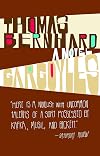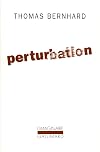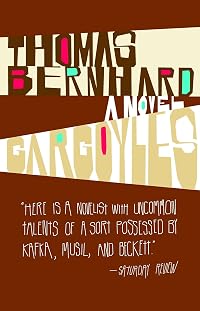
Gargoyles
by Thomas Bernhard
On This Page
Description
The playwright and novelist Thomas Bernhard was one of the most widely translated and admired writers of his generation, winner of the three most coveted literary prizes in Germany. Gargoyles, one of his earliest novels, is a singular, surreal study of the nature of humanity. One morning a doctor and his son set out on daily rounds through the grim mountainous Austrian countryside. They observe the colorful characters they encounter--from an innkeeper whose wife has been murdered to a show more crippled musical prodigy kept in a cage--coping with physical misery, madness, and the brutality of the austere landscape. The parade of human grotesques culminates in a hundred-page monologue by an eccentric, paranoid prince, a relentlessly flowing cascade of words that is classic Bernhard. show lessTags
Recommendations





















Member Recommendations
Member Reviews
Con la lectura de cada obra de Bernhard, creo que voy conociéndolo mejor. Su literatura se compone de todos aquellos temas que le obsesionaron, la enfermedad, la mezquindad, la incomunicación, la violencia, la locura del ser humano. Esto lo tenía claro, pero también me he ido dando cuenta de que Bernhard tiene un sentido del humor muy peculiar, casi hilarante en algunas de las situaciones que plantea. Y que una literatura tan oscura, deprimente y pesimista como la de este escritor también te haga sonreír es verdaderamente sorprendente.
La novela se compone de dos partes muy diferenciadas. En la primera de ellas se nos da a conocer a un médico que vive en un paraje claustrofóbico, algo habitual en las historias de Bernhard, que va show more haciendo una ruta por todo este territorio visitando a diversos pacientes, a cual más trastornado, con sus pequeñas o grandes miserias. En este periplo le acompaña su hijo, el narrador, siendo parte importante la relación de incomunicación que mantienen ambos, que sale a relucir, por contrase, en las visitas a los diferentes pacientes. Esta parte es muy fácil de seguir y leer, porque contiene muchos puntos y aparte, y una estructura bastante clara, algo poco habitual en la prosa de Bernhard. Pero los que gustan del Bernhard más reconocible, árido, intenso, repetitivo hasta la obsesión, hipnótico, lo encontrarán en la segunda parte de la novela, donde el médico y su hijo se encuentran con el verdadero protagonista de la historia, el príncipe del castillo de Hochgobernitz, un loco que es un genio o un genio que está loco, y su vertiginosa y delirante verborrea. Las ideas y pensamientos surgen a raudales en esta novela, y las frases son absolutamente brillantes. Los personajes rayan la locura o directamente están locos. El ambiente que dibuja Bernhard es oscuro, y ninguno tiene una salida a la vista. Vas leyendo y leyendo, adentrándote cada vez más en este mundo, que te impregna y no puedes dejar de leer.
‘Trastorno’ fue la segunda novela que escribió Bernhard, y en ella se puede apreciar toda la esencia de su obra. Bernhard es un escritor sumamente inteligente; peculiar, pero muy listo. Sus novelas son engañosamente simples, y aunque pueda parecer que no sucede nada sorprendente, no dejan de suceder cosas. Bernhard o gusta mucho o no gusta nada, no existe término medio, pero si se le da una oportunidad y te sumerges en su particular universo, la satisfacción está asegurada. show less
La novela se compone de dos partes muy diferenciadas. En la primera de ellas se nos da a conocer a un médico que vive en un paraje claustrofóbico, algo habitual en las historias de Bernhard, que va show more haciendo una ruta por todo este territorio visitando a diversos pacientes, a cual más trastornado, con sus pequeñas o grandes miserias. En este periplo le acompaña su hijo, el narrador, siendo parte importante la relación de incomunicación que mantienen ambos, que sale a relucir, por contrase, en las visitas a los diferentes pacientes. Esta parte es muy fácil de seguir y leer, porque contiene muchos puntos y aparte, y una estructura bastante clara, algo poco habitual en la prosa de Bernhard. Pero los que gustan del Bernhard más reconocible, árido, intenso, repetitivo hasta la obsesión, hipnótico, lo encontrarán en la segunda parte de la novela, donde el médico y su hijo se encuentran con el verdadero protagonista de la historia, el príncipe del castillo de Hochgobernitz, un loco que es un genio o un genio que está loco, y su vertiginosa y delirante verborrea. Las ideas y pensamientos surgen a raudales en esta novela, y las frases son absolutamente brillantes. Los personajes rayan la locura o directamente están locos. El ambiente que dibuja Bernhard es oscuro, y ninguno tiene una salida a la vista. Vas leyendo y leyendo, adentrándote cada vez más en este mundo, que te impregna y no puedes dejar de leer.
‘Trastorno’ fue la segunda novela que escribió Bernhard, y en ella se puede apreciar toda la esencia de su obra. Bernhard es un escritor sumamente inteligente; peculiar, pero muy listo. Sus novelas son engañosamente simples, y aunque pueda parecer que no sucede nada sorprendente, no dejan de suceder cosas. Bernhard o gusta mucho o no gusta nada, no existe término medio, pero si se le da una oportunidad y te sumerges en su particular universo, la satisfacción está asegurada. show less
A philosophical novel with a brilliantly dark heart. The nihilism and overall negativity is ever present, no arguments there. But what makes this novel is exactly what some of the reviewers pointed out, that like Kafka, Bernhard takes the negativity and dark outlook as simultaneous givens, and that the unknowns/unknowability of each individual is each individual's defining trait. The impossibility of knowing another as it is impossible to fully know one's self, seems to me the key idea at work in this novel. It's fantastic, exhausting, and utterly worthwhile to read and get through. This book is a definite test at times. Read it.
A few days ago the book [b:The Basic Laws of Human Stupidity|49348225|The Basic Laws of Human Stupidity|Carlo M. Cipolla|https://i.gr-assets.com/images/S/compressed.photo.goodreads.com/books/1595814345l/49348225._SX50_.jpg|358622] came across my desk. Living as I do in the vaccine-refusing epicenter of the US Delta variant surge of infection and of hospitals that are once again becoming overwhelmed, I couldn’t help feeling a note of sympathy with the book. Opening it up I read the first law: “Always and inevitably everyone underestimates the number of stupid individuals in circulation.” Here’s an author who probably read Thomas Bernhard.
I take it that all of Bernhard’s work is essentially variants of a theme, of which show more stupidity plays a large role. Stupidity is the spike protein of Bernhard’s worldview, always present as the details of the larger work change a bit. I have no idea if that claim works, by the way, but I’m leaving it. How does Bernhard put it across in Gargoyles?
Naturally this makes for an unhappy outlook. “As I go about, there is hardly a man I see who isn’t repulsive.” “He was used to sacrificing himself to a sick populace given to violence as well as insanity.” “It would be wrong to refuse to face the fact that everything is fundamentally sick and sad.”
Sometimes this is funny. Nothing is above the novel’s complaints: “If I send it now, at noon, I thought, it won’t reach Kobernausserwald until tomorrow morning. The postal system, the hopeless, ruined Austrian postal system.” Now there’s some pettiness. And here it reads like a parody of Grumpy Old Man: “We paid and left. In the restaurant a band of schoolchildren were being fed. They were given hot soup and admonishments not to make noise. What gruesome people these innocent creatures will inevitably become, I thought as we left the restaurant.”
Bernhard’s apparent horror of sex appears: “I once saw him naked by the river, together with his equally naked wife; I remember that infantile penis. There they were, indulging their pitiable Sunday connubiality behind the bushes, away from the clear water, where they thought they were alone and could indulge themselves in their revolting intimacies, succumbing to their stupor in the sunset.” That’s some pretty good and funny anti-eroticism, I have to admit.
If Bernhard’s debut novel [b:Frost|12203|Frost|Thomas Bernhard|https://i.gr-assets.com/images/S/compressed.photo.goodreads.com/books/1537115859l/12203._SY75_.jpg|1244054] had one solitary note of optimism and grace, embodied by nuns caring for the ill, Gargoyles has its one note of optimism and grace located in nature:
I liked this novel more than I did Frost, perhaps because it has more variety and hints of an actual plot to its largely one note hammering away. Bernhard’s third novel, I read, marks the start of his major work, so having served somewhat of a gruesome apprenticeship I look forward to the gruesome main event. After all, “We always want to hear something even worse than what we have inside of us,” as the prince said. Perceptive. show less
I take it that all of Bernhard’s work is essentially variants of a theme, of which show more stupidity plays a large role. Stupidity is the spike protein of Bernhard’s worldview, always present as the details of the larger work change a bit. I have no idea if that claim works, by the way, but I’m leaving it. How does Bernhard put it across in Gargoyles?
I say to Huber: The republican death-throes are probably the most repulsive, the ugliest of all. Aren’t they, Doctor? I say: The common people are stupid, they stink, and that has always been so.
I have been reflecting, Doctor, on the stupidity of all phrases, on stupidity, on the stupidity in which man lives and thinks, thinks and lives, on the stupidity…
… has never come into conflict with the law and never will because the world is too stupid.
The prince said he was forever compelled to make a stupid society realize it was stupid, and that he was always doing everything in his power to prove to this stupid society how stupid it was.
The shattering thing,” he said, “is not the ugliness of people but their lack of judgment.”
Naturally this makes for an unhappy outlook. “As I go about, there is hardly a man I see who isn’t repulsive.” “He was used to sacrificing himself to a sick populace given to violence as well as insanity.” “It would be wrong to refuse to face the fact that everything is fundamentally sick and sad.”
Sometimes this is funny. Nothing is above the novel’s complaints: “If I send it now, at noon, I thought, it won’t reach Kobernausserwald until tomorrow morning. The postal system, the hopeless, ruined Austrian postal system.” Now there’s some pettiness. And here it reads like a parody of Grumpy Old Man: “We paid and left. In the restaurant a band of schoolchildren were being fed. They were given hot soup and admonishments not to make noise. What gruesome people these innocent creatures will inevitably become, I thought as we left the restaurant.”
Bernhard’s apparent horror of sex appears: “I once saw him naked by the river, together with his equally naked wife; I remember that infantile penis. There they were, indulging their pitiable Sunday connubiality behind the bushes, away from the clear water, where they thought they were alone and could indulge themselves in their revolting intimacies, succumbing to their stupor in the sunset.” That’s some pretty good and funny anti-eroticism, I have to admit.
If Bernhard’s debut novel [b:Frost|12203|Frost|Thomas Bernhard|https://i.gr-assets.com/images/S/compressed.photo.goodreads.com/books/1537115859l/12203._SY75_.jpg|1244054] had one solitary note of optimism and grace, embodied by nuns caring for the ill, Gargoyles has its one note of optimism and grace located in nature:
I would climb the northern hills and let myself dream while contemplating the outward aspects of nature. Whenever I looked at it, I said, and from any perspective, the surface of the earth struck me as new and I was refreshed by it.
I liked this novel more than I did Frost, perhaps because it has more variety and hints of an actual plot to its largely one note hammering away. Bernhard’s third novel, I read, marks the start of his major work, so having served somewhat of a gruesome apprenticeship I look forward to the gruesome main event. After all, “We always want to hear something even worse than what we have inside of us,” as the prince said. Perceptive. show less
"And there is something else that is unbearable," he said. "The composers of symphonies always have symphonies on their minds, writers always have writing, builders always building, circus dancers always circus dancing - it's unendurable." (pg. 145)
My first Bernhard. I don't know why I enjoyed this novel as much as I did. I really shouldn't have. On the surface it is boring and exhausting, and yet, I haven't been this inspired by a novel in a long while.
At it's heart this is a novel about ideas trapped within various bodies and the ensuing perversion this causes. The first half of the novel follows a doctor and his son as he makes his rounds in a small Austrian village. Along the way they encounter people who are trapped within class show more distinctions, trapped within societal laws, trapped within physical bodies, and within power dynamics even as this doctor and his son are also trapped within their own relationship, though they struggle to gain purchase on it.
In the second half of the novel, Bernhard really goes for it with an artistic risk. It consists entirely of one man's monologue and the impression it makes on the doctor's son. There is a lot going on here, too much for a few pithy remarks in a Goodreads review, just know this is rich soil and Bernhard more or less pulls off his daring.
The starting point for this insanely rambling monologue is a demonstration of a man trapped within his own language and sense of identity. One reading of this half of the novel could be that this man desperately attempts to use language as a means to get himself out of himself which, of course, doesn't logically follow and therefore leads him to a kind of internal loop of madness. You know, like Comcast technical support only with yourself.
What makes this rather rigorous artistic project palatable are its generous variety of entry points and the fact that Bernhard is an excellent writer. As a result, this long nearly continuous 100 page monologue isn't a slog but at times hypnotically fascinating.
This is Bernhard's second novel and I understand he refines and matures his style in later works. I will certainly be reading them.
I recommend this novel to the adventurous. show less
My first Bernhard. I don't know why I enjoyed this novel as much as I did. I really shouldn't have. On the surface it is boring and exhausting, and yet, I haven't been this inspired by a novel in a long while.
At it's heart this is a novel about ideas trapped within various bodies and the ensuing perversion this causes. The first half of the novel follows a doctor and his son as he makes his rounds in a small Austrian village. Along the way they encounter people who are trapped within class show more distinctions, trapped within societal laws, trapped within physical bodies, and within power dynamics even as this doctor and his son are also trapped within their own relationship, though they struggle to gain purchase on it.
In the second half of the novel, Bernhard really goes for it with an artistic risk. It consists entirely of one man's monologue and the impression it makes on the doctor's son. There is a lot going on here, too much for a few pithy remarks in a Goodreads review, just know this is rich soil and Bernhard more or less pulls off his daring.
The starting point for this insanely rambling monologue is a demonstration of a man trapped within his own language and sense of identity. One reading of this half of the novel could be that this man desperately attempts to use language as a means to get himself out of himself which, of course, doesn't logically follow and therefore leads him to a kind of internal loop of madness. You know, like Comcast technical support only with yourself.
What makes this rather rigorous artistic project palatable are its generous variety of entry points and the fact that Bernhard is an excellent writer. As a result, this long nearly continuous 100 page monologue isn't a slog but at times hypnotically fascinating.
This is Bernhard's second novel and I understand he refines and matures his style in later works. I will certainly be reading them.
I recommend this novel to the adventurous. show less
"And there is something else that is unbearable," he said. "The composers of symphonies always have symphonies on their minds, writers always have writing, builders always building, circus dancers always circus dancing - it's unendurable." (pg. 145)
My first Bernhard. I don't know why I enjoyed this novel as much as I did. I really shouldn't have. On the surface it is boring and exhausting, and yet, I haven't been this inspired by a novel in a long while.
At it's heart this is a novel about ideas trapped within various bodies and the ensuing perversion this causes. The first half of the novel follows a doctor and his son as he makes his rounds in a small Austrian village. Along the way they encounter people who are trapped within class show more distinctions, trapped within societal laws, trapped within physical bodies, and within power dynamics even as this doctor and his son are also trapped within their own relationship, though they struggle to gain purchase on it.
In the second half of the novel, Bernhard really goes for it with an artistic risk. It consists entirely of one man's monologue and the impression it makes on the doctor's son. There is a lot going on here, too much for a few pithy remarks in a Goodreads review, just know this is rich soil and Bernhard more or less pulls off his daring.
The starting point for this insanely rambling monologue is a demonstration of a man trapped within his own language and sense of identity. One reading of this half of the novel could be that this man desperately attempts to use language as a means to get himself out of himself which, of course, doesn't logically follow and therefore leads him to a kind of internal loop of madness. You know, like Comcast technical support only with yourself.
What makes this rather rigorous artistic project palatable are its generous variety of entry points and the fact that Bernhard is an excellent writer. As a result, this long nearly continuous 100 page monologue isn't a slog but at times hypnotically fascinating.
This is Bernhard's second novel and I understand he refines and matures his style in later works. I will certainly be reading them.
I recommend this novel to the adventurous. show less
My first Bernhard. I don't know why I enjoyed this novel as much as I did. I really shouldn't have. On the surface it is boring and exhausting, and yet, I haven't been this inspired by a novel in a long while.
At it's heart this is a novel about ideas trapped within various bodies and the ensuing perversion this causes. The first half of the novel follows a doctor and his son as he makes his rounds in a small Austrian village. Along the way they encounter people who are trapped within class show more distinctions, trapped within societal laws, trapped within physical bodies, and within power dynamics even as this doctor and his son are also trapped within their own relationship, though they struggle to gain purchase on it.
In the second half of the novel, Bernhard really goes for it with an artistic risk. It consists entirely of one man's monologue and the impression it makes on the doctor's son. There is a lot going on here, too much for a few pithy remarks in a Goodreads review, just know this is rich soil and Bernhard more or less pulls off his daring.
The starting point for this insanely rambling monologue is a demonstration of a man trapped within his own language and sense of identity. One reading of this half of the novel could be that this man desperately attempts to use language as a means to get himself out of himself which, of course, doesn't logically follow and therefore leads him to a kind of internal loop of madness. You know, like Comcast technical support only with yourself.
What makes this rather rigorous artistic project palatable are its generous variety of entry points and the fact that Bernhard is an excellent writer. As a result, this long nearly continuous 100 page monologue isn't a slog but at times hypnotically fascinating.
This is Bernhard's second novel and I understand he refines and matures his style in later works. I will certainly be reading them.
I recommend this novel to the adventurous. show less
We are in an age of monologues.
The plot is simple. A widowed country doctor goes on his rounds, taking along his son who is home from university. (The man's daughter still lives with him, existing in a fragile state and having just attempted suicide.) With each visit, the eccentricities of the patients grow more monstrous, culminating in the prince, a quintessential Bernhardian character: learned, monomaniacal, paranoid, suicidal, alternately caring and cold toward family, deeply conflicted, and occasionally lucid during long monologues. The prince is a man wedded to his ancestral home. His relationship to Hochgobernitz prefigures Roithamer's feelings toward his own family home of Altensam in the later novel Correction. Both can be seen show more as metaphors for Bernhard's homeland, Austria. The prince, a widower himself, feels perched on the brink of death. This is natural, though, for in these pages he is in the company of many others who are contemplating death, who are about to die, who have tried to die, or who have already died.
In this rural locale, land of dark stifling gorges and desperate isolated people, violence is an accepted fact of existence and madness is taken for granted ("All people are more or less crazy, of course, even my son," the prince said). The grotesque is normal, sometimes even laughable, and by treating it as such, Bernhard humanizes it. Always in Bernhard's prose there is a posture of detached resignation toward his favored themes of death (particularly suicide), violence, isolation, the vagaries of human nature (vague, yes), and misanthropy. As in many of his other works, here also he expresses his disdain for the medical profession:
To this day I believe that doctors are of all people those farthest removed from human nature, who know least about human nature.
Yet even though Bernhard has the prince speak these disparaging words, the doctor in this book comes across as caring and supportive of his patients (though admittedly distant toward his children). Rather than undermine Bernhard's often uncompromising prose, however, these occasional contradictions imbue the text with a curious warmth, a strange form of empathy spreading across the pages ("Grasping the helplessness of all people, but without pity").
This can be seen further in the loner's experience of the perpetual dichotomy found in self-imposed isolation, as articulated by the prince:
"If I am out in the open," he said, "I think that it is better not to be out in the open; if I am not in the open, I think I must be in the open. Such thoughts are aging me, are killing me."
And...
If I am alone I feel like being with people; if I am with people I feel like being alone.
And it is hard not to think of Bernhard himself, when the prince says,
I always read the writer's bitterness at his fate. I see him communicating on the surface though he remains deep under the surface of his despair; I see his misled self misleading others, and so on... show less
The plot is simple. A widowed country doctor goes on his rounds, taking along his son who is home from university. (The man's daughter still lives with him, existing in a fragile state and having just attempted suicide.) With each visit, the eccentricities of the patients grow more monstrous, culminating in the prince, a quintessential Bernhardian character: learned, monomaniacal, paranoid, suicidal, alternately caring and cold toward family, deeply conflicted, and occasionally lucid during long monologues. The prince is a man wedded to his ancestral home. His relationship to Hochgobernitz prefigures Roithamer's feelings toward his own family home of Altensam in the later novel Correction. Both can be seen show more as metaphors for Bernhard's homeland, Austria. The prince, a widower himself, feels perched on the brink of death. This is natural, though, for in these pages he is in the company of many others who are contemplating death, who are about to die, who have tried to die, or who have already died.
In this rural locale, land of dark stifling gorges and desperate isolated people, violence is an accepted fact of existence and madness is taken for granted ("All people are more or less crazy, of course, even my son," the prince said). The grotesque is normal, sometimes even laughable, and by treating it as such, Bernhard humanizes it. Always in Bernhard's prose there is a posture of detached resignation toward his favored themes of death (particularly suicide), violence, isolation, the vagaries of human nature (vague, yes), and misanthropy. As in many of his other works, here also he expresses his disdain for the medical profession:
To this day I believe that doctors are of all people those farthest removed from human nature, who know least about human nature.
Yet even though Bernhard has the prince speak these disparaging words, the doctor in this book comes across as caring and supportive of his patients (though admittedly distant toward his children). Rather than undermine Bernhard's often uncompromising prose, however, these occasional contradictions imbue the text with a curious warmth, a strange form of empathy spreading across the pages ("Grasping the helplessness of all people, but without pity").
This can be seen further in the loner's experience of the perpetual dichotomy found in self-imposed isolation, as articulated by the prince:
"If I am out in the open," he said, "I think that it is better not to be out in the open; if I am not in the open, I think I must be in the open. Such thoughts are aging me, are killing me."
And...
If I am alone I feel like being with people; if I am with people I feel like being alone.
And it is hard not to think of Bernhard himself, when the prince says,
I always read the writer's bitterness at his fate. I see him communicating on the surface though he remains deep under the surface of his despair; I see his misled self misleading others, and so on... show less
Not a Bernhard I can imagine going back to read in its entirety. This is most interesting in a literary history kind of way: it lets us watch Bernhard slowly become BERNHARD, as other reviewers have pointed out. The book falls in half, starting off as a Celinean medical picaresque, and closing with Bernhard rant delivered, oddly in hindsight, in the third person. The picaresque reminded me of the wonderful Joseph Winkler, only Winkler does it better. The rant reminds me of later Bernhard, which is, again, better than this version.
But there are a few nice moments here, most importantly what I take to be Bernhard naming his own literary form, to wit, "the onanism of despair." When the prince says this, he's criticizing the lumpen masses show more around him, but it's fairly clear that his own 100 page rant is the real onanism, his despair the real despair (140-141).
And also the twist on the "life is but a stage" trope--sure, it's a stage, we fret and then die. But the show, the prince suggests, is a comedy--again, something that could be a manifesto for later Bernhard. "All the billions of the human race spread over the five continents are nothing but one vast community of the dying. Comedy!" (145).
Comedy! show less
But there are a few nice moments here, most importantly what I take to be Bernhard naming his own literary form, to wit, "the onanism of despair." When the prince says this, he's criticizing the lumpen masses show more around him, but it's fairly clear that his own 100 page rant is the real onanism, his despair the real despair (140-141).
And also the twist on the "life is but a stage" trope--sure, it's a stage, we fret and then die. But the show, the prince suggests, is a comedy--again, something that could be a manifesto for later Bernhard. "All the billions of the human race spread over the five continents are nothing but one vast community of the dying. Comedy!" (145).
Comedy! show less
Members
- Recently Added By
Lists

Top Five Books of 2013
1,562 works; 715 members

German Literature
518 works; 56 members
Author Information

287+ Works 16,499 Members
Thomas Bernhard was born to Austrian parents in Holland and reared by his mother in the vicinity of Salzburg. His temperament and erratic health created difficulties for him as he grew up in a society governed by National Socialists. Bernhard found the alpine landscapes of his native Austria far more harsh than lyrical. The isolation of the show more characters in his novels is only slightly mitigated by friendship, generally only between men, and never by love. Yet many readers feel this lack of sentimentality gives Bernhard's work an epic power. (Bowker Author Biography) show less
Some Editions
Awards and Honors
Notable Lists
Series
Belongs to Publisher Series
Work Relationships
Is contained in
Common Knowledge
- Canonical title
- Gargoyles
- Original title
- Verstörung
- Original publication date
- 1967 (original German) (original German); 1970 (English translation) (English translation)
- People/Characters
- Prince Saurau
- Epigraph
- The eternal silence of these infinite spaces terrifies me. Pascal, Pensée 206
- First words
- On the twenty-ninth my father drove off to Salla at two o'clock in the morning to see to a schoolteacher whom he found dyig and left dead.
- Quotations
- "If you listen closely," the prince said, "what is told to you, played for you, is always your own story, adjusted to your rhythm".
Higher society regards lower society as useful, but the lower thinks of the higher as useless. - Last words
- (Click to show. Warning: May contain spoilers.)"Oh yes," the prince said, "would you mind getting me a copy of the Times of September seventh and bringing it the next time you come up...?"
- Blurbers
- Foote, A. C.; Maurer, Robert; Steiner, George
- Original language*
- saksa
*Some information comes from Common Knowledge in other languages. Click "Edit" for more information.
Classifications
- Genres
- Fiction and Literature, General Fiction
- DDC/MDS
- 833.914 — Literature & rhetoric German & related literatures German fiction 1900- 1900-1990 1945-1990
- LCC
- PT2662 .E7 .V413 — Language and Literature German, Dutch and Scandinavian literatures German literature Individual authors or works 1961-2000
- BISAC
Statistics
- Members
- 705
- Popularity
- 40,576
- Reviews
- 18
- Rating
- (3.96)
- Languages
- 16 — Catalan, Czech, Danish, Dutch, English, Finnish, French, German, Hungarian, Italian, Norwegian (Bokmål), Polish, Portuguese, Spanish, Swedish, Turkish
- Media
- Paper, Ebook
- ISBNs
- 34
- ASINs
- 8