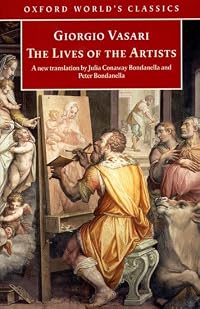
The Lives of the Artists
by Giorgio Vasari
On This Page
Description
These biographies of the great quattrocento artists have long been considered among the most important of contemporary sources on Italian Renaissance art. Vasari, who invented the term "Renaissance," was the first to outline the influential theory of Renaissance art that traces a progression through Giotto, Brunelleschi, and finally the titanic figures of Michaelangelo, Da Vinci, and Raphael. This new translation, specially commissioned for the Oxford World's Classics series, contains show more thirty-six of the most important lives. Lives of the Artists is an invaluable classic to add to your collection. show lessTags
Recommendations


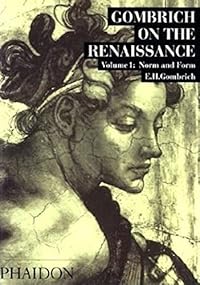
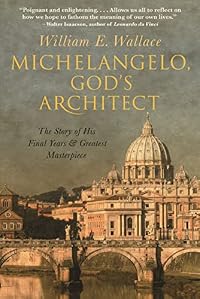
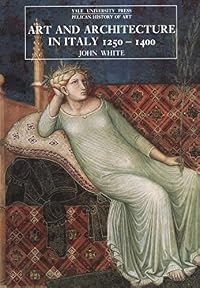
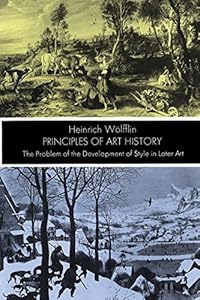



Member Reviews
This version I read was the abridged one (500~ pages) whereas the original work was a bible of 9 volumes. Learning about the artists presented in the book was many times a lukewarm experience but the book did what it was supposed to and confirmed many of my suppositions:
1-Crazy is more normal in artistry (one guy rizzed a nun, another was crying whilst painting a cross every time, another was doing autopsies on homeless dead people so he could learn anatomy, many died due to their craft itself)
2-Some level of neurodivergence is to be expected in top performers (autism, ocd, even schizophrenia, apathy)
3-Michelangelo was the GOAT
4-Farnese Hercules is a sculpt which even David can’t surpass (I can appreciate twinks but not that show more much)
5-Passion/hobby won’t be enough- it needs to be hardcore, have sacrifices, your very sense of self needs to be associated with it.
6-There’s a sense that many of these people felt like outcasts- almost all of them left their homes to pursue artistry before even reaching teenage. As they say, if you can’t fit in then only choice is standing out (these are just the successful examples though haha)
7-Civilisations have these stages of tension and ease- not exactly cyclical but more spiralling which capture the essence, the dreams, the culmination of the previous generations. You can feed a peasant bread for one day or show him a greatly built catholic cathedral after a long, long pilgrimage and he’ll believe, he’ll hold on, he’ll play his part for the rest of life. Theatrics matter.
10-Teenage Mutant Ninja Turtle did more for lighting up artistic interest, than the World Art Association in 30 years. show less
1-Crazy is more normal in artistry (one guy rizzed a nun, another was crying whilst painting a cross every time, another was doing autopsies on homeless dead people so he could learn anatomy, many died due to their craft itself)
2-Some level of neurodivergence is to be expected in top performers (autism, ocd, even schizophrenia, apathy)
3-Michelangelo was the GOAT
4-Farnese Hercules is a sculpt which even David can’t surpass (I can appreciate twinks but not that show more much)
5-Passion/hobby won’t be enough- it needs to be hardcore, have sacrifices, your very sense of self needs to be associated with it.
6-There’s a sense that many of these people felt like outcasts- almost all of them left their homes to pursue artistry before even reaching teenage. As they say, if you can’t fit in then only choice is standing out (these are just the successful examples though haha)
7-Civilisations have these stages of tension and ease- not exactly cyclical but more spiralling which capture the essence, the dreams, the culmination of the previous generations. You can feed a peasant bread for one day or show him a greatly built catholic cathedral after a long, long pilgrimage and he’ll believe, he’ll hold on, he’ll play his part for the rest of life. Theatrics matter.
10-Teenage Mutant Ninja Turtle did more for lighting up artistic interest, than the World Art Association in 30 years. show less
Seleções desse livro dos primórdios da história da arte da Europa italiana, que de tão influente, acabou por determinar os nomes das tartarugas ninja séculos depois. Publicado pela primeira vez em 1550, em Florença, consiste em uma série de mini biografias e anedotas dos grandes mestres da pintura, escultura, desenho e arquitetura do renascimento, século XV-XVI. Eu não recomendo, por ser pueril e um tanto chato, apesar da versão charmosa a que ouvi (ótimo narrador e música ocasional incrível).
Entretanto, lá aprenderemos que Filippo Brunelleschi fingiu estar doente para obrigar o incompetente Lorenzo a trabalhar e mostrar que só ele poderia terminar a obra. Fra Fillipo Lippi, quis pintar Lucrécia no monasteiro, como uma show more virgem, mas acabou assim tornando a obra ficcional. Leonardo da Vinci, de dons divinos, que aprendia de tudo mas largava, e era muito forte e belo, e suas pinturas tem olhos que têm um brilho realista, que mostra como a arte imita a natureza, e nos faz imaginar que há uma pulsação no coração de Monalisa. Sua mulher era pintada com gente dançando e fazendo música em volta dela, pra que ela emanasse felicidade. Piero de Cosimo, se enfurnava pintando no quarto, e cozinhava ovos, uma dúzia de cada vez, pra ir comendo e não ter de parar de pintar. Das pinturas de Raphael Sanzio, dizemos verdadeiramente coisas vivas, de tão incríveis. E de tão divina, de um náufrago inteiro, só restava a obra dele, intacta, pois até a fúria das ondas respeitava pintura de tão grande perfeição. Rosso Fiorentino, por sua vez, de boa vida, acaba por acusar seu amigo de roubar-lhe e por estar errado e se suicidou, procurando em Paris um licor venenoso, que tomou. Franchesco Parmigianino era um tolo que gastou sua vida em insumos e experimentos de alquimia; e sua barba cresceu desordenada, ficando parecido com um selvagem. Michelangelo Buonarotti dissecou muitos cadáveres afim de aperfeiçoar-se no desenho. E quando um bispo o tirou, o papa lhe deu um solapo e abençoou Michelangelo. E lamentou a morte de Orbino como se ele fosse um amante muito amado, por que será? E Deus para castigar o orgulho romano permitio que os Borbões a saqueassem (isso em 1527). Por fim, Jacobo Sansovino aos 93 anos um dia foi dormir, e tão saudável e abençoado, simplesmente não conseguiu levantar, sem sofrer, daí definhando gradualmente até a morte. show less
Entretanto, lá aprenderemos que Filippo Brunelleschi fingiu estar doente para obrigar o incompetente Lorenzo a trabalhar e mostrar que só ele poderia terminar a obra. Fra Fillipo Lippi, quis pintar Lucrécia no monasteiro, como uma show more virgem, mas acabou assim tornando a obra ficcional. Leonardo da Vinci, de dons divinos, que aprendia de tudo mas largava, e era muito forte e belo, e suas pinturas tem olhos que têm um brilho realista, que mostra como a arte imita a natureza, e nos faz imaginar que há uma pulsação no coração de Monalisa. Sua mulher era pintada com gente dançando e fazendo música em volta dela, pra que ela emanasse felicidade. Piero de Cosimo, se enfurnava pintando no quarto, e cozinhava ovos, uma dúzia de cada vez, pra ir comendo e não ter de parar de pintar. Das pinturas de Raphael Sanzio, dizemos verdadeiramente coisas vivas, de tão incríveis. E de tão divina, de um náufrago inteiro, só restava a obra dele, intacta, pois até a fúria das ondas respeitava pintura de tão grande perfeição. Rosso Fiorentino, por sua vez, de boa vida, acaba por acusar seu amigo de roubar-lhe e por estar errado e se suicidou, procurando em Paris um licor venenoso, que tomou. Franchesco Parmigianino era um tolo que gastou sua vida em insumos e experimentos de alquimia; e sua barba cresceu desordenada, ficando parecido com um selvagem. Michelangelo Buonarotti dissecou muitos cadáveres afim de aperfeiçoar-se no desenho. E quando um bispo o tirou, o papa lhe deu um solapo e abençoou Michelangelo. E lamentou a morte de Orbino como se ele fosse um amante muito amado, por que será? E Deus para castigar o orgulho romano permitio que os Borbões a saqueassem (isso em 1527). Por fim, Jacobo Sansovino aos 93 anos um dia foi dormir, e tão saudável e abençoado, simplesmente não conseguiu levantar, sem sofrer, daí definhando gradualmente até a morte. show less
Quite simply, this is one of the greatest treatises on art in the history of man. It's hard to overstate the significance that this work has had on the art world through the ages.
This is a compilation of biographies of the great Florentine painters by one who knew them. Wonderful read, interesting insight. It has been disparaged today by some who insist that peer review articles take precedence because modern authorities are more critical. Oh, please. What the egos of the small minded are capable of!
This book is a great read for anyone who is interested in the lives of some of the greatest artists of the Renaissance from a contemparary source. Vasari, who also coined the phrase "Renaissance" is able to simultaniously humanize and praise the artists who left an indelible mark on Western civilization.
"The lives of the artists" van Giorgio Vasari wordt beschouwd als het eerste kritische kunsthistorische boek. Deze Engelstalige editie is een ingekorte vertaling uit het Italiaans die de beschrijvingen van de belangrijkste kunstenaars bevat. Prettig om te lezen, maar een boek over kunstenaars hoort in mijn ogen ook illustraties van hun belangrijkste kunstwerken te bevatten. Gestopt na blz 146.
Oct 30, 2009Dutch
Ratings
Members
- Recently Added By
Lists

Harold Bloom - The Western Canon: B. The Aristocratic Age
231 works; 13 members

Trinity College Booklist (1951): Class Seven, Fine Arts and Music
46 works; 3 members

Books in the Bibliography of The History of Hell by Alice K. Turner
155 works; 1 member
Author Information

321+ Works 4,997 Members
Giorgio Vasari was born in Arezzo, Italy on July 30, 1511. He was an architect, painter, and writer. He was the architect for the Uffizi in Florence and the church, monastery, and palace created for the Cavalieri di San Stefano in Pisa. His murals can be seen at the Palazzo Vecchio in Florence. During his travels, Vasari took notes on various show more artists and paintings he encountered which resulted in his book, The Lives of the Most Excellent Italian Architects, Painters, and Sculptures. He also wrote biographies of Italian Renaissance artists. He died on June 27, 1574. (Bowker Author Biography) show less
All Editions
Awards and Honors
Series
Belongs to Publisher Series
Work Relationships
Contains
Is an abridged version of
Common Knowledge
- Canonical title
- The Lives of the Artists
- Original title
- Le Vite de' più eccellenti pittori, scultori, e architettori; Le Vite de più eccellenti architetti, pittori, et scultori italiani, da Cimabue insino a' tempi nostri; Vite de' più eccellenti pittori, scultori et architettori
- Original publication date
- .1957 [ this abridgement only]; 1550; .
- People/Characters
- Masaccio; Lorenzo Ghiberti; Cimabue; Giotto di Bondone; Duccio; Luca della Robbia (show all 22); Paolo Uccello; Filippo Brunelleschi; Piero della Francesca; Andrea del Verrocchio; Sandro Botticelli; Andrea Mantegna; Fra Filippo Lippi; Leonardo da Vinci; Michelangelo Buonarroti; Donatello; Fra Angelico; Domenico Ghirlandaio; Giorgione; Raphael, artist; Titian; Battista della Paglia
- First words
- I know it is an opinion commonly accepted amongst all writers that sculpture, as well as painting, was first discovered in nature by the peoples of Egypt; and that some others attribute to the Chaldeans the first rough rough ... (show all)carvings in marble and the first figures in relief; just as others assign to the Greeks the invention of the brush and the use of colour.
I know it is an opinion commonly accepted among almost all writers that sculpture, as well as painting, was first discovered in nature by the peoples of Egypt; and that some others attribute to the Chaldeans the first rough c... (show all)arvings in marble and the first figures in relief; just as still others assign to the Greeks the invention of the brush and the use of color.
The greatest discovery of the Renaissance was, undoubtedly, that man is the measure of all things, and the best, no, the only proper, study of man. Portraiture, rarely practiced during the Middle Ages, and biography, virtuall... (show all)y dead after Plutarch, became favored pursuits, and it was an artist who was to combine both with distinction. - Last words
- (Click to show. Warning: May contain spoilers.)As for the rest, having done the best I know how, accept it willingly and do not ask of it more than I know or am capable of, and be satisifed with my good will, which is and always will be to help and to please others.
(Click to show. Warning: May contain spoilers.)As for the rest, having done the best I knew how, accept it willingly and do not ask of me more than I know or am capable of, and be satisfied with my good will, which is and always will be to help and to please others. - Original language
- Italian
- Canonical DDC/MDS
- 709.2245
- Disambiguation notice
- This is an abridgment. Please do not combine with other abridgments unless you are sure they contain the same selections.
Classifications
Statistics
- Members
- 985
- Popularity
- 26,450
- Reviews
- 6
- Rating
- (3.71)
- Languages
- English, Greek
- Media
- Paper, Audiobook, Ebook
- ISBNs
- 13
- ASINs
- 5