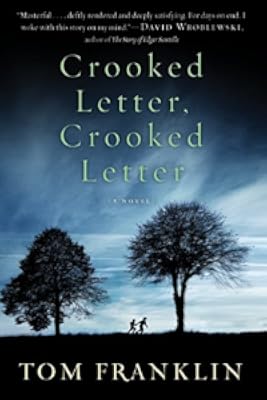
Crooked Letter, Crooked Letter
by Tom Franklin
On This Page
Description
"The classic trifecta of talent, heart, and a bone-deep sense of storytelling....A masterful performance, deftly rendered and deeply satisfying. For days on end, I woke with this story on my mind." —David WroblewskiA powerful and resonant novel from the critically acclaimed author of Smonk and Hell at the Breech, Crooked Letter, Crooked Letter tells the riveting story of two boyhood friends, torn apart by circumstance, who are brought together again by a terrible crime in a small show more Mississippi town. An extraordinary novel that seamlessly blends elements of crime and Southern literary fiction, Crooked Letter, Crooked Letter is a must for readers of Larry Brown, Pete Dexter, Ron Rash, and Dennis Lehane.
In the late 1970s, Larry Ott and Silas "32" Jones were boyhood pals. Their worlds were as different as night and day: Larry, the child of lower-middle-class white parents, and Silas, the son of a poor, single black mother. Yet for a few months the boys stepped outside of their circumstances and shared a special bond. But then tragedy struck: Larry took a girl on a date to a drive-in movie, and she was never heard from again. She was never found and Larry never confessed, but all eyes rested on him as the culprit. The incident shook the county—and perhaps Silas most of all. His friendship with Larry was broken, and then Silas left town.
More than twenty years have passed. Larry, a mechanic, lives a solitary existence, never able to rise above the whispers of suspicion. Silas has returned as a constable. He and Larry have no reason to cross paths until another girl disappears and Larry is blamed again. And now the two men who once called each other friend are forced to confront the past they've buried and ignored for decades.
. show less
Tags
Recommendations
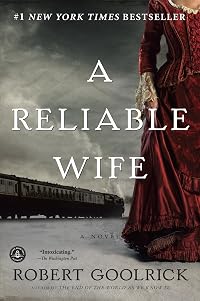
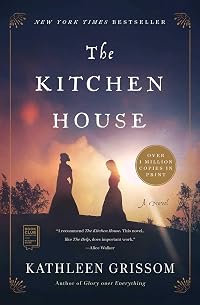
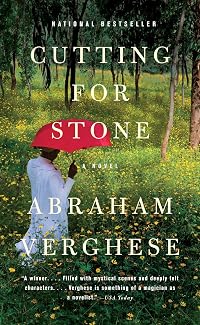
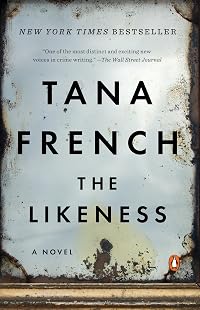


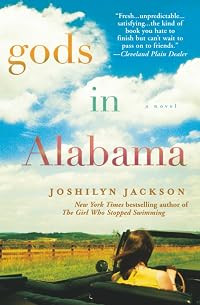


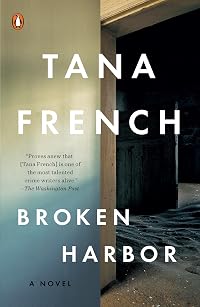
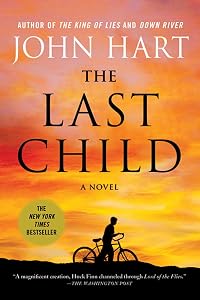
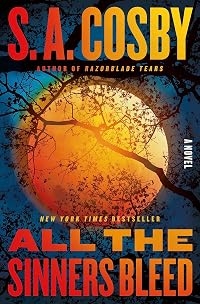

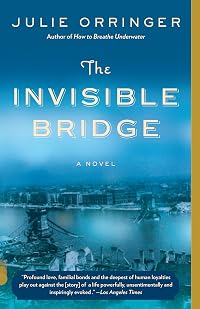
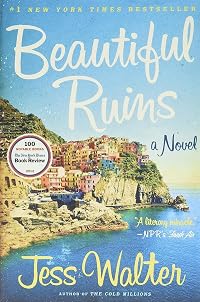
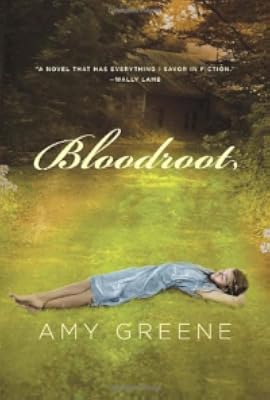
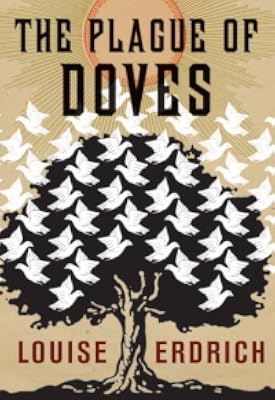
Member Recommendations
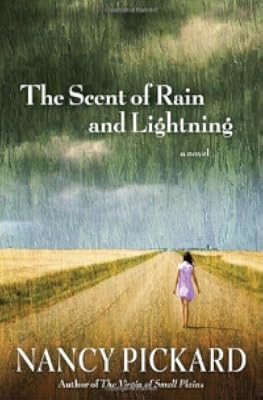
pdebolt There is a similar poignancy to Larry Ott and Owen Meany as they struggle to find their place in their worlds.
20

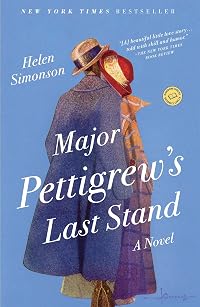
whymaggiemay Both books take place in the south, though in different states. The underlying racial tone is very similar.

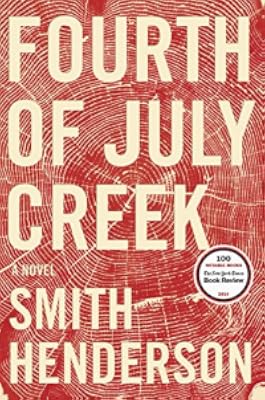
RidgewayGirl Both are crime novels that have as their main character a man returning to his childhood home and also snakes.
Member Reviews
I closed this book and held it for awhile. I read all the blurbs and the information about Tom Franklin. I even read through the tiresome list of names in the acknowledgments section at the back. I was not ready to let this book go.
Set in southeastern Mississippi, in a dying mill town, Crooked Letter, Crooked Letter tells the story of 32 Jones, who is the constable of tiny Chabot, which means he runs a speed trap to fill the town's coffers and directs traffic during shift changes at the mill. Anything bigger than simple assault he passes on to his boss, the chief investigator in Fulsom, the town up the road, large enough to have a Wal-Mart. Larry Ott is an outcast. Suspected in the disappearance of a girl who lived nearby when he was a show more teenager, he's lived under the small town suspicion that he got away with something for decades. He was an outcast back in high school, too; a reader and a nerd. But, for a short time, when they were boys, they were friends of a sort, loneliness pulling them together despite the fact that 32 is black and Larry white, in a time and place where that matters a lot.
Now another girl's gone missing and the natural suspect is Larry Otts.
Dripping with atmosphere like a Spanish moss infested tree, Franklin makes rural Mississippi, both past and present, the central character of show less
Set in southeastern Mississippi, in a dying mill town, Crooked Letter, Crooked Letter tells the story of 32 Jones, who is the constable of tiny Chabot, which means he runs a speed trap to fill the town's coffers and directs traffic during shift changes at the mill. Anything bigger than simple assault he passes on to his boss, the chief investigator in Fulsom, the town up the road, large enough to have a Wal-Mart. Larry Ott is an outcast. Suspected in the disappearance of a girl who lived nearby when he was a show more teenager, he's lived under the small town suspicion that he got away with something for decades. He was an outcast back in high school, too; a reader and a nerd. But, for a short time, when they were boys, they were friends of a sort, loneliness pulling them together despite the fact that 32 is black and Larry white, in a time and place where that matters a lot.
Now another girl's gone missing and the natural suspect is Larry Otts.
Dripping with atmosphere like a Spanish moss infested tree, Franklin makes rural Mississippi, both past and present, the central character of show less
This story takes place in rural Mississippi, starting in the 1970's. Larry Ott is a white, shy boy, a constant disappointment to his father. He befriends Silas "32" Jones, a black boy that lives with his mother in a shack on Larry's father's land. But after Larry is accused of murdering a girl that disappeared and Silas goes off to college, their friendship ends.
Twenty-plus years later, Silas is the town constable and Larry lives a solitary existence, ostracized by the community though never convicted of the girl's murder. Another girl has disappeared, Larry is a suspect and Silas is no longer able to ignore his former friend.
This literary suspense novel was riveting! It moves fluidly between past and present, giving us bits of show more information but never enough to draw conclusions until the end. Both Larry and Silas are very complex characters. Despite what Larry is suspected of doing, he comes across as very sympathetic and sad. He was considered a 'weirdo' as a child and the cloud of suspicion that hangs over him does not help him as an adult. His childhood friendship with Silas was secret due to race issues and the now adult and popular Silas does not want to admit to having once been friendly with 'scary Larry' as he is now known. All the characters are well-written, well-developed and the writing sharp and descriptive of a small Southern town. Though part mystery, it is also about friendship and secrets and never leaving your past behind.
I really, really enjoyed this novel, whose title is taken from a rhyme that was used to teach children how to spell Mississippi. This is one of those books that is so good you want to put it down so you can make it last longer. Unfortunately, I was way to hooked to do that. Instead, I will just have to read more by this fantastic author.
I feel like I have been on a streak of great reads lately and this is no exception.
my rating- 5/5 show less
Twenty-plus years later, Silas is the town constable and Larry lives a solitary existence, ostracized by the community though never convicted of the girl's murder. Another girl has disappeared, Larry is a suspect and Silas is no longer able to ignore his former friend.
This literary suspense novel was riveting! It moves fluidly between past and present, giving us bits of show more information but never enough to draw conclusions until the end. Both Larry and Silas are very complex characters. Despite what Larry is suspected of doing, he comes across as very sympathetic and sad. He was considered a 'weirdo' as a child and the cloud of suspicion that hangs over him does not help him as an adult. His childhood friendship with Silas was secret due to race issues and the now adult and popular Silas does not want to admit to having once been friendly with 'scary Larry' as he is now known. All the characters are well-written, well-developed and the writing sharp and descriptive of a small Southern town. Though part mystery, it is also about friendship and secrets and never leaving your past behind.
I really, really enjoyed this novel, whose title is taken from a rhyme that was used to teach children how to spell Mississippi. This is one of those books that is so good you want to put it down so you can make it last longer. Unfortunately, I was way to hooked to do that. Instead, I will just have to read more by this fantastic author.
I feel like I have been on a streak of great reads lately and this is no exception.
my rating- 5/5 show less
I’m always a bit hesitant when books are compared to some classics that just.. are incomparable – but in the case of Crooked Letter, Crooked Letter, I can see why the classic Harper Lee story is brought to mind. What Tom Franklin has done with the story of Larry and Silas “32″ is nothing short of horrifying and heart-aching.
From the first few sentences I was immediately hooked by Larry – by his character, by sorrow for him even though I wasn’t aware of what exactly he had done, or not done, and I was struck by how unfairly life had been treating him. With chickens, a tractor, a sick mother and a few other tools Tom Franklin manages to infuse into Larry the type of character of a man who has been beaten down by life and the show more people around him – all through no fault of his own. Think being naive is harmless? Not for Larry Ott.
Then Silas “32″ Jones comes on the scene. This is, again, one of those stories where the “twist” isn’t the main point of the story – it’s very easy to spot from afar, but it doesn’t matter, because there is more meat to the story then the twist.
This is a fascinating story about what happens if the tables were turned, how the South treats one man over the other, had he been in the same position, how the power rests in the hands of the most unlikely person and how restitution can begin to be made. show less
From the first few sentences I was immediately hooked by Larry – by his character, by sorrow for him even though I wasn’t aware of what exactly he had done, or not done, and I was struck by how unfairly life had been treating him. With chickens, a tractor, a sick mother and a few other tools Tom Franklin manages to infuse into Larry the type of character of a man who has been beaten down by life and the show more people around him – all through no fault of his own. Think being naive is harmless? Not for Larry Ott.
Then Silas “32″ Jones comes on the scene. This is, again, one of those stories where the “twist” isn’t the main point of the story – it’s very easy to spot from afar, but it doesn’t matter, because there is more meat to the story then the twist.
This is a fascinating story about what happens if the tables were turned, how the South treats one man over the other, had he been in the same position, how the power rests in the hands of the most unlikely person and how restitution can begin to be made. show less
Crooked Letter, Crooked Letter
This book moves the reader along two time-lines for the two main characters, one black and one white, as teenage boys and as adult men in a small town in Mississippi. In each time-line a teenage girl has disappeared and the white character is suspected of having abducted and killed them. Both timelines move at a pace slow enough to let you absorb the details of the experience of growing up in a small town that thinks it knows what to expect of you.
The charm of the book, apart from its well-crafted prose, is that the reader’s understanding of the connections between past and present shifts constantly as new information emerges. This is more than a plot device, it is an insight into how life works: meaning show more is emergent, not fixed and truth requires more than a knowledge of the factors before it can be understood. Tom Franklin presents a world in which our character and our past choices shape us but do not determine our path.
Although the disappearance of the two girls is central to story and the author honours the implicit promise to the reader by providing a satisfactory denouement, this is not, in my opinion, primarily a crime novel. It is a novel about the impact of secrets on those who hold them and those from whom they are withheld and about the impact of judgements on those who make them and those who are judged. It explores fidelity and honesty and the evil that lurk in shadows that we create when we refuse to speak the truth.
The novel has a strong sense of place and a deep insight into the hearts of damaged people. It avoids cliché and sensationalism. It left me with a renewed sense that the future is ours to make provided we are willing and able to acknowledge our past.
This is the kind of book I would like to have seen on the Booker short –list. show less
This book moves the reader along two time-lines for the two main characters, one black and one white, as teenage boys and as adult men in a small town in Mississippi. In each time-line a teenage girl has disappeared and the white character is suspected of having abducted and killed them. Both timelines move at a pace slow enough to let you absorb the details of the experience of growing up in a small town that thinks it knows what to expect of you.
The charm of the book, apart from its well-crafted prose, is that the reader’s understanding of the connections between past and present shifts constantly as new information emerges. This is more than a plot device, it is an insight into how life works: meaning show more is emergent, not fixed and truth requires more than a knowledge of the factors before it can be understood. Tom Franklin presents a world in which our character and our past choices shape us but do not determine our path.
Although the disappearance of the two girls is central to story and the author honours the implicit promise to the reader by providing a satisfactory denouement, this is not, in my opinion, primarily a crime novel. It is a novel about the impact of secrets on those who hold them and those from whom they are withheld and about the impact of judgements on those who make them and those who are judged. It explores fidelity and honesty and the evil that lurk in shadows that we create when we refuse to speak the truth.
The novel has a strong sense of place and a deep insight into the hearts of damaged people. It avoids cliché and sensationalism. It left me with a renewed sense that the future is ours to make provided we are willing and able to acknowledge our past.
This is the kind of book I would like to have seen on the Booker short –list. show less
Crooked Letter, Crooked Letter is Tom Franklin’s crime mystery that is so much more than that. I view this as much more a story about human nature, human failings, and human relationships than a who-done-it. At the heart of the novel are two boys, Silas (a black boy) and Larry (a white boy), who want to have a friendship despite family and community taboos, and find themselves in an interesting situation as adults, standing on opposite sides of the small town legal system.
Along the way, Franklin makes some astute observations about people and small town sensibilities.
“Sometimes he thought of Alice Jones, of Silas, how Larry’s mother had given them coats but not a ride in her car. How what seemed like kindness could be the show more opposite.”
It made me think about intent vs. action. How sometimes we cloak our worst impulses in fancier clothing and think no one recognizes the truth. Or perhaps we do not care if others see the truth as long as we have credible deniability.
”What’s missing out of you, Silas?” Courage, he thought.
Larry certainly had a kind of courage. He is portrayed as a weaker person, but what kind of courage does it take to stand up to injustice and not let it rot your soul? When is it too late to atone for a lack of courage that affects the life of another to the extent that we see here? And where along the line might one act of kindness or inclusion have changed the outcome completely? I could not help thinking about all the excluded, laughed-at kids who become outcasts and whose lives are ruined in high school because they have their self-confidence eroded and believe they are what others say they are.
The most heroic person in this book is poor Larry Ott, who bears his undeserved fate without hate or recrimination, who continues to want and seek a friend, who bears his lonely life by caring for his chickens as if all living things matter.
Kudos to Franklin. This is my second of his novels, but hopefully not the last. show less
Along the way, Franklin makes some astute observations about people and small town sensibilities.
“Sometimes he thought of Alice Jones, of Silas, how Larry’s mother had given them coats but not a ride in her car. How what seemed like kindness could be the show more opposite.”
It made me think about intent vs. action. How sometimes we cloak our worst impulses in fancier clothing and think no one recognizes the truth. Or perhaps we do not care if others see the truth as long as we have credible deniability.
”What’s missing out of you, Silas?” Courage, he thought.
Larry certainly had a kind of courage. He is portrayed as a weaker person, but what kind of courage does it take to stand up to injustice and not let it rot your soul? When is it too late to atone for a lack of courage that affects the life of another to the extent that we see here? And where along the line might one act of kindness or inclusion have changed the outcome completely? I could not help thinking about all the excluded, laughed-at kids who become outcasts and whose lives are ruined in high school because they have their self-confidence eroded and believe they are what others say they are.
The most heroic person in this book is poor Larry Ott, who bears his undeserved fate without hate or recrimination, who continues to want and seek a friend, who bears his lonely life by caring for his chickens as if all living things matter.
Kudos to Franklin. This is my second of his novels, but hopefully not the last. show less
One evening Larry Ott returns home from work to find a masked intruder, who shoots him and leaves him for dead. Fortunately local constable Silas Jones had asked a colleague to stop by Larry's place, and they got to him just in time. Larry's life hung in the balance for several days. During that time we follow the hunt for his assailant, but more importantly we learn a lot more about Larry, Silas, and their lives in rural Chabot, Mississippi.
Larry has been a recluse all his adult life. As a teenager he was accused of raping and murdering a girl he took on a date. She never returned home, her body was never found, and Larry refused to talk about it. While he was never charged with the crime, he was ostracized by the community. He took show more over his father's auto repair shop, but his only customers were people from out-of-town, just passing through.
Silas spent his boyhood in Chabot with his mother. They lived in a one-room hut on the Ott's property. Quite by happenstance, Larry and Silas became friends. Secret friends, because Larry was white and Silas, black, and public friendships just weren't possible. Larry's father put a stop to it in a humiliating and abusive way. Eventually Silas and his mother moved so he could become the star baseball player at a different high school, and the boys lost touch. Even after Silas returned to Chabot as Constable, their paths didn't cross. Until one day when Silas received a voice mail from Larry, just asking him to call. It was this message that prompted Silas' visit a few days later, just after Larry was shot.
At the time of the shooting, Silas was also investigating another young girl's disappearance, some 20 years after the incident that changed Larry's life forever. Everyone in town thinks Larry committed a crime again. That is, everyone but Silas. Slowly, we learn the basis for Silas' opinion, as we also uncover clues to Larry's assailant and the girl's disappearance.
I was completely caught up in this book, and at first it was because of the crime to be solved. But Tom Franklin revealed those details very slowly, while painting vivid portraits of Larry and Silas and filling in their back story. Eventually the shooting and the girl's disappearance became just secondary mysteries; in fact, both were actually pretty easy to solve. This book was much more about the mystery of these two men's lives, and the profound influence of past events. Again, Franklin revealed details slowly, and I often found myself rereading passages to make sure I was putting the pieces together correctly. The result was a moving account of friendship, betrayal, and hope. show less
Larry has been a recluse all his adult life. As a teenager he was accused of raping and murdering a girl he took on a date. She never returned home, her body was never found, and Larry refused to talk about it. While he was never charged with the crime, he was ostracized by the community. He took show more over his father's auto repair shop, but his only customers were people from out-of-town, just passing through.
Silas spent his boyhood in Chabot with his mother. They lived in a one-room hut on the Ott's property. Quite by happenstance, Larry and Silas became friends. Secret friends, because Larry was white and Silas, black, and public friendships just weren't possible. Larry's father put a stop to it in a humiliating and abusive way. Eventually Silas and his mother moved so he could become the star baseball player at a different high school, and the boys lost touch. Even after Silas returned to Chabot as Constable, their paths didn't cross. Until one day when Silas received a voice mail from Larry, just asking him to call. It was this message that prompted Silas' visit a few days later, just after Larry was shot.
At the time of the shooting, Silas was also investigating another young girl's disappearance, some 20 years after the incident that changed Larry's life forever. Everyone in town thinks Larry committed a crime again. That is, everyone but Silas. Slowly, we learn the basis for Silas' opinion, as we also uncover clues to Larry's assailant and the girl's disappearance.
I was completely caught up in this book, and at first it was because of the crime to be solved. But Tom Franklin revealed those details very slowly, while painting vivid portraits of Larry and Silas and filling in their back story. Eventually the shooting and the girl's disappearance became just secondary mysteries; in fact, both were actually pretty easy to solve. This book was much more about the mystery of these two men's lives, and the profound influence of past events. Again, Franklin revealed details slowly, and I often found myself rereading passages to make sure I was putting the pieces together correctly. The result was a moving account of friendship, betrayal, and hope. show less
Tom Franklin’s Crooked Letter, Crooked Letter is extraordinary, masterful storytelling, and (thankfully) Franklin has promised further development of characters and history from the Mississippi town of Chabot.
With his first venture into this territory, Franklin vividly paints persuasive portraits and landscapes of the contemporary, small town South, with the lives and complex relationships of its residents. Some of those residents reign, others are resigned, and – of those who run away – some also return, eventually, with unexpected but ultimately rewarding consequences. Casting his characters’ stories in a “semi” police procedural / mystery / thriller plot, Franklin ably entertains and draws his reader into their world, but show more also delves deeper, exploring and offering fodder for readers willingly provoked to reflection. From the outset, Larry, publicly ostracized and widely condemned (but not convicted) for heinous crimes, has our sympathy; his once-close friendship with a classmate, “32” Jones is sundered by forces endemic to time and place, beyond their control. Franklin employs some "Deep South," Gothic stereotypes (after all, that's part of who we are!); but, almost invariably, the stereotypes serve the story, either as archetypes for reference or as foundations for further development and building the whole. How each element came to be, and how they play out in Larry's and 32’s respective lives, form the heart of this novel.
Franklin seems to bear his share of the “Southern author” mantle lightly and with grace, calling on a wealth of observation and insight, and weaving that material in compact, compelling tale that succeeds on every level. Until the next chapter of Chabot unfolds, go back and look too at his earlier work – Poachers, Hell at the Breach, Smonk, or any of the short stories. My guess is that Tom Franklin won’t disappoint … except, maybe, that he hasn’t (yet) written more! show less
With his first venture into this territory, Franklin vividly paints persuasive portraits and landscapes of the contemporary, small town South, with the lives and complex relationships of its residents. Some of those residents reign, others are resigned, and – of those who run away – some also return, eventually, with unexpected but ultimately rewarding consequences. Casting his characters’ stories in a “semi” police procedural / mystery / thriller plot, Franklin ably entertains and draws his reader into their world, but show more also delves deeper, exploring and offering fodder for readers willingly provoked to reflection. From the outset, Larry, publicly ostracized and widely condemned (but not convicted) for heinous crimes, has our sympathy; his once-close friendship with a classmate, “32” Jones is sundered by forces endemic to time and place, beyond their control. Franklin employs some "Deep South," Gothic stereotypes (after all, that's part of who we are!); but, almost invariably, the stereotypes serve the story, either as archetypes for reference or as foundations for further development and building the whole. How each element came to be, and how they play out in Larry's and 32’s respective lives, form the heart of this novel.
Franklin seems to bear his share of the “Southern author” mantle lightly and with grace, calling on a wealth of observation and insight, and weaving that material in compact, compelling tale that succeeds on every level. Until the next chapter of Chabot unfolds, go back and look too at his earlier work – Poachers, Hell at the Breach, Smonk, or any of the short stories. My guess is that Tom Franklin won’t disappoint … except, maybe, that he hasn’t (yet) written more! show less
 This review was written for LibraryThing Early Reviewers.
Members
- Recently Added By
Published Reviews
ThingScore 75
If you're looking for a smart, thoughtful novel that sinks deep into a Southern hamlet of the American psyche, "Crooked Letter, Crooked Letter" is your next book.
added by eereed
added by lucy.depalma
Lists

Southern Thrillers
5 works; 2 members

Small Town Fiction
66 works; 13 members
Southern Fiction
212 works; 52 members

Best Book Club Selections
26 works; 8 members

Books Read in 2012
816 works; 34 members

2008-2012 Notable Books for Adults
127 works; 10 members

thinking of reading in 2016
99 works; 1 member

Contemporary Fiction
7 works; 2 members

Indie Next Picks
196 works; 4 members
Books Set in Small Towns and Villages
278 works; 16 members

Southern fiction reading list
25 works; 1 member
Author Information

15+ Works 4,233 Members
Tom Franklin is the New York Times bestselling author of Crooked Letter, Crooked Letter, which won the Los Angeles Times Book Prize and the Crime Writers' Association's Gold Dagger Award. His previous works include Poachers, Hell at the Breech, and Smonk. Franklin co-authored The Tilted World with wife Beth Ann Fennelly. He teaches in the show more University of Mississippi's MFA program. (Bowker Author Biography) show less
Some Editions
Awards and Honors
Awards
Distinctions
Series
Belongs to Publisher Series
Common Knowledge
- Canonical title
- Crooked Letter, Crooked Letter
- Original title
- Crooked Letter, Crooked Letter
- Original publication date
- 2010; 2011 (1e traduction et édition française, Terres d'Amérique, Albin Michel) (1e traduction et édition française, Terres d'Amérique, Albin Michel)
- People/Characters
- Larry Ott; Silas "32" Jones; Wallace Stringfellow; Roy French; Angie Baker; Carl Ott (show all 13); Cindy Walker; Alice Jones; Ina Ott; Cecil Walker; Voncille Bradford; Irina Mott; Colin
- Important places
- Mississippi, USA; Chabot, Mississippi, USA; Fulsom, Mississippi, USA
- Epigraph
- M, I, crooked letter, crooked letter, I, crooked letter, crooked letter, I, humpback, humpback, I.
—How southern children are taught to spell Mississippi - Dedication
- For Jeff Franklin
and
in loving memory
of
Julie Fennelly Trudo
For Jeff Franklin and in loving memory of Julie Fennelly Trudo - First words
- The Rutherford girl had been missing for eight days when Larry Ott returned home and found a monster waiting in his house.
- Last words
- (Click to show. Warning: May contain spoilers.)He, Silas, knew the model.
- Blurbers
- Russo, Richard; Lehane, Dennis; Rash, Ron ; Pelecanos, George; Wroblewski, David; Hood, Ann
- Original language*
- Anglais (Etats-Unis) (Etats-Unis)
*Some information comes from Common Knowledge in other languages. Click "Edit" for more information.
Classifications
Statistics
- Members
- 2,599
- Popularity
- 7,300
- Reviews
- 264
- Rating
- (3.94)
- Languages
- 7 — Danish, English, French, German, Italian, Croatian, Spanish
- Media
- Paper, Audiobook, Ebook
- ISBNs
- 35
- UPCs
- 1
- ASINs
- 15
