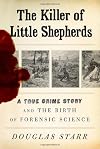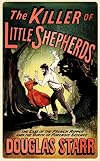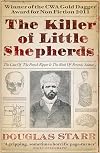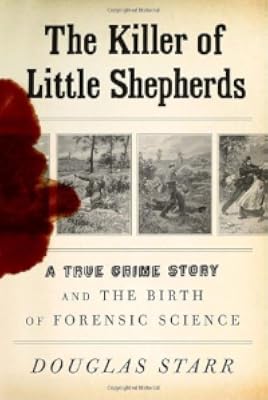
The Killer of Little Shepherds
by Douglas Starr
On This Page
Description
A riveting true crime story that vividly recounts the birth of modern forensics. At the end of the nineteenth century, serial murderer Joseph Vacher, known and feared as "The Killer of Little Shepherds," terrorized the French countryside. He eluded authorities for years--until he ran up against prosecutor Emile Fourquet and Dr. Alexandre Lacassagne, the era's most renowned criminologist. The two men--intelligent and bold--typified the Belle Époque, a period of immense scientific achievement show more and fascination with science's promise to reveal the secrets of the human condition. With high drama and stunning detail, Douglas Starr revisits Vacher's infamous crime wave, interweaving the story of how Lacassagne and his colleagues were developing forensic science as we know it. We see one of the earliest uses of criminal profiling, as Fourquet painstakingly collects eyewitness accounts and constructs a map of Vacher's crimes. We follow the tense and exciting events leading to the murderer's arrest. And we witness the twists and turns of the trial, celebrated in its day. In an attempt to disprove Vacher's defense by reason of insanity, Fourquet recruits Lacassagne, who in the previous decades had revolutionized criminal science by refining the use of blood-spatter evidence, systematizing the autopsy, and doing groundbreaking research in psychology. Lacassagne's efforts lead to a gripping courtroom denouement. The Killer of Little Shepherds is an important contribution to the history of criminal justice, impressively researched and thrillingly told. show lessTags
Recommendations

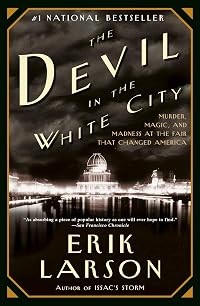
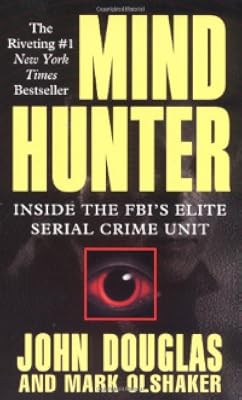
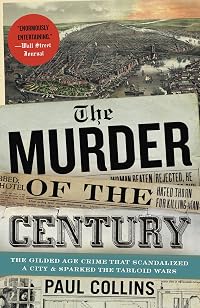
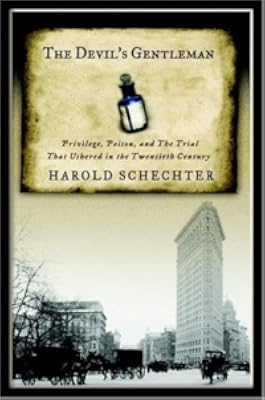
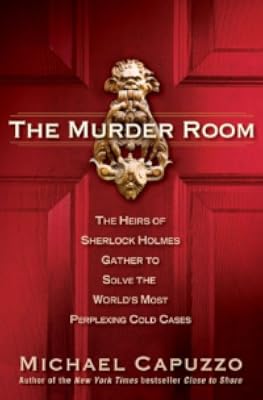

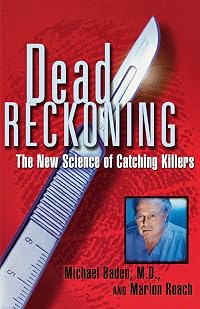
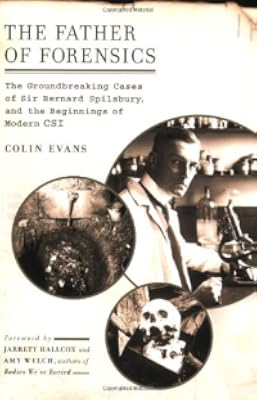
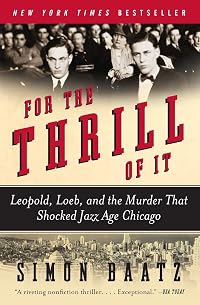


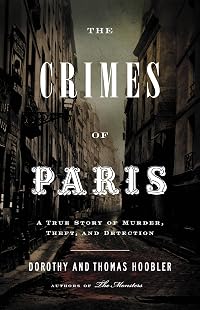
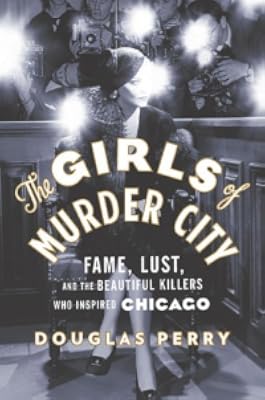
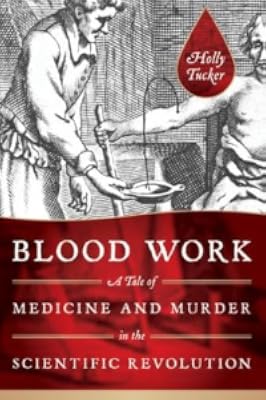
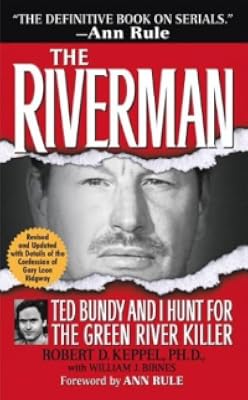







Member Recommendations
The Poisoner's Handbook: Murder and the Birth of Forensic Medicine in Jazz Age New York by Deborah Blum
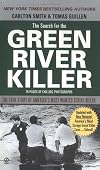
391 The Killer of Little Shepherds both have to do with the advent of forensic science; one set in rural France, in the attempt to track down a vicious serial killer, the other set in 1920s New York during Prohibition. Both are excellent books that I would highly recommend to anyone interested in the vanguards of forensics!


by Luchtpint

Member Reviews
Themes: forensic science, mass murder, mental illness, homelessness, crime, court system, police work
Amazing book. Yes, it's shelved with the true crime, but it doesn't quite fit. This book is so much more. Starr tells the story of two extraordinary men, one compelled to kill in the most grisly manner possible and one who put him away.
Joseph Vacher was the killer. Always violent, his first actual crime was motivated by an obsession with a young woman. When she rejected him, he stalked her, shot her, and then himself. Unfortunately for France, he didn't die. But that was the beginning. He was sent to an asylum where he seemed to improve. But on his release, he began a killing spree which ended in perhaps as many as 30 dead.
Dr. Alexandre show more Lacassagne was really the first forensic scientist. He not only figured out how to read a crime scene and a victim for clues, but was dedicated to teaching others how to do the same, drawing up guidelines for police to follow, and preserving specimens that would illustrate his findings. Bones, CSI, Quincey ME, all of them are only pale imitations of the real thing.
Starr made these stories so compelling that I couldn't put the book down. Great writing. I also appreciated that he didn't have to spell out every single nasty thing Vacher did to his young victims, but I still definitely got the point that this was a horrible man.
Highly recommended, and like I said, my first 5 star read of the year. show less
Amazing book. Yes, it's shelved with the true crime, but it doesn't quite fit. This book is so much more. Starr tells the story of two extraordinary men, one compelled to kill in the most grisly manner possible and one who put him away.
Joseph Vacher was the killer. Always violent, his first actual crime was motivated by an obsession with a young woman. When she rejected him, he stalked her, shot her, and then himself. Unfortunately for France, he didn't die. But that was the beginning. He was sent to an asylum where he seemed to improve. But on his release, he began a killing spree which ended in perhaps as many as 30 dead.
Dr. Alexandre show more Lacassagne was really the first forensic scientist. He not only figured out how to read a crime scene and a victim for clues, but was dedicated to teaching others how to do the same, drawing up guidelines for police to follow, and preserving specimens that would illustrate his findings. Bones, CSI, Quincey ME, all of them are only pale imitations of the real thing.
Starr made these stories so compelling that I couldn't put the book down. Great writing. I also appreciated that he didn't have to spell out every single nasty thing Vacher did to his young victims, but I still definitely got the point that this was a horrible man.
Highly recommended, and like I said, my first 5 star read of the year. show less
Would you have thought that a reporting of science history would be a nailbiter? Yeah, me neither. Turns out we're wrong.
This book is outstanding, a compellingly-written, nonfiction page turner.
Set in the late 1800s, it reports two parallel stories that build in tension as they eventually converge.
Alexandre Lacassagne is a scientist and criminologist who's the father of modern forensic science. In his peer group is Emile Fourquet who's a master investigator and somehow managed to link crimes committed across the French countryside. What these men contributed to their fields without any assistance from technology is nothing short of flabbergasting. Modern forensics and criminology are still in their debt. For instance it was these show more guys who essentially created the first criminal database and figured out that a particular gun could be linked to a specific gun. Heck, they even set the stage for the autopsy to enter into evidence and expert medical testimony.
It'd be awesome to have been taught by them to have just soaked up how their brains work.
Anyway, these two are pitted against Joseph Vacher who was a cunning serial murderer. Vacher did his best to create conditions favorable to him, but met his match with those two. Eventually they caught, prosecuted and sentenced him.
I read this as a readharder2016 pick and I'm so glad I did. An amazing story brilliant reported and told. show less
This book is outstanding, a compellingly-written, nonfiction page turner.
Set in the late 1800s, it reports two parallel stories that build in tension as they eventually converge.
Alexandre Lacassagne is a scientist and criminologist who's the father of modern forensic science. In his peer group is Emile Fourquet who's a master investigator and somehow managed to link crimes committed across the French countryside. What these men contributed to their fields without any assistance from technology is nothing short of flabbergasting. Modern forensics and criminology are still in their debt. For instance it was these show more guys who essentially created the first criminal database and figured out that a particular gun could be linked to a specific gun. Heck, they even set the stage for the autopsy to enter into evidence and expert medical testimony.
It'd be awesome to have been taught by them to have just soaked up how their brains work.
Anyway, these two are pitted against Joseph Vacher who was a cunning serial murderer. Vacher did his best to create conditions favorable to him, but met his match with those two. Eventually they caught, prosecuted and sentenced him.
I read this as a readharder2016 pick and I'm so glad I did. An amazing story brilliant reported and told. show less
I enjoyed this well researched and totally readable account of the serial killer, Joseph Vacher, (Vacher admitted to killing 11 people during the late 1800's across the French countryside), and the Forensic scientist who helped convict him, Alexandre Lacassagne.
The book is told in alternating chapters between Vacher's history and killing spree, and Lacassagne's history, prior cases, and ultimately how he concludes whether or not Vacher is legally responsible for actions.
Not only does Starr recount the personal histories of each man, but he puts everything in historical context, for example giving background about French economics and why there were so many vagabonds roaming around the countryside during this time. He also tells us show more about other scientific forensic theories i.e. "natural born criminals" based on certain physical characteristics, and of the first "database" of criminals' physical features and measurements used to track down and apprehend criminals across the country.
Each man's story is fascinating, Vacher's killings and his reasoning for his innocence, and Lascassagne's use of forensic evidence, way before fingerprinting, DNA evidence, and ultraviolet light became the norm, to convict criminals.
I recommend this to anyone interested in forensics or serial killers; historical true crime at its best. show less
The book is told in alternating chapters between Vacher's history and killing spree, and Lacassagne's history, prior cases, and ultimately how he concludes whether or not Vacher is legally responsible for actions.
Not only does Starr recount the personal histories of each man, but he puts everything in historical context, for example giving background about French economics and why there were so many vagabonds roaming around the countryside during this time. He also tells us show more about other scientific forensic theories i.e. "natural born criminals" based on certain physical characteristics, and of the first "database" of criminals' physical features and measurements used to track down and apprehend criminals across the country.
Each man's story is fascinating, Vacher's killings and his reasoning for his innocence, and Lascassagne's use of forensic evidence, way before fingerprinting, DNA evidence, and ultraviolet light became the norm, to convict criminals.
I recommend this to anyone interested in forensics or serial killers; historical true crime at its best. show less
Starr has done some very exhaustive research, and he presents it compellingly in The Killer of Little Shepherds. He traces the story of 19th century French vagabond Joseph Vacher, a serial killer whose true number of victims we'll never know. He traces Vacher's story from its beginnings, his obsession with a young woman and his attempted murder/suicide involving her, to his revolving-door stays in mental institutions, to his eventual countrywide preying on the unprotected and vunerable. In the first half of the book, the stories of Vacher's known crimes are interwoven with the story of French criminologist Alexander Lacassagne. He details many of the cases Lacassagne was involved in and some of his great forensic studies and triumphs show more (you'll find yourself thinking, "so that's where that idea came from!"); the brutality of Vacher's crimes and the intellectual brillance of Lacassagne stand in stark contrast to each other, and it was a very nice narrative stroke for Starr to set up the book this way.
In the second half of the book, the stories of Vacher and Lacassagne, along with a team of other French criminologists (again, you'll be stunned by how much we know of forensics was being discovered in this time), begin to intertwine as Vacher is caught and the justice system begins to weigh in on his guilt and sanity. We see other developments, too, like the development of the popular press as a tool for molding popular opinion, for example: in short, Starr has chosen the Vacher case well, because it happened during a time when the world was very much in transition, and things were changing very rapidly. This isn't just a book about a serial killer and forensic science; it's a book about a world that was in upheaval and the reaction of people to those rapid changes. Indeed, one of the most interesting aspects of the book for me was how the public reacted to the killings, the trial, the press, etc.; Starr has documented all of this as well. The "common man" has not been left out of this account.
One thorny issue Starr has to contend with is this book is the question of whether or not Vacher was insane, either medically or legally. Wisely, in my opinion, he refrains from weighing in on the question with his opinion or moralizing on the subject; he presents what the views of the day were on the subject, and the reader is able to understand from those facts why the question of Vacher's sanity was decided the way it was. He does not attempt to use Vacher's case to make any arguments about modern-day cases where a person who has committed murder is medically or legally sane or insane; he remains firmly bound to his time period, and that is where his discussions belong, because, again, this book is a snapshot of a very specific era.
Though Starr repeatedly makes the point that all he is telling us about forensics demonstrates that it is not a magic, CSI-style performance, fans of popular forensics in addition to more serious scholars will also enjoy this book. They will enjoy reading about things like the advent of fingerprinting, blood analysis, and the like. Starr's book isn't a piece of pop culture, but that isn't to say that fans of pop culture should dismiss it out of hand.
One side note: If you're considering buying this for your Kindle, be advised that there are a fair number of period photographs, and they may not show up overly well on your screen. That's a very minor point, but just something to consider if you're debating a hard copy versus an electronic copy. show less
In the second half of the book, the stories of Vacher and Lacassagne, along with a team of other French criminologists (again, you'll be stunned by how much we know of forensics was being discovered in this time), begin to intertwine as Vacher is caught and the justice system begins to weigh in on his guilt and sanity. We see other developments, too, like the development of the popular press as a tool for molding popular opinion, for example: in short, Starr has chosen the Vacher case well, because it happened during a time when the world was very much in transition, and things were changing very rapidly. This isn't just a book about a serial killer and forensic science; it's a book about a world that was in upheaval and the reaction of people to those rapid changes. Indeed, one of the most interesting aspects of the book for me was how the public reacted to the killings, the trial, the press, etc.; Starr has documented all of this as well. The "common man" has not been left out of this account.
One thorny issue Starr has to contend with is this book is the question of whether or not Vacher was insane, either medically or legally. Wisely, in my opinion, he refrains from weighing in on the question with his opinion or moralizing on the subject; he presents what the views of the day were on the subject, and the reader is able to understand from those facts why the question of Vacher's sanity was decided the way it was. He does not attempt to use Vacher's case to make any arguments about modern-day cases where a person who has committed murder is medically or legally sane or insane; he remains firmly bound to his time period, and that is where his discussions belong, because, again, this book is a snapshot of a very specific era.
Though Starr repeatedly makes the point that all he is telling us about forensics demonstrates that it is not a magic, CSI-style performance, fans of popular forensics in addition to more serious scholars will also enjoy this book. They will enjoy reading about things like the advent of fingerprinting, blood analysis, and the like. Starr's book isn't a piece of pop culture, but that isn't to say that fans of pop culture should dismiss it out of hand.
One side note: If you're considering buying this for your Kindle, be advised that there are a fair number of period photographs, and they may not show up overly well on your screen. That's a very minor point, but just something to consider if you're debating a hard copy versus an electronic copy. show less
4.5 stars
In the late 19th century in France, Joseph Vacher was roaming the countryside. He mostly stuck to rural areas. He had a violent streak and definitely killed 11 people (he later confessed to these), but is actually suspected to have killed around 25 people. Because he was a vagabond, however, it took a while for someone to put together the pieces to figure out it was the same person doing the killings in all these different places.
Meanwhile, a scientist/doctor named Lacassagne was trying to put science together with the law to help convict criminals, using early forensic science.
The book alternates chapters between Vacher and Lacassagne. I found the stories compelling and interesting. The book reminded me of Erik Larsen's show more books where he starts with two different people or situations, then brings them together later in the book. Also like Larsen's books, this was very “readable” and, I thought, read more like a novel than nonfiction. I just wanted to keep reading. show less
In the late 19th century in France, Joseph Vacher was roaming the countryside. He mostly stuck to rural areas. He had a violent streak and definitely killed 11 people (he later confessed to these), but is actually suspected to have killed around 25 people. Because he was a vagabond, however, it took a while for someone to put together the pieces to figure out it was the same person doing the killings in all these different places.
Meanwhile, a scientist/doctor named Lacassagne was trying to put science together with the law to help convict criminals, using early forensic science.
The book alternates chapters between Vacher and Lacassagne. I found the stories compelling and interesting. The book reminded me of Erik Larsen's show more books where he starts with two different people or situations, then brings them together later in the book. Also like Larsen's books, this was very “readable” and, I thought, read more like a novel than nonfiction. I just wanted to keep reading. show less
I enjoyed this well researched and totally readable account of the serial killer, Joseph Vacher, (Vacher admitted to killing 11 people during the late 1800's across the French countryside), and the Forensic scientist who helped convict him, Alexandre Lacassagne.
The book is told in alternating chapters between Vacher's history and killing spree, and Lacassagne's history, prior cases, and ultimately how he concludes whether or not Vacher is legally responsible for actions.
Not only does Starr recount the personal histories of each man, but he puts everything in historical context, for example giving background about French economics and why there were so many vagabonds roaming around the countryside during this time. He also tells us show more about other scientific forensic theories i.e. "natural born criminals" based on certain physical characteristics, and of the first "database" of criminals' physical features and measurements used to track down and apprehend criminals across the country.
Each man's story is fascinating, Vacher's killings and his reasoning for his innocence, and Lascassagne's use of forensic evidence, way before fingerprinting, DNA evidence, and ultraviolet light became the norm, to convict criminals.
I recommend this to anyone interested in forensics or serial killers; historical true crime at its best. show less
The book is told in alternating chapters between Vacher's history and killing spree, and Lacassagne's history, prior cases, and ultimately how he concludes whether or not Vacher is legally responsible for actions.
Not only does Starr recount the personal histories of each man, but he puts everything in historical context, for example giving background about French economics and why there were so many vagabonds roaming around the countryside during this time. He also tells us show more about other scientific forensic theories i.e. "natural born criminals" based on certain physical characteristics, and of the first "database" of criminals' physical features and measurements used to track down and apprehend criminals across the country.
Each man's story is fascinating, Vacher's killings and his reasoning for his innocence, and Lascassagne's use of forensic evidence, way before fingerprinting, DNA evidence, and ultraviolet light became the norm, to convict criminals.
I recommend this to anyone interested in forensics or serial killers; historical true crime at its best. show less
In the last decade of the nineteenth century, when the application of leeches and bloodletting were still common medical practices and grisly murders would incite a vicious mob out to punish innocent bystanders by matter of proximity and little other evidence, French scientists were on the forefront of revolutionary criminal investigations that we now know as forensic science. Between 1893 and 1898, a dangerous wanderer stalked and killed the easiest of targets in the rural French countryside; children of peasant families, some while tending their flocks, others who were simply on their way to toil in factories or on farms, all of them defenseless. Although that murderer, Joseph Vacher, benefited from the era's lack of communication show more between remote police outposts, he fell back on traits we see in serial killers of any age; preying on the young and defenseless, returning to the scene of the crime, and charming his way out of incriminating scenarios. Some of the most brilliant minds in psychology, criminology and forensic anthropology were already working together in the gleaming academic halls and moldering make-shift morgues of France to standardize crime-scene investigation and promote tested-and-proven scientific methods. Douglas Starr weaves frightening tales of Joseph Vacher's crimes together with the hopeful advances of the brilliant Dr. Alexandre Lacassagne and his colleagues in criminal anthropology in this fantastic true-crime thriller. show less
Members
- Recently Added By
Published Reviews
ThingScore 75
This is basically a true crime book, but with better writing. Most books of this genre appear to have been written by a disembodied hand who dropped out of barber college.
added by WeeklyAlibi
Lists

True Crime
216 works; 16 members
Author Information

2+ Works 940 Members
Awards and Honors
Common Knowledge
- Canonical title
- The Killer of Little Shepherds
- Original publication date
- 2011
- People/Characters
- Joseph Vacher; Louise Barant; Dr. Guillemin; Dr. Jean-Alexandre-Eugene Lacassagne; Toussaint-Augustin Gouffé; Dr. Paul Bernard (show all 39); Etienne Rollet; Eugenie Delhomme; Claude Brottet; Eugene Dorier; Louis Lacour; Victorine Gay; Pauline Druaux; Paul Brouardel; Dr. Paul Herve; Louise Marcel; Antoinette-Augustine Marchand; Alphonse Bertillon; Dr. Emile Magitot; Augustine Mortureux; Francois Brule; Louis-Albert Fonfrede; Etienne Badoil; Elise Piot; Jean-Pierre Megnin; Victor Portalier; Annet Gaumet; Emile Nouguier; Theodor Vache; Aline Alaise; Bernardin Bannier; Louis Menesclou; Pierre Riviere; Prince Roland Bonaparte; Cesare Lombroso; Alphonse Rodier; Rosine Rodier; Emile Fourquet; Dr. Paul Garnier
- Important places
- Millery, Rhône, France; Malaunay, Seine-Maritime, Normandy, France; Grenoble, Auvergne-Rhône-Alpes, Isère, France; Étaules, Charente-Maritime, Nouvelle-Aquitaine, France; Bénonces, Ain, France; Truinas, Drôme, France
- Epigraph
- The wild beast slumbers in us all. It is not always necessary to invoke insanity to explain its awakening. - Dr. Edward Spitzka, 1901 postmortem report on Leon F. Czolgosz, assassin of President William McKinley
- Dedication
- For my parents
- First words
- On a drizzly spring evening in 1893, in the French provincial city of Besancon, nineteen-year-old Louise Barant was walking along the riverside promenade when she crossed paths with a man wearing the dress uniform of the Fren... (show all)ch army.
- Quotations
- The social milieu is the bouillon of criminality; the criminal has no importance until the day that it finds the bouillon that allows it to ferment.
- Last words
- (Click to show. Warning: May contain spoilers.)We can only study it and try to keep it at bay.
- Blurbers
- Bernstein, Richard; Epstein, Helen
Classifications
Statistics
- Members
- 670
- Popularity
- 42,852
- Reviews
- 33
- Rating
- (3.90)
- Languages
- English, German
- Media
- Paper, Audiobook, Ebook
- ISBNs
- 14
- ASINs
- 8