

Liselotte von der Pfalz (1652–1722)
Author of A Woman's Life in the Court of the Sun King: Letters of Liselotte von der Pfalz, Elisabeth Charlotte, Duchesse d' Orléans, 1652-1722
About the Author
Image credit: Liselotte v. der Pfalz als Diana, ca. 1670, Museum Schloss Fasanerie, Eichenzell
Works by Liselotte von der Pfalz
A Woman's Life in the Court of the Sun King: Letters of Liselotte von der Pfalz, Elisabeth Charlotte, Duchesse d' Orléans, 1652-1722 (1970) 189 copies, 3 reviews
Correspondance complète de Madame duchesse d'Orléans, née princesse Palatine, mère du Régent : Tome premier (1788) 4 copies
Correspondance complète de Madame duchesse d'Orléans, née princesse Palatine, mère du Régent : Tome second (2017) 2 copies
Lettere 1 copy
Tagged
Common Knowledge
- Canonical name
- Pfalz, Liselotte von der
- Legal name
- Orléans, Herzogin Elisabeth Charlotte von (Ehename)
Pfalz, Prinzessin Elisabeth Charlotte von der (Mädchenname) - Other names
- Liselotte (Spitzname)
- Birthdate
- 1652-05-27
- Date of death
- 1722-12-08
- Gender
- female
- Education
- Privatunterricht
- Occupations
- duchess
princess - Organizations
- Haus Wittelsbach
- Relationships
- Hannover, Sophie von (Tante)
- Short biography
- Elisabeth-Charlotte was a daughter of the Elector Palatine Charles I Louis and his wife Charlotte of Hesse-Kassel. She was titled Princess Palatine and known in the family as Liselotte. At age five, she was sent to live with her paternal aunt Sophia, Electress of Hanover. In 1671, Elisabeth-Charlotte converted to the Roman Catholic faith and married as his second wife Philippe, duc d’Orléans, brother of King Louis XIV of France, and was afterwards known at the French court as Madame. She was a prolific letter writer whose correspondence provides historians with a detailed account of the court personalities and activities.
- Nationality
- Germany (birth)
France (marriage) - Birthplace
- Heidelberg Castle, Baden-Württemberg, Germany
- Places of residence
- Heidelberg, Kurpfalz
Paris, Frankreich - Place of death
- Château de Saint-Cloud, Paris, France
- Burial location
- Kathedrale von Saint-Denis, Paris
Members
Reviews
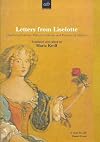
Letters from Liselotte: Elizabeth-Charlotte, Princess Palatine and Duchess of Orleans by Liselotte von der Pfalz
Very enjoyable collection of letters from the royal court of Louis XIV, in an engaging and colloquial translation. Elizabeth-Charlotte was a German princess, and although she converted from Lutheranism to the Roman Catholic faith at the time of her marriage, she would always be sympathetic to the protestantism of her youth. She remained proud of her Rhenish heritage, and felt like an outsider in France through fifty-plus years of life there. This made the Duchess something of a cultural show more anthropologist of the court, since her detachment allowed her the perspective necessary to comment pungently on the elaborate rituals of status and hierarchy.
Elizabeth-Charlotte was married to Philippe, Duke of Orleans, younger brother of Louis XIV. Philippe was a flamboyant homosexual at a time when there was no word for homosexuality - although his flamboyance fit in quite easily with the rest of the French court. Her comments on her husband's orientation make for fascinating reading, as does also her attention to details of dress and deportment among the elite. There's something agreeably earthy about Elizabeth-Charlotte. Among the topics she writes about: the quality of fabric for the dresses and gowns worn by the ladies; the misbehavior of the unruly children in the palaces, running wild without supervision; the various card games favored by the aristocracy; and the occasion jokes about farting and other bodily functions that her family enjoyed sharing. There's nothing stuffy or artificial about the Duchess.
She also makes many interesting comments on the international political scene of Europe in the late 17th and early 18th century. Elizabeth-Charlotte was connected by blood or marriage with almost all of the important European leaders of this time. William of Orange and his wife Mary, victors of the Glorious Revolution, were both cousins. Her favorite correspondent was her beloved aunt Sophia, Electress of Hanover, mother of the future King George I of Great Britain. Moreover, her son, another Philippe Duke of Orleans, became Regent and de facto ruler of France after the death of Louis XIV, during the childhood of the future Louis XV. show less
Elizabeth-Charlotte was married to Philippe, Duke of Orleans, younger brother of Louis XIV. Philippe was a flamboyant homosexual at a time when there was no word for homosexuality - although his flamboyance fit in quite easily with the rest of the French court. Her comments on her husband's orientation make for fascinating reading, as does also her attention to details of dress and deportment among the elite. There's something agreeably earthy about Elizabeth-Charlotte. Among the topics she writes about: the quality of fabric for the dresses and gowns worn by the ladies; the misbehavior of the unruly children in the palaces, running wild without supervision; the various card games favored by the aristocracy; and the occasion jokes about farting and other bodily functions that her family enjoyed sharing. There's nothing stuffy or artificial about the Duchess.
She also makes many interesting comments on the international political scene of Europe in the late 17th and early 18th century. Elizabeth-Charlotte was connected by blood or marriage with almost all of the important European leaders of this time. William of Orange and his wife Mary, victors of the Glorious Revolution, were both cousins. Her favorite correspondent was her beloved aunt Sophia, Electress of Hanover, mother of the future King George I of Great Britain. Moreover, her son, another Philippe Duke of Orleans, became Regent and de facto ruler of France after the death of Louis XIV, during the childhood of the future Louis XV. show less

‘No Carthusian monk could live more quietly or in greater seclusion than I do.’ This was the widowed Duchess of Orleans (1652-1722) writing to her half-sister describing her life at the court of her brother-in-law King Louis XIV. She had been married to the rather awful Monsieur, had three children, was neglected and found her forte in letter writing to her female relations describing life at Versailles and other royal residences in the late eighteenth and early eighteenth centuries.
She show more adored Louis XIV but loathed his mistress (and later wife) Madame de Maintenon. Like rival stars she had nothing but insults for ‘The old whore ... old Drab ... old woman ... old Rumpumpel ... the great man’s old hag ... the old prune’. She was passionate about hunting, dogs (six slept on her bed keeping her warm and one pupped on her sofa while she was receiving grand company and she carried on regardless) and the theatre. She had no time for religious intolerance, attended the many religious functions at court with scepticism and aching knees, loathed the court doctors and was thoroughly pleased when adolescent lesbianism broke out in the Maintenton’s exclusive school for poor girls from noble families at St. Cyr.
There is a delightful sidelight on the succession to the English throne because Liselotte had sympathy with ‘Our King of England’, the runaway James II and made a dear friend of his wife Queen Mary Beatrice but wanted her dearest aunt, Sophie, Electress of Hanover, to inherit the English crown. As she confessed to her aunt in 1702: ‘King William died last week. Now you are one step nearer the throne, with only one single person before you, and its looks as though she [Queen Anne] is almost ready for the next world too.’ She was honest, opinionated and a fabulous writer of purposely indiscrete letters. At times they are like Cranford meets Les Liaisons Dangereuses. show less
She show more adored Louis XIV but loathed his mistress (and later wife) Madame de Maintenon. Like rival stars she had nothing but insults for ‘The old whore ... old Drab ... old woman ... old Rumpumpel ... the great man’s old hag ... the old prune’. She was passionate about hunting, dogs (six slept on her bed keeping her warm and one pupped on her sofa while she was receiving grand company and she carried on regardless) and the theatre. She had no time for religious intolerance, attended the many religious functions at court with scepticism and aching knees, loathed the court doctors and was thoroughly pleased when adolescent lesbianism broke out in the Maintenton’s exclusive school for poor girls from noble families at St. Cyr.
There is a delightful sidelight on the succession to the English throne because Liselotte had sympathy with ‘Our King of England’, the runaway James II and made a dear friend of his wife Queen Mary Beatrice but wanted her dearest aunt, Sophie, Electress of Hanover, to inherit the English crown. As she confessed to her aunt in 1702: ‘King William died last week. Now you are one step nearer the throne, with only one single person before you, and its looks as though she [Queen Anne] is almost ready for the next world too.’ She was honest, opinionated and a fabulous writer of purposely indiscrete letters. At times they are like Cranford meets Les Liaisons Dangereuses. show less
Letters from Liselotte,: Elisabeth Charlotte, Princess Palatine and Duchess of Orléans, 'Madame', 1652-1722; by Liselotte von der Pfalz
3933. Letters From Lisolette, by Elisabeth Charlotte, Princess Palatine and Duchess of Orleans 'Madame' 1652-1722 (read 11 Sept 2004) This book is made up of letters written by Louis XIV's sister-in-law, and furnishes a sprightly behind the scenes look at life in French courtly circles in the late 1600s and early 1700s. They are well-edited and the connecting notes are excellent--and there is a very helpful family tree. She lived in interesting times and while her letters tell far more show more gossip than political history, I found them fun to read and a welcome refresher for the history of the period covered. show less
You May Also Like


Statistics
- Works
- 24
- Members
- 235
- Popularity
- #96,240
- Rating
- 4.2
- Reviews
- 3
- ISBNs
- 39
- Languages
- 2
- Favorited
- 1
