

William A. Ewing
Author of The Body: Photographs of the Human Form
About the Author
William A. Ewing is Director of the Musee de l'Elysee, Lausanne, Switzerland, the world-renowned museum of photography.
Works by William A. Ewing
Breaking Bounds 1 copy
Associated Works
Tagged
Common Knowledge
- Birthdate
- 1944-05-14
- Gender
- male
- Occupations
- museum director
curator
professor - Organizations
- Musee de l'Elysee
University of Geneva - Awards and honors
- Officer, Ordre des Arts et des Lettres
- Nationality
- Canada
- Birthplace
- Canada
- Places of residence
- Montreal, Quebec, Canada
New York, New York, USA
London, England, UK
Lausanne, Switzerland - Associated Place (for map)
- Canada
Members
Reviews
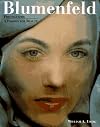
With a career that took him from pre-1914 Berlin to Amsterdam, Paris, and New York, Erwin Blumenfeld (1897-1969) was one of the outstanding figures in the history of twentieth-century photography. From the late 1930s to the 1960s, at such influential magazines as Harpers' Bazaar and Vogue, he transformed fashion into high art, and his pictures were in such demand that by the mid-1950s he had become the most highly paid fashion photographer in the world. He photographed the greatest couture show more creations of the day - designs by Chanel, Balenciaga, Piguet, Dior, and Charles James. Yet his very success in that glamorous world has until now obscured a far more complex and eclectic talent and personality.
In Blumenfeld: Photographs, William A. Ewing explores the life and work of this extraordinary and multitalented man. Blumenfeld took up photography almost by chance in the 1920s, beginning with portraiture and the nude. His highly original and visionary work was a seamless blend of the negative and the positive: taking the picture in the studio and making it in the darkroom. Highly inventive, he developed his own idiosyncratic language, using solarization and negative printing, double and multiple exposures, and a host of hybrid techniques. His interests soon expanded to include architectural subjects, landscapes, and works of art, but photographing "Woman" - or capturing the "eternal feminine," as Blumenfeld described it - would remain his chief obsession throughout his life.
This book is the first retrospective examination of Blumenfeld's work. It brings together the diverse achievements of this brilliant photographer in more than 235 images in both color and black-and-white, providing a thorough representation of his drawings, collages, and photographs. show less
In Blumenfeld: Photographs, William A. Ewing explores the life and work of this extraordinary and multitalented man. Blumenfeld took up photography almost by chance in the 1920s, beginning with portraiture and the nude. His highly original and visionary work was a seamless blend of the negative and the positive: taking the picture in the studio and making it in the darkroom. Highly inventive, he developed his own idiosyncratic language, using solarization and negative printing, double and multiple exposures, and a host of hybrid techniques. His interests soon expanded to include architectural subjects, landscapes, and works of art, but photographing "Woman" - or capturing the "eternal feminine," as Blumenfeld described it - would remain his chief obsession throughout his life.
This book is the first retrospective examination of Blumenfeld's work. It brings together the diverse achievements of this brilliant photographer in more than 235 images in both color and black-and-white, providing a thorough representation of his drawings, collages, and photographs. show less
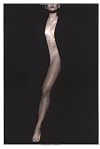
Such an interesting look at photography of people through the ages. It's all here, from the medical, the surreal, the erotic, the documentary- what a wonderful collection. The text is edifying, but ultimately superfluous. The photos speak for themselves, and they say volumes.
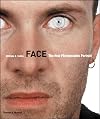
For a range of possibilities in terms of portraiture and thoughtful comments on the possible implications of photographing the face, this book would be hard to surpass. The layout with its quotes in huge type, and its well reproduced photographs is involving. They have been ferreted from texts through the history of photography. The tiny type used to credit the photos is annoying, requiring a magnifying glass for those of us with failing eyes. Everyone concerned with photographic show more portraiture, who wants to seriously consider the stylistic options and potential meanings of the most photographed of all subjects, can gain from this book. show less
William Wegman: Being Human: (Books for Dog Lovers, Dogs Wearing Clothes, Pet Book) by William A. Ewing
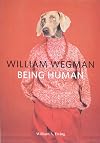
Honestly, the introduction by Ewing didn't grab me. The dog pictures are lovely. And reading just a bit about Wegman's process, but especially about the personalities of the various dogs: that was great. Stories about beloved pets always delight me.
Library copy
Library copy
You May Also Like


Associated Authors
Statistics
- Works
- 54
- Also by
- 3
- Members
- 1,698
- Popularity
- #15,114
- Rating
- 4.0
- Reviews
- 9
- ISBNs
- 91
- Languages
- 6