
Bruce Chilton
Author of Rabbi Jesus
About the Author
Bruce Chilton is Bell Professor of Religion at Bard College in Annandale-on-Hudson and priest at the Free church of Saint John the Evangelist in Barrytown, New York. He is the author of many scholarly articles and books, including Jewish-Christian Debates and A Galilean Rabbi and His Bible. (Bowker show more Author Biography) show less
Series
Works by Bruce Chilton
Abraham's Curse: The Roots of Violence in Judaism, Christianity, and Islam (2008) 85 copies, 1 review
A Galilean Rabbi and His Bible: Jesus' Use of the Interpreted Scripture of His Time (1984) 52 copies
Redeeming Time: The Wisdom of Ancient Jewish and Christian Festal Calendars (2002) 41 copies, 1 review
Kingdom of God in the Teaching of Jesus (Issues in Religious & Theology) (1984) — Editor — 40 copies
The Intellectual Foundations of Christian and Jewish Discourse: The Philosophy of Religious Argument (1997) 31 copies
Three Faiths, One God: The Formative Faith and Practice of Judaism, Christianity, and Islam (2002) 25 copies
Revelation: The Torah and the Bible (Christianity & Judaism, the Formative Categories) (Christianity and Judaism, the Formative Categories) (1995) 22 copies
Comparing Spiritualities: Formative Christianity and Judaism on Finding Life and Meeting Death (2000) 21 copies
The Missions Of James, Peter, And Paul: Tensions In Early Christianity (Supplements to Novum Testamentum) (2004) — Editor — 20 copies
Visions of the Apocalypse: Receptions of John's Revelation in Western Imagination (2013) 17 copies, 1 review
Targums and Rabbinic Literature (7) (Ancient Literature for New Testament Studies) (2024) — Editor — 15 copies
The Temple of Jesus: His Sacrificial Program Within a Cultural History of Sacrifice (1992) 14 copies
Studying the Historical Jesus: Evaluations of the State of Current Research (1994) — Editor — 14 copies
Resurrection Logic: How Jesus' First Followers Believed God Raised Him from the Dead (2019) 10 copies
Soundings in the Religion of Jesus: Perspectives and Methods in Jewish and Christian Scholarship (2012) 9 copies
The Body of Faith: Israel and the Church (Christianity and Judaism, the Formative Categories) (1996) 8 copies
Jesus in Context: Temple, Purity, and Restoration (Arbeiten Zur Geschichte Des Antiken Judentums Und Des Urchristentums, (1997) — Author — 7 copies
Targumic approaches to the Gospels : essays in the mutual definition of Judaism and Christianity (1986) 5 copies
Torah Revealed, Torah Fulfilled: Scriptural Laws In Formative Judaism and Earliest Christianity (2008) — Author — 5 copies
Synoptikon: Streams of Tradition in Mark, Matthew, and Luke (The New Testament Gospels in Their Judaic Contexts, 3) (2022) 3 copies
The Eucharist: Exploring Its Origins 2 copies
Targum, Jesus, and the Gospels 2 copies
A Comparative Handbook to the Gospel of John (The New Testament Gospels in their Judaic Contexts, 4) 1 copy
Jesus, A Galilean Rabbi 1 copy
Trading Places Sourcebook: Readings in The Intersecting Histories of Judaism and Christianity (2004) 1 copy
The First Family: Innocence, Awareness, Estrangement, and the Nature of Eden (Natus Books) (2024) 1 copy
Associated Works
Dictionary for Theological Interpretation of the Bible (2005) — Contributor, some editions — 602 copies, 5 reviews
Hearing the New Testament: Strategies for Interpretation (1995) — Contributor, some editions — 393 copies, 3 reviews
The World of the New Testament: Cultural, Social, and Historical Contexts (2013) — Contributor — 193 copies
The Book of Leviticus: Composition and Reception (Supplements to Vetus Testamentum) (2002) — Contributor — 29 copies
Comparing Religious Traditions: The Life of Virtue (v. 3) (2000) — Contributor, some editions — 20 copies
When Judaism and Christianity began : essays in memory of Anthony J. Saldarini (2004) — Contributor — 18 copies
Exile: Old Testament, Jewish, and Christian Conceptions (Supplements to the Journal for the Study of Judaism, Vol 56) (1997) — Contributor — 15 copies
The Bible in Human Society: Essays in Honour of John Rogerson (JSOT Supplement) (1995) — Contributor — 14 copies
Comparing Religious Traditions: Ethics of Family Life, Volume 1 (Comparing Religious Traditions) (2000) — Contributor, some editions — 13 copies
This World and the World to Come: Soteriology in Early Judaism (The Library of Second Temple Studies) (2011) — Contributor — 13 copies
Comparing Religious Traditions: Making an Honest Living, Volume 2 (v. 2) (2000) — Contributor, some editions — 11 copies
The ancient synagogue from its origins until 200 C.E. : papers presented at an international conference at Lund University, October 14-17, 2001 (2003) — Contributor — 9 copies
Restoration: Old Testament, Jewish, and Christian Perspectives (Supplements to the Journal for the Study of Judaism) (2001) — Contributor — 8 copies
Judaism, Jewish Identities and the Gospel Tradition: Essays in Honour of Maurice Casey (2014) — Contributor — 4 copies
The Quest for Context and Meaning: Studies in Biblical Intertextuality in Honor of James A. Sanders (1997) — Contributor — 3 copies
Dialogue: A Journal of Mormon Thought - Volume 29, Number 4 (Winter 1996) (1996) — Contributor — 1 copy
Tagged
Common Knowledge
- Canonical name
- Chilton, Bruce
- Legal name
- Chilton, Bruce David
- Birthdate
- 1949-06-03
- Gender
- male
- Education
- University of Cambridge (St. John's College, PhD 1976)
Bard College (BA 1971)
General Theological Seminary (MDiv 1974) - Occupations
- professor of religion
biblical scholar
rector
Episcopal priest - Organizations
- Bard College
Studiorum Novi Testamenti Societas
Society of Biblical Literature
Akademie der Wissenschaften
La Courtoisie Francaise
Ecumenical Commission of the Diocese of New York (show all 8)
Institute for Biblical Research
British Association for Jewish Studies - Awards and honors
- Bernard Iddings Bell Professor of Religion, Bard College
- Short biography
- Bruce Chilton is a scholar of early Christianity and Judaism. He has also been active in the ministry of the Anglican Church, and is Rector of the Church of St. John the Evangelist in Barrytown, New York.
- Nationality
- USA
- Birthplace
- Roslyn, New York, USA
- Places of residence
- Barrytown, New York, USA
Annandale, New York, USA
Roslyn, New York, USA (birth) - Associated Place (for map)
- New York, USA
Members
Reviews
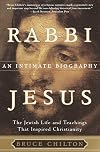
Definitely one of my favorite authors. I believe he's the one who called my most-studied scripture, Revelation, a “perfectly rancid book." But I forgive him; I think that quote sets the tone for his book about the practical, historical Jesus in 180-degree contrast to the bloody warrior image some Jews & Christians wished of their Messiah.
Chilton is a great story-teller, and his writing immerses us in the world of Jesus. Temple procedures and the Roman Empire come alive. Chilton knows his show more stuff. Do be aware, however, that he makes up his own caricature of Jesus--a caricature that more closely resembles the popular Buddha in looks and practices than the popular Jesus. It's a fill-in-the-gaps series of best guesses. I'm sure Chilton would be the first to admit he has flavored the image of Jesus somewhat for our reading pleasure. For example, Jesus grows fat because he's known to enjoy a good meal.
Chilton's Jesus is a bitter-but-lovable dreamer who begins to believe his ambitions are God-ordained. Though he ultimately fails in his reformation of the Temple and transformative vision for Judaism, he does accomplish a splinter movement which grew rapidly in the second century, and his legend lives on and continues to inspire, adding meaning to our lives two millennia later.
If Chilton does have a spiritual agenda in writing, it's a commendable one. The Epilogue states,
"The rabbi from Nazareth never claimed he was unique. His Abba was the Abba of all. His teaching, purifying, exorcism, healing, prayers, signs, meals, and sacrifices were not for himself alone, nor were they intended to demonstrate his personal power or bring him adulation for his attributes or accomplishments. All his work was undertaken to open the gate of heaven so that Israel might enter before the Throne of God.
Far too much theology has been preoccupied with closing that gate. By exalting Jesus as the only human being to sit on the right hand of God, many theologians have denied heaven to others. They remind me of Jesus' complaint about some Pharisees, who used the key of knowledge to shut God's Kingdom to those of lesser learning." show less
Chilton is a great story-teller, and his writing immerses us in the world of Jesus. Temple procedures and the Roman Empire come alive. Chilton knows his show more stuff. Do be aware, however, that he makes up his own caricature of Jesus--a caricature that more closely resembles the popular Buddha in looks and practices than the popular Jesus. It's a fill-in-the-gaps series of best guesses. I'm sure Chilton would be the first to admit he has flavored the image of Jesus somewhat for our reading pleasure. For example, Jesus grows fat because he's known to enjoy a good meal.
Chilton's Jesus is a bitter-but-lovable dreamer who begins to believe his ambitions are God-ordained. Though he ultimately fails in his reformation of the Temple and transformative vision for Judaism, he does accomplish a splinter movement which grew rapidly in the second century, and his legend lives on and continues to inspire, adding meaning to our lives two millennia later.
If Chilton does have a spiritual agenda in writing, it's a commendable one. The Epilogue states,
"The rabbi from Nazareth never claimed he was unique. His Abba was the Abba of all. His teaching, purifying, exorcism, healing, prayers, signs, meals, and sacrifices were not for himself alone, nor were they intended to demonstrate his personal power or bring him adulation for his attributes or accomplishments. All his work was undertaken to open the gate of heaven so that Israel might enter before the Throne of God.
Far too much theology has been preoccupied with closing that gate. By exalting Jesus as the only human being to sit on the right hand of God, many theologians have denied heaven to others. They remind me of Jesus' complaint about some Pharisees, who used the key of knowledge to shut God's Kingdom to those of lesser learning." show less
RABBI JESUS immerses readers in the religious, political, and cultural milieu and upheavals of Palestine as Jesus would have witnessed them.
The experiences of his life are at once documented and augmented by the author's investigations and his new translations from Aramaic.
Many traditionally held beliefs are challenged as Bruce Chilton explores the multitude of conflicting challenges that Jesus faced from his own Jewish community,
from his family, from the high priests of the Second Temple at show more Jerusalem, and from the Roman soldiers and Pilate.
That the Temple had evolved into a horrifying slaughterhouse was new to me, as was the fact that his community had twice tried to stone Jesus early in his life.
The role that James took on after his brother's gruesome death also takes on new meaning as he refrained from eating flesh or drinking wine.
Jesus break from John the Baptist away from immersion and into the existence of inner purity in all people and toward direct communication with God are handled as gently and respectfully as the
still controversial Transfiguration, Virgin Birth, Miracles, and Resurrection.
The most important and compelling facts stand out that Jesus could actually heal people by channeling the powerful Chariot spirit of God,
that he continued to "cast out demons," and that HE fully believed that He was The Son of God.
The cover painting is evocative, intense, and haunting.
(Odd omission is both location of Mount Zion on maps and in index.) show less
The experiences of his life are at once documented and augmented by the author's investigations and his new translations from Aramaic.
Many traditionally held beliefs are challenged as Bruce Chilton explores the multitude of conflicting challenges that Jesus faced from his own Jewish community,
from his family, from the high priests of the Second Temple at show more Jerusalem, and from the Roman soldiers and Pilate.
That the Temple had evolved into a horrifying slaughterhouse was new to me, as was the fact that his community had twice tried to stone Jesus early in his life.
The role that James took on after his brother's gruesome death also takes on new meaning as he refrained from eating flesh or drinking wine.
Jesus break from John the Baptist away from immersion and into the existence of inner purity in all people and toward direct communication with God are handled as gently and respectfully as the
still controversial Transfiguration, Virgin Birth, Miracles, and Resurrection.
The most important and compelling facts stand out that Jesus could actually heal people by channeling the powerful Chariot spirit of God,
that he continued to "cast out demons," and that HE fully believed that He was The Son of God.
The cover painting is evocative, intense, and haunting.
(Odd omission is both location of Mount Zion on maps and in index.) show less
Summary: A history of this dynasty, tracing its rise from Antipater, the rule of Herod the Great, and his descendants who struggled to recover control over the territories he ruled amid Roman power and rising Jewish discontent.
Any reader of the New Testament recognizes that one or another of the Herods plays a significant part in the birth of Jesus, the ministry and crucifixion of Jesus, and the beginnings of the Christian movement, and the trial of and appeal by Paul to Rome. What is often show more not considered is the rise of this family from Idumea amid the power struggles of the Jews to maintain independence amid, first the Seleucids and then the Roman power that came to assert control over the lands that once constituted ancient Israel.
Bruce Chilton traces the history of this family and their shrewdness in maintaining Jewish support and pleasing their Roman masters. It begins with Antipater, who modestly never claimed the title “king” of Idumea but allied with Hyrcanus II as high priest of the Jerusalem temple and leader of Judea and allying himself with Pompey against the Seleucids, securing both Hyrcanus in Jerusalem and securing Roman favor for his own family.
Herod, known as “The Great,” was his son. He married Mariamne, the granddaughter of Hyrcanus, gaining legitimacy with the Maccabees, and works first with Mark Antony and then Octavian, securing kingship over Jerusalem, Samaria, Galilee, and Idumea. Chilton traces his ruthlessness, executing first Mariamne’s brother, then Mariamne, and her sons but leaving his kingship in disarray at his death.
Chilton situates the birth of Jesus and the massacre of the innocents during the brief reign of Herod’s son Archelaus over Judea. while Philip ruled in Gaulanitis and Antipas in Galilee and Samaria. Antipas was the shrewdest, stealing his brother Philip’s wife Herodias and working throughout his reign to regain control of Judea and Jerusalem, only to lose it all to his nephew, Agrippa I, who had cultivated Caligula, who succeeded Tiberius, who had favored Antipas. Antipas was the one Jesus called “the fox” and Chilton has some interesting insights into gospel passages alluding to Antipas, who concurred in the execution of Jesus, as well as the beheading of John.
Agrippa I recovered the realm of Herod the great, persecuted restive minorities, including the followers of Jesus, and, as recorded in Acts, died an early and grisly death just days after being proclaimed as a god. He was succeeded by Agrippa II over parts of Agrippa I’s realm under tight control of Rome, aided by his sister Berenike, perhaps the more ambitious of the two. But affairs among the Jews were spiraling into open rebellion that they could not stop, resulting in brutal Roman suppression and the fall of Jerusalem. It was Agrippa II and Berenike who consult with Felix and hear Paul’s defense and appeal to Rome.
Chilton offers a narrative that underscores the shrewdness and ambition and ruthlessness, when necessary, of the Herods. He also shows the significant roles played by women in this dynasty: Mariamne, Herodias, Salome, and Berenike among them. We learn of other competent, but lesser lights, like Philip, who appears to have led well in Gaulanitis, and Phasael, Herod the Great’s more restrained older brother who administered Jerusalem until Herod took control.
While Chilton provides both a timeline and a Dramatis personae of important figures, it would have been helpful to provide a family tree or genealogy to make clear the relations among the various figures, and the offspring of multiple marriages. It is also evident that Chilton credits other sources like Josephus above the New Testament writers at points of conflict.
That said, Chilton’s account of this dynasty enriches our understanding of the figures who intersect with the New Testament narratives and played a vital role in second Temple Israel during the decisive century before the fall of the temple.
____________________
Disclosure of Material Connection: I received a complimentary review copy of this book from the publisher. show less
Any reader of the New Testament recognizes that one or another of the Herods plays a significant part in the birth of Jesus, the ministry and crucifixion of Jesus, and the beginnings of the Christian movement, and the trial of and appeal by Paul to Rome. What is often show more not considered is the rise of this family from Idumea amid the power struggles of the Jews to maintain independence amid, first the Seleucids and then the Roman power that came to assert control over the lands that once constituted ancient Israel.
Bruce Chilton traces the history of this family and their shrewdness in maintaining Jewish support and pleasing their Roman masters. It begins with Antipater, who modestly never claimed the title “king” of Idumea but allied with Hyrcanus II as high priest of the Jerusalem temple and leader of Judea and allying himself with Pompey against the Seleucids, securing both Hyrcanus in Jerusalem and securing Roman favor for his own family.
Herod, known as “The Great,” was his son. He married Mariamne, the granddaughter of Hyrcanus, gaining legitimacy with the Maccabees, and works first with Mark Antony and then Octavian, securing kingship over Jerusalem, Samaria, Galilee, and Idumea. Chilton traces his ruthlessness, executing first Mariamne’s brother, then Mariamne, and her sons but leaving his kingship in disarray at his death.
Chilton situates the birth of Jesus and the massacre of the innocents during the brief reign of Herod’s son Archelaus over Judea. while Philip ruled in Gaulanitis and Antipas in Galilee and Samaria. Antipas was the shrewdest, stealing his brother Philip’s wife Herodias and working throughout his reign to regain control of Judea and Jerusalem, only to lose it all to his nephew, Agrippa I, who had cultivated Caligula, who succeeded Tiberius, who had favored Antipas. Antipas was the one Jesus called “the fox” and Chilton has some interesting insights into gospel passages alluding to Antipas, who concurred in the execution of Jesus, as well as the beheading of John.
Agrippa I recovered the realm of Herod the great, persecuted restive minorities, including the followers of Jesus, and, as recorded in Acts, died an early and grisly death just days after being proclaimed as a god. He was succeeded by Agrippa II over parts of Agrippa I’s realm under tight control of Rome, aided by his sister Berenike, perhaps the more ambitious of the two. But affairs among the Jews were spiraling into open rebellion that they could not stop, resulting in brutal Roman suppression and the fall of Jerusalem. It was Agrippa II and Berenike who consult with Felix and hear Paul’s defense and appeal to Rome.
Chilton offers a narrative that underscores the shrewdness and ambition and ruthlessness, when necessary, of the Herods. He also shows the significant roles played by women in this dynasty: Mariamne, Herodias, Salome, and Berenike among them. We learn of other competent, but lesser lights, like Philip, who appears to have led well in Gaulanitis, and Phasael, Herod the Great’s more restrained older brother who administered Jerusalem until Herod took control.
While Chilton provides both a timeline and a Dramatis personae of important figures, it would have been helpful to provide a family tree or genealogy to make clear the relations among the various figures, and the offspring of multiple marriages. It is also evident that Chilton credits other sources like Josephus above the New Testament writers at points of conflict.
That said, Chilton’s account of this dynasty enriches our understanding of the figures who intersect with the New Testament narratives and played a vital role in second Temple Israel during the decisive century before the fall of the temple.
____________________
Disclosure of Material Connection: I received a complimentary review copy of this book from the publisher. show less
Although the premise of this book is interesting, and the book is well written, it suffers a great deal from his limited use of sources. The author rarely moves outside the Jewish, Christian, and Muslim sources to look at the general scholarship, and that leads him to some problems, including some statements that could truly be called howlers. This persists throughout the book, and at the very end, when he discusses the recent spate of atheist books, it becomes very obvious that he is show more unfamiliar with the contents of the books he is critiquing, apparently having read only the titles. If this is the method by which he reviewed the other books he critiqued, one has to call into doubt his entire thesis. Overall, I would have to recommend this book only with reservations, if at all. show less
You May Also Like


Associated Authors
Statistics
- Works
- 73
- Also by
- 26
- Members
- 2,354
- Popularity
- #10,898
- Rating
- 3.8
- Reviews
- 15
- ISBNs
- 151
- Languages
- 2
- Favorited
- 1