

Glyn Maxwell
Author of On Poetry
About the Author
Glyn Maxwell was born in 1962 in Hertfordshire, England. He studied English at Oxford & poetry at Boston University. Among the honors he has received are the Somerset Maugham Prize & the E.M. Forster Prize. He now lives with his wife & their daughter in Massachusetts, where he teaches at Amherst show more College. (Bowker Author Biography) show less
Image credit: Credit: David Shankbone, 2007
Works by Glyn Maxwell
New and Selected Poems 1 copy
Mozart's The Magic Flute : New English version by Glyn Maxwell [theatre programme and libretto] (2017) — Librettist — 1 copy
Associated Works
Poetry Speaks Expanded: Hear Poets Read Their Own Work from Tennyson to Plath (2007) — Contributor — 158 copies, 2 reviews
Tagged
Common Knowledge
- Canonical name
- Maxwell, Glyn
- Birthdate
- 1962-11-07
- Gender
- male
- Education
- University of Oxford (Worcester College)
Boston University - Occupations
- teacher
poet
playwright
librettist - Awards and honors
- E. M. Forster Award (1997)
Somerset Maugham Prize, Society of Authors, 1992 - Nationality
- England
UK - Birthplace
- Welwyn Garden City, Hertfordshire, England, UK
- Places of residence
- Islington, London, England, UK
New York, New York, USA - Associated Place (for map)
- England, UK
Members
Discussions
The Gambler in Fans of Russian authors (June 2009)
Reviews
Bourgeois Bacchanalia?
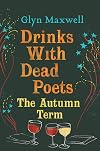
Drinks with Dead Poets was a delightful surprise. A professor of poetry called ‘Glyn Maxwell’ turns up in a mysterious village to teach a term of poetry. He meets his eclectic class and directs them to readings of a series of 19th Century poets. Professor Maxwell is not sure if it is by his doing, or the organisation of Kerri, the efficient registrar, but each poet has been invited to the village on the Thursdays of the autumn term.
The conversations teacher and show more students have with these poets are the actual words of each poet. Each poet arrives in the village according to their personality. Nature poet, John Clare, walks in across the fields. Emily Dickinson, visiting from the States, arrives by train. The Brownings, Robert and Elizabeth, their relationship as ambiguous as ever, are fetched in their coach.
W.B. Yeats appears on the island in the middle of the lagoon.
Each poet behaves in character. It takes some time to warm the serious Fr Gerard Manley Hopkins, but once relaxed, he speaks with great joy about the craft of poetry.
Although Professor Maxwell has been allotted a little room off the village hall for his teaching, a lot of the action takes place in one or other of the drinking establishments in the village. The professor is occasionally successful in imparting deep insights about the poets.
After a hip-hop celebrity recites a mangled version of The Rime of the Ancient Mariner in Coleridge’s presence, the students tune into the idea of poetry as performance, and look forward to hearing subsequent poets read their work, with questions following.
The professor himself has limited success in asking questions or directing the questions of the audience. One of the students asks each poet, ‘Where do you get your ideas from?’, and this hackneyed request is met with incomprehension, sarcasm, or gentle correction according to the temperament of the poet in residence.
By using this public reading format, the book avoids long quotations from these poets, providing representative snippets instead.
In November, the professor’s birthday is celebrated in wild style in a nearby country house. In December, Lord Bryon and the students repeat Bryon’s exploit in the Hellespont by swimming across the icy village lagoon.
The professor is never quite sure whether his class is part of the college, or an unofficial elective: poetry is taken not quite seriously by this academy. On the other hand, this professor drinks with students and even sleeps with one of the female students. He would be the subject of disciplinary hearings if he were officially on the staff. These drinks are taken with a suburban bacchanalian spirit which grows out of the playful premise that dead poets can drink with 21st Century students.
I missed out on studying the Romantic poets because of the cycle of the English curriculum at Uni. This wonderful book has partly made up for that. If you love poetry, and you are intrigued by the fantasy setting Glyn Maxwell has created, you will thoroughly enjoy taking Drinks with Dead Poets. show less
Drinks with Dead Poets was a delightful surprise. A professor of poetry called ‘Glyn Maxwell’ turns up in a mysterious village to teach a term of poetry. He meets his eclectic class and directs them to readings of a series of 19th Century poets. Professor Maxwell is not sure if it is by his doing, or the organisation of Kerri, the efficient registrar, but each poet has been invited to the village on the Thursdays of the autumn term.
The conversations teacher and show more students have with these poets are the actual words of each poet. Each poet arrives in the village according to their personality. Nature poet, John Clare, walks in across the fields. Emily Dickinson, visiting from the States, arrives by train. The Brownings, Robert and Elizabeth, their relationship as ambiguous as ever, are fetched in their coach.
W.B. Yeats appears on the island in the middle of the lagoon.
Each poet behaves in character. It takes some time to warm the serious Fr Gerard Manley Hopkins, but once relaxed, he speaks with great joy about the craft of poetry.
Although Professor Maxwell has been allotted a little room off the village hall for his teaching, a lot of the action takes place in one or other of the drinking establishments in the village. The professor is occasionally successful in imparting deep insights about the poets.
After a hip-hop celebrity recites a mangled version of The Rime of the Ancient Mariner in Coleridge’s presence, the students tune into the idea of poetry as performance, and look forward to hearing subsequent poets read their work, with questions following.
The professor himself has limited success in asking questions or directing the questions of the audience. One of the students asks each poet, ‘Where do you get your ideas from?’, and this hackneyed request is met with incomprehension, sarcasm, or gentle correction according to the temperament of the poet in residence.
By using this public reading format, the book avoids long quotations from these poets, providing representative snippets instead.
In November, the professor’s birthday is celebrated in wild style in a nearby country house. In December, Lord Bryon and the students repeat Bryon’s exploit in the Hellespont by swimming across the icy village lagoon.
The professor is never quite sure whether his class is part of the college, or an unofficial elective: poetry is taken not quite seriously by this academy. On the other hand, this professor drinks with students and even sleeps with one of the female students. He would be the subject of disciplinary hearings if he were officially on the staff. These drinks are taken with a suburban bacchanalian spirit which grows out of the playful premise that dead poets can drink with 21st Century students.
I missed out on studying the Romantic poets because of the cycle of the English curriculum at Uni. This wonderful book has partly made up for that. If you love poetry, and you are intrigued by the fantasy setting Glyn Maxwell has created, you will thoroughly enjoy taking Drinks with Dead Poets. show less
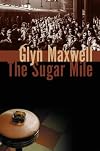
On September 8, 2001, a British poet, an English gent named Clint, walked into a bar on 86th and Broadway. He began a conversation with the bartender Raul, who was about to move up with a new position at Windows on the World, and an old Englishman, Joey Stone, who had survived "Black Saturday," September 7, 1940, the beginning of the Nazi Blitz on London. Most of the voices in this poetic narrative are those who took shelter in South Hallsville School in Canning Town, waiting for buses to show more evacuate them into the country. The counterpoint of London, on the brink of destruction, and NYC, oblivious of the terror that awaits, is at the same time subtle and horrifying. Maxwell never gets to 9/11 -- he doesn't have to -- we all know what happened.
Each voice has a different poetic rhythm and meter, granting each their individuality. On the back jacket quotes, Derek Walcott praises Maxwell: "Glyn Maxwell's originality lies in his astounding ability to orchestrate asides, parenthetical quips, side-of-the-mouth ruminations into a formal verse with a bravura not dared before." I heartily agree. show less
Each voice has a different poetic rhythm and meter, granting each their individuality. On the back jacket quotes, Derek Walcott praises Maxwell: "Glyn Maxwell's originality lies in his astounding ability to orchestrate asides, parenthetical quips, side-of-the-mouth ruminations into a formal verse with a bravura not dared before." I heartily agree. show less
When I was on page 10, I loved this book, in no small part for this quote: "What evolutionary psychologists - and I - believe is that aesthetic preferences, those things we find beautiful, originate not in what renders life delightful or even endurable, but in what makes life possible."
Then I hated it by page 13, when he puts poets on a pedestal above pop musicians. "Songwriters stir up a living tradition, poets make flowers grow in the air." But I continued on, and by the end of the book I show more realized I had come to it with the expectation that it was a poetry primer, when it was in fact one man's experience and opinions about poetry. Once I understood that, and shed my preconceptions, I settled in and listened.
Overall not exactly my bag, but good enough and interesting enough that I finished it. If you like reading a poet waxing poetic about poetry, then you will probably like this book. show less
Then I hated it by page 13, when he puts poets on a pedestal above pop musicians. "Songwriters stir up a living tradition, poets make flowers grow in the air." But I continued on, and by the end of the book I show more realized I had come to it with the expectation that it was a poetry primer, when it was in fact one man's experience and opinions about poetry. Once I understood that, and shed my preconceptions, I settled in and listened.
Overall not exactly my bag, but good enough and interesting enough that I finished it. If you like reading a poet waxing poetic about poetry, then you will probably like this book. show less
Convincing argument for form in poetry as a way of forcing writers to work harder and produce something memorable and based on human characteristics such as breath and gait. Using extracts from poems to illustrate points adds to the pleasure and the imaginary creative writing class contributes to making this a fascinating read.
Lists
Awards


You May Also Like


Associated Authors
Statistics
- Works
- 32
- Also by
- 6
- Members
- 574
- Popularity
- #43,645
- Rating
- 3.6
- Reviews
- 11
- ISBNs
- 65
- Languages
- 1