
Gary R. Habermas
Author of The Case for the Resurrection of Jesus
About the Author
Gary R. Habermas (PhD, Michigan State University) is Distinguished Research Professor and chair of the department of philosophy at Liberty University. He is a foremost apologist on the historicity of Jesus' resurrection and has authored and coauthored over thirty books, including The Historical show more Jesus and The Case for the Resurrection of Jesus (with Michael R. Licona). show less
Image credit: www.garyhabermas.com/promotional.htm
Works by Gary R. Habermas
Ancient Evidence for the Life of Jesus: Historical Records of His Death and Resurrection (The Verdict of History: Conclusive Evidence for the Life of Jesus) (1984) 112 copies
Did the Resurrection Happen?: A Conversation with Gary Habermas and Antony Flew (Veritas Forum Books) (2009) 84 copies, 1 review
Memories of Jesus: A Critical Appraisal of James D. G. Dunn's Jesus Remembered (2010) — Editor; Contributor — 21 copies
Why Is God Ignoring Me?: What to Do When It Feels Like He's Giving You the Silent Treatment (2010) 19 copies
EVIDENCE FOR THE HISTORICAL JESUS: Is the Jesus of History the Christ of Faith (2020) 19 copies, 1 review
Associated Works
The Case for Christ: A Journalist's Personal Investigation of the Evidence for Jesus (1998) — Contributor, some editions — 10,489 copies, 97 reviews
To Everyone an Answer: A Case for the Christian Worldview (2004) — Contributor — 390 copies, 1 review
Evidence for God: 50 Arguments for Faith from the Bible, History, Philosophy, and Science (2010) — Contributor — 213 copies, 1 review
Tagged
Common Knowledge
- Legal name
- Habermas, Gary Robert
- Birthdate
- 1950
- Gender
- male
- Nationality
- USA
- Associated Place (for map)
- USA
Members
Reviews
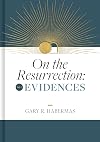
Summary: Evidence for the resurrection of Jesus based upon a minimal historical facts approach comprehensively researched and documented.
Philosopher and apologist Gary R. Habermas has made a career of arguing for the bodily resurrection of Jesus. Now, fifty years later, he has embarked on what is likely his magnum opus, a projected four volume work On the Resurrection. This work, Volume One, examines the evidence for the resurrection of Jesus based upon a minimal historical facts approach. show more He offers a comprehensive treatment, surveying theological scholars and historians across the spectrum from evangelical to skeptic, with meticulous and extensive documentation. Consequently, this is a big book, running to 1072 pages. For all that, I was delighted rather than daunted by prose that flowed and by the meticulous way Habermas laid out his material. In this review, I will outline the work of Volume One and offer a few concluding comments.
Part 1: The Nature of Historical Research
Habermas begins by laying the philosophical foundation for his minimal historical facts approach. He begins with a survey of approaches to historiography from ancient historians through logical positivism to post-modernism, concluding that none of these have rejected outright the possibility of historically knowable facts. He discusses the tools of historiography and how the authenticity of sources is assessed. Most important is that sources are early, derived from eyewitnesses, multiple attestation exists, including enemy attestation, there is dissimilarity from other contemporary sources, embarrassing detail that disparages the source, and more. After a defense against post-modern skepticism, Habermas explains his minimal historical facts methodology. This includes his criteria, what is meant by the “vast majority of critical scholars and the breadth of his work. Habermas lists six minimal historical facts strongly supported by critical scholarship and six other facts that enjoy substantial but not as extensive support.
Part 2: Jesus: The Preliminaries
Before coming to the historical facts, Habermas establishes several preliminary facts on which the resurrection of Jesus depends. Most basic is the existence of Jesus. While doubted by some skeptics, Habermas shows that the existence of Jesus is supported by numerous early sources, including hostile sources. He defines the concept of miracle as “a dynamic, specialized event that nature is incapable of producing on its own, that temporarily supersedes (or appears to supersede) the normally known pattern of nature. Such an event would be brought about by the power of God or another supernatural agent for the express purpose of acting as a sign or pointer to verify or draw attention to a person or message.” Finally, he considers the case for Jesus as a healer and the important connection the resurrection has to this healing work
Part 3: The Minimal Historical Facts
Having laid the groundwork, Habermas proceeds to the minimal facts and the considerations that warrant their broad scholarly acceptance. They are:
1. Jesus Death: that he died, how he died and its significance
2. The Disciples Experiences: The appearances and the earliest sources including 1 Cor. 15:3-7.
3. The Earliest Proclamation of the Gospel: Nine layers of early testimony
4. The Disciples Transformations: From flight and despair to bold proclamation and martyrdom
5. The Conversion of James: From skeptical brother to believer after the appearance of the risen Jesus.
6. The Conversion of Paul: From persecutor to apostle after the resurrection appearance.
With each of these six, Habermas delineates the considerations (ten or more for each) that support acceptance as minimal facts. He also surveys scholarly opinion across the spectrum. Perhaps most notable is the support of scholars like Bart Ehrman and John Dominic Crossan for many of these facts. And this despite their own skepticism about the bodily resurrection of Jesus.
Part 4: The Other Six Known Historical Facts
Having covered the six minimal facts, Habermas outlines support, substantial, though not as extensive for six other facts:
1. The empty tomb: Over twenty supporting considerations and a shift among recent scholars to support of the historicity of the empty tomb.
2. Jesus burial: While noting dissent from the burial, shows evidence and support including the significance of joseph of Arimathea.
3. The despair and disillusionment of the disciples following the crucifixion.
4. Christian preaching and teaching began in Jerusalem, the site of the events proclaimed.
5. The Church began meeting on Sunday and spread
6. The centrality of the message of Jesus’s death and resurrection.
Part 5: The Gospel Resurrection Data
After considering twelve historical facts, Habermas now considers these in the context of the gospel resurrection narratives. Habermas devotes a chapter to each gospel. Before that, Habermas devotes a chapter to recent gospel studies. He highlights the early creedal foundations behind the gospel and the research on the traditions behind the gospel, especially Richard Bauckham’s work asserting the eyewitness basis for gospel testimony. Also, he includes N.T. Wright’s arguments for early dates for the resurrection material. Finally, Habermas reviews the material from noncanonical Christian authors writing between AD 95 and 160.
Conclusion and Final Comments
It is clear that Habermas believes that the historically supportable facts are best explained by the idea that Jesus actually arose bodily. He briefly discusses alternative explanations that he will address more fully in Volume Two on refutations. He also includes two appendices. The first discusses the evidence for near death experiences as authentic out of the body experiences, including a patient who claimed to have risen out of her body, seeing a red shoe on the hospital roof. A janitor found that shoe. The second appendix outlined the data favoring the minimal facts.
In conclusion, Habermas makes an impressive case for the resurrection. On one hand, he shows the extensive evidence and support for that evidence, growing in recent years, across the scholarly spectrum. At the same time, he deals fairly with contradictory evidence. Above all, he has created a massive reference work for both scholars and apologists. But, as he would admit, this does not compel belief, as is evident among scholars skeptical of the resurrection. But it does mean that skeptics need to either show the facts unsupportable or offer a better account of them.
____________________
Disclosure of Material Connection: I received a complimentary copy of this book from the publisher for review. show less
Philosopher and apologist Gary R. Habermas has made a career of arguing for the bodily resurrection of Jesus. Now, fifty years later, he has embarked on what is likely his magnum opus, a projected four volume work On the Resurrection. This work, Volume One, examines the evidence for the resurrection of Jesus based upon a minimal historical facts approach. show more He offers a comprehensive treatment, surveying theological scholars and historians across the spectrum from evangelical to skeptic, with meticulous and extensive documentation. Consequently, this is a big book, running to 1072 pages. For all that, I was delighted rather than daunted by prose that flowed and by the meticulous way Habermas laid out his material. In this review, I will outline the work of Volume One and offer a few concluding comments.
Part 1: The Nature of Historical Research
Habermas begins by laying the philosophical foundation for his minimal historical facts approach. He begins with a survey of approaches to historiography from ancient historians through logical positivism to post-modernism, concluding that none of these have rejected outright the possibility of historically knowable facts. He discusses the tools of historiography and how the authenticity of sources is assessed. Most important is that sources are early, derived from eyewitnesses, multiple attestation exists, including enemy attestation, there is dissimilarity from other contemporary sources, embarrassing detail that disparages the source, and more. After a defense against post-modern skepticism, Habermas explains his minimal historical facts methodology. This includes his criteria, what is meant by the “vast majority of critical scholars and the breadth of his work. Habermas lists six minimal historical facts strongly supported by critical scholarship and six other facts that enjoy substantial but not as extensive support.
Part 2: Jesus: The Preliminaries
Before coming to the historical facts, Habermas establishes several preliminary facts on which the resurrection of Jesus depends. Most basic is the existence of Jesus. While doubted by some skeptics, Habermas shows that the existence of Jesus is supported by numerous early sources, including hostile sources. He defines the concept of miracle as “a dynamic, specialized event that nature is incapable of producing on its own, that temporarily supersedes (or appears to supersede) the normally known pattern of nature. Such an event would be brought about by the power of God or another supernatural agent for the express purpose of acting as a sign or pointer to verify or draw attention to a person or message.” Finally, he considers the case for Jesus as a healer and the important connection the resurrection has to this healing work
Part 3: The Minimal Historical Facts
Having laid the groundwork, Habermas proceeds to the minimal facts and the considerations that warrant their broad scholarly acceptance. They are:
1. Jesus Death: that he died, how he died and its significance
2. The Disciples Experiences: The appearances and the earliest sources including 1 Cor. 15:3-7.
3. The Earliest Proclamation of the Gospel: Nine layers of early testimony
4. The Disciples Transformations: From flight and despair to bold proclamation and martyrdom
5. The Conversion of James: From skeptical brother to believer after the appearance of the risen Jesus.
6. The Conversion of Paul: From persecutor to apostle after the resurrection appearance.
With each of these six, Habermas delineates the considerations (ten or more for each) that support acceptance as minimal facts. He also surveys scholarly opinion across the spectrum. Perhaps most notable is the support of scholars like Bart Ehrman and John Dominic Crossan for many of these facts. And this despite their own skepticism about the bodily resurrection of Jesus.
Part 4: The Other Six Known Historical Facts
Having covered the six minimal facts, Habermas outlines support, substantial, though not as extensive for six other facts:
1. The empty tomb: Over twenty supporting considerations and a shift among recent scholars to support of the historicity of the empty tomb.
2. Jesus burial: While noting dissent from the burial, shows evidence and support including the significance of joseph of Arimathea.
3. The despair and disillusionment of the disciples following the crucifixion.
4. Christian preaching and teaching began in Jerusalem, the site of the events proclaimed.
5. The Church began meeting on Sunday and spread
6. The centrality of the message of Jesus’s death and resurrection.
Part 5: The Gospel Resurrection Data
After considering twelve historical facts, Habermas now considers these in the context of the gospel resurrection narratives. Habermas devotes a chapter to each gospel. Before that, Habermas devotes a chapter to recent gospel studies. He highlights the early creedal foundations behind the gospel and the research on the traditions behind the gospel, especially Richard Bauckham’s work asserting the eyewitness basis for gospel testimony. Also, he includes N.T. Wright’s arguments for early dates for the resurrection material. Finally, Habermas reviews the material from noncanonical Christian authors writing between AD 95 and 160.
Conclusion and Final Comments
It is clear that Habermas believes that the historically supportable facts are best explained by the idea that Jesus actually arose bodily. He briefly discusses alternative explanations that he will address more fully in Volume Two on refutations. He also includes two appendices. The first discusses the evidence for near death experiences as authentic out of the body experiences, including a patient who claimed to have risen out of her body, seeing a red shoe on the hospital roof. A janitor found that shoe. The second appendix outlined the data favoring the minimal facts.
In conclusion, Habermas makes an impressive case for the resurrection. On one hand, he shows the extensive evidence and support for that evidence, growing in recent years, across the scholarly spectrum. At the same time, he deals fairly with contradictory evidence. Above all, he has created a massive reference work for both scholars and apologists. But, as he would admit, this does not compel belief, as is evident among scholars skeptical of the resurrection. But it does mean that skeptics need to either show the facts unsupportable or offer a better account of them.
____________________
Disclosure of Material Connection: I received a complimentary copy of this book from the publisher for review. show less
Did the Resurrection Happen?: A Conversation with Gary Habermas and Antony Flew (Veritas Forum Books) by Gary R. Habermas
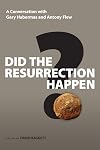
Summary: A history of the debates and friendship between Gary Habermas and Antony Flew, a transcript of a 2003 conversation on the resurrection between these two, a discussion of Flew's subsequent change from a belief in atheism to a kind of deism, and concluding discussions on the evidences and challenges to the idea of the resurrection of Jesus.
For Christians, Easter is actually the most important holiday of the year. It is the day we celebrate the resurrection of Jesus, which the apostle show more Paul argues is the one historical reality on which Christianity stands or falls. In other words, Christianity is falsifiable if the resurrection is disproved, or at least suspect if a credible case cannot be put forward that such an incredible event took place.
This book, edited by David Baggett explores that case and the counter-claims that might be put forward with a section in the middle exploring the journey of one of the participants, Antony Flew from atheism to a deistic form of theism. Baggett introduces the book narrating the history of the growing friendship between Habermas and Flew and the history of debates between the two over a nearly twenty year period, culminating with the debate at Cal Poly at San Luis Obispo in 2003.
Part One then is a transcript of that debate, including audience questions. Habermas begins by asserting a list of twelve known historical facts for which he would contend that the resurrection of Jesus is the best explanation. These are:
1. Jesus died by crucifixion.
2. He was buried.
3. The death of Jesus caused the disciples to despair and lose hope, believing that his life was ended.
4. Although not as widely accepted, many scholars hold that the tomb in which Jesus was buried was discovered to be empty just a few days later.
5. The disciples had experiences they believed were the literal appearances of the risen Christ.
6. The disciples were transformed from doubters who were afraid to identify themselves with Jesus to bold proclaimers of his death and resurrection.
7. This message was the center of preaching in the early church.
8. This message was especially proclaimed in Jerusalem, where Jesus was died and was buried shortly before.
9. As a result of this teaching, the church was born and grew.
10. Sunday became the primary day of worship.
11. James, who had been a skeptic, was converted to the faith when he also believed that he had seen the resurrected Jesus.
12. A few years later, Paul was converted by an experience that he likewise believed to be an appearance of the risen Christ.
Flew, who at one time was the foremost proponent of atheism, and still an avowed atheist at the point of this debate then engages these facts and the inferences from them. He questions the death, burial and most importantly the belief of the disciples that they had seen literal appearances of Jesus. Habermas invokes medical research on the physical effects of crucifixion on the body that can lead to swift death by asphyxia, the multiple testimonies to the burial of Jesus without contrary testimony and the witnesses to the empty tomb including the improbable citing of women as the first witnesses. Then he shows the improbability of mass hallucination, which anything other than hoax or literal appearance would require. It is striking that, at the end, Flew acknowledges that there are good rational grounds for the belief in the resurrection, although for him it remained incredible given his beliefs about the world.
Part Two begins with a conversation between Habermas and Flew about his journey from atheism to a deistic form of theism. The conversation was striking to me for two things. One was the intellectual engagement between these two men who had become friends. The other was the importance of design and fine-tuning arguments in persuading Flew to embrace deism. The second part of this section is Gary Habermas review of Flew's book, There Is a God. Perhaps most fascinating is the distinction of Flew's that Habermas notes between philosophical and scientific evidence. Plainly, scientific evidence figured more highly for Flew. It was also significant that a major barrier to embracing Christian theism for Flew was the problem of evil and suffering. Habermas contends that a free will defense may answer this but Flew believed this required a prior belief in revelation, a point of contention between the two. [It should be noted that Antony Flew died April 8, 2010, still embracing a deistic stance.]
The last part of the book returns to evidences and challenges to these evidences including ten philosophical concerns not addressed directly in the debate. The very end of this section and the appendix deals with the use of Bayes Theory of probability. I found this most interesting as it has been invoked in a number of discussions with atheists, usually by atheists, arguing that the probabilities of God's existence, or the resurrection fail to reach a threshold where belief is warranted. I will admit to not fully understanding the mathematics behind this argument, but found that the author confirmed my suspicion of the arbitrary character of assigning probabilities, which often reflect a priori beliefs rather than evidence per se'. I think more work needs to be done in answering this line of objection, which on the face of it sounds persuasive because of its quantitative nature.
As I noted at the beginning, the resurrection is essentially the lynch pin of Christian faith. For the person struggling with doubts or considering the credibility of the resurrection claim, this is an excellent first book, because it reflects a real conversation between two people with opposing views. We see the intellectual honesty of Antony Flew, who had the courage to change his beliefs when that was where the evidence took him. In the public and private conversations between Habermas and Flew we are given a model of dialogue and inquiry that is substantive, charitable, and intellectually honest in a public square nearly bereft of such conversations. show less
For Christians, Easter is actually the most important holiday of the year. It is the day we celebrate the resurrection of Jesus, which the apostle show more Paul argues is the one historical reality on which Christianity stands or falls. In other words, Christianity is falsifiable if the resurrection is disproved, or at least suspect if a credible case cannot be put forward that such an incredible event took place.
This book, edited by David Baggett explores that case and the counter-claims that might be put forward with a section in the middle exploring the journey of one of the participants, Antony Flew from atheism to a deistic form of theism. Baggett introduces the book narrating the history of the growing friendship between Habermas and Flew and the history of debates between the two over a nearly twenty year period, culminating with the debate at Cal Poly at San Luis Obispo in 2003.
Part One then is a transcript of that debate, including audience questions. Habermas begins by asserting a list of twelve known historical facts for which he would contend that the resurrection of Jesus is the best explanation. These are:
1. Jesus died by crucifixion.
2. He was buried.
3. The death of Jesus caused the disciples to despair and lose hope, believing that his life was ended.
4. Although not as widely accepted, many scholars hold that the tomb in which Jesus was buried was discovered to be empty just a few days later.
5. The disciples had experiences they believed were the literal appearances of the risen Christ.
6. The disciples were transformed from doubters who were afraid to identify themselves with Jesus to bold proclaimers of his death and resurrection.
7. This message was the center of preaching in the early church.
8. This message was especially proclaimed in Jerusalem, where Jesus was died and was buried shortly before.
9. As a result of this teaching, the church was born and grew.
10. Sunday became the primary day of worship.
11. James, who had been a skeptic, was converted to the faith when he also believed that he had seen the resurrected Jesus.
12. A few years later, Paul was converted by an experience that he likewise believed to be an appearance of the risen Christ.
Flew, who at one time was the foremost proponent of atheism, and still an avowed atheist at the point of this debate then engages these facts and the inferences from them. He questions the death, burial and most importantly the belief of the disciples that they had seen literal appearances of Jesus. Habermas invokes medical research on the physical effects of crucifixion on the body that can lead to swift death by asphyxia, the multiple testimonies to the burial of Jesus without contrary testimony and the witnesses to the empty tomb including the improbable citing of women as the first witnesses. Then he shows the improbability of mass hallucination, which anything other than hoax or literal appearance would require. It is striking that, at the end, Flew acknowledges that there are good rational grounds for the belief in the resurrection, although for him it remained incredible given his beliefs about the world.
Part Two begins with a conversation between Habermas and Flew about his journey from atheism to a deistic form of theism. The conversation was striking to me for two things. One was the intellectual engagement between these two men who had become friends. The other was the importance of design and fine-tuning arguments in persuading Flew to embrace deism. The second part of this section is Gary Habermas review of Flew's book, There Is a God. Perhaps most fascinating is the distinction of Flew's that Habermas notes between philosophical and scientific evidence. Plainly, scientific evidence figured more highly for Flew. It was also significant that a major barrier to embracing Christian theism for Flew was the problem of evil and suffering. Habermas contends that a free will defense may answer this but Flew believed this required a prior belief in revelation, a point of contention between the two. [It should be noted that Antony Flew died April 8, 2010, still embracing a deistic stance.]
The last part of the book returns to evidences and challenges to these evidences including ten philosophical concerns not addressed directly in the debate. The very end of this section and the appendix deals with the use of Bayes Theory of probability. I found this most interesting as it has been invoked in a number of discussions with atheists, usually by atheists, arguing that the probabilities of God's existence, or the resurrection fail to reach a threshold where belief is warranted. I will admit to not fully understanding the mathematics behind this argument, but found that the author confirmed my suspicion of the arbitrary character of assigning probabilities, which often reflect a priori beliefs rather than evidence per se'. I think more work needs to be done in answering this line of objection, which on the face of it sounds persuasive because of its quantitative nature.
As I noted at the beginning, the resurrection is essentially the lynch pin of Christian faith. For the person struggling with doubts or considering the credibility of the resurrection claim, this is an excellent first book, because it reflects a real conversation between two people with opposing views. We see the intellectual honesty of Antony Flew, who had the courage to change his beliefs when that was where the evidence took him. In the public and private conversations between Habermas and Flew we are given a model of dialogue and inquiry that is substantive, charitable, and intellectually honest in a public square nearly bereft of such conversations. show less
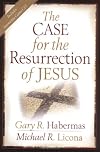
I am not a fan of much popular apologetics -- especially on the resurrection. But when I saw that this book was 384 pages long, I thought it was perhaps an exception and would cover the issue in more detail than others. I was wrong. So why do I still rank this book so high? Because it effectively does what it sets out to do.
This book effectively equips Christians to witness to their friends, neighbors, and families using the historical evidence for the resurrection of Jesus. Habermas and show more Licona begin with a discussion about the importance of the resurrection of Jesus to Christianity. Though this seems obvious, the discussion is helpful because it wisely recommends focusing on the resurrection without getting bogged down in, presumably, issues such as inerrancy and a complete harmonization of the resurrection narratives. This is a common failing of Christians trying to share their faith. The authors' emphasis on keeping the eye on the ball extends throughout the book.
After the opening chapter, the book turns to the core of the issue, the historical evidence for the resurrection of Jesus. The strength of this section is that it distills down, accurately, a high level of scholarship on the issue. Habermas and Licona present five "minimal facts." That is, they focus on five historical facts that are accepted by most scholars:
1) Jesus' death by crucifixion;
2) Jesus' disciples believed that he rose and appeared to them;
3) Paul, a persecutor of the church, has suddenly changed to faith in Jesus;
4) James, skeptical of Jesus during his ministry, was suddenly changed to faith in Jesus; and,
5) The tomb of Jesus was empty.
No. 4 is perhaps more disputed than Habermas and Licona discuss (and by far the least important of the five), but the rest of the discussion accurately represents the state of historical scholarship. Although their discussion will not supplant the more probing discussions of N.T. Wright or William L. Craig, it will equip the reader to accurately present to their friends, neighbors, and family the persuasive historical evidence for the resurrection of Jesus. They fit their "minimal facts" together effectively to present a strong case for the resurrection of Jesus.
Most of the rest of the book deals with various objections to the resurrection. This includes the usual suspects, such as the hallucination theory or the forgotten grave site. But it also includes others that scholars tend to ignore but which actually pop up in real conversation, such as whether Jesus could have been an alien (don't laugh, I've heard that one) and how do we know that even if there was a resurrection that God had anything to do with it. Their response effectively focuses on the context of Jesus' ministry and claims that he made about himself.
There are a few sections that appear out of place, such as the discussion of near death experiences and even the section about the existence of God. But the book closes with its strength; which is a helpful discussion about how to take the knowledge conveyed and use it to convince others that Jesus is resurrected from the dead.
Christians wishing to share effectively the core of their faith with those they care about will find this book very helpful. And for that reason, I recommend it. show less
This book effectively equips Christians to witness to their friends, neighbors, and families using the historical evidence for the resurrection of Jesus. Habermas and show more Licona begin with a discussion about the importance of the resurrection of Jesus to Christianity. Though this seems obvious, the discussion is helpful because it wisely recommends focusing on the resurrection without getting bogged down in, presumably, issues such as inerrancy and a complete harmonization of the resurrection narratives. This is a common failing of Christians trying to share their faith. The authors' emphasis on keeping the eye on the ball extends throughout the book.
After the opening chapter, the book turns to the core of the issue, the historical evidence for the resurrection of Jesus. The strength of this section is that it distills down, accurately, a high level of scholarship on the issue. Habermas and Licona present five "minimal facts." That is, they focus on five historical facts that are accepted by most scholars:
1) Jesus' death by crucifixion;
2) Jesus' disciples believed that he rose and appeared to them;
3) Paul, a persecutor of the church, has suddenly changed to faith in Jesus;
4) James, skeptical of Jesus during his ministry, was suddenly changed to faith in Jesus; and,
5) The tomb of Jesus was empty.
No. 4 is perhaps more disputed than Habermas and Licona discuss (and by far the least important of the five), but the rest of the discussion accurately represents the state of historical scholarship. Although their discussion will not supplant the more probing discussions of N.T. Wright or William L. Craig, it will equip the reader to accurately present to their friends, neighbors, and family the persuasive historical evidence for the resurrection of Jesus. They fit their "minimal facts" together effectively to present a strong case for the resurrection of Jesus.
Most of the rest of the book deals with various objections to the resurrection. This includes the usual suspects, such as the hallucination theory or the forgotten grave site. But it also includes others that scholars tend to ignore but which actually pop up in real conversation, such as whether Jesus could have been an alien (don't laugh, I've heard that one) and how do we know that even if there was a resurrection that God had anything to do with it. Their response effectively focuses on the context of Jesus' ministry and claims that he made about himself.
There are a few sections that appear out of place, such as the discussion of near death experiences and even the section about the existence of God. But the book closes with its strength; which is a helpful discussion about how to take the knowledge conveyed and use it to convince others that Jesus is resurrected from the dead.
Christians wishing to share effectively the core of their faith with those they care about will find this book very helpful. And for that reason, I recommend it. show less
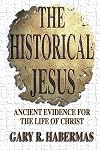
This volume is on my short shelf of all-time best books. Habermas builds his case with careful research and analysis, including an examination of what extra-biblical sources such as the gnostic gospels can add to the weight of proof for Christ's existence and the main outlines of what we can know with historical certainty about him--a good deal more than I had supposed.
Lists
You May Also Like


Associated Authors
Statistics
- Works
- 32
- Also by
- 4
- Members
- 2,062
- Popularity
- #12,468
- Rating
- 3.9
- Reviews
- 8
- ISBNs
- 55