
Pascal Garnier (1949–2010)
Author of How's the Pain?
About the Author
Series
Works by Pascal Garnier
Gallic Noir Volume 3: The Eskimo Solution, Low Heights, Too Close to the Edge (2018) 7 copies, 1 review
O VELHO RESMUNGÃO 1 copy
Contes gouttes 1 copy
Associated Works
Tagged
Common Knowledge
- Birthdate
- 1949-07-04
- Date of death
- 2010-03-05
- Gender
- male
- Occupations
- mystery writer
- Nationality
- France
- Birthplace
- Paris, France
- Place of death
- Cornas, Ardéche, France
- Associated Place (for map)
- France
Members
Reviews
I started reading Garnier after devouring a couple of books by Jean-Patrick Manchette. Garnier is even darker. This story presents violent death as just another part of a dreary succession of days we struggle through with little motivation or satisfaction. At least that's about the best I can sum it up. But the writing is so good, and the humor and satire so sly, that it is quite engrossing. Not quite like watching a car wreck, but also the sort of pleasure you don't think you should be show more having. It is well-written, doesn't drag on, and as dark as it gets, which is appropriate for the dark times we're living in. The French settings and the little details about French life are also quite interesting. show less

I received a free copy of this book from the publisher through NetGalley in exchange for an honest review.
The title of this Garnier novella comes from an African greeting. Rather than ask how one is doing, it is their custom to ask “How’s the pain?” That sums up the tone and style of this darkly humorous tale perfectly.
This is my fourth Garnier book and I must say that he uses the novella style to maximum effect. Precisely the correct length so that the humor remains sharp and the show more darkness does not overwhelm—a perfect balance.
I am becoming quite a fan of Garnier. He is clearly a master of the noir novella, so much so that I started off by comparing him favorably to the great noir masters yet now I believe that I should stop making comparisons altogether because his voice is so distinctive and original.
Ironic, yet realistic. Darkly fatalistic yet quite funny at times. Vicious and unredeemed/unredeemable characters that nonetheless are sympathetic because of their understanding and acceptance of their own flaws.
Each Garnier work is a jewel in its own right and this is no exception. show less
The title of this Garnier novella comes from an African greeting. Rather than ask how one is doing, it is their custom to ask “How’s the pain?” That sums up the tone and style of this darkly humorous tale perfectly.
This is my fourth Garnier book and I must say that he uses the novella style to maximum effect. Precisely the correct length so that the humor remains sharp and the show more darkness does not overwhelm—a perfect balance.
I am becoming quite a fan of Garnier. He is clearly a master of the noir novella, so much so that I started off by comparing him favorably to the great noir masters yet now I believe that I should stop making comparisons altogether because his voice is so distinctive and original.
Ironic, yet realistic. Darkly fatalistic yet quite funny at times. Vicious and unredeemed/unredeemable characters that nonetheless are sympathetic because of their understanding and acceptance of their own flaws.
Each Garnier work is a jewel in its own right and this is no exception. show less

This first volume of Pascal Garnier's collected noir novellas (maybe called novels in France - they tend to call shorter works novels often) contains 3 of them: "The A26", "How's the Pain?" and "The Panda Theory". While the 3 were very different from each other, they are all bleak and almost hopeless - which seems to be the usual mode for Garnier's noir tales (with some weird humor here and there, made even funnier by where it is and what happens at the time when it is used).
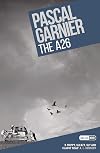
"The A26" show more (original title L'A26, 1999, translated by Melanie Florence) introduces us to two loners - a brother and a sister who live in a house where nothing had changed for decades. Some time during WWII, the sister, Yolande, had been hurt (more mentally than physically) and she reacted by closing herself in her house and never leaving it again - becoming a hoarder in the process and forcing her brother Bernard to take care of her while working for the railroads. And that's not their lives went on - up to the current times, sometime in the 90s, when a new motorway is getting built close by. Garnier takes that change and uses it to show the lives of the two siblings - making you wonder in places who is the crazier one. The seemingly sane Bernard ends up being a murderer (and worse); the sister who is always there seems to be sinking more and more into her seclusion. But somewhere there are also the Roland and Jacqueline - the old flame of Bernard and her current husband and while the siblings' minds dissolve, that old human connection becomes the trigger for the worst in them - from Yolande's memories of the past (when we learn what did happen to her) to Bernard's final delusions - it almost feels like his present and Yolande's past feed each other. The end is as expected as it is devastating. And you are only left wondering if things could have ended differently if someone somewhere had been a bit more human.
"How's the Pain?" ("Comment va la douleur ?", 2006, translated by Emily Boyce) is the lightest of the 3 novellas, even if it is dealing with a man's decision to die. Simon Marechall is about to get his last job before retirement when he ends up in a small town, too sick to continue his travel. No, it is not the kind of story where a man meets someone else and is happily ever after with them. He does meet someone, a local youth called Bernard, but their connections is closer to mentor and student (or an owner and a pet maybe). Simon needs help - he needs to drive to the seaside to finish that last job so Bernard comes at the best time - becoming his driver and in the process almost becoming Simon's son, pet and nurse (rolled into one). The older man claims to be a vermin exterminator - and that is partially true - except that the vermin he hunts can walk and talk (and that is very clear from very early in the novella if one is paying attention). What follows is almost black comedy although the style keeps is serious enough to never slide into it - the last job ends up being a bit of a mess, there is a woman with a child (and our very naive Bernard falls for both of them) and somewhere in there, Simon lives out the last days of his live. But as with most of his previous actions, his exit will be on his terms - even if it leaves other people in a bit of precarious position (the novella ends with the death - it technically also starts with it even if the act waits to the end.
"The Panda Theory" ("La théorie du panda", 2008, translation credited only to Gallic Books) starts just like the previous novella - a stranger arrives in a small town. Gabriel is a disturbed man - we learn why as the novella progresses but at the start he seems like a normal man who just has nowhere to go so he comes to a town he knows noone in and makes connections - with the receptionist, with a bistro owner (who then ends up with his worst nightmare on his hands and it is Gabriel who helps him and becomes the strong shoulder Jose needs), with a couple down on their luck. He spends his money liberally, helps people and becomes a friend (and almost a patron) to anyone he meets. Except that there is darkness underneath all that - even when he is at his best, his thoughts can be a bit disturbing. Once we know what had driven him to where he is now, we at least can understand why. But even that does not make the end less cruel. You know something must be coming but even with all the backstory the final act is shocking. And somewhere in there, there is a panda teddy-bear and if one wants to understand the story, they may want to think about the meaning of Gabriel's name.
All 3 stories are good in different ways but I liked "How's the Pain?" the most. It is the most streamlined of the 3 in some ways (all 3 use flashbacks and play with the time and sequences) but it was also the one which did not seem to try to get to worse and worse depravities as the story went along. All of them are worth reading though if you like the style and I plan to read more of these noir tales by Garnier - even when they don't entirely work for me, there is something in there that makes me want to read more. show less
"The A26" show more (original title L'A26, 1999, translated by Melanie Florence) introduces us to two loners - a brother and a sister who live in a house where nothing had changed for decades. Some time during WWII, the sister, Yolande, had been hurt (more mentally than physically) and she reacted by closing herself in her house and never leaving it again - becoming a hoarder in the process and forcing her brother Bernard to take care of her while working for the railroads. And that's not their lives went on - up to the current times, sometime in the 90s, when a new motorway is getting built close by. Garnier takes that change and uses it to show the lives of the two siblings - making you wonder in places who is the crazier one. The seemingly sane Bernard ends up being a murderer (and worse); the sister who is always there seems to be sinking more and more into her seclusion. But somewhere there are also the Roland and Jacqueline - the old flame of Bernard and her current husband and while the siblings' minds dissolve, that old human connection becomes the trigger for the worst in them - from Yolande's memories of the past (when we learn what did happen to her) to Bernard's final delusions - it almost feels like his present and Yolande's past feed each other. The end is as expected as it is devastating. And you are only left wondering if things could have ended differently if someone somewhere had been a bit more human.
"How's the Pain?" ("Comment va la douleur ?", 2006, translated by Emily Boyce) is the lightest of the 3 novellas, even if it is dealing with a man's decision to die. Simon Marechall is about to get his last job before retirement when he ends up in a small town, too sick to continue his travel. No, it is not the kind of story where a man meets someone else and is happily ever after with them. He does meet someone, a local youth called Bernard, but their connections is closer to mentor and student (or an owner and a pet maybe). Simon needs help - he needs to drive to the seaside to finish that last job so Bernard comes at the best time - becoming his driver and in the process almost becoming Simon's son, pet and nurse (rolled into one). The older man claims to be a vermin exterminator - and that is partially true - except that the vermin he hunts can walk and talk (and that is very clear from very early in the novella if one is paying attention). What follows is almost black comedy although the style keeps is serious enough to never slide into it - the last job ends up being a bit of a mess, there is a woman with a child (and our very naive Bernard falls for both of them) and somewhere in there, Simon lives out the last days of his live. But as with most of his previous actions, his exit will be on his terms - even if it leaves other people in a bit of precarious position (the novella ends with the death - it technically also starts with it even if the act waits to the end.
"The Panda Theory" ("La théorie du panda", 2008, translation credited only to Gallic Books) starts just like the previous novella - a stranger arrives in a small town. Gabriel is a disturbed man - we learn why as the novella progresses but at the start he seems like a normal man who just has nowhere to go so he comes to a town he knows noone in and makes connections - with the receptionist, with a bistro owner (who then ends up with his worst nightmare on his hands and it is Gabriel who helps him and becomes the strong shoulder Jose needs), with a couple down on their luck. He spends his money liberally, helps people and becomes a friend (and almost a patron) to anyone he meets. Except that there is darkness underneath all that - even when he is at his best, his thoughts can be a bit disturbing. Once we know what had driven him to where he is now, we at least can understand why. But even that does not make the end less cruel. You know something must be coming but even with all the backstory the final act is shocking. And somewhere in there, there is a panda teddy-bear and if one wants to understand the story, they may want to think about the meaning of Gabriel's name.
All 3 stories are good in different ways but I liked "How's the Pain?" the most. It is the most streamlined of the 3 in some ways (all 3 use flashbacks and play with the time and sequences) but it was also the one which did not seem to try to get to worse and worse depravities as the story went along. All of them are worth reading though if you like the style and I plan to read more of these noir tales by Garnier - even when they don't entirely work for me, there is something in there that makes me want to read more. show less

As usual with Garnier, the story goes along quite normally for a while and then explodes into a series of rather horrifying but somehow still logical incidents. In this case, it's a successful, but totally unsatisfied, writer who takes a road trip with his drug dealer son, where he encounters various odd characters. It isn't just the situations that make this successful, however, it's Garnier's constant observations on life, woven seamlessly into the protagonist's thoughts, that draw you in show more and don't let you go. Quite marvelous, show less
Awards


You May Also Like


Associated Authors
Statistics
- Works
- 51
- Also by
- 2
- Members
- 834
- Popularity
- #30,628
- Rating
- 3.6
- Reviews
- 70
- ISBNs
- 124
- Languages
- 5
- Favorited
- 5
