
Giovanni Arpino (1927–1987)
Author of Scent of a Woman
About the Author
Works by Giovanni Arpino
Brueghel 23 copies
Volpe si nasce 2 copies
Fuorigioco 2 copies
27 racconti 2 copies
Il prezzo dell'oro 1 copy
Arpino Giovanni 1 copy
Alba e la sua Langa 1 copy
La suora giovane. Una figura enigmatica e febbrile di vita. una storia d'amore imprevedibile. (1973) 1 copy
Cień wzgórz 1 copy
Mraky hnevu 1 copy
Randagio è l'eroe 1 copy
La Leggenda Azzurra - La storia del calcio italiano attraverso i Campionati del Mondo dal 1930 al 1982 — Author — 1 copy
Obiettivo Italia 1 copy
Epigrammi 1 copy
Chi trema e chi trama 1 copy
Epigrammi: Angeli custodi 1 copy
Raccontami una storia 1 copy
Teatranti 1 copy
Figure e fatti 1 copy
Questi ragazzi 1 copy
Il primo quarto di luna 1 copy
Associated Works
Natale raccontato da ... — Contributor — 1 copy
Tagged
Common Knowledge
- Canonical name
- Arpino, Giovanni
- Legal name
- Arpino, Giovanni
- Birthdate
- 1927-01-27
- Date of death
- 1987-12-10
- Gender
- male
- Education
- Università di Torino. Laurea in Lettere
- Occupations
- critico
giornalista sportivo
scrittore - Awards and honors
- Premio Moretti d'Oro (1969)
- Relationships
- Brero, Caterina (moglie)
Arpino, Tomaso (padre)
Bercia, Maddalena (madre) - Nationality
- Italy
- Birthplace
- Pola, Istria, Jugoslavia
- Places of residence
- Pula, Croatia (birth)
Bra, Italy
Torino, Italy - Place of death
- Torino, Italia
- Associated Place (for map)
- Italy
Members
Reviews
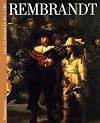
Rembrandt fait apparaître ce qui est invisible, tout comme Shakespeare rend logiques certaines situations irréelles que seul un génie dramatique de cette envergure peut conduire et faire paraître véridiques et exemplaires. Il invente ' sa ' lumière, non pour éclairer son monde, mais pour le rendre inapprochable. Un sang nocturne environne ses saints, ses capitaines, ses autoportraits, ses Samson et ses vieillards - et c'est le sang secret des choses, un liquide issu de l'alchimie, show more emprunté à la chevelure des arbres, aux découpes des nuages, aux minéraux, aux étoffes, aux métaux, aux décors des maisons -, tiré d'on ne sait quels coquillages, d'on ne sait quelles perles, d'on ne sait quelles pierres philosophales. show less

As a lot of good literature, the plot does not really matter, and the title gives it away - it is an excuse to paint times and places via the characters in the novel. They provide a portrait of a Italy on the brink of fascism, though the psychology of many of the characters feels sadly acutely contemporary.
The novel is divided in three parts - the first part sets the scene and introduces us to the main character, Dr. Castiglia, and his mother. The second part is concerned with what provides show more the title for the novel - and the third part is the "after". The strongest for me was the second part, which hits you in the stomach not just for its physical violence, but most of all for the psychological violence and the twisted logic which leads to it and that you come to see as almost inevitable.
The third part adds another dimension to the book, and a fresh perspective to the whole novel. Beautiful prose, at least in the original Italian version. show less
The novel is divided in three parts - the first part sets the scene and introduces us to the main character, Dr. Castiglia, and his mother. The second part is concerned with what provides show more the title for the novel - and the third part is the "after". The strongest for me was the second part, which hits you in the stomach not just for its physical violence, but most of all for the psychological violence and the twisted logic which leads to it and that you come to see as almost inevitable.
The third part adds another dimension to the book, and a fresh perspective to the whole novel. Beautiful prose, at least in the original Italian version. show less
Premio Campiello 1980, un libro di violenza e morte, attraverso una vecchiaia in cui "non si serve più a niente" se non ad animare una vendetta. Una Torino sporca e notturna, una serie di personaggi senza redenzione, due amici "impossibili" uniti dal dolore e dalla sconfitta. Apparentemente un "giallo" ma con dentro molto di più, a livello di lettura sociale e antropologica. Una lingua per lo più cruda e violenta come la storia ma, quando serve, capace di volare in alto:
Avrebbe voluto show more tanto spiegare. Dire: io ho sempre creduto nel doppio decimetro, nel compasso, nelle righe dei quaderni, nell'addizione la moltiplicazione la sottrazione, nelle forme, per cui l'Italia è da vedere come stivale, l'Africa come cotoletta alla milanese, l'America del sud come un cono gelato. Le forme indicano, comandano, modellano, ripetono il Creato. Con le forme cominciamo a capire. Bambini: alzate due dita della mano, di tutte e due le mani. Ecco che due più due fanno quattro.
E il quattro diventa idea, diventa forma che non si dimentica. I bambini a scuola capiscono se gli fai vedere l'America del sud come un cono gelato. Ridono, ed anche questo ridere è una forma, grazie alla quale non dimenticheranno mai più. Io ho sempre creduto nella grammatica, nel verbo "'essere" e "avere", perché anche la grammatica, anche la coniugazione di "essere" e "avere" costituiscono una forma di giustizia, ma minuscola, non quella che tu, Raffaele Cardoso, padre e assassino, pretendi di incontrare come dèa, statua con la bilancia, stupido marmo.
p.133-134 show less
Avrebbe voluto show more tanto spiegare. Dire: io ho sempre creduto nel doppio decimetro, nel compasso, nelle righe dei quaderni, nell'addizione la moltiplicazione la sottrazione, nelle forme, per cui l'Italia è da vedere come stivale, l'Africa come cotoletta alla milanese, l'America del sud come un cono gelato. Le forme indicano, comandano, modellano, ripetono il Creato. Con le forme cominciamo a capire. Bambini: alzate due dita della mano, di tutte e due le mani. Ecco che due più due fanno quattro.
E il quattro diventa idea, diventa forma che non si dimentica. I bambini a scuola capiscono se gli fai vedere l'America del sud come un cono gelato. Ridono, ed anche questo ridere è una forma, grazie alla quale non dimenticheranno mai più. Io ho sempre creduto nella grammatica, nel verbo "'essere" e "avere", perché anche la grammatica, anche la coniugazione di "essere" e "avere" costituiscono una forma di giustizia, ma minuscola, non quella che tu, Raffaele Cardoso, padre e assassino, pretendi di incontrare come dèa, statua con la bilancia, stupido marmo.
p.133-134 show less
Dans la torpeur d'une fin d'été à Turin, la confrontation d'un improbable trio : un professeur au crépuscule de sa vie, un jeune homme désoeuvré et une charmante effrontée, une réflexion magistrale sur le courage de vivre. Après Une âme perdue, la redécouverte d'un chef-d'oeuvre de Giovanni Arpino, figure rebelle de la littérature italienne de l'après-guerre. Comme tous les dimanches, le Pr Giovanni Bertola reçoit la visite de son ancien élève, Carlo Meroni. Comme tous les show more dimanches, les deux amis se lancent dans une âpre partie d'échecs. Comme tous les dimanches, ils discutent à bâtons rompus de sciences, de mathématiques, de philosophie, des femmes, de la vie. Un jour, l'irruption d'une inconnue, Ginetta, stupéfiante d'aisance et de désinvolture, va bousculer leur routine. Si elle s'offre sans états d'âme à Carlo, c'est le vieux professeur, cet homme fier et profondément irrévérencieux, qui fascine Ginetta. Jusqu'à cette nuit où Carlo confie à la jeune femme l'étrange promesse qu'il a faite à Bertola. La découverte du pacte secret qui unit les deux hommes va précipiter l'issue de cette ultime partie d'échecs... show less
Lists
Awards


You May Also Like


Associated Authors
Statistics
- Works
- 92
- Also by
- 2
- Members
- 732
- Popularity
- #34,694
- Rating
- 3.6
- Reviews
- 29
- ISBNs
- 87
- Languages
- 9
- Favorited
- 2