
Nancy Hathaway
Author of The Unicorn
About the Author
Nancy Hathaway's books include "The Friendly Guide to the Universe" & "The Unicorn." She lives in New York City. (Bowker Author Biography)
Works by Nancy Hathaway
Tagged
Common Knowledge
- Canonical name
- Hathaway, Nancy
- Birthdate
- 1946-12-01
- Gender
- female
- Education
- Columbia University (MA)
- Occupations
- journalist
teacher - Nationality
- USA
- Associated Place (for map)
- USA
Members
Reviews
Native American Portraits 1862-1918: Photographs from the Collection of Kurt Koegler by Nancy Hathaway
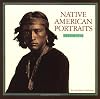
A fascinating collection of photographs of American Indians from roughly the Civil War to World War I, after many had been confined to reservation lands. Most of the images are from American Indians living in the Southwest and West. Some of the photographs were staged to represent white America’s stereotypes of American Indians, but many others were taken in more naturalistic settings. Regardless, the photos capture some of the diversity among American Indians and reveals their humanity in show more ways that textbooks have often failed to do. The main problem with the book is the text that accompanies the photos. Much of it is about the photographers instead of their subjects; some of the text describing the photographs is flat-out wrong. Still, the images are so compelling that is worth the time to slowly flip through the book page by page and take in what the images have to offer. show less

The Lion and the Unicorn, by Nancy Hathaway is the story of the king of Friesland, who wanted to give his daughter, Isabel, a unicorn, the symbol of purity, as a wedding gift. Although she had always been good and dutiful, after her wedding she would ride off on her unicorn and visit many suitors, the most important name Bartholomew. He always fought in her honor, the most important of his battles being against a lion. They both fought bravely and were evenly matched, but then he threatened show more the lion, and it surrendered. He rode upon it and became known as the Knight of the Lion.
He is told Isabel is dead, and he mourns her. She is still alive, but she is also told that her knight is dead, and she weeps until she passes out. The messenger who gave her the news steals her away. He imprisons her in a cave guarded by a dragon.
Bartholomew hears of her true fate, and goes to fight the dragon, atop his lion, but he cannot best it. In comes the unicorn, and stabs the dragon with his horn. Isabel is rescued, and the two return to the castle on their respective steeds. The spurned husband, who also tried to kill the dragon, was badly burned and has locked himself in a tower forever.
Wow, this is a terrible message, and it does not even make sense! If unicorns represent purity, then Isabel and the unicorn are poorly matched. She basically cheats on her husband and rides away with her lover. The lion is supposed to represent courage and valor, but Bartholomew cannot even slay the dragon! The unicorn has to get the job done.
The story is about courtly love, but it feels very sordid. The message here is not a good one for anybody. And, as I just explained, it does not even make sense. It does have elements of female empowerment, which did not exist in the time it was conceived. Yet, the infidelity feels sordid, because the husband totally loses. I do not recommend it. show less
He is told Isabel is dead, and he mourns her. She is still alive, but she is also told that her knight is dead, and she weeps until she passes out. The messenger who gave her the news steals her away. He imprisons her in a cave guarded by a dragon.
Bartholomew hears of her true fate, and goes to fight the dragon, atop his lion, but he cannot best it. In comes the unicorn, and stabs the dragon with his horn. Isabel is rescued, and the two return to the castle on their respective steeds. The spurned husband, who also tried to kill the dragon, was badly burned and has locked himself in a tower forever.
Wow, this is a terrible message, and it does not even make sense! If unicorns represent purity, then Isabel and the unicorn are poorly matched. She basically cheats on her husband and rides away with her lover. The lion is supposed to represent courage and valor, but Bartholomew cannot even slay the dragon! The unicorn has to get the job done.
The story is about courtly love, but it feels very sordid. The message here is not a good one for anybody. And, as I just explained, it does not even make sense. It does have elements of female empowerment, which did not exist in the time it was conceived. Yet, the infidelity feels sordid, because the husband totally loses. I do not recommend it. show less
A multicultural look at the unicorn through the ages.
Hathaway has organized her material both regionally and thematically. The first part, “The Ancient Unicorn,” consists of four chapters about Biblical, Asian and South Asian unicorns; “The Medieval Unicorn” has four chapters on particular unicorn themes that medieval folks found appealing; and “The Progress of the Unicorn” has – you guessed it – four chapters about the unicorn through the ages.
Each chapter contains a number show more of stories that tie in with its particular focus. The stories are, for the most part, entertaining and readable, and I appreciated the multicultural approach; however, I would’ve liked a little more commentary on the content. Hathaway has very little to say about the role of the unicorn in each story. What does it symbolize? Why is it important to the culture? How does human perception of the unicorn evolve through the centuries? Hathaway does have a few things to say in the final chapters, but she doesn’t delve very deep. I think the book could have been a lot stronger.
As an art historian, I also found her image identification a tad frustrating. The book is gorgeously illustrated, but Hathaway has neglected to identify many of the pieces she’s highlighted. Each example ought to include at least the date and region of origin; more recent pieces with known titles and artists ought to sport this information, too. Many of the illustrations are identified in detail, but far too many of them have nothing more than a brief blurb describing the piece.
On the whole, THE UNICORN is an interesting resource, but it’s not essential reading. I'd recommend it to those who're seeking interesting stories about this popular mythical creature for their own enjoyment. Readers with an interest in delving deeper may come away disappointed.
(This review also appears in a slightly different form on my blog, Stella Matutina). show less
Hathaway has organized her material both regionally and thematically. The first part, “The Ancient Unicorn,” consists of four chapters about Biblical, Asian and South Asian unicorns; “The Medieval Unicorn” has four chapters on particular unicorn themes that medieval folks found appealing; and “The Progress of the Unicorn” has – you guessed it – four chapters about the unicorn through the ages.
Each chapter contains a number show more of stories that tie in with its particular focus. The stories are, for the most part, entertaining and readable, and I appreciated the multicultural approach; however, I would’ve liked a little more commentary on the content. Hathaway has very little to say about the role of the unicorn in each story. What does it symbolize? Why is it important to the culture? How does human perception of the unicorn evolve through the centuries? Hathaway does have a few things to say in the final chapters, but she doesn’t delve very deep. I think the book could have been a lot stronger.
As an art historian, I also found her image identification a tad frustrating. The book is gorgeously illustrated, but Hathaway has neglected to identify many of the pieces she’s highlighted. Each example ought to include at least the date and region of origin; more recent pieces with known titles and artists ought to sport this information, too. Many of the illustrations are identified in detail, but far too many of them have nothing more than a brief blurb describing the piece.
On the whole, THE UNICORN is an interesting resource, but it’s not essential reading. I'd recommend it to those who're seeking interesting stories about this popular mythical creature for their own enjoyment. Readers with an interest in delving deeper may come away disappointed.
(This review also appears in a slightly different form on my blog, Stella Matutina). show less
The Friendly Guide to the Universe: A Down-to-Earth Tour of Space, Time, and the Wonders of the Cosmos by Nancy Hathaway

A Friendly Guide is fabulous! I have read it several times in the several years that I've owned it (and I rarely read anything I don't have to!). Nancy Hathaway devides and subdevides astronomy into small enough bits and mixes enough wit to make it easier to understand for those who don't know much astronomy. The small subsections also make it possible to read for us who do know something about astronomy but are pressed for time.
Cross-post from Amazon.com
Cross-post from Amazon.com
Lists
You May Also Like


Associated Authors
Statistics
- Works
- 6
- Members
- 796
- Popularity
- #32,018
- Rating
- 3.8
- Reviews
- 5
- ISBNs
- 20
- Languages
- 2