
Hans Fallada (1893–1947)
Author of Every Man Dies Alone
About the Author
Hans Fallada is a pseudonym of Rudolf Ditzen, who was born in Greifswald, Germany, in 1893. Many of Fallada's works, including the posthumously published The Drinker, were about his life, which was rife with addictions and instability. Another subject of his works was his homeland Germany. Earlier show more works, including international bestseller Little Man, What Now?, show a Germany that would allow itself to become a Nazi nation under Hitler. Later works deal with the aftermath and guilt of this decision. He died on February 5, 1947, in Berlin. (Bowker Author Biography) show less
Works by Hans Fallada
Hackendahl gir sig ikke. B.1 4 copies
Hakkendahl gir sig ikke, del 2 4 copies
Die Kuh, der Schuh, dann du (eine Novelle), die gro e Liebe (eine Erziehung), der Apparat der Liebe (eine Erzählung), i (1993) 4 copies
I en ulvetid 2 3 copies
I en ulvetid 3 3 copies
Levenslang 3 copies
Der gestohlene Weihnachtsbaum: Einmalige Sonderausgabe | Das perfekte Geschenk zu Weihnachten (2022) 3 copies
Ricominciare 2 copies
Jeder stirbt für sich allein 2 2 copies
I en ulvetid 1 2 copies
Jeder stirbt für sich allein 1 2 copies
Lood lastele — Author — 2 copies
Pijak 2 copies
Obras 2 copies
Alone In Berlin 1 copy
Nightmare In Berlin 1 copy
Aspettavamo un bimbo 1 copy
Mäuseken Wackelohr 1 copy
Kleine man wil vooruit 1 copy
2005 1 copy
Starp vilkiem. Romāns 1 copy
Der eiserne Gustav Hans Fallada [d.i. Rudolf Ditzen] ; Roman. (Bearb. von Peter W[illers] Tügel) 1 copy
Novelas escogidas 1 copy
Marerittet 1 copy
Singur in Berlin 1 copy
Sedláci se bouří : román 1 copy
Demasiado íntimo 1 copy
Senza amore 1 copy
Zgodbe o zmešnjavah 1 copy
¿Y AHORA QUE? 1 copy
Staré srdce jde do světa 1 copy
Associated Works
Geschichten, Geschichten, Geschichten. ( Ab 8 J.). Zum Vorlesen und zum Selberlesen. (1988) — Contributor — 11 copies
Die Einsamen. Kindheitsnovellen von O. Dymow, A.v. Hatzfeld, H. Hesse, J. Mühlberger, R. Musil, F. Ssologub und St. Zweig. (1947) — Contributor — 2 copies
Es muss einer den Frieden beginnen: Jahrhundertautoren gegen den Krieg (2014) — Contributor — 2 copies, 1 review
Tagged
Common Knowledge
- Canonical name
- Fallada, Hans
- Legal name
- Ditzen, Rudolf Wilhelm Adolf
- Other names
- Fallada, Hans
- Birthdate
- 1893-07-21
- Date of death
- 1947-02-05
- Gender
- male
- Education
- Königin-Carola-Gymnasium, Leipzig, Saxony, Germany
Gymnasium Fridericianum, Rudolstadt, Thuringia, Germany - Occupations
- interim mayor (Feldberg ∙ Germany)
journalist
clerk
bookkeeper
novelist
potato grower (show all 7)
estate agent - Organizations
- Wandervogel
International Order of Good Templars
Reichsarbeitsdienst (RAD) - Relationships
- Putnam, George (publisher)
- Short biography
- Hans Fallada's life story reads like an outsized novel. Before World War II, his novels were international bestsellers and his first big success Little Man, What Now? (1933) was adapted into a Hollywood movie. After the rise of the Nazis to power that year, his work was banned from being sold outside Germany. He refused to join the Nazi party and was arrested by the Gestapo; although released, he was regularly interrogated by the Nazis about his writing. He refused to flee the country. The pressure took its toll and as he resorted to drugs and alcohol for relief; he was eventually imprisoned in an asylum for the criminally insane. He survived and was freed at the end of the war. But he was a shattered man and died in 1947 at age 53. He remained a popular writer in Germany after his death, but outside his own country he faded into obscurity for decades. Then in 2009, American publishers began reissuing his works in translation and his talents were rediscovered.
- Cause of death
- heart failure
- Nationality
- Germany
- Birthplace
- Greifswald, Pomerania, Kingdom of Prussia, German Empire
- Places of residence
- Leipzig, Germany
- Place of death
- Berlin, Germany
- Burial location
- Fallada-Park, Carwitz, Mecklenburg-Vorpommern, Germany
- Map Location
- Germany
Members
Reviews
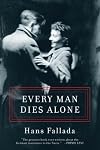
Finally translated in 2009, Every Man Dies Alone is a stark novel about life in Nazi Germany, the compromises and complicity of the entire nation, and the dignity of even the most futile act of resistance.
The main story tracks Otto and Anna, an ordinary married couple, who lose their only son in the invasion of France, and decide to launch a quixotic campaign to show that Germany does not support Hitler by leaving anonymous postcards around Berlin. However, the narrative quickly abandons show more them to track the doings of small time crooks, informers, and petty Nazi party members, as they seek to steal from their elderly Jewish neighbors, sponge off lonely widows, beat their children, and otherwise demonstrate that they are the worst of humanity, even without directly participating in the genocide. The pettiness of these people is directly compared to the drunk parties and twisted interrogations of the Gestapo and the supreme People's Court, and the way that the Nazi regime forced the world to match it's low and debased imagination.
Against this is the second half of the book, Otto and Anna in prison, separated, tortured, driven through a long humiliation before and inevitable execution. Even though their crude resistance with the postcards accomplished precisely nothing, they arrive at a sense of peace and mercy against the great injustices committed against them. It's almost bathetic, an undeserved salvation, but somehow it works. We have to believe that there is something left, even when dignity, community, life itself is taken.
My edition has a great historic footnote on Fallada's tragic personal life, and the swerves of his professional life under the Nazis and then the Soviet occupation. This is not an easy book to read, but it might be a great one. show less
The main story tracks Otto and Anna, an ordinary married couple, who lose their only son in the invasion of France, and decide to launch a quixotic campaign to show that Germany does not support Hitler by leaving anonymous postcards around Berlin. However, the narrative quickly abandons show more them to track the doings of small time crooks, informers, and petty Nazi party members, as they seek to steal from their elderly Jewish neighbors, sponge off lonely widows, beat their children, and otherwise demonstrate that they are the worst of humanity, even without directly participating in the genocide. The pettiness of these people is directly compared to the drunk parties and twisted interrogations of the Gestapo and the supreme People's Court, and the way that the Nazi regime forced the world to match it's low and debased imagination.
Against this is the second half of the book, Otto and Anna in prison, separated, tortured, driven through a long humiliation before and inevitable execution. Even though their crude resistance with the postcards accomplished precisely nothing, they arrive at a sense of peace and mercy against the great injustices committed against them. It's almost bathetic, an undeserved salvation, but somehow it works. We have to believe that there is something left, even when dignity, community, life itself is taken.
My edition has a great historic footnote on Fallada's tragic personal life, and the swerves of his professional life under the Nazis and then the Soviet occupation. This is not an easy book to read, but it might be a great one. show less

This is a brilliant thriller and a truly great work of literature. The atmosphere of fear and the casual brutality between characters is brilliantly evoked by the simple, non-flowery language the author uses. It is rare for a novel set in the Second World War to be set in Berlin before the final fall and the sheer courage of opposing Nazism at its height in 1940 comes across clearly through the very ordinary Quangels' carrying out of the ostensibly small act of resistance of leaving show more postcards for people to find. This is based on a true if not very well known case (the Hampels), and also reminds one of the better known White Rose students, executed for handing out anti-Nazi leaflets. The Quangels fail but their failure comes across as an act of redemption - they succeed in a sense through maintaining their sense of dignity and self-respect in the face of tyranny and insanity. In doing do, they draw strength from small, occasional acts of kindness from individual guards, doctors or chaplains to draw some hope. Powerful stuff. This should be much better known. show less
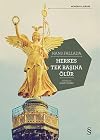
Korku ve ihanetin ortasında insan kalabilmenin tüyler ürpertici bir portresi...
Herkes Tek Başına Ölür, insanlık tarihinin en yıkıcı hikâyelerinden birini anlatıyor. Gerçek bir olaydan ilham alan bu roman, yayımlandıktan sonra büyük yankı uyandırmıştır. Baskı rejimlerine karşı küçük ama kararlı bir başkaldırının manifestosunu yazan Hans Fallada’nın bu çarpıcı eseri, Nazi Almanyasının kasvetli sokaklarında başlayan bir direnişi konu alıyor. show more Otto ve Anna Quangel, savaşta oğullarını kaybettiklerinde, rejimin devasa “makinesi”ne karşı çıkmaya karar verirler. Ellerindeki tek silah, basit kelimelerle dolu birkaç kartpostal; hedefleri ise bir tiranlığı sarsmaktır. Ama koca bir rejime karşı, iki yalnız insan ne kadar dayanabilir? Führer’in dehşetli gücüne karşı kederlerinden ve birbirlerinden başka hiçbir şeyleri olmayan bu çift, kısa süre içinde peşlerinde; öfkeli bir Gestapo, onları ihbar etmeye hazır komşular ve alaycı muhbirlerden oluşan bir yığın insan bulur. show less
Herkes Tek Başına Ölür, insanlık tarihinin en yıkıcı hikâyelerinden birini anlatıyor. Gerçek bir olaydan ilham alan bu roman, yayımlandıktan sonra büyük yankı uyandırmıştır. Baskı rejimlerine karşı küçük ama kararlı bir başkaldırının manifestosunu yazan Hans Fallada’nın bu çarpıcı eseri, Nazi Almanyasının kasvetli sokaklarında başlayan bir direnişi konu alıyor. show more Otto ve Anna Quangel, savaşta oğullarını kaybettiklerinde, rejimin devasa “makinesi”ne karşı çıkmaya karar verirler. Ellerindeki tek silah, basit kelimelerle dolu birkaç kartpostal; hedefleri ise bir tiranlığı sarsmaktır. Ama koca bir rejime karşı, iki yalnız insan ne kadar dayanabilir? Führer’in dehşetli gücüne karşı kederlerinden ve birbirlerinden başka hiçbir şeyleri olmayan bu çift, kısa süre içinde peşlerinde; öfkeli bir Gestapo, onları ihbar etmeye hazır komşular ve alaycı muhbirlerden oluşan bir yığın insan bulur. show less
What a smooth ruinous descent. Sommer careens down the slippery dip of his life, lubed up with his own pettiness and need to self-aggrandise. Little handholds of hope were constantly dangled in front of him and me - we were both constantly deluding ourselves into thinking that he could possibly pause, repent, and reverse his sordid descent.
The small reprieves followed Fallada's usual belief in the healing nature of the outdoors and labour. The most satisfying scene for me was Sommer's show more broom-making. I had thought that this was going to the major redemption for the book, but I'll happily take Magda's eventual freedom instead, especially if it's the only balm to Sommer's increasingly overt misogyny.
Advice: Read this between two childhood nostalgic faves, otherwise you may do irreparable damage to your psyche. show less
The small reprieves followed Fallada's usual belief in the healing nature of the outdoors and labour. The most satisfying scene for me was Sommer's show more broom-making. I had thought that this was going to the major redemption for the book, but I'll happily take Magda's eventual freedom instead, especially if it's the only balm to Sommer's increasingly overt misogyny.
Advice: Read this between two childhood nostalgic faves, otherwise you may do irreparable damage to your psyche. show less
Lists
Five star books (1)
Writers at Risk (1)
THE WAR ROOM (1)
On the pile (1)
A Novel Cure (1)
Next 100 books (1)
Awards


You May Also Like


Associated Authors
Statistics
- Works
- 152
- Also by
- 7
- Members
- 8,192
- Popularity
- #2,954
- Rating
- 4.1
- Reviews
- 264
- ISBNs
- 583
- Languages
- 21
- Favorited
- 25


