
Κώστας Ταχτσής (1927–1988)
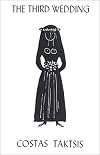
Author of The Third Wedding
About the Author
Works by Κώστας Ταχτσής
Associated Works
Tagged
Common Knowledge
- Canonical name
- Takhtsís, Kóstas
- Other names
- Ταχτσής, Κώστας
Takhtsís, Kostas
Taktis, Costas - Birthdate
- 1927-10-08
- Date of death
- 1988-08-25
- Gender
- male
- Nationality
- Greece
- Birthplace
- Solun, Grčka
Thessaloniki, Greece - Places of residence
- Thessaloniki, Greece (birth)
Athens, Greece (death) - Place of death
- Athens, Greece
- Associated Place (for map)
- Greece
Members
Reviews
Valuable insight into daily life for Greeks in the turbulent years of the 20th century. Narrated by two henpecking and long-suffering women, the prose can be rough at times. The vacillation between loving the people one loves, and absolutely, seethingly hating them drives a lot of the prose. In between these daily worries of well-brought up Greek ladies lands the Nazi occupation and the civil war. The novel does a lot to explain daily Greek life in the modern world; it's not gods and show more goddesses and myths and windswept islands, but a nation and a people trying to define themselves. Or, rather, Taktsis is trying to do this, trying to explain a Hellenic identity that is a result of thousands of years of occupation, warfare, being traded through the hands of empires, finally tearing itself apart. A little rough to get through the translated prose, and I wouldn't recommend it unless you're interested in/have a little knowledge of modern Greek history. I found it more educational than interesting. show less
The Third Wedding is the story of two Greek women and their lives from the 1920s through until the years following WW2. One is called Hecuba. The other, who narrates the novel, I forget the name of. Along the way, she marries three different men, hence the title.
The novel ranges from the countryside into Athens via various other towns and cities. It gives insight into the British and German occupations as well as the Communist uprising after the war. While all this is going on, various show more family spats ensue which result in family members being estranged, reconciled, tolerated and/or generally denounced as wasters. I didn’t think much of it actually and can’t quite see what it brings to the 1001 List.
It’s been a long time since I’ve read anything by a Greek author about Greece itself. Probably nothing since Ovid’s Metamorphoses actually. And, now I think about it, in some ways there are similarities here.
There are a fair number of characters who are introduced at random and then, after hearing nothing from them for 50 pages, back in they come without so much as a nod in your direction. I just let this wash over me. And there are multi-layered stories too which often merge into one another so I found it hard to keep track of which events were relevant to which characters and periods of time.
Finally, and probably the most taxing part of the book for me, was the fact that most of the women who form the bulk of the characters of the book spend their time having arguments, disagreements, hysterics or breakdowns. It was like some almighty soap opera. No one seemed able to have a functional relationship with anyone else and this got very tired very quickly to the point where I just didn’t really want to pick it up because it involved forcing myself into the presence of people who were at each others’ throats all the time. Not what I want for a relaxing read.
Taktsis can write, of that there is no doubt. But he never made me care about what happened to the characters he created. For a novel that deals so much with conflict, both personally and politically, this was a shame and I have left it wondering why it was it never really engaged me. Ah well… show less
The novel ranges from the countryside into Athens via various other towns and cities. It gives insight into the British and German occupations as well as the Communist uprising after the war. While all this is going on, various show more family spats ensue which result in family members being estranged, reconciled, tolerated and/or generally denounced as wasters. I didn’t think much of it actually and can’t quite see what it brings to the 1001 List.
It’s been a long time since I’ve read anything by a Greek author about Greece itself. Probably nothing since Ovid’s Metamorphoses actually. And, now I think about it, in some ways there are similarities here.
There are a fair number of characters who are introduced at random and then, after hearing nothing from them for 50 pages, back in they come without so much as a nod in your direction. I just let this wash over me. And there are multi-layered stories too which often merge into one another so I found it hard to keep track of which events were relevant to which characters and periods of time.
Finally, and probably the most taxing part of the book for me, was the fact that most of the women who form the bulk of the characters of the book spend their time having arguments, disagreements, hysterics or breakdowns. It was like some almighty soap opera. No one seemed able to have a functional relationship with anyone else and this got very tired very quickly to the point where I just didn’t really want to pick it up because it involved forcing myself into the presence of people who were at each others’ throats all the time. Not what I want for a relaxing read.
Taktsis can write, of that there is no doubt. But he never made me care about what happened to the characters he created. For a novel that deals so much with conflict, both personally and politically, this was a shame and I have left it wondering why it was it never really engaged me. Ah well… show less
"Taktsis's novel is one of the most enjoyable in the language; it is the hilarious, yet at times tragic, story of two women's interconnected lives, told by the heroines themselves against the background of Greek history in the first half of the twentieth century." (Peter Mackridge)
nicht schlecht, aber irgendwie ist griechische Literatur nicht auf der Höhe der Zeit
Lists
Awards


You May Also Like


Associated Authors
Statistics
- Works
- 20
- Also by
- 2
- Members
- 223
- Popularity
- #100,549
- Rating
- 4.0
- Reviews
- 8
- ISBNs
- 29
- Languages
- 8