
David Plante
Author of The Catholic
Series
Works by David Plante
The Death of a Greek Lover 6 copies
Becoming a Londoner: A Diary 1 copy
Essential stories 1 copy
Fantasies of the Body 1 copy
Associated Works
Ward No. 6 and Other Stories (Barnes & Noble Classics Series) (2003) — Editor/Introduction, some editions — 732 copies, 9 reviews
Man of My Dreams: Provocative Writing on Men Loving Men (1996) — Introduction; Contributor — 83 copies
Winter's Tales: New Series No 6 (International Anthology of Stories by New & Established Auth) (1990) — Contributor — 11 copies
Sulfur 9 — Contributor — 1 copy
Tagged
Common Knowledge
- Legal name
- Plante, David Robert
- Birthdate
- 1940-03-04
- Gender
- male
- Education
- Boston College (BA|French)
L'Universite de Louvain, Belgium - Organizations
- Royal Society of Literature
Columbia University - Awards and honors
- American Academy of Arts and Letters Academy Award (Literature ∙ 1983)
Guggenheim Foundation (1983)
Royal Society of Literature (Fellow)
British Arts Council Bursary (1977) - Relationships
- Stangos, Nikos (partner)
- Nationality
- USA
UK - Birthplace
- Providence, Rhode Island, USA
- Associated Place (for map)
- Rhode Island, USA
Members
Reviews
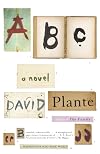
Although Plante's novel is a well-written study of grief, it founders on its own premise. When Gerard and Peggy Chauvin lose their son in an accident in an abandoned house, Gerard's inability to successfully mourn is exemplified by his growing obsession with the question "why?" - an obsession that leads to a consuming digression into the origins of the alphabet. Why are the letters arranged sequentially as they are and who made it so? This question - which deflects a much more painful show more incomprehension - haunts not just Gerard but several other people he meets during the course of his investigations into the alphabet.
The novel starts off well, with a story of tragedy and its immediate aftermath that rings extraordinarily true. Yet as it proceeds further and further into Gerard's alphabetic obsession, it starts to become tedious. There is a lot of worthwhile information about the history of the Indo-European alphabet, but in truth this becomes the fulcrum for the novel's capitulation into mystique and faux-intrigue. This is the point, of course. Gerard and his fellow travellers on the byways of loss are consumed by this red herring because they must be, and so they study a question as unresolvable as their real concern: the dilemma of love and loss. A tidy premise, but not one that particularly interests.
Perhaps Plante's novel suffers from the limitations of his task: to characterize the melancholic's struggle with lost meaning. There are few handholds for the reader in such emotionally arid terrain. Gerard's strained relationship with his wife - another promising part of the story - is simply, perhaps realistically, dropped. Another reviewer described Gerard as ghostly and I would agree. Incapable of mourning, he is also incapable of relation, becoming consumed by the (alphabetic) past and relinquishing the future. He and his lost companions become increasingly irrelevant, and their story, well, irritating.
As a melancholic sort myself, I felt that [ABC: A Novel] , through its failure, poses an interesting question: is it possible to write engagingly about melancholia, about lost meaning? How does a book that takes on this task avoid alienating and taxing the patience of its readership? It is an important question because as a culture we are always at risk of dismissing such problems as insurmountable grief as merely tedious and the sad purview of irrelevant losers - an attitude that does little to address the suffering of melancholia or the insight it produces.
If it weren't for the fact that I was truly annoyed by the time I finished this book, I would give it a higher rating just for posing such questions. As it is, though, all I can do is hope that someone else comes up with a better approach. show less
The novel starts off well, with a story of tragedy and its immediate aftermath that rings extraordinarily true. Yet as it proceeds further and further into Gerard's alphabetic obsession, it starts to become tedious. There is a lot of worthwhile information about the history of the Indo-European alphabet, but in truth this becomes the fulcrum for the novel's capitulation into mystique and faux-intrigue. This is the point, of course. Gerard and his fellow travellers on the byways of loss are consumed by this red herring because they must be, and so they study a question as unresolvable as their real concern: the dilemma of love and loss. A tidy premise, but not one that particularly interests.
Perhaps Plante's novel suffers from the limitations of his task: to characterize the melancholic's struggle with lost meaning. There are few handholds for the reader in such emotionally arid terrain. Gerard's strained relationship with his wife - another promising part of the story - is simply, perhaps realistically, dropped. Another reviewer described Gerard as ghostly and I would agree. Incapable of mourning, he is also incapable of relation, becoming consumed by the (alphabetic) past and relinquishing the future. He and his lost companions become increasingly irrelevant, and their story, well, irritating.
As a melancholic sort myself, I felt that [ABC: A Novel] , through its failure, poses an interesting question: is it possible to write engagingly about melancholia, about lost meaning? How does a book that takes on this task avoid alienating and taxing the patience of its readership? It is an important question because as a culture we are always at risk of dismissing such problems as insurmountable grief as merely tedious and the sad purview of irrelevant losers - an attitude that does little to address the suffering of melancholia or the insight it produces.
If it weren't for the fact that I was truly annoyed by the time I finished this book, I would give it a higher rating just for posing such questions. As it is, though, all I can do is hope that someone else comes up with a better approach. show less
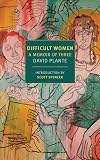
This was a disturbing book. The subtitle indicates it is a memoir, but that suggests a higher tone than Plante delivers. Instead, it reads in many places like a bitchy diary, in other places like a self serving narrative. David Plante is an American writer. In the late 1970s, he was living in London. He was in his late thirties at the time and had published five works, so he was no dewy eyed ingenue.
His difficult women are Jean Rhys, Sonia Orwell, and Germaine Greer. Plante's role in their show more lives is difficult to determine, as the reader has only his side of the story. Rhys and Orwell were both dead by the time the book was published.
Jean Rhys was 76 when The Wide Sargasso Sea was published in 1966, reviving an interest in her earlier novels from the 1920s and '30s. She was once more someone to know. Ten years later, she would come to London for the winters, and was visited regularly by Plante. He suggested that if she wanted to dictate her autobiography, he would transcribe it for her.
The elderly Rhys was frail and confused. Her chronic alcoholism meant
Sonia Orwell had dinner with Plante the night he found out Rhys had died. Orwell told him in no uncertain terms of the reservations Rhys had had about him writing of her. Orwell was a self described snob, famous for being the widow of George Orwell, whom she had married a mere fourteen weeks before his death. She knew many in the artistic and literary circles, and introduced Plante around. His social life at the time seems to have consisted largely of being what he calls the 'Extra Man', the one you can call at the last minute to fill in an empty chair or pour the drinks. Not a very rewarding title, but Plante would do just about anything for an invite to certain London parties.
Plante had a summer place just outside Cortona. He invited Orwell there one summer. It didn't work well. Orwell would drink and rage. She hated the house and put all her energy into making it presentable to her eyes. Not the best guest behaviour, but Plante at least had some insight into it:
Plante drove back to London with Germaine Greer. Greer appears as another driven compulsive person, but also an expert, someone who could take on anything, having acquired the knowledge and done the planning to complete it successfully. He said of her
In 1980, Plante and Greer were both in residence at the University of Tulsa. Greer said she wanted respect from her peers, but felt only a certain suspicion from them. Perhaps because she was living at the time of publication, Plante is easiest on Germaine Greer, who nevertheless comes across as unbearable bossy, opinionated, and pedantic, capable only of lecturing, never of conversing.
Their time there gave Plante more insight into his dealings with women, thinking it was he who made them difficult. This may certainly have been true on a one on one level, but all three of these women were notoriously difficult, and Plante did not make them that way.
What is one to make of someone who lets himself be treated time after time in the ways he describes, indeed seeks out these people, and then, seeming to lack any modicum of self respect, writes of his abasement? While this book is about the women, not Plante, he seems to exist in a void when not in their respective realms. Plante was then in what would turn out to be a forty year relationship with Nikos Stangos, yet he makes no mention of a domestic life, and brushes off the women's veiled anti-gay comments.
It might reasonably be asked why read such a book. It's something I've pondered, and I have no answer. Worse, I feel complicit. show less
His difficult women are Jean Rhys, Sonia Orwell, and Germaine Greer. Plante's role in their show more lives is difficult to determine, as the reader has only his side of the story. Rhys and Orwell were both dead by the time the book was published.
Jean Rhys was 76 when The Wide Sargasso Sea was published in 1966, reviving an interest in her earlier novels from the 1920s and '30s. She was once more someone to know. Ten years later, she would come to London for the winters, and was visited regularly by Plante. He suggested that if she wanted to dictate her autobiography, he would transcribe it for her.
The elderly Rhys was frail and confused. Her chronic alcoholism meant
Helping her became difficult. She needed a drink to start, a drink to continue, and yet another, and after two hours she was muddled, couldn't remember what she'd been saying, and she'd repeat, over and over...He describes Rhys's deterioration in excruciating detail, all the while nipping out to buy her yet more alcohol, and badgering her for more details of her life.
Sonia Orwell had dinner with Plante the night he found out Rhys had died. Orwell told him in no uncertain terms of the reservations Rhys had had about him writing of her. Orwell was a self described snob, famous for being the widow of George Orwell, whom she had married a mere fourteen weeks before his death. She knew many in the artistic and literary circles, and introduced Plante around. His social life at the time seems to have consisted largely of being what he calls the 'Extra Man', the one you can call at the last minute to fill in an empty chair or pour the drinks. Not a very rewarding title, but Plante would do just about anything for an invite to certain London parties.
Plante had a summer place just outside Cortona. He invited Orwell there one summer. It didn't work well. Orwell would drink and rage. She hated the house and put all her energy into making it presentable to her eyes. Not the best guest behaviour, but Plante at least had some insight into it:
Sonia was difficult, but she was difficult for a reason. She wanted, demanded so much from herself and from others, and it made her rage that she and others couldn't ever match what was done to what was aspired to. I admired her for being difficult. I could admire her like this when I wasn't with her.
Plante drove back to London with Germaine Greer. Greer appears as another driven compulsive person, but also an expert, someone who could take on anything, having acquired the knowledge and done the planning to complete it successfully. He said of her
Her only secret was this: she would not reveal how she had become Germaine Greer, how she had learned everything she had had to learn to become the person she was. She would reveal everything about the Germaine Greer who actually was, who was entirely public, and about whom she kept no secrets.
In 1980, Plante and Greer were both in residence at the University of Tulsa. Greer said she wanted respect from her peers, but felt only a certain suspicion from them. Perhaps because she was living at the time of publication, Plante is easiest on Germaine Greer, who nevertheless comes across as unbearable bossy, opinionated, and pedantic, capable only of lecturing, never of conversing.
Their time there gave Plante more insight into his dealings with women, thinking it was he who made them difficult. This may certainly have been true on a one on one level, but all three of these women were notoriously difficult, and Plante did not make them that way.
What is one to make of someone who lets himself be treated time after time in the ways he describes, indeed seeks out these people, and then, seeming to lack any modicum of self respect, writes of his abasement? While this book is about the women, not Plante, he seems to exist in a void when not in their respective realms. Plante was then in what would turn out to be a forty year relationship with Nikos Stangos, yet he makes no mention of a domestic life, and brushes off the women's veiled anti-gay comments.
It might reasonably be asked why read such a book. It's something I've pondered, and I have no answer. Worse, I feel complicit. show less

Without a doubt – the worst book I've ever read. A horrid mishmash of philology, philosophy, and obsession with “the dead”. His son dead from an accident, Gerard becomes obsessed with discovering the origin of the order of the alphabet. Makes perfect sense, doesn't it? During this quest he happens upon other lost souls who've lost dear ones to death. Each of these has the same alphabet-obsession, the same obsession with the book L'Histoire de L'Ecriture, and the same sense of being show more compelled by “the dead” (not their own dead, but the all-encompassing “dead”).
...to see on a wall the graffito of a political slogan, wasn't that, in each case, to see an icon with an iconography so vast it took in all of Greek history, and, more, all of Western history, and, even more, all of world history, and even more than that. What did it all mean? What did it all mean?
....all we can ever know of something, if this can be called knowing, Is to have an impression of that something, nothing more than an impression. He said we don't understand, we have impressions, in the same way we can only have an impression of everything all together and can never understand everything all together, because everything all together, everything in the world all together, is an impossibility. And that's the most we can expect of our reasoning minds, which can't say what anything really means.
No character development, very little sense of place, no real story. Just obsessions wrapped up in gobbledy-goop. show less
...to see on a wall the graffito of a political slogan, wasn't that, in each case, to see an icon with an iconography so vast it took in all of Greek history, and, more, all of Western history, and, even more, all of world history, and even more than that. What did it all mean? What did it all mean?
....all we can ever know of something, if this can be called knowing, Is to have an impression of that something, nothing more than an impression. He said we don't understand, we have impressions, in the same way we can only have an impression of everything all together and can never understand everything all together, because everything all together, everything in the world all together, is an impossibility. And that's the most we can expect of our reasoning minds, which can't say what anything really means.
No character development, very little sense of place, no real story. Just obsessions wrapped up in gobbledy-goop. show less
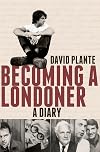
It is fascinating to read a personal first hand account of London in the 60's from this point of view. Plante was a young American who happened to fall in love with and live with a young Greek man who happened to be a close friend of the poet Stephen Spender.
Thus literary and artistic and social London opened up before him. He becomes friends with Francis Bacon and David Hockney and met everyone from E. M. Forster to Auden and Isherwood to Philip Roth and the heady art world of the 60's. show more His frank and honest explorations of his self, the nature of connections with people and writing and his changing relationship with his lover Nikos propelled me into that world. It was a fresh and alive as if you were there.
I must admit that his fresh honesty in just observing and recording what happened led to the the conclusion that he was a bit of a star struck fan who got great pleasure in "collecting" these august figures in the worlds of art and literature , especially the few society people he met like the Baroness de Rothschilde.
But I couldn't put it down. The writing is lively and very much of the observer trying to follow the edict of Forster's - "only connect!". show less
Thus literary and artistic and social London opened up before him. He becomes friends with Francis Bacon and David Hockney and met everyone from E. M. Forster to Auden and Isherwood to Philip Roth and the heady art world of the 60's. show more His frank and honest explorations of his self, the nature of connections with people and writing and his changing relationship with his lover Nikos propelled me into that world. It was a fresh and alive as if you were there.
I must admit that his fresh honesty in just observing and recording what happened led to the the conclusion that he was a bit of a star struck fan who got great pleasure in "collecting" these august figures in the worlds of art and literature , especially the few society people he met like the Baroness de Rothschilde.
But I couldn't put it down. The writing is lively and very much of the observer trying to follow the edict of Forster's - "only connect!". show less
Lists
Awards


You May Also Like


Associated Authors
Statistics
- Works
- 33
- Also by
- 12
- Members
- 739
- Popularity
- #34,364
- Rating
- 3.8
- Reviews
- 19
- ISBNs
- 63
- Languages
- 1
- Favorited
- 2