

Catherine Clément
Author of Theo's Odyssey
About the Author
Catherine Clement was professor of philosophy at the University of Paris.
Image credit: Esby
Series
Works by Catherine Clément
Miroirs du sujet 3 copies
Païenne (French Edition) 1 copy
Georg Groddeck 1 copy
L'Arc, n° 81 : Verdi 1 copy
Roland Barthes 1 copy
L'Arc - n° 58 - Lacan 1 copy
Associated Works
Tagged
Common Knowledge
- Canonical name
- Clément, Catherine
- Legal name
- Clément, Catherine
- Birthdate
- 1939-02-10
- Gender
- female
- Education
- École Normale Supérieure
- Occupations
- philosopher
novelist
literary critic
feminist
cultural critic - Organizations
- Centre National de la Recherche Scientifique (CNRS)
Le Matin de Paris (Journal)
Ministère des Relations extérieures (Collaboratrice, Association Française d'Action Artistique)
Université populaire du quai Branly, Paris, France (2002)
France Culture (Radio) - Awards and honors
- Ordre national du Mérite
Chevalier de la Légion d'honneur
Prix Francine and Antoine Bernheim (2021) - Relationships
- Clément, Jérome (brother)
- Short biography
- Catherine Clément was born into a mixed Catholic-Jewish family. She received a degree in philosophy from the École Normale Supérieure in Paris; her professors included Claude Lévi-Strauss and Jacques Lacan. After teaching for 12 years, she retired from academia to write full-time. She produced feature articles for Matin de Paris on cultural life. In 1969, she was named head of the Ministry of Culture’s arts board, which took her to India for four years. Her affection for the country is evident in the nearly 30 fiction and nonfiction books she has written about it, including The Last Days of the Goddess (2006), For the Love of India (1993), and The Sultan (1981). Catherine Clément also has lived for extended periods of time in Austria and Senegal. In 2001, she entered politics with the presidential campaign of Jean-Pierre Chevènement. She was asked to write a report on culture on French television. She has also published books with Hélène Cixous and Julia Kristeva.
- Nationality
- France
- Birthplace
- Boulogne-Billancourt, Hauts-de-Seine, Île-de-France, France
- Places of residence
- Paris, France
India
Austria
Senegal - Associated Place (for map)
- Boulogne-Billancourt, Hauts-de-Seine, Île-de-France, France
Members
Reviews

Catherine Clément's Lives and Legends of Jacques Lacan was first published in French in 1981, appearing just after the death of Lacan and the controversial dissolution of the École freudienne. As such, Clément weaves together a theoretical meditation on the merits of Lacan's work with an account of her own personal interactions and observations, such as the reactions of her fifteen-year-old daughter to psychoanalysis. The result is a measured, beautifully lyrical account of both this show more period of time and the ideas that sprang from it.
Clément divides the book into four chapters, each dealing with a different aspect of Lacan's thought. The first chapter recounts how she fell in love with Lacan, as well as the centrality of love to his ideas, while also showing how Clément eventually fell out of love with Lacan.
Most insightful for me was the second chapter, in which Clément, who regards herself a feminist, emphasizes the importance of women for Lacan. His interest in key cases dealing with women, from Aimee to the Papin sisters, culminates in his theory of the not-All. Clément provides an interesting commentary on how this idea has been misunderstood, arguing that Lacan should be seen as in agreement with the feminists: there is no Woman, no eternal feminine, only women.
The third chapter deals with the evolution from plain, everyday Jacques-Marie Lacan to the superstar theorist Lacan. Clément traces the various controversies and theoretical breaks that marked Lacan's career, crucial moments that would elevate him in the French imagination.
The final full chapter looks at the development of Lacan's thought, first in relation to politics, then in its borrowings from science and mathematics. Like many other readers of Lacan, I am skeptical about the value of this part of his work, but Clément is generous in how she presents it and attempts to salvage what she can from its contradictions.
The book closes with a short epilogue titled "The Firebird," in which Clément imagines Lacan as a phoenix. Clearly the dissolution of the École freudienne was a major trauma for her, as it forms the nucleus of this beautifully-written and emotionally touching book. Clément's Lives and Legends of Jacques Lacan deserves its place as a classic in the field, combining theory and memoir, experience and thought, into a single moving volume. show less
Clément divides the book into four chapters, each dealing with a different aspect of Lacan's thought. The first chapter recounts how she fell in love with Lacan, as well as the centrality of love to his ideas, while also showing how Clément eventually fell out of love with Lacan.
Most insightful for me was the second chapter, in which Clément, who regards herself a feminist, emphasizes the importance of women for Lacan. His interest in key cases dealing with women, from Aimee to the Papin sisters, culminates in his theory of the not-All. Clément provides an interesting commentary on how this idea has been misunderstood, arguing that Lacan should be seen as in agreement with the feminists: there is no Woman, no eternal feminine, only women.
The third chapter deals with the evolution from plain, everyday Jacques-Marie Lacan to the superstar theorist Lacan. Clément traces the various controversies and theoretical breaks that marked Lacan's career, crucial moments that would elevate him in the French imagination.
The final full chapter looks at the development of Lacan's thought, first in relation to politics, then in its borrowings from science and mathematics. Like many other readers of Lacan, I am skeptical about the value of this part of his work, but Clément is generous in how she presents it and attempts to salvage what she can from its contradictions.
The book closes with a short epilogue titled "The Firebird," in which Clément imagines Lacan as a phoenix. Clearly the dissolution of the École freudienne was a major trauma for her, as it forms the nucleus of this beautifully-written and emotionally touching book. Clément's Lives and Legends of Jacques Lacan deserves its place as a classic in the field, combining theory and memoir, experience and thought, into a single moving volume. show less
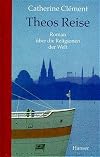
Theo, ein 14jähriger Junge aus Paris mit einem ungewöhnlichen Interesse an griechischer Mythologie und am alten Ägypten, leidet an einer lebensgefährlichen Krankheit. Seine vermögende und etwas skurille Tante Marthe lädt ihn zu einer Weltreise ein, die ihn zu den Religionen der Welt führen soll, mit der Hoffnung dass ihr Neffe währenddessen geheilt wird.
Schwerpunkt dieses Buches ist eindeutig die Darstellung der unterschiedlichen Religionen und der Erfahrungen, die Theo damit show more während Gottesdiensten, Riten, Festen und ähnlichem macht. Die Menge an Fakten und Informationen, die hier präsentiert werden, ist zwar manchmal erschlagend, doch wer sich für dieses Thema interessiert, wird trotz der rund 700 Seiten keine Minute gelangweilt sein. Die Darstellung ist gut verständlich und insbesondere für Jugendliche (für die das Buch gedacht ist) und Unwissende sehr informativ. Nicht nur der aktuelle Stand der jeweiligen Religionen wird beschrieben sondern auch die Entstehung und Entwicklung bis hin zum Erscheinen dieses Buches (also Ende des letzten Jahrtausends). Die von manchen Leserinnen und Lesern genannte Oberflächlichkeit konnte ich nicht nachvollziehen: Vielleicht sollte man einfach im Auge behalten, für welche Zielgruppe dieses Buch geschrieben wurde. Und langatmig? Nun gut, wer kein Interesse für Religion aufbringt, dem sei dieses Buch auch nicht empfohlen, die Rahmenhandlung ist wirklich nur Nebensache. show less
Schwerpunkt dieses Buches ist eindeutig die Darstellung der unterschiedlichen Religionen und der Erfahrungen, die Theo damit show more während Gottesdiensten, Riten, Festen und ähnlichem macht. Die Menge an Fakten und Informationen, die hier präsentiert werden, ist zwar manchmal erschlagend, doch wer sich für dieses Thema interessiert, wird trotz der rund 700 Seiten keine Minute gelangweilt sein. Die Darstellung ist gut verständlich und insbesondere für Jugendliche (für die das Buch gedacht ist) und Unwissende sehr informativ. Nicht nur der aktuelle Stand der jeweiligen Religionen wird beschrieben sondern auch die Entstehung und Entwicklung bis hin zum Erscheinen dieses Buches (also Ende des letzten Jahrtausends). Die von manchen Leserinnen und Lesern genannte Oberflächlichkeit konnte ich nicht nachvollziehen: Vielleicht sollte man einfach im Auge behalten, für welche Zielgruppe dieses Buch geschrieben wurde. Und langatmig? Nun gut, wer kein Interesse für Religion aufbringt, dem sei dieses Buch auch nicht empfohlen, die Rahmenhandlung ist wirklich nur Nebensache. show less
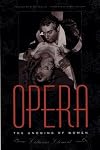
By far the weirdest academic book I've read. Yes, it is academic; it's been researched and has notes and everything, but the writing is personal and often poetic. It is nonfiction, but it's more narrative than research. If you can figure out how best to interpret it, you can glean a lot of useful insights from it.
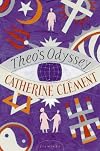
I tagged this as "liked books" at the time. But that's not really honest, as I didn't think much of this book at all. I'm astounded that anyone has likened it to Sophie's World! In form, yes, I can see the similarity, but I'm afraid that's where the likeness ends. Where Sophie's World was a pretty interesting and serious meditation on philosophy for people not familiar at all with philosophy, Theo's Odyssey was a gluttonous mess of a book which did not manage to familiarise me with many of show more the salient aspects of religions which I was unfamiliar with and led me to near-despise many of the main cast of characters.
The primary thing which I would like to comment on is the changing personalities of the characters. Much like the Scottish weather can change as many times as there are minutes in a single day, the characters frequently seemed to have complete personality transplants within a page. Theo himself was at times moody and childlike and teenagerlike and angry and philosophical and wise and foolish. His completely weird behaviour around the Japanese girl (whose name I have forgotten) despite being absolutely mad about this girl from back home is just ludicrous. At first he seems serious about this new girl, and then it's as if it never happens and he's as much in love with his girlfriend as ever? I know that mercurial temperament is part and parcel of being a young adult, but this is seriously ridiculous. Also, there are several times where a seemingly “revelatory” moment will happen to Theo, and then he'll have forgotten about it less than five pages later. It wouldn't have been so bad had the novel been short but this drones on for nearly 600 pages! His aunt, too, suffers from this personality – at once doting on Theo, and being fed up with him, and being afraid for him, and being angry at him.... and so on and so forth ad infinitum. I know this book is written with young people in mind, but I really cannot fathom who would enjoy such absolutely barking mad characterisation.The whole subplot about Theo being ill and then stopping being ill because of his journey is also completely and utterly ridiculous and not in a good way.
The bits about religion themselves are okay but are often completely ruined by the “hilarious” or “thoughtful” character interjections. I don't really feel like Theo actually does learn very much from his experiences – he's a precocious brat at the beginning and a precocious brat at the end. The discussions of the religions jump about a bit too much and I don't feel like, for someone who is apparently completely unfamiliar with the concept of religion, the approach taken by his aunt would really help. Major facets of certain religions are completely skimmed over – I noticed this especially with Christianity, the religion with which I am most familiar, and I certainly felt it with those with which I was less familiar. I was not particularly impressed by this book. I give Theo's Odyssey four out of ten. show less
The primary thing which I would like to comment on is the changing personalities of the characters. Much like the Scottish weather can change as many times as there are minutes in a single day, the characters frequently seemed to have complete personality transplants within a page. Theo himself was at times moody and childlike and teenagerlike and angry and philosophical and wise and foolish. His completely weird behaviour around the Japanese girl (whose name I have forgotten) despite being absolutely mad about this girl from back home is just ludicrous. At first he seems serious about this new girl, and then it's as if it never happens and he's as much in love with his girlfriend as ever? I know that mercurial temperament is part and parcel of being a young adult, but this is seriously ridiculous. Also, there are several times where a seemingly “revelatory” moment will happen to Theo, and then he'll have forgotten about it less than five pages later. It wouldn't have been so bad had the novel been short but this drones on for nearly 600 pages! His aunt, too, suffers from this personality – at once doting on Theo, and being fed up with him, and being afraid for him, and being angry at him.... and so on and so forth ad infinitum. I know this book is written with young people in mind, but I really cannot fathom who would enjoy such absolutely barking mad characterisation.
The bits about religion themselves are okay but are often completely ruined by the “hilarious” or “thoughtful” character interjections. I don't really feel like Theo actually does learn very much from his experiences – he's a precocious brat at the beginning and a precocious brat at the end. The discussions of the religions jump about a bit too much and I don't feel like, for someone who is apparently completely unfamiliar with the concept of religion, the approach taken by his aunt would really help. Major facets of certain religions are completely skimmed over – I noticed this especially with Christianity, the religion with which I am most familiar, and I certainly felt it with those with which I was less familiar. I was not particularly impressed by this book. I give Theo's Odyssey four out of ten. show less
Lists
Awards


You May Also Like


Associated Authors
Statistics
- Works
- 80
- Also by
- 4
- Members
- 1,805
- Popularity
- #14,259
- Rating
- 3.7
- Reviews
- 38
- ISBNs
- 246
- Languages
- 17