
Frances Spalding
Author of Vanessa Bell
About the Author
Image credit: Clare Hall
Works by Frances Spalding
Ffiona Lewis New Works 1 copy
The Charleston Magazine, No 20. Autumn/Winter 1999 — Editor — 1 copy
Associated Works
Paper Darts: The Letters of Virginia Woolf (The illustrated letters) (1991) — Editor — 68 copies, 1 review
Tagged
Common Knowledge
- Canonical name
- Spalding, Frances
- Birthdate
- 1950-07-16
- Gender
- female
- Education
- University of Nottingham (Ph.D)
- Occupations
- art historian
biographer
art critic
journalist
editor - Organizations
- Newcastle University
Sheffield City Polytechnic
Burlington Magazine
Charleston Trust - Awards and honors
- Royal Society of Literature (Fellow, 1984)
Order of the British Empire (Commander, 2005) - Relationships
- Spalding, Julian (husband)
- Short biography
- Frances Spalding, née Crabtree, read art history at the University of Nottingham and began writing journalism and books while still a post-graduate student. In 1974, she married Julian Spalding, an art critic. During the late 1970s and 1980s, she wrote extensively on 20th-century British art, at the same time developing an interest in biography. Her reputation was established with Roger Fry: Art and Life (1980), based on her doctoral thesis, and went on to write lives of the artists Vanessa Bell, John Minton, Duncan Grant and Gwen Raverat, as well as a biography of the poet Stevie Smith. Her survey history, British Art since 1900, is much used in schools, colleges and universities. In 2000, she joined Newcastle University, where she is now Professor of Art History. She is a Fellow of the Royal Society of Literature, an Honorary Fellow of the Royal College of Art, and in 2005 was made a Companion of the British Empire. She is a trustee of the Charleston Trust, the country home of the Bloomsbury Group.
- Nationality
- UK
- Associated Place (for map)
- UK
Members
Reviews

The literary establishment was slow to recognise that Stevie Smith was a poet of genius, possibly because her poetry is so entertaining, and for a long time she was accorded only the patronising and marginal status of interesting oddity or amusing eccentric. The reading public, unencumbered by the delusion that solemnity equal seriousness and the entertaining is by definition frivolous, was much quicker to spot that here was a complex and singular voice. The deceptive simplicity of her show more poetry masks a sophisticated technique and her playful and anarchic humour reveal the sober and sobering philosophy of one who found life perfectly tragic and unbearably funny.
Frances Spalding acknowledges that, at first glance, Smith is an unpromising subject for a biographer. Her life was outwardly uneventful: she lived with her Aunt in the same house in a North London suburb for most of her life, worked for many years in a humdrum job as a secretary to a magazine publisher, rarely ventured outside England and had few intimate relationships.
Nonetheless, this book certainly dispelled any lingering illusions I had about Stevie as the hermit of Palmers Green. She was, in fact, a dedicated party animal with many friends and acquaintances all of whom she satirised in her novels (‘Good-bye to all my friends, my beautiful and lovely friends’ she writes at the start of Novel on Yellow Notepaper, and not without reason). The names of those friends and acquaintances, some of them still famous and others largely forgotten, evoke a lost cultural age: Malcolm Muggeridge, Inez Holden, Kay Dick, Anthony Powell, Robert Graves, H. G. Wells, Rosamond Lehman, Elizabeth Lutyens, Ivy Compton-Burnett, Olivia Manning and George Orwell. She contributed to Orwell’s pioneering wartime poetry broadcasts, may or may not have had an affair with him, and sent him up something rotten in her novel The Holiday. Like all great satirists she had a certain aloofness but, Spalding insists, when making merciless fun of her friends in print she was motivated not by malice but the intensity of her emotions and the need to record them honestly in her work.
This book is subtitled ‘A Critical Biography’ and is strong on the relationship between the life and the work. Smith was an autobiographical writer and the personality of the poems mirror her own - outwardly convivial and inwardly alienated. Like her poems, she was a curious cocktail of the naive and the knowing, humane but with an all too human vicious streak. On occasion she clearly could be a complete pain in the neck: when bored at dinner parties she would disrupt the conversation by bursting into song and always insisted on a lift home no matter the inconvenience caused. But she approached life with uncommon honesty, was supportive to young writers, had a subversive sense of fun and, in her own words, enjoyed ‘a good giggle’.
Suicide and death are recurring themes in her poetry with death viewed as a friend who will eventually arrive to free one from the burden of existence. Stevie Smith first contemplated suicide during a difficult period in childhood and the experience left her with a sense of control over her destiny which ‘cheered me up wonderfully and quite saved my life. For if one can remove oneself at any time from the world, why particularly now?’ This attitude might, paradoxically, explain why she didn’t commit suicide. Despite their divergent styles, it wasn’t that surprising to discover that Sylvia Plath wrote her an effusive fan letter declaring herself ‘a desperate Smith addict’ and asking to meet. Smith’s reply was gracious but less than effusive and also made it obvious that she had never read Plath.
Life for her, it seems, was largely a series of mutual misunderstandings; this idea is poignantly expressed in her most famous poem, Not Waving But Drowning, in which the desperate distress signals of a drowning man are misinterpreted by onlookers as cheery greetings and so ignored. She created characters and told stories but, as she attested in interviews, behind all of these was the character and story of Stevie Smith. She reworked Greek myths and fairy tales to express her own view of life. Her frog prince is quite content at the bottom of his well and views the prospect of disenchantment with some foreboding.
In the 1960s, and her own sixties (her last decade as it turned out, she died of a brain tumour in 1971), Stevie became a hit on the burgeoning poetry circuit performing alongside much younger poets like Michael Horowitz, Adrian Mitchell and Brian Patten. A natural performer, she had done a bit of acting at school, she recited and sometimes sang her poetry in a deadpan style and acquired a new and youthful audience who were captivated by her individuality and questioning spirit. Recordings of her are available online and a rare delight they are too.
Spalding’s biography offers insight into Smith’s complex personality and scholarly analysis of the poems. She demolishes the myth of Smith as a wilfully quirky minor poet who peddled the bizarre and reveals an original and powerful artist; a poet who defies loneliness, isolation and despair with wit and humour and whose unflinching honesty about the human condition reduces the reader to tears of helpless laughter. show less
Frances Spalding acknowledges that, at first glance, Smith is an unpromising subject for a biographer. Her life was outwardly uneventful: she lived with her Aunt in the same house in a North London suburb for most of her life, worked for many years in a humdrum job as a secretary to a magazine publisher, rarely ventured outside England and had few intimate relationships.
Nonetheless, this book certainly dispelled any lingering illusions I had about Stevie as the hermit of Palmers Green. She was, in fact, a dedicated party animal with many friends and acquaintances all of whom she satirised in her novels (‘Good-bye to all my friends, my beautiful and lovely friends’ she writes at the start of Novel on Yellow Notepaper, and not without reason). The names of those friends and acquaintances, some of them still famous and others largely forgotten, evoke a lost cultural age: Malcolm Muggeridge, Inez Holden, Kay Dick, Anthony Powell, Robert Graves, H. G. Wells, Rosamond Lehman, Elizabeth Lutyens, Ivy Compton-Burnett, Olivia Manning and George Orwell. She contributed to Orwell’s pioneering wartime poetry broadcasts, may or may not have had an affair with him, and sent him up something rotten in her novel The Holiday. Like all great satirists she had a certain aloofness but, Spalding insists, when making merciless fun of her friends in print she was motivated not by malice but the intensity of her emotions and the need to record them honestly in her work.
This book is subtitled ‘A Critical Biography’ and is strong on the relationship between the life and the work. Smith was an autobiographical writer and the personality of the poems mirror her own - outwardly convivial and inwardly alienated. Like her poems, she was a curious cocktail of the naive and the knowing, humane but with an all too human vicious streak. On occasion she clearly could be a complete pain in the neck: when bored at dinner parties she would disrupt the conversation by bursting into song and always insisted on a lift home no matter the inconvenience caused. But she approached life with uncommon honesty, was supportive to young writers, had a subversive sense of fun and, in her own words, enjoyed ‘a good giggle’.
Suicide and death are recurring themes in her poetry with death viewed as a friend who will eventually arrive to free one from the burden of existence. Stevie Smith first contemplated suicide during a difficult period in childhood and the experience left her with a sense of control over her destiny which ‘cheered me up wonderfully and quite saved my life. For if one can remove oneself at any time from the world, why particularly now?’ This attitude might, paradoxically, explain why she didn’t commit suicide. Despite their divergent styles, it wasn’t that surprising to discover that Sylvia Plath wrote her an effusive fan letter declaring herself ‘a desperate Smith addict’ and asking to meet. Smith’s reply was gracious but less than effusive and also made it obvious that she had never read Plath.
Life for her, it seems, was largely a series of mutual misunderstandings; this idea is poignantly expressed in her most famous poem, Not Waving But Drowning, in which the desperate distress signals of a drowning man are misinterpreted by onlookers as cheery greetings and so ignored. She created characters and told stories but, as she attested in interviews, behind all of these was the character and story of Stevie Smith. She reworked Greek myths and fairy tales to express her own view of life. Her frog prince is quite content at the bottom of his well and views the prospect of disenchantment with some foreboding.
In the 1960s, and her own sixties (her last decade as it turned out, she died of a brain tumour in 1971), Stevie became a hit on the burgeoning poetry circuit performing alongside much younger poets like Michael Horowitz, Adrian Mitchell and Brian Patten. A natural performer, she had done a bit of acting at school, she recited and sometimes sang her poetry in a deadpan style and acquired a new and youthful audience who were captivated by her individuality and questioning spirit. Recordings of her are available online and a rare delight they are too.
Spalding’s biography offers insight into Smith’s complex personality and scholarly analysis of the poems. She demolishes the myth of Smith as a wilfully quirky minor poet who peddled the bizarre and reveals an original and powerful artist; a poet who defies loneliness, isolation and despair with wit and humour and whose unflinching honesty about the human condition reduces the reader to tears of helpless laughter. show less
First read in May 1983 and revisited today.
Stevie Smith had a unique literary voice: her idiosyncratic, wonderfully funny and poignant poems established her as one of the most individual of English modern poets. She claimed her own life was 'precious dull', but Frances Spalding's acclaimed biography, revised with a new introduction for this centenary edition, reveals a far from conventional woman. While she lived in suburbia with her beloved 'Lion Aunt', Stevie Smith was from the early 1930s show more a vibrant figure on London's intellectual scene, mixing with artists and writers, among them Radclyffe Hall, Olivia Manning, Rosamond Lehmann and George Orwell. She was noted for her wit -- often maliciously directed at friends -- and occasional public tantrums. Her use of real people in her writing angered many of her friends and brought the threat of libel. Always feeling herself out of step with the world, she was haunted by her father's absence during her childhood and her mother's early death; she longed for love yet was sexually ambivalent. In exploring the intimate relationship between Stevie Smith's life and work, Frances Spalding gives a new insight into a writer who always saw death as a friend, yet was also one of the great celebrators of life, whether commonplace or extraordinary. (less) show less
Stevie Smith had a unique literary voice: her idiosyncratic, wonderfully funny and poignant poems established her as one of the most individual of English modern poets. She claimed her own life was 'precious dull', but Frances Spalding's acclaimed biography, revised with a new introduction for this centenary edition, reveals a far from conventional woman. While she lived in suburbia with her beloved 'Lion Aunt', Stevie Smith was from the early 1930s show more a vibrant figure on London's intellectual scene, mixing with artists and writers, among them Radclyffe Hall, Olivia Manning, Rosamond Lehmann and George Orwell. She was noted for her wit -- often maliciously directed at friends -- and occasional public tantrums. Her use of real people in her writing angered many of her friends and brought the threat of libel. Always feeling herself out of step with the world, she was haunted by her father's absence during her childhood and her mother's early death; she longed for love yet was sexually ambivalent. In exploring the intimate relationship between Stevie Smith's life and work, Frances Spalding gives a new insight into a writer who always saw death as a friend, yet was also one of the great celebrators of life, whether commonplace or extraordinary. (less) show less
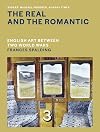
A really interesting overview outlining trends and movements in English art , but with a “jerky” style, as if sections about particular artists or works have been “dropped” into the more unified narrative.
After a brief introduction, setting out Spurling’s vision of the plurality of British visual art in the inter-war period, she sets out trends and movements in twelve chapters.
First are the war memorials and paintings of the Great War created by official war artists, with most of show more these paintings now being displayed in the Imperial War Museum in south London. These memorialise, not glamourise, the horror of industrial war, with bleak landscapes with small human figures of John Nash and Paul Nash. For me, this section summarised the British artistic response to the war shown in the 2018 Tate Britain exhibition, Aftermath, which better illustrated the broadly realistic response of British artists. The most emotive work for me is John Singer Sargent’s Gassed (1919), which monumentalises the soldiers (the canvas is about seven foot by twenty foot), and shows the “pity of war”, even if not the horror of some of the other paintings.
Chapter 2 looks at the British art establishment in the war years and 1920’s, principally the Royal Academy, but also explaining the small influence of the Tate gallery at this time. Illustrations of various artists are included, including Jacob Epstein’s now iconic Rock Drill, Vanessa Bell and Charles Sims (previously unknown to me).
Chapter 3 looks at movement in art, mentioning Sybil Andrews and Cyril Power, whose excellent joint biography by Jenny Uglow I have recently read. There is also mention of Ravilious and significant discussion of Cedric Morris and Frances Hodgkins.
Chapter 4 concentrates on landscapes and places of mind (genius loci, https://en.wikipedia.org/wiki/Genius_loci) including discussion of Ben Nicholson, Eric Ravilious, Paul Nash and John Nash (liked the works of this brother):
More than any other artist, Paul Nash reinvigorated the English landscape tradition in modern terms. (Page 127)
Chapter 5 explores the movement towards more abstract modern art, looking at Work by Wyndham Lewis, Winifred Nicholson and then Ben Nicholson’s slow move from realist to more abstract art. Winifred Knights The Deluge is mentioned here, but just this single work by this artist.
Chapter 6 looks at the art of Stanley Spencer, in particular his work at Sandham Memorial Chapel.
Chapter 7 discusses sculpture and carving, the influences of “primitive”sculpture and “truth to materials”, which started with Gaudier-Brzeska and Brancusi before the First World War, carried on by Epstein, and Hepworth and most importantly Henry Moore after the war.
Chapter 8 discusses the aspiration to “make it new” and real. Spalding does this by citing Ezra Pound’s essays, published in 1934, that evoke “precisely the kind of aesthetic ... a looking backwards, not in a form of yearning for the past, but so as to fortify the next forward move.”
To illustrate this she uses the example of Evelyn Dunbar’s paintings, Winter Garden (1929-37), and A Land Girl and the Bail Bull (1945). Spalding then discusses F L Grigg, whose work seems positively nostalgic for a medieval Catholic past (and so doesn’t appear to be a convincing exemplar). However, she then turns to a number of artists who painted in a more “still” fashion, for me either veering towards a classical revival (Tristram Hillier’s The Lighthouse (1939)) or hyper-realism (Gerald Brockhurst’s By the Hills (1939)). There is then discussion of Gwen John’s portraits of female sitters in the 1920’s. The “primitive” influence of St Ives painter, Alfred Wallis upon Ben Nicholson and Christopher Wood is discussed with a couple of illustrations, emphasising the “painterly lyricism, real feeling and a romantic kick”.
Finally the influence of Cézanne is considered on a number of British artists, with Roger Fry having appreciated in 1906 an artist “whose work fully satisfied his demand for an architectonic sense of underlying design.”
Chapter 9 considers Revivalism quoting Laurence Binyon from 1913 “We cannot discard the past ... we must remould it in the fires of our necessities, we must make it new and our own.”
Algernon Newton took technical inspiration from Canaletto, with works illustrated from 1929 and 1932 that “override time and movement, evoking something similar to T S Eliot’s ‘still point of the turning world’, a place‘where past and future are gathered’.”
Rex Whistler’s mural for the Tate and Eric Ravilious’s watercolours are also discussed.
Chapter 10 is about “Modern Art in a Philistine World”, talking first of a lack of recognition for Picasso’s art from British Museums and the art buying public. It then looks at Christopher Wood’s art, before moving to the Axis magazine which promoted non-figurative art pursued by Ben Nicholson, Barbara Hepworth and, for a time, John Piper.
Chapter 11 looks at how the art movements of abstraction and surrealism were presented to the British public in publications and exhibitions during the 1930’s, together with an appreciation of Herbert Read, Jack & Molly Pritchard, and Roland Penrose.
Chapter 12 reviews political engagement in art in the 1930’s, especially following the Spanish Civil War, including an exhibition of Picasso’s Guernica and the art of Edward Burra. There is also discussion of Walter Sickert’s paintings from the 1930’s based upon photographs in the press.
As is inevitable in an overview of a period such as this, I kept feeling that the analysis of artist’s work was too fleeting, and it was also sometimes difficult to follow an artist’s inclusion in a particular chapter rather than another. This made it an engaging read, and renewed my intention of reading monographs on more of the artists discussed, so I am glad to have read this book. However, although more limited in scope, I found both Sybil and Cyril by Jenny Uglow and Romantic Moderns by Alexandra Harris more satisfying reads.
One of the reasons I find this period fascinating is undoubtedly my not quite conscious, casual familiarity with many of the paintings from wandering around the Tate (now Tate Britain) when younger. show less
After a brief introduction, setting out Spurling’s vision of the plurality of British visual art in the inter-war period, she sets out trends and movements in twelve chapters.
First are the war memorials and paintings of the Great War created by official war artists, with most of show more these paintings now being displayed in the Imperial War Museum in south London. These memorialise, not glamourise, the horror of industrial war, with bleak landscapes with small human figures of John Nash and Paul Nash. For me, this section summarised the British artistic response to the war shown in the 2018 Tate Britain exhibition, Aftermath, which better illustrated the broadly realistic response of British artists. The most emotive work for me is John Singer Sargent’s Gassed (1919), which monumentalises the soldiers (the canvas is about seven foot by twenty foot), and shows the “pity of war”, even if not the horror of some of the other paintings.
Chapter 2 looks at the British art establishment in the war years and 1920’s, principally the Royal Academy, but also explaining the small influence of the Tate gallery at this time. Illustrations of various artists are included, including Jacob Epstein’s now iconic Rock Drill, Vanessa Bell and Charles Sims (previously unknown to me).
Chapter 3 looks at movement in art, mentioning Sybil Andrews and Cyril Power, whose excellent joint biography by Jenny Uglow I have recently read. There is also mention of Ravilious and significant discussion of Cedric Morris and Frances Hodgkins.
Chapter 4 concentrates on landscapes and places of mind (genius loci, https://en.wikipedia.org/wiki/Genius_loci) including discussion of Ben Nicholson, Eric Ravilious, Paul Nash and John Nash (liked the works of this brother):
More than any other artist, Paul Nash reinvigorated the English landscape tradition in modern terms. (Page 127)
Chapter 5 explores the movement towards more abstract modern art, looking at Work by Wyndham Lewis, Winifred Nicholson and then Ben Nicholson’s slow move from realist to more abstract art. Winifred Knights The Deluge is mentioned here, but just this single work by this artist.
Chapter 6 looks at the art of Stanley Spencer, in particular his work at Sandham Memorial Chapel.
Chapter 7 discusses sculpture and carving, the influences of “primitive”sculpture and “truth to materials”, which started with Gaudier-Brzeska and Brancusi before the First World War, carried on by Epstein, and Hepworth and most importantly Henry Moore after the war.
Chapter 8 discusses the aspiration to “make it new” and real. Spalding does this by citing Ezra Pound’s essays, published in 1934, that evoke “precisely the kind of aesthetic ... a looking backwards, not in a form of yearning for the past, but so as to fortify the next forward move.”
To illustrate this she uses the example of Evelyn Dunbar’s paintings, Winter Garden (1929-37), and A Land Girl and the Bail Bull (1945). Spalding then discusses F L Grigg, whose work seems positively nostalgic for a medieval Catholic past (and so doesn’t appear to be a convincing exemplar). However, she then turns to a number of artists who painted in a more “still” fashion, for me either veering towards a classical revival (Tristram Hillier’s The Lighthouse (1939)) or hyper-realism (Gerald Brockhurst’s By the Hills (1939)). There is then discussion of Gwen John’s portraits of female sitters in the 1920’s. The “primitive” influence of St Ives painter, Alfred Wallis upon Ben Nicholson and Christopher Wood is discussed with a couple of illustrations, emphasising the “painterly lyricism, real feeling and a romantic kick”.
Finally the influence of Cézanne is considered on a number of British artists, with Roger Fry having appreciated in 1906 an artist “whose work fully satisfied his demand for an architectonic sense of underlying design.”
Chapter 9 considers Revivalism quoting Laurence Binyon from 1913 “We cannot discard the past ... we must remould it in the fires of our necessities, we must make it new and our own.”
Algernon Newton took technical inspiration from Canaletto, with works illustrated from 1929 and 1932 that “override time and movement, evoking something similar to T S Eliot’s ‘still point of the turning world’, a place‘where past and future are gathered’.”
Rex Whistler’s mural for the Tate and Eric Ravilious’s watercolours are also discussed.
Chapter 10 is about “Modern Art in a Philistine World”, talking first of a lack of recognition for Picasso’s art from British Museums and the art buying public. It then looks at Christopher Wood’s art, before moving to the Axis magazine which promoted non-figurative art pursued by Ben Nicholson, Barbara Hepworth and, for a time, John Piper.
Chapter 11 looks at how the art movements of abstraction and surrealism were presented to the British public in publications and exhibitions during the 1930’s, together with an appreciation of Herbert Read, Jack & Molly Pritchard, and Roland Penrose.
Chapter 12 reviews political engagement in art in the 1930’s, especially following the Spanish Civil War, including an exhibition of Picasso’s Guernica and the art of Edward Burra. There is also discussion of Walter Sickert’s paintings from the 1930’s based upon photographs in the press.
As is inevitable in an overview of a period such as this, I kept feeling that the analysis of artist’s work was too fleeting, and it was also sometimes difficult to follow an artist’s inclusion in a particular chapter rather than another. This made it an engaging read, and renewed my intention of reading monographs on more of the artists discussed, so I am glad to have read this book. However, although more limited in scope, I found both Sybil and Cyril by Jenny Uglow and Romantic Moderns by Alexandra Harris more satisfying reads.
One of the reasons I find this period fascinating is undoubtedly my not quite conscious, casual familiarity with many of the paintings from wandering around the Tate (now Tate Britain) when younger. show less
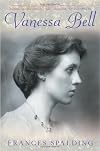
A fine biography that truly fleshed out a Bloomsbury hardy who I knew relatively little about beyond being Virginia Woolf’s sister, and participating in a complicated triangular love relationship, and of course the co-creator of Charleston. This biography fills out the capacity she had for friendship, for relationships generally, her strength and her vulnerability, openness and insularity. On some levels she and Virginia were almost like oil and water, but a better metaphor is probably oil show more and vinegar – which are separate and yet complement each other perfectly. Neither could have survived well without the other at times in their lives, although of course Vanessa had to live without Virginia ultimately, but by then having lost a son, she had hardened herself. show less
Lists
You May Also Like


Associated Authors
Statistics
- Works
- 38
- Also by
- 7
- Members
- 1,127
- Popularity
- #22,789
- Rating
- 3.9
- Reviews
- 17
- ISBNs
- 67
- Languages
- 2
- Favorited
- 1