
Katherine Arden
Author of The Bear and the Nightingale
About the Author
Katherine Arden is an American writer, born in Austin, Texas. She graduated from Middlebury College in 2011 with degrees in French and Russian. Before becoming a writer, she worked on a farm in Hawaii and as a teaching assistant at a boarding school in the French Alps. Her first book was published show more in 2017, The Bear and the Nightingale. Her other books include The Girl in the Tower, The Winter of the Witch, and Small Spaces. show less
Series
Works by Katherine Arden
Associated Works
The Secret Romantic's Book of Magic: Twelve Spellbinding Romantasy Stories (2025) — Contributor — 36 copies, 1 review
Tagged
Common Knowledge
- Other names
- Burdine, Katherine Arden
- Birthdate
- 1987-10-22
- Gender
- female
- Education
- Middlebury College
- Occupations
- writer
teaching assistant - Agent
- Paul Lucas
- Short biography
- Born in Austin, Texas, Katherine Arden spent her junior year of high school in Rennes, France.
Following her acceptance to Middlebury College in Vermont, she deferred enrolment for a year in order to live and study in Moscow. At Middlebury, she specialized in French and Russian literature.
After receiving her BA, she moved to Maui, Hawaii, working every kind of odd job imaginable, from grant writing and making crêpes to serving as a personal tour guide. After a year on the island, she moved to Briançon, France, and spent nine months teaching. She then returned to Maui, stayed for nearly a year, then left again to wander. Currently she lives in Vermont, but really, you never know.
She is the author of The Bear and the Nightingale. - Nationality
- USA
- Birthplace
- Austin, Texas, USA
- Places of residence
- Moscow, Russia
Vermont, USA
French Alps - Associated Place (for map)
- USA
Members
Discussions
Small spaces by Katherine Arden in Thing(amabrarian)s That Go Bump in the Night (December 2025)
Small spaces by Katherine Arden in Book talk (December 2025)
Reviews
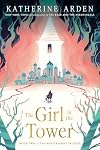
After having read The Bear and the Nightingale - the first book of the Winternight trilogy, I was eager to get my hands on this second installment of the trilogy. In the first book, we were introduced to Vasya, a fearless, bold and fiercely independent young maiden who had inherited her grandmother's sensitivity to the ancient creatures of folklore. She was facing the fate of so many medieval Russ maidens - either accept betrothal or enter the convent - lest she become a burden on her show more family's resources. Neither option appealed and off into the world she rode, dressed as a young lad, sitting atop her otherworldly steed, Solovey. Thus ended book I.
In this second installment, we find our cross-dressing maid, wandering the earth, living by her wits, seeking adventure with Solovey. Not just once, Morozko, the Winterking (or Jack Frost as many know him), has come to her aid and delivered Vasya from certain death. At one point Vasya and Solovey, after having been pursued by bandits, happen upon a burned out village. The survivors tell tale of a marauding band of Tatars who kidnapped three of their village's young girls. Vasya vows to try and help...and the saga continues.
I loved the first book and was captivated by the second. The strength of this young maid in the face of adversity, calling upon the ancients spirits for aid and delivering her enemies to the Grim Reaper, turns the tables on all the male dominated fairy-tale literature. Arden's writing paints a rich picture of medieval Russland and Muscovy. One feels the penetrating cold of this tundra landscape as much as that of the stare of an icy opponent. And what about that amazing stallion, Solovey, who understands and conveys to Vasya his cautioning thoughts?
This is a great epic tale which I wholeheartedly commend to lovers of great adventures and rich fairytales. show less
In this second installment, we find our cross-dressing maid, wandering the earth, living by her wits, seeking adventure with Solovey. Not just once, Morozko, the Winterking (or Jack Frost as many know him), has come to her aid and delivered Vasya from certain death. At one point Vasya and Solovey, after having been pursued by bandits, happen upon a burned out village. The survivors tell tale of a marauding band of Tatars who kidnapped three of their village's young girls. Vasya vows to try and help...and the saga continues.
I loved the first book and was captivated by the second. The strength of this young maid in the face of adversity, calling upon the ancients spirits for aid and delivering her enemies to the Grim Reaper, turns the tables on all the male dominated fairy-tale literature. Arden's writing paints a rich picture of medieval Russland and Muscovy. One feels the penetrating cold of this tundra landscape as much as that of the stare of an icy opponent. And what about that amazing stallion, Solovey, who understands and conveys to Vasya his cautioning thoughts?
This is a great epic tale which I wholeheartedly commend to lovers of great adventures and rich fairytales. show less
Originally posted on Tales to Tide You Over
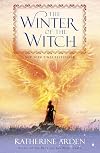
I have enjoyed this series from the start because it sweeps you away into the time of Russia’s transition between old religions and new with all the conflicts and difficulties that involves. Arden brings the chyerti, old peoples, to life while balancing questions of faith, magic, and personhood in a grand adventure with both darkness and amazing discovery. It encompasses a world between times and a battle much bigger than all but a few could show more realize.
The Winter of the Witch is no exception. It is the perfect culmination of what came before and offers both a harder road and a better solution than I anticipated, leaving me with regrets only because it is the final book in the series. For those of you who wait until a series is complete, now’s your chance to explore a culturally enthralling tale with deep questions to ponder. I cling to a slight hope, though, of a companion novel as Vasya has more adventures ahead of her.
This book contains two intertwined arcs, but the first ends long before the book does. It could have made for a satisfying conclusion all on its own, but when the second arc takes command of the book, it brings the story to a stronger, deeper end stretching all the way back to The Bear and the Nightingale.
The story centers on Vasya as did the previous ones, but she is much more than the wild girl she begins the series as or the witch the Muscovites believe her to be. The chyerti know. They see her potential even when she’s blind to it, but she’s not so blind that she refuses to see when the world depends on her waking up to her role.
Nor is she the only complex character. Whether human or not, the characters live by their own rules, beliefs, and expectations. Some are ghosts, others mushrooms, but they have their own lives. Seeing Vasya navigate between them and her own expectations is fascinating. Her efforts don’t come without a cost though, and sometimes she’s not the one called to pay it. This is a novel where actions have consequences. Power does not equal blamelessness with the cost in madness or regret at the very least.
There are many powerful moments in the book, often around the complexity of the characters, whether it’s the mad priest revealing his doubts and grief in art capable of swaying the Bear, or the gift Vasya gives to Morozko, the Winter King, and what he offers her in the end.
The narrative is one of learning and growing in acceptance. It clashes with both devil stories, and the purity of those who follow the new god and cast down the old. It raises questions about those rules that come from humanity not divine and yet are enforced as though from a greater source. This is not a binary world but one that recognizes good and evil in all things with none innately one or the other. Everything has the ability to choose between the two. It’s beautiful and far from easy as the characters struggle with that ability when circumstances pull them to one side or the other. There’s the same uneasy relationship between old and new traditions with some able to recognize it while others attempt to paint their opponents on either side as evil and never look further.
It’s not just the message that draws me though. The events work out through careful seeding, sometimes allowing me to predict and other times surprising me but in an “of course” sort of way. This speaks to the immersion where the logic of the world is so stable it avoids the easy solution for the right one and makes that choice real to the reader as much as the characters.
Reading the afterword, it’s fascinating to see how Arden blended actual events into the story so seamlessly. This feels like the real answer to questions still being debated by historians. I’m glad I didn’t know the history beforehand because anticipation, good and bad, would have stripped away some of the tension.
Also, since I noted the issues with many POVs in my last review, I need to say Arden similarly uses many perspectives, but they work to tie the different happenings together, building the web in which they’re all entangled, rather than abandoning the other characters.
The book brought me to tears, both of joy and loss. It’s not a simple, or comfortable, read, but that’s only true because the characters came to life and made their grief or wonder my own. I’ll miss the time I spent in this Russia, but I leave it satisfied both in the story and the state the characters have achieved.
P.S. I received this copy from the publisher through NetGalley in return for an honest review. show less
I have enjoyed this series from the start because it sweeps you away into the time of Russia’s transition between old religions and new with all the conflicts and difficulties that involves. Arden brings the chyerti, old peoples, to life while balancing questions of faith, magic, and personhood in a grand adventure with both darkness and amazing discovery. It encompasses a world between times and a battle much bigger than all but a few could show more realize.
The Winter of the Witch is no exception. It is the perfect culmination of what came before and offers both a harder road and a better solution than I anticipated, leaving me with regrets only because it is the final book in the series. For those of you who wait until a series is complete, now’s your chance to explore a culturally enthralling tale with deep questions to ponder. I cling to a slight hope, though, of a companion novel as Vasya has more adventures ahead of her.
This book contains two intertwined arcs, but the first ends long before the book does. It could have made for a satisfying conclusion all on its own, but when the second arc takes command of the book, it brings the story to a stronger, deeper end stretching all the way back to The Bear and the Nightingale.
The story centers on Vasya as did the previous ones, but she is much more than the wild girl she begins the series as or the witch the Muscovites believe her to be. The chyerti know. They see her potential even when she’s blind to it, but she’s not so blind that she refuses to see when the world depends on her waking up to her role.
Nor is she the only complex character. Whether human or not, the characters live by their own rules, beliefs, and expectations. Some are ghosts, others mushrooms, but they have their own lives. Seeing Vasya navigate between them and her own expectations is fascinating. Her efforts don’t come without a cost though, and sometimes she’s not the one called to pay it. This is a novel where actions have consequences. Power does not equal blamelessness with the cost in madness or regret at the very least.
There are many powerful moments in the book, often around the complexity of the characters, whether it’s the mad priest revealing his doubts and grief in art capable of swaying the Bear, or the gift Vasya gives to Morozko, the Winter King, and what he offers her in the end.
The narrative is one of learning and growing in acceptance. It clashes with both devil stories, and the purity of those who follow the new god and cast down the old. It raises questions about those rules that come from humanity not divine and yet are enforced as though from a greater source. This is not a binary world but one that recognizes good and evil in all things with none innately one or the other. Everything has the ability to choose between the two. It’s beautiful and far from easy as the characters struggle with that ability when circumstances pull them to one side or the other. There’s the same uneasy relationship between old and new traditions with some able to recognize it while others attempt to paint their opponents on either side as evil and never look further.
It’s not just the message that draws me though. The events work out through careful seeding, sometimes allowing me to predict and other times surprising me but in an “of course” sort of way. This speaks to the immersion where the logic of the world is so stable it avoids the easy solution for the right one and makes that choice real to the reader as much as the characters.
Reading the afterword, it’s fascinating to see how Arden blended actual events into the story so seamlessly. This feels like the real answer to questions still being debated by historians. I’m glad I didn’t know the history beforehand because anticipation, good and bad, would have stripped away some of the tension.
Also, since I noted the issues with many POVs in my last review, I need to say Arden similarly uses many perspectives, but they work to tie the different happenings together, building the web in which they’re all entangled, rather than abandoning the other characters.
The book brought me to tears, both of joy and loss. It’s not a simple, or comfortable, read, but that’s only true because the characters came to life and made their grief or wonder my own. I’ll miss the time I spent in this Russia, but I leave it satisfied both in the story and the state the characters have achieved.
P.S. I received this copy from the publisher through NetGalley in return for an honest review. show less

Blending Russian fairy tales and modern concepts, The Bear and The Nightingale transports the reader to the dark forests and hearths of medieval Rus’ where spirits both great and small still linger. Though slow to start, this atmospheric book lays bare the weaknesses of people everywhere – that fear can consume us and our worst demons rule us.
In the northern region of medieval Rus’ winter’s cold stretches for most of the year. Into this unrelenting landscape is born Vasilisa, the show more last daughter of Pyotr Vladimirovich and his first wife Marina. When Marina passes away during child birth, the raising of Vasya falls to their mother’s old nursemaid and her older siblings.
Without her mother to rein her in, Vasya grows up wild and head strong – more likely to be found out roaming the forest than attending to her mending. Having inherited the gifts of her grandmother, she can see and hear what others cannot. All around her people are spirits of the house who protect them in exchange for gifts of crust or milk. In the forest live their more dangerous brethren who might confuse a travel into wandering the forest lost until they die or drown them in a pool to feed off their fear. Vasya speaks to them and knows them all.
Unable to control his youngest child and eager to seek a match for his eldest daughter, Pyotr travels to Moscow. When he returns with a devout and fearful second wife, Vasya’s carefree childhood comes to an abrupt end. Seeing evil everywhere in the remote settlement, Vasya’s stepmother Anna grows harsher and harsher when dealing with her wayward stepdaughter.
Into this comes Konstantin, a charismatic and plagued priest who is determined to make the inhabitants of the remote settlement fearful of god. Believing Vasya is willingly tempting him from his vows and falling prey to the whispers of an impostor deity, Konstantin feeds the flames of Anna’s fears. Together they forbid the following of the old ways and so starve out the helpful household spirits that Vasya has come to realize only she can see. With the weakening of the spirits comes the faltering of the defenses the settlement unknowingly relies on, and so starts the beginning of their struggles.
Facing cold, starvation, and death, Vasya must defy her family and their way of life in order to protect them all. In the face of this hatred and rejected by her own people, Vasya maintains integrity and bravery in the face of terrifying ordeals that would cower grown adults. A strong and vibrant girl, she refuses to bow to the conventions of her time and be limited by a traditionally defined woman’s role.
Despite a slow beginning which focuses on the origins of Vasya, her family, and the culture and political climate of medieval Rus’, once this book gets going it roars to the end. Stick with it, you won’t regret it.
[Crossposted from https://allusoryreviews.wordpress.com] show less
In the northern region of medieval Rus’ winter’s cold stretches for most of the year. Into this unrelenting landscape is born Vasilisa, the show more last daughter of Pyotr Vladimirovich and his first wife Marina. When Marina passes away during child birth, the raising of Vasya falls to their mother’s old nursemaid and her older siblings.
Without her mother to rein her in, Vasya grows up wild and head strong – more likely to be found out roaming the forest than attending to her mending. Having inherited the gifts of her grandmother, she can see and hear what others cannot. All around her people are spirits of the house who protect them in exchange for gifts of crust or milk. In the forest live their more dangerous brethren who might confuse a travel into wandering the forest lost until they die or drown them in a pool to feed off their fear. Vasya speaks to them and knows them all.
Unable to control his youngest child and eager to seek a match for his eldest daughter, Pyotr travels to Moscow. When he returns with a devout and fearful second wife, Vasya’s carefree childhood comes to an abrupt end. Seeing evil everywhere in the remote settlement, Vasya’s stepmother Anna grows harsher and harsher when dealing with her wayward stepdaughter.
Into this comes Konstantin, a charismatic and plagued priest who is determined to make the inhabitants of the remote settlement fearful of god. Believing Vasya is willingly tempting him from his vows and falling prey to the whispers of an impostor deity, Konstantin feeds the flames of Anna’s fears. Together they forbid the following of the old ways and so starve out the helpful household spirits that Vasya has come to realize only she can see. With the weakening of the spirits comes the faltering of the defenses the settlement unknowingly relies on, and so starts the beginning of their struggles.
Facing cold, starvation, and death, Vasya must defy her family and their way of life in order to protect them all. In the face of this hatred and rejected by her own people, Vasya maintains integrity and bravery in the face of terrifying ordeals that would cower grown adults. A strong and vibrant girl, she refuses to bow to the conventions of her time and be limited by a traditionally defined woman’s role.
Despite a slow beginning which focuses on the origins of Vasya, her family, and the culture and political climate of medieval Rus’, once this book gets going it roars to the end. Stick with it, you won’t regret it.
[Crossposted from https://allusoryreviews.wordpress.com] show less
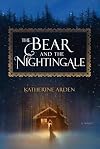
Summary:A magical debut novel for readers of Naomi Novik’s Uprooted, Erin Morgenstern’s The Night Circus, and Neil Gaiman’s myth-rich fantasies, The Bear and the Nightingale spins an irresistible spell as it announces the arrival of a singular talent with a gorgeous voice.
At the edge of the Russian wilderness, winter lasts most of the year and the snowdrifts grow taller than houses. But Vasilisa doesn’t mind—she spends the winter nights huddled around the embers of a fire with her show more beloved siblings, listening to her nurse’s fairy tales. Above all, she loves the chilling story of Frost, the blue-eyed winter demon, who appears in the frigid night to claim unwary souls. Wise Russians fear him, her nurse says, and honor the spirits of house and yard and forest that protect their homes from evil.
After Vasilisa’s mother dies, her father goes to Moscow and brings home a new wife. Fiercely devout, city-bred, Vasilisa’s new stepmother forbids her family from honoring the household spirits. The family acquiesces, but Vasilisa is frightened, sensing that more hinges upon their rituals than anyone knows.
And indeed, crops begin to fail, evil creatures of the forest creep nearer, and misfortune stalks the village. All the while, Vasilisa’s stepmother grows ever harsher in her determination to groom her rebellious stepdaughter for either marriage or confinement in a convent.
As danger circles nearer, Vasilisa must defy even the people she loves and call on dangerous gifts she has long concealed—this, in order to protect her family from a threat that seems to have stepped from her nurse’s most frightening tales.
I received this book through the publisher via Netgalley. It is not being released until January 2017.
The Bear and the Nightingale is one of my favorite books of the year. It is magical and cozy and utterly perfect. Arden evokes numerous Russian folktales about the spirits of hearth and forest and brings those beings into direct confrontation with Christianity. Russia itself figures as a setting and a character; this is a book that will make you feel the intense, deadly cold of a Russian winter—with the undead on the prowl.
Vasya is the heroine, a girl who carries on the magical legacy of her mother by being able to communicate with the spirits around her. The immediately evokes some tropes—you know that the village will likely come after her with torches and pitchforks—but the book still engages and surprises. Vasya is fantastic and strong, a young woman who will never be content to idle at home and bear sons. I loved her all the more when she formed a special bond with horses. FYI: magical horses come into play. I was reading this on a plane and I had to resist the girlish urge to squeal in joy.
Let me make clear, though, that this isn't a novel that is all light fairytales and enchanted horses. No, this book gets DARK. Like I mentioned earlier, the undead are roaming about in the thick of winter. It's intense, horrific at times, but it doesn't dwell there long because Vasya is in control of her own fate. She won't let her own story dwell in the darkness.
One of my other favorite books this year was The Queen of Blood by Sara Beth Durst. If you love that book, do yourself a great kindness and get The Bear and the Nightingale. They both feature brilliant, fresh takes with magic, blood, and powerful women. show less
At the edge of the Russian wilderness, winter lasts most of the year and the snowdrifts grow taller than houses. But Vasilisa doesn’t mind—she spends the winter nights huddled around the embers of a fire with her show more beloved siblings, listening to her nurse’s fairy tales. Above all, she loves the chilling story of Frost, the blue-eyed winter demon, who appears in the frigid night to claim unwary souls. Wise Russians fear him, her nurse says, and honor the spirits of house and yard and forest that protect their homes from evil.
After Vasilisa’s mother dies, her father goes to Moscow and brings home a new wife. Fiercely devout, city-bred, Vasilisa’s new stepmother forbids her family from honoring the household spirits. The family acquiesces, but Vasilisa is frightened, sensing that more hinges upon their rituals than anyone knows.
And indeed, crops begin to fail, evil creatures of the forest creep nearer, and misfortune stalks the village. All the while, Vasilisa’s stepmother grows ever harsher in her determination to groom her rebellious stepdaughter for either marriage or confinement in a convent.
As danger circles nearer, Vasilisa must defy even the people she loves and call on dangerous gifts she has long concealed—this, in order to protect her family from a threat that seems to have stepped from her nurse’s most frightening tales.
I received this book through the publisher via Netgalley. It is not being released until January 2017.
The Bear and the Nightingale is one of my favorite books of the year. It is magical and cozy and utterly perfect. Arden evokes numerous Russian folktales about the spirits of hearth and forest and brings those beings into direct confrontation with Christianity. Russia itself figures as a setting and a character; this is a book that will make you feel the intense, deadly cold of a Russian winter—with the undead on the prowl.
Vasya is the heroine, a girl who carries on the magical legacy of her mother by being able to communicate with the spirits around her. The immediately evokes some tropes—you know that the village will likely come after her with torches and pitchforks—but the book still engages and surprises. Vasya is fantastic and strong, a young woman who will never be content to idle at home and bear sons. I loved her all the more when she formed a special bond with horses. FYI: magical horses come into play. I was reading this on a plane and I had to resist the girlish urge to squeal in joy.
Let me make clear, though, that this isn't a novel that is all light fairytales and enchanted horses. No, this book gets DARK. Like I mentioned earlier, the undead are roaming about in the thick of winter. It's intense, horrific at times, but it doesn't dwell there long because Vasya is in control of her own fate. She won't let her own story dwell in the darkness.
One of my other favorite books this year was The Queen of Blood by Sara Beth Durst. If you love that book, do yourself a great kindness and get The Bear and the Nightingale. They both feature brilliant, fresh takes with magic, blood, and powerful women. show less
Lists
Gateway Horror (4)
At the Library (1)
BookTok Adult (1)
To Read (1)
Five star books (1)
First Novels (1)
Overdue Podcast (1)
Witch Hunts (1)
2010s (4)
Female Author (3)
Ghosts (3)
Winter Books (1)
Summer Reading (1)
READ in 2024 (1)
Awards


You May Also Like


Associated Authors
Statistics
- Works
- 15
- Also by
- 2
- Members
- 14,409
- Popularity
- #1,590
- Rating
- 4.1
- Reviews
- 733
- ISBNs
- 192
- Languages
- 12
- Favorited
- 13
