
Susan Barker (1) (1978–)
Author of The Incarnations
For other authors named Susan Barker, see the disambiguation page.
About the Author
Susan Barker was born in 1978 to a Malaysian mother and an English father. Her first novel, Sayonara Bar was shortlisted for the Author's Club First Novel prize and longlisted for the Dylan Thomas Prize
Works by Susan Barker
Tagged
Common Knowledge
- Birthdate
- 1978
- Gender
- female
- Education
- Leeds University (philosophy)
Manchester University (creative writing) - Nationality
- UK
- Birthplace
- London, England, UK
- Places of residence
- Japan
Beijing, China
Manchester, England, UK - Map Location
- England, UK
Members
Reviews
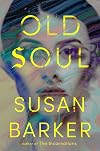
Susan Barker’s Old Soul is a novel that transcends traditional horror conventions, weaving an intricate tapestry of psychological depth, historical resonance, and existential inquiry. A work that melds elements of literary horror, thriller, and speculative fiction, Barker crafts a narrative that is both intellectually stimulating and profoundly unsettling. With a meticulous blend of historical research and deft storytelling, Old Soul is a novel that compels readers to confront the very show more nature of identity, power, and fate.
Barker, best known for The Incarnations, a novel that explored reincarnation across centuries of Chinese history, once again constructs a story that delves deeply into temporal and existential themes. Old Soul took her eight years to complete, a testament to her dedication to research and narrative complexity. In an interview, she acknowledged her unconventional writing approach: “I tend not to plot in advance. The eight years it took me to write Old Soul could be a cautionary tale about this approach.” This organic method of storytelling allows for a rich, layered structure that unfolds in a non-linear, immersive fashion.
Barker also bucks typical horror genre conventions by making her central antagonist a woman. “Most monsters in horror are male, and the female characters are either tormented victims or the plucky final girl,” she notes. “Centering the story around a female monster subverts all the norms.” This subversion allows for a nuanced examination of female agency and power, challenging traditional horror archetypes.
The novel follows Jake, a middle-aged teacher haunted by the inexplicable death of his best friend. When he meets Mariko, a woman with a strikingly similar loss, they uncover a connection to an enigmatic woman—an entity who has existed for centuries, preying upon her victims in a way that transcends conventional mortality. This figure, who goes by various names and identities, does not simply kill; she alters reality itself, leaving behind victims whose internal organs have been reversed in a disturbing, unnatural transformation.
Jake embarks on a journey to unravel the mystery, traveling across continents and through layers of testimony from those who have survived encounters with the Old Soul. Meanwhile, the entity herself continues her predatory cycle, preparing for her next victim. The interplay between Jake’s search and the woman’s inexorable pursuit of sustenance creates an atmosphere of relentless tension.
Barker’s Old Soul is a sophisticated examination of memory, agency, and existential dread. Her treatment of history as something that actively shapes the present is central to the novel’s structure. She observes, “Looking back at the past is like looking through a kaleidoscope.” This perspective underscores a thematic concern with the fluidity of identity and the subjective nature of memory.
The novel also raises compelling questions about power and control. The Old Soul, as an antagonist, is both terrifying and captivating—not merely a force of destruction, but a figure shaped by history and survival. Barker remarks, “She’s only out for herself, and many of her victims are vulnerable girls and women who she robs of agency to secure her own.” This speaks to a broader commentary on exploitation and autonomy, blurring the lines between predator and victim.
Additionally, Old Soul engages with elements of cosmic horror. The entity’s ability to manipulate physical and metaphysical realities ties into Barker’s fascination with the fourth dimension. “The fourth dimension has always fascinated me,” she states, reflecting on how the concept has informed her writing since her debut novel. This existential horror—where free will is questioned and higher-dimensional forces manipulate human lives—adds another layer of complexity to the narrative.
Barker’s prose is deliberate, evocative, and unsettling. Unlike conventional horror that relies on overt shocks, she builds dread gradually, allowing tension to accumulate through psychological unease and philosophical contemplation. “I like writing in the area of terror,” she explains, referring to the slow-burn fear that permeates the novel.
The novel’s structure—alternating between testimonies from survivors and the present-day pursuit of the Old Soul—creates a documentary-like effect. The fragmented narratives contribute to the theme of subjective memory and the unknowability of truth. This technique, while demanding of the reader, ultimately enriches the novel’s depth.
Strengths:
Atmosphere and Psychological Depth: Barker crafts a deeply immersive world where horror is as much an internal experience as an external threat.
Subversion of Horror Tropes: The decision to center the narrative around a female predator offers a fresh and compelling perspective.
Philosophical Undertones: The novel provokes thought about the nature of existence, memory, and agency, elevating it beyond traditional horror.
Multi-Narrative Complexity: The use of testimonials creates a layered, almost investigative feel, drawing the reader deeper into the mystery.
Critiques:
A Slow-Burning Narrative: While not a problem for this reader, some may find the slow burn nature of the novel trying.
Ambiguous Conclusion: The ending resists easy interpretation, which, while intellectually satisfying, may leave some readers seeking more resolution.
Old Soul is a masterfully constructed novel that lingers on the mind. Susan Barker has created a work that not only chills but challenges, compelling readers to question the nature of reality, identity, and moral ambiguity. It is a novel that demands engagement, rewarding those who appreciate horror that operates on both a visceral and intellectual level. show less
Barker, best known for The Incarnations, a novel that explored reincarnation across centuries of Chinese history, once again constructs a story that delves deeply into temporal and existential themes. Old Soul took her eight years to complete, a testament to her dedication to research and narrative complexity. In an interview, she acknowledged her unconventional writing approach: “I tend not to plot in advance. The eight years it took me to write Old Soul could be a cautionary tale about this approach.” This organic method of storytelling allows for a rich, layered structure that unfolds in a non-linear, immersive fashion.
Barker also bucks typical horror genre conventions by making her central antagonist a woman. “Most monsters in horror are male, and the female characters are either tormented victims or the plucky final girl,” she notes. “Centering the story around a female monster subverts all the norms.” This subversion allows for a nuanced examination of female agency and power, challenging traditional horror archetypes.
The novel follows Jake, a middle-aged teacher haunted by the inexplicable death of his best friend. When he meets Mariko, a woman with a strikingly similar loss, they uncover a connection to an enigmatic woman—an entity who has existed for centuries, preying upon her victims in a way that transcends conventional mortality. This figure, who goes by various names and identities, does not simply kill; she alters reality itself, leaving behind victims whose internal organs have been reversed in a disturbing, unnatural transformation.
Jake embarks on a journey to unravel the mystery, traveling across continents and through layers of testimony from those who have survived encounters with the Old Soul. Meanwhile, the entity herself continues her predatory cycle, preparing for her next victim. The interplay between Jake’s search and the woman’s inexorable pursuit of sustenance creates an atmosphere of relentless tension.
Barker’s Old Soul is a sophisticated examination of memory, agency, and existential dread. Her treatment of history as something that actively shapes the present is central to the novel’s structure. She observes, “Looking back at the past is like looking through a kaleidoscope.” This perspective underscores a thematic concern with the fluidity of identity and the subjective nature of memory.
The novel also raises compelling questions about power and control. The Old Soul, as an antagonist, is both terrifying and captivating—not merely a force of destruction, but a figure shaped by history and survival. Barker remarks, “She’s only out for herself, and many of her victims are vulnerable girls and women who she robs of agency to secure her own.” This speaks to a broader commentary on exploitation and autonomy, blurring the lines between predator and victim.
Additionally, Old Soul engages with elements of cosmic horror. The entity’s ability to manipulate physical and metaphysical realities ties into Barker’s fascination with the fourth dimension. “The fourth dimension has always fascinated me,” she states, reflecting on how the concept has informed her writing since her debut novel. This existential horror—where free will is questioned and higher-dimensional forces manipulate human lives—adds another layer of complexity to the narrative.
Barker’s prose is deliberate, evocative, and unsettling. Unlike conventional horror that relies on overt shocks, she builds dread gradually, allowing tension to accumulate through psychological unease and philosophical contemplation. “I like writing in the area of terror,” she explains, referring to the slow-burn fear that permeates the novel.
The novel’s structure—alternating between testimonies from survivors and the present-day pursuit of the Old Soul—creates a documentary-like effect. The fragmented narratives contribute to the theme of subjective memory and the unknowability of truth. This technique, while demanding of the reader, ultimately enriches the novel’s depth.
Strengths:
Atmosphere and Psychological Depth: Barker crafts a deeply immersive world where horror is as much an internal experience as an external threat.
Subversion of Horror Tropes: The decision to center the narrative around a female predator offers a fresh and compelling perspective.
Philosophical Undertones: The novel provokes thought about the nature of existence, memory, and agency, elevating it beyond traditional horror.
Multi-Narrative Complexity: The use of testimonials creates a layered, almost investigative feel, drawing the reader deeper into the mystery.
Critiques:
A Slow-Burning Narrative: While not a problem for this reader, some may find the slow burn nature of the novel trying.
Ambiguous Conclusion: The ending resists easy interpretation, which, while intellectually satisfying, may leave some readers seeking more resolution.
Old Soul is a masterfully constructed novel that lingers on the mind. Susan Barker has created a work that not only chills but challenges, compelling readers to question the nature of reality, identity, and moral ambiguity. It is a novel that demands engagement, rewarding those who appreciate horror that operates on both a visceral and intellectual level. show less
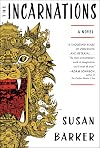
This book is a series of love stories woven together as an epistolary novel with Chinese history as the backdrop. But not the rise of a nation type of history, but the repetition of unbearable cruelty and loneliness and despair. It is also a political history of sorts. Old forms of slavery evolve into new forms of slavery. The kind of negative freedom we enjoy in the west -- freedom from shackles -- has modern equivalents. In how we treat sexual sub-cultures, in how we abuse children, and show more most certainly in how we enslave women to this day. The landscapes in this novel are smoky, polluted, damp, and mosquito-infested. The passion is intense. The betrayal unnerving. When you pick up this novel get ready for a roller coaster of passion and flat out terror. Even some great gallows humour. show less
Having seen a couple of comparisons to David Mitchell, I cannot say I agree with that. Yes, the storytelling goes back & forth in time, concerning souls that are destined to meet again & again, lifetime after lifetime. The style is very different from Mitchell's (Mitchell being more literary) & more depressing. While Mitchell's characters meet in different lifetimes, there's at least some love, some hope. The Incarnations has little hope & the reality for the characters is lifetime after show more lifetime of brutality, horror, depression, & insanity.
It's a good book, but not for the faint of heart. (Trigger warnings for about everything bad you can imagine....) I am also glad I read it quickly. If I had put it down often, I think it might have been easy to stop & not tread there again, especially during one of the many horrific incidents (often intricately described) in the novel. Maybe living through (or dying because of) horrors repeatedly is how reincarnation is supposed to go; however, as a reader, it's hard to see that there's no real improvement in the lives/fates of the intertwined characters time & time again, no lessons learned, no betterment. I did like finding out who the "current" incarnation is & the small twist at the end of the book.
Good. But hard to read. show less
It's a good book, but not for the faint of heart. (Trigger warnings for about everything bad you can imagine....) I am also glad I read it quickly. If I had put it down often, I think it might have been easy to stop & not tread there again, especially during one of the many horrific incidents (often intricately described) in the novel. Maybe living through (or dying because of) horrors repeatedly is how reincarnation is supposed to go; however, as a reader, it's hard to see that there's no real improvement in the lives/fates of the intertwined characters time & time again, no lessons learned, no betterment. I did like finding out who the "current" incarnation is & the small twist at the end of the book.
Good. But hard to read. show less
Not all monstrous immortals in literature conform to the trope of the sharp-toothed, bloodsucking vampire. The female protagonist of Susan Barker’s Old Soul is a case in point. Born (or resurrected) in the 18th century, the “old soul” of the title lives on at the bidding of a demonic entity called the Tyrant, for whom she procures sacrificial victims in return for a new lease of life. She goes by many names – Vera, Eva, Marion, Katherina – but perhaps the title which suits her best show more is “the woman”, at once anonymous and universal, suggesting her shadowy, elusive character. Around this figure, Barker builds a novel which combines elements of supernatural/Gothic/cosmic horror and crime/mystery fiction with a “literary” edge.
The novel starts enigmatically, with a brief introductory chapter featuring a dialogue between two lovers, whose significance will only become evident later in the book. The main body of the novel is made up of two narrative strands. The segments titled “Testimonies” follow Jake as he investigates the mysterious circumstances surrounding the death of his close friend Lena, and particularly the figure of a beguiling thirty-something photographer who insinuated herself into Lena’s life before Lena’s sudden descent into madness. Jake has a serendipitous (is it?) encounter at Osaka airport with a woman called Mariko, whose twin brother also died in similar circumstances. Jake pursues the pointers provided by Mariko and meets other acquaintances of the enigmatic woman’s victims. Their chilling stories are presented in the “Testimonies” chapters.
These segments alternate with the chapters entitled “Badlands”, in which the focus is on the immortal as she leads her latest victim to her sacrifice while desperately battling the decomposition process eating her from within. The two storylines eventually combine in the fast-paced finale.
Barker has an impeccable control over narrative pace. This work is far from being a “thrills-only” novel. We get insights into the tragic characters, particularly the protagonist herself who, while inspiring revulsion, still manages to elicit some sympathy from the reader – always a challenging feat to bring off. Yet, this never slows down the momentum of the narrative, which doesn’t up.
Some readers have favourably compared Old Soul to Barker’s earlier novel The Incarnations – which I need to look up and read. Its structure and basic premise reminded me of two other books I read and enjoyed – Sarah Perry’s Melmoth (based, in turn, on Maturin’s Gothic classic) and Marc Joan’s Hangdog Souls (also highly recommended, by the way). But it also hearkens back to the Gothic classics of yore with their merger of literary and genre elements. Under its slick, contemporary voice, this novel, much like its protagonist, hides an “old soul” and is so much the better for it.
https://endsoftheword.blogspot.com/2025/02/old-soul-by-susan-barker.html show less
The novel starts enigmatically, with a brief introductory chapter featuring a dialogue between two lovers, whose significance will only become evident later in the book. The main body of the novel is made up of two narrative strands. The segments titled “Testimonies” follow Jake as he investigates the mysterious circumstances surrounding the death of his close friend Lena, and particularly the figure of a beguiling thirty-something photographer who insinuated herself into Lena’s life before Lena’s sudden descent into madness. Jake has a serendipitous (is it?) encounter at Osaka airport with a woman called Mariko, whose twin brother also died in similar circumstances. Jake pursues the pointers provided by Mariko and meets other acquaintances of the enigmatic woman’s victims. Their chilling stories are presented in the “Testimonies” chapters.
These segments alternate with the chapters entitled “Badlands”, in which the focus is on the immortal as she leads her latest victim to her sacrifice while desperately battling the decomposition process eating her from within. The two storylines eventually combine in the fast-paced finale.
Barker has an impeccable control over narrative pace. This work is far from being a “thrills-only” novel. We get insights into the tragic characters, particularly the protagonist herself who, while inspiring revulsion, still manages to elicit some sympathy from the reader – always a challenging feat to bring off. Yet, this never slows down the momentum of the narrative, which doesn’t up.
Some readers have favourably compared Old Soul to Barker’s earlier novel The Incarnations – which I need to look up and read. Its structure and basic premise reminded me of two other books I read and enjoyed – Sarah Perry’s Melmoth (based, in turn, on Maturin’s Gothic classic) and Marc Joan’s Hangdog Souls (also highly recommended, by the way). But it also hearkens back to the Gothic classics of yore with their merger of literary and genre elements. Under its slick, contemporary voice, this novel, much like its protagonist, hides an “old soul” and is so much the better for it.
https://endsoftheword.blogspot.com/2025/02/old-soul-by-susan-barker.html show less
Lists
Take Four Books (1)
Awards


You May Also Like


Associated Authors
Statistics
- Works
- 5
- Members
- 952
- Popularity
- #27,036
- Rating
- 3.7
- Reviews
- 40
- ISBNs
- 38
- Languages
- 2
