
Anuk Arudpragasam
Author of A Passage North
About the Author
Works by Anuk Arudpragasam
Associated Works
Tagged
Common Knowledge
- Birthdate
- 1988
- Gender
- male
- Education
- Columbia University (PhD - in progress)
Stanford University (BA) - Occupations
- novelist
translator - Nationality
- Sri Lanka
- Birthplace
- Colombo, Sri Lanka
- Places of residence
- Colombo, Sri Lanka
New York, New York, USA
Tamil Nadu, India - Map Location
- Sri Lanka
Members
Discussions
2021 Booker Prize Longlist: A Passage North by Anuk Arudpragasam in Booker Prize (August 2021)
Reviews
This is pretty short - less than 200 pages - but a powerful read in those few pages. The Sri Lankan author sets his novel at the end of the recent conflict in the country. Dinesh is a young man (around 18) in anew informal refugee camp between Tamil Tigers and the Sri Lankan state army who are on the point of overrunning them. It's clear the situation is hopeless. The question is not if death will come but when. The first scene, where Dinesh witnesses a brutal amputation as the doctors have show more run out of medical supplies, sets the tone for the book: if it had been a film I would have looked away consistently throughout. Despite this brutality, the novel is beautifully written: the author shows the numbing effect of pain and loss, as well as the desperate circle around the drain of refugees forced by war into progressively more awful circumstances.
This quote is taken from near the end of the novel, where the author seems to take a step back and acknowledge the artificial nature of the writing process, trying to recreate the horror of young men and women's experiences,
"There were events after which, no matter how long or intimately one has tried to be by their side, no matter how earnestly or with how much self-reproach one desires to understand their situation, how meticulously one tries to imagine and infer it from one's own experiences, one has no choice but to watch blindly from the outside." show less
This quote is taken from near the end of the novel, where the author seems to take a step back and acknowledge the artificial nature of the writing process, trying to recreate the horror of young men and women's experiences,
"There were events after which, no matter how long or intimately one has tried to be by their side, no matter how earnestly or with how much self-reproach one desires to understand their situation, how meticulously one tries to imagine and infer it from one's own experiences, one has no choice but to watch blindly from the outside." show less

After the war has ended, a man takes a long walk in Columbo, Sri Lanka, and later he takes a train to attend the funeral of his grandmother's caretaker. Along the way, he remembers other walks and other train journeys he took in India with the woman he fell in love with. Anuk Arudpragasam's novel has a deceptively simple framework from which he explores the aftermath of Sri Lanka's long war on its citizens and the life of those who leave their home countries.
And while all that would be show more reason enough to make this novel a stand-out, the real reason to read A Passage North is for the writing, which is beautiful. Arudpragasam describes the places Krishan travels through and exists in so as to make the reader feel present in a specific place and time, to see things through the protagonist's eyes and to understand the people he interacts with. This is a remarkable novel and I'm glad that it has been put on the Booker shortlist. show less
And while all that would be show more reason enough to make this novel a stand-out, the real reason to read A Passage North is for the writing, which is beautiful. Arudpragasam describes the places Krishan travels through and exists in so as to make the reader feel present in a specific place and time, to see things through the protagonist's eyes and to understand the people he interacts with. This is a remarkable novel and I'm glad that it has been put on the Booker shortlist. show less
This is a beautifully written, introspective book that follows the thoughts of protagonist Krishan. It is set in Sri Lanka and contains only the barest thread of a plot. His grandmother’s caretaker, Rani, has died after traveling back to her home in northern Sri Lanka. Krishan journeys by train from Colombo to attend the funeral. Rani has experienced multiple tragedies in her life, including the violent deaths of two sons in the country’s civil war. As Krishan travels, he remembers show more people and events that have had a lasting impact on him and the people he loves.
Krishan’s thoughts address many aspects of life, such as love, loss, grief, aging, death, desire, yearning, and memory. He recalls the violence that changed so many lives. His thoughts return regularly to three women: his mother, grandmother, and his first love. He thinks about the war and its lingering impact a decade later. It is a philosophical book that examines the aftermath of the country’s civil war and how we spend our time on this earth.
I am amazed at the author’s ability to capture nuances, subtleties, and interpretations of what is seen, heard, and felt. Krishan’s thoughts flow from one topic to the next, as thoughts tend to do. I felt totally immersed in this story. I stopped several times just to contemplate. It is not one to rush through. I will definitely re-read this novel and can envision it winning literary prizes.
“Waking up each morning we follow by circuitous routes the thread of habit, out of our homes, into the world, and back to our beds at night, move unseeingly through familiar paths, one day giving way to another and one week to the next, so that when in the midst of this daydream something happens and the thread is finally cut, when, in a moment of strong desire or unexpected loss, the rhythms of life are interrupted, we look around and are quietly surprised to see that the world is vaster than we thought.”
The audio book is narrated by Neil Shah. His narration is quiet, almost somber, and fits the content. I listened to it twice and feel audio is a great vehicle for digesting the lengthy, stream-of-consciousness style sentences. show less
Krishan’s thoughts address many aspects of life, such as love, loss, grief, aging, death, desire, yearning, and memory. He recalls the violence that changed so many lives. His thoughts return regularly to three women: his mother, grandmother, and his first love. He thinks about the war and its lingering impact a decade later. It is a philosophical book that examines the aftermath of the country’s civil war and how we spend our time on this earth.
I am amazed at the author’s ability to capture nuances, subtleties, and interpretations of what is seen, heard, and felt. Krishan’s thoughts flow from one topic to the next, as thoughts tend to do. I felt totally immersed in this story. I stopped several times just to contemplate. It is not one to rush through. I will definitely re-read this novel and can envision it winning literary prizes.
“Waking up each morning we follow by circuitous routes the thread of habit, out of our homes, into the world, and back to our beds at night, move unseeingly through familiar paths, one day giving way to another and one week to the next, so that when in the midst of this daydream something happens and the thread is finally cut, when, in a moment of strong desire or unexpected loss, the rhythms of life are interrupted, we look around and are quietly surprised to see that the world is vaster than we thought.”
The audio book is narrated by Neil Shah. His narration is quiet, almost somber, and fits the content. I listened to it twice and feel audio is a great vehicle for digesting the lengthy, stream-of-consciousness style sentences. show less
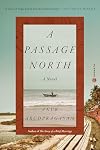
Shortlisted for the Booker Prize 2021
When the Booker longlist was announced earlier this week, this book was the one that jumped out at me as the most interesting looking surprise, and on the whole it did not disappoint me. It does rather contradict Rowan Williams' comments about picking readable books - while this is not a very difficult book, it certainly demands concentration, as it is written in fairly long sentences and paragraphs, and is a little short of plot, as much of it is written show more from a perspective inside the mind of its protagonist Krishan.
Arudprasagam is a Sri Lankan Tamil who has also lived in America and India, so it is perhaps inevitable that the island's long civil war and its aftermath are important themes, but for the most part he is not focused on the details of the war or any of its bloodier incidents.
The foreground story occupies just a few days in the life of Krishan, who lives in Colombo with his mother and grandmother. At the start he receives two messages, a short message from Anjum, a woman who he had an intense affair with as a student in Delhi and who is now involved in radical campaigning in the Indian state of Jharkand. The second is a phone call informing him that the grandmother's former carer Rani, a northern Tamil who has never recovered from the trauma of losing two sons in the latter stages of the war, has died after falling into a well in her village.
The remainder of the book follows Krishan's train journey north to attend Rani's funeral, but this is almost just a peg on which to hang his life story, as he has plenty of time to reminisce and reflect, notably on his relationship with Anjum but also on his political interests. There are also recollections of Hindu legends and epic poems, and what is perhaps most impressive is the way the author can spend so much time inside the head of his protagonist without making the book unreadable.
Overall this made for an interesting start to my longlist reading, but I would be quite surprised if this one wins. show less
When the Booker longlist was announced earlier this week, this book was the one that jumped out at me as the most interesting looking surprise, and on the whole it did not disappoint me. It does rather contradict Rowan Williams' comments about picking readable books - while this is not a very difficult book, it certainly demands concentration, as it is written in fairly long sentences and paragraphs, and is a little short of plot, as much of it is written show more from a perspective inside the mind of its protagonist Krishan.
Arudprasagam is a Sri Lankan Tamil who has also lived in America and India, so it is perhaps inevitable that the island's long civil war and its aftermath are important themes, but for the most part he is not focused on the details of the war or any of its bloodier incidents.
The foreground story occupies just a few days in the life of Krishan, who lives in Colombo with his mother and grandmother. At the start he receives two messages, a short message from Anjum, a woman who he had an intense affair with as a student in Delhi and who is now involved in radical campaigning in the Indian state of Jharkand. The second is a phone call informing him that the grandmother's former carer Rani, a northern Tamil who has never recovered from the trauma of losing two sons in the latter stages of the war, has died after falling into a well in her village.
The remainder of the book follows Krishan's train journey north to attend Rani's funeral, but this is almost just a peg on which to hang his life story, as he has plenty of time to reminisce and reflect, notably on his relationship with Anjum but also on his political interests. There are also recollections of Hindu legends and epic poems, and what is perhaps most impressive is the way the author can spend so much time inside the head of his protagonist without making the book unreadable.
Overall this made for an interesting start to my longlist reading, but I would be quite surprised if this one wins. show less
Lists
Big Jubilee List (1)
Booker Prize (1)
Awards


You May Also Like


Associated Authors
Statistics
- Works
- 2
- Also by
- 1
- Members
- 759
- Popularity
- #33,503
- Rating
- 3.8
- Reviews
- 29
- ISBNs
- 30
- Languages
- 4
- Favorited
- 1