
Jennifer Nansubuga Makumbi
Author of A Girl Is a Body of Water
About the Author
Works by Jennifer Nansubuga Makumbi
İlk Kadın 1 copy
Associated Works
New Daughters of Africa: An International Anthology of Writing by Women of African Descent (2019) — Contributor — 116 copies, 1 review
Tagged
Common Knowledge
- Birthdate
- 1967
- Gender
- female
- Education
- Islamic University in Uganda (BA) (Education)
Manchester Metropolitan University (MA) (Creative Writing)
Lancaster University (PhD) (Creative Writing) - Occupations
- lecturer in Creative Writing
teacher of English and Literature in English - Organizations
- Manchester Metropolitan University
Lancaster University - Nationality
- Uganda
- Birthplace
- Kampala, Uganda
- Places of residence
- Kampala, Uganda
Manchester, England, UK - Map Location
- Uganda
Members
Reviews
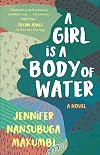
The ancients divided the world into four realms: Up – Heaven; Down – underworld; right- land and men; left - the sea and water and women. Land and men are solid and can have permanent boundaries. There are no boundaries to be drawn on water; women are ever changing and impermanent and therefore under the control of the tribe and of men.
Into this mix of ancient tribal beliefs and modern Uganda, is the girl Kirabo. She was brought back to her tribal village as an infant by her father, Tom, show more to be raised by her grandmother.
At age 13, she begins a search to find out who her mother was or is.
She also seeks to define herself which she recognizes has a second part which can fly. This is when she meets Nsuuta, who is known as a witch. The definition of a witch is someone who can make men bow down to her.
This is a wonderful, complicated novel as Kirabo struggles with balancing the old and the new; learning that relationships with women can be what save you, but can also sink you; learning that relationships with men are not always the ones that destroy or even control you. The same is true of course, of family and tribal affiliation.
And women everywhere.
Highly recommended. show less
Into this mix of ancient tribal beliefs and modern Uganda, is the girl Kirabo. She was brought back to her tribal village as an infant by her father, Tom, show more to be raised by her grandmother.
At age 13, she begins a search to find out who her mother was or is.
She also seeks to define herself which she recognizes has a second part which can fly. This is when she meets Nsuuta, who is known as a witch. The definition of a witch is someone who can make men bow down to her.
This is a wonderful, complicated novel as Kirabo struggles with balancing the old and the new; learning that relationships with women can be what save you, but can also sink you; learning that relationships with men are not always the ones that destroy or even control you. The same is true of course, of family and tribal affiliation.
And women everywhere.
Highly recommended. show less
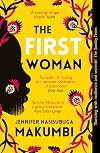
I legit didn’t know what to expect when I started reading this - I was sort of thinking it might be magical realism or a kind of modern take on a folktale.
If you’d told me the actual plot, I probably wouldn’t have read it - I would have been pooorer for that.
Looking at different generations of women in Uganda, and their different perspectives on feminism, wealth, class, racism, colonialism, slavery, tradition…it’s just breathtaking. Each character turns out to have depths and show more nuance you didn’t realise was possible. And characters you thought would be flawless heroes end up betraying your expectations. It’s so moving in so many different ways.
I’m so, so glad I read this. show less
If you’d told me the actual plot, I probably wouldn’t have read it - I would have been pooorer for that.
Looking at different generations of women in Uganda, and their different perspectives on feminism, wealth, class, racism, colonialism, slavery, tradition…it’s just breathtaking. Each character turns out to have depths and show more nuance you didn’t realise was possible. And characters you thought would be flawless heroes end up betraying your expectations. It’s so moving in so many different ways.
I’m so, so glad I read this. show less
“And did all the women shrink?’ Kirabo steered Nsuuta away from Grandmother. ‘With that kind of perversion, who would not shrink? Who would want to be huge, or loud, or brave, or any of the other characteristics men claim to be male? We hunched, lowered our eyes, voices, acted feeble, helpless. Even being clever became unattractive. Soon, being shrunken became feminine. Then it became beautiful and women aspired to it. That was when we began to persecute our original state out of show more ourselves.”
"Once we shrunk, men had to look after us, and it was not long before they started to own us. Fathers sold daughters; husbands bought wives. Once we became a commodity, men could do whatever they wished with us. Even now our bodies do not belong to us. That is why when they need it, they will grab it. Things were so bad in some cultures, women had to be hidden away to protect them, in separate spaces where no men were allowed. Soon, they had to be spoken for by men.”
In A Girl is a Body of Water Ugandan Kirabo, a young girl, is being told this by her aunt Nsuuta, known as the local witch, and someone Kirabo's grandmother has instructed her not to speak to. But Kirabo believes Nsuuta can help her find her mother. In turn, Nsuuta believes Kirabo is a rarity, possessing woman's "original state", with the strength and vitality that existed before shrinking occurred.
After growing up in a small rural town, Kirabo is sent to the city Kampala, where she gets the education she needs and finds her way to womanhood and love. This is immersive storytelling, and a penetrating look at the natures of men and women and their relationships with each other. Five stars all the way. show less
"Once we shrunk, men had to look after us, and it was not long before they started to own us. Fathers sold daughters; husbands bought wives. Once we became a commodity, men could do whatever they wished with us. Even now our bodies do not belong to us. That is why when they need it, they will grab it. Things were so bad in some cultures, women had to be hidden away to protect them, in separate spaces where no men were allowed. Soon, they had to be spoken for by men.”
In A Girl is a Body of Water Ugandan Kirabo, a young girl, is being told this by her aunt Nsuuta, known as the local witch, and someone Kirabo's grandmother has instructed her not to speak to. But Kirabo believes Nsuuta can help her find her mother. In turn, Nsuuta believes Kirabo is a rarity, possessing woman's "original state", with the strength and vitality that existed before shrinking occurred.
After growing up in a small rural town, Kirabo is sent to the city Kampala, where she gets the education she needs and finds her way to womanhood and love. This is immersive storytelling, and a penetrating look at the natures of men and women and their relationships with each other. Five stars all the way. show less
The novel follows the life of Kirabo, a young Ugandan girl being raised by her grandparents in a rural village. Although her father visits regularly from his job in the city, no one will talk about her mother. Kirabo seeks answers from the village witch and begins a process of self-discovery, even as she learns more about the complicated relationships in her family.
The book is divided into five sections, each of which is set in a different time of Kirabo's life—childhood, living with her show more father, boarding school, and young adulthood—with the except of the fourth part which relates the relationship between her grandmother and the village witch. Mythology and feminism take on larger roles, with politics and history remaining in the background.
I enjoyed Kirabo's story, although the section where the village witch instructs Kirabo in feminism felt heavy-handed. Nothing is black and white, and I liked the tension between ideals and reality. Sometimes choices and compromises must be made, for good or ill, and we must live with the consequences. show less
The book is divided into five sections, each of which is set in a different time of Kirabo's life—childhood, living with her show more father, boarding school, and young adulthood—with the except of the fourth part which relates the relationship between her grandmother and the village witch. Mythology and feminism take on larger roles, with politics and history remaining in the background.
I enjoyed Kirabo's story, although the section where the village witch instructs Kirabo in feminism felt heavy-handed. Nothing is black and white, and I liked the tension between ideals and reality. Sometimes choices and compromises must be made, for good or ill, and we must live with the consequences. show less
Lists
Awards


You May Also Like


Associated Authors
Statistics
- Works
- 4
- Also by
- 2
- Members
- 1,057
- Popularity
- #24,365
- Rating
- 4.0
- Reviews
- 32
- ISBNs
- 40
- Languages
- 6
- Favorited
- 1