
Willem Elsschot (1882–1960)
Author of Cheese
About the Author
Willem Elsschot is a classic example of a dilettante turned professional writer. He wrote his stories in his spare time while working as an advertising agent in Antwerp. His profession explains the themes of his most successful stories LijmenLijmen (Soft Soap) and Het Been (The Leg), published in show more 1924 as parts of the same collection of novelettes. Until this time he had never intended to publish anything he wrote and had to be persuaded to do so by the editors of Nieuw Vlaams Tijdschrift, a Flemish journal established to specifically promote the cause of Flemish literature and culture. It is his total lack of interest in anything academic, even literary - he claims never to have read a literary work of art - which lends to Elsschot's work the very fresh and original quality for which it is known. He humorously satirizes the dubious techniques of salespersons in marketing and selling their wares. In addition to his prose works, Elsschot has written some poems which have become a unique part of the Dutch literary heritage. (Bowker Author Biography) show less
Works by Willem Elsschot
De leeuwentemmer 15 copies
Ik dank u allen zeer 10 copies
Poems from the past 2 copies
Kaas Lijmen 1 copy
Cașcaval 1 copy
Brief aan Hugo Claus 1 copy
جبن 1 copy
Associated Works
Domweg gelukkig, in de Dapperstraat : de bekendste gedichten uit de Nederlandse literatuur (1990) — Contributor — 230 copies, 2 reviews
De Nederlandse poëzie van de negentiende en twintigste eeuw in duizend en enige gedichten (1979) — Contributor, some editions — 210 copies, 1 review
Ik wou dat ik twee hondjes was : Nederlandse nonsens- en plezierdichters van de twintigste eeuw (1982) — Contributor — 120 copies, 1 review
De Nederlandse en Vlaamse literatuur vanaf 1880 in 60 lange verhalen (2006) — Contributor — 44 copies, 2 reviews
Over Multatuli — Contributor — 3 copies
Tagged
Common Knowledge
- Canonical name
- Elsschot, Willem
- Legal name
- Ridder, Alfonsus Josephus de
- Other names
- Ridder, Alphons de
- Birthdate
- 1882-05-07
- Date of death
- 1960-05-31
- Gender
- male
- Education
- Institut Supérieur de Commerce de l'État (MA|1904)
Royal Athenaeum of Antwerp - Occupations
- copywriter
advertising executive
novelist
poet - Awards and honors
- Constantijn Huygensprijs (1951)
Driejaarlijkse Staatsprijs voor Proza, België (1948)
Letterkundige prijs van de provincie Antwerpen (1934)
Knight, Order of the Crown (1920) - Nationality
- Belgium
- Birthplace
- Antwerp, Belgium
- Places of residence
- Antwerp, Belgium
Brussels, Belgium
Rotterdam, Netherlands
Paris, France - Place of death
- Antwerp, Belgium
- Burial location
- Schoonselhof, Antwerp, Belgium
- Map Location
- Belgium
Members
Reviews

In early September 1939, the narrator and his wife are invited for a jaunt to the Ardennes by their brother-in-law, Antwerp ship-broker Jack Peeters, who wants to try out his powerful new car. They arrive in Bastogne, book into a local hotel, and are busy buying souvenir hams when they hear the news of the outbreak of war on the radio. Jack is surprisingly happy about the news, and explains it to them over a bottle of champagne in the hotel bar.
A year earlier, it seems, he was contacted by show more the mysterious Mr Boorman via a small ad in the Journal de la Marine marchande. Boorman told him that a friend of his, a shipbuilder in France, was in trouble with the tax authorities and needed to unload an asset to a foreign owner urgently. He wanted Peeters to become nominal owner of the tanker Guadeloupe — free of charge — and sell her on for a share of the profits, which were bound to be huge if war should break out.
If you’ve ever deleted an email from a Nigerian prince, you probably have an idea of where this might be going: indeed, Boorman’s spiel seems to have all the hallmarks of the professional conman. But you’d be wrong. Elsschot is actually entrapping us into a clever satire attacking the capitalists who welcomed the outbreak of war for all the wrong reasons. It’s perhaps even no coincidence that the nested-narrative format echoes Heart of Darkness.
Engaging and fun, but somehow you feel that there ought to be more here than a 70-page novella. Elsschot claimed that the story was based on something he had been told by his own brother-in-law, who was in shipping, and he hinted several times that he was working on a continuation of the story, but nothing ever emerged. show less
A year earlier, it seems, he was contacted by show more the mysterious Mr Boorman via a small ad in the Journal de la Marine marchande. Boorman told him that a friend of his, a shipbuilder in France, was in trouble with the tax authorities and needed to unload an asset to a foreign owner urgently. He wanted Peeters to become nominal owner of the tanker Guadeloupe — free of charge — and sell her on for a share of the profits, which were bound to be huge if war should break out.
If you’ve ever deleted an email from a Nigerian prince, you probably have an idea of where this might be going: indeed, Boorman’s spiel seems to have all the hallmarks of the professional conman. But you’d be wrong. Elsschot is actually entrapping us into a clever satire attacking the capitalists who welcomed the outbreak of war for all the wrong reasons. It’s perhaps even no coincidence that the nested-narrative format echoes Heart of Darkness.
Engaging and fun, but somehow you feel that there ought to be more here than a 70-page novella. Elsschot claimed that the story was based on something he had been told by his own brother-in-law, who was in shipping, and he hinted several times that he was working on a continuation of the story, but nothing ever emerged. show less

The long-serving office-worker Frans Laarmans suddenly gets the chance to set up in business on his own account as a cheese importer. He's essentially a Flemish Mr Pooter, a kindly, mild-mannered husband and father who achieved his maximum promotion level in the shipyard office many years ago, but who can't resist this one last chance to bite off more than he can chew. Laarmans has a lot of fun picking a name for his business, ordering headed notepaper and setting up an office, but then the show more first batch of twenty tons of Edammer arrives and it becomes all too clear that he is not psychologically equipped to go into grocers' shops and persuade them to order his cheese, even after a session with an expert motivator.
A gentle little social comedy, no real fireworks, but an engaging central character and a lot of charming period detail about commercial life in the thirties. show less
A gentle little social comedy, no real fireworks, but an engaging central character and a lot of charming period detail about commercial life in the thirties. show less

Laarmans, a rather unassuming office clerk in the harbor of Antwerpen, is via an influential friend suddenly getting the opportunity to become general agent for a dutch cheese manufacturer. Despite hating cheese, Laarmans is swept away by the prospect of becoming an entrepenuer – and not least what such a label does to his self-image – and faking an illness, takes a sick leave from his job to start this new, prosperous venture. The future is so bright it’s blinding, despite what show more nay-sayers like his wife and brother think of it. However, finding the right desk takes time, finding the right type-writer and letter paper does too, and before he is even set up there are twenty tons of edamer delivered to him. How does one even sell cheese?
This is a deceptively light-handed, slender book about being in love with who you think you should be, and the inability to say no. It’s a fine example of early modernist writing, a little bit like a gentler Kafka. But the style and the awkwardness of Laarmans also reminds me a little of Magnus Mills, which is high praise. I also have to admit to blushing at times – there’s definitely a little Laarmans in me. show less
This is a deceptively light-handed, slender book about being in love with who you think you should be, and the inability to say no. It’s a fine example of early modernist writing, a little bit like a gentler Kafka. But the style and the awkwardness of Laarmans also reminds me a little of Magnus Mills, which is high praise. I also have to admit to blushing at times – there’s definitely a little Laarmans in me. show less
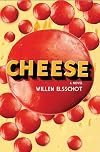
I liked this book a lot. It's very short and quick to read. Obviously I picked it up because it's called cheese and it's about cheese. It kind of reminded me of Death of a Salesman, but much more lighthearted and funny. The only thing that really bugged me was the main character's attitude towards his wife and kids. He's definitely a misogynist. I guess he wasn't supposed to be the most likable protagonist because he's both cocky and incompetent. He's kind of a bumbling sort of dumb guy who show more realizes he's in over his head in a business he never cared about just because he wants to seem cool. That being said, I think he's also supposed to be relatable in some ways, so I'm not sure if his attitude towards his wife is supposed to indicate that he's not the best guy or if it's just a symptom of the times. show less
Lists
Awards


You May Also Like


Associated Authors
Statistics
- Works
- 46
- Also by
- 12
- Members
- 3,098
- Popularity
- #8,242
- Rating
- 3.8
- Reviews
- 65
- ISBNs
- 170
- Languages
- 17
- Favorited
- 41