
Whitney Scharer
Author of The Age of Light
About the Author
Image credit: Whitney Scharer
Works by Whitney Scharer
Tagged
Common Knowledge
- Gender
- female
- Nationality
- USA
- Map Location
- Massachusetts, USA
Members
Reviews

I can't remember the last time I felt THIS uncomfortable reading a book. Or had SUCH trouble rating it. I finally settled on four stars, not so much because I enjoyed it. But because the novel brought up such strong feelings throughout.
At its heart, this is a story of the 4 year long romance between two artists --American visual artist Man Ray and Lee Miller, a model turned American photographer and photojournalist. Amid the budding Dada and Surrealist movements in 1920s Paris, Ray and show more Miller meet just as she is tiring of modeling and interested in pursuing photography. She grabs the opportunity to learn all she can in Ray's photography studio by signing on as his assistant.
(NOTE: There are multiple inserts throughout the novel relating Miller's experiences as a photojournalist during and after World War II. Though interesting, I felt they interrupted the flow of the book and I'm not sure why they were included.) Back to the artists.
Despite their 17 year age difference, love blossoms and the passionate couple soon embark on their pioneering work in developing the photographic technique called solarization. So far, this all sounds reasonable. But there is something about this relationship that begins to shift. Miller, herself haunted by childhood trauma, begins to find Ray overly controlling and demanding. Though, in typical female fashion, she dutifully placates him at first, he soon begins to restrict her activities, stifling her work, and obsessively photographing extreme close-ups of Miller's individual body parts, whether she wants him to or not.
What became increasingly uncomfortable for me was this power dynamic between the two. The older, famous, privileged white man simply believes he SHOULD be dominant and that all the couple's joint work belongs to him (since it happened in HIS studio). He is never able to see Miller as anything beyond HIS young and beautiful assistant, who just happens to show such great promise.
But Miller is changing. She is steadily developing her talent, embarking on her own experimentation, with her own sparks of creativity. Inevitably she begins to resent Ray's limitations and his failure to give her any public credit. So, of course, their relationship is headed for a showdown.
For me, the book simply turned into a pre-feminist era story of how men and women have all too often operated over the centuries. Entitled and arrogant, Ray assumes he is the one who matters most in the relationship and that it is his role to make decisions, even when they impact two parties. That is until he blunders beyond a boundary Miller will not tolerate. Like many, or perhaps most women, Miller will be taken advantage of and used up ONLY until the moment she is forced to impose a limit.
It's an old story. Younger, more talented women working diligently and silently behind the scenes while men in the spotlight take credit for their efforts. Men not willing or able to see beyond a woman's physical beauty. Beautiful women not taken seriously, despite continual evidence of competence.
I've seen it myself and if you're a woman, you probably have too. So, if you read this one, expect to feel uncomfortable. show less
At its heart, this is a story of the 4 year long romance between two artists --American visual artist Man Ray and Lee Miller, a model turned American photographer and photojournalist. Amid the budding Dada and Surrealist movements in 1920s Paris, Ray and show more Miller meet just as she is tiring of modeling and interested in pursuing photography. She grabs the opportunity to learn all she can in Ray's photography studio by signing on as his assistant.
(NOTE: There are multiple inserts throughout the novel relating Miller's experiences as a photojournalist during and after World War II. Though interesting, I felt they interrupted the flow of the book and I'm not sure why they were included.) Back to the artists.
Despite their 17 year age difference, love blossoms and the passionate couple soon embark on their pioneering work in developing the photographic technique called solarization. So far, this all sounds reasonable. But there is something about this relationship that begins to shift. Miller, herself haunted by childhood trauma, begins to find Ray overly controlling and demanding. Though, in typical female fashion, she dutifully placates him at first, he soon begins to restrict her activities, stifling her work, and obsessively photographing extreme close-ups of Miller's individual body parts, whether she wants him to or not.
What became increasingly uncomfortable for me was this power dynamic between the two. The older, famous, privileged white man simply believes he SHOULD be dominant and that all the couple's joint work belongs to him (since it happened in HIS studio). He is never able to see Miller as anything beyond HIS young and beautiful assistant, who just happens to show such great promise.
But Miller is changing. She is steadily developing her talent, embarking on her own experimentation, with her own sparks of creativity. Inevitably she begins to resent Ray's limitations and his failure to give her any public credit. So, of course, their relationship is headed for a showdown.
For me, the book simply turned into a pre-feminist era story of how men and women have all too often operated over the centuries. Entitled and arrogant, Ray assumes he is the one who matters most in the relationship and that it is his role to make decisions, even when they impact two parties. That is until he blunders beyond a boundary Miller will not tolerate. Like many, or perhaps most women, Miller will be taken advantage of and used up ONLY until the moment she is forced to impose a limit.
It's an old story. Younger, more talented women working diligently and silently behind the scenes while men in the spotlight take credit for their efforts. Men not willing or able to see beyond a woman's physical beauty. Beautiful women not taken seriously, despite continual evidence of competence.
I've seen it myself and if you're a woman, you probably have too. So, if you read this one, expect to feel uncomfortable. show less
I can't remember the last time I felt THIS uncomfortable reading a book. Or had SUCH trouble rating it. I finally settled on four stars, not so much because I enjoyed it. But because the novel brought up such strong feelings throughout.
At its heart, this is a story of the 4 year long romance between two artists --American visual artist Man Ray and Lee Miller, a model turned American photographer and photojournalist. Amid the budding Dada and Surrealist movements in 1920s Paris, Ray and show more Miller meet just as she is tiring of modeling and interested in pursuing photography. She grabs the opportunity to learn all she can in Ray's photography studio by signing on as his assistant.
(NOTE: There are multiple inserts throughout the novel relating Miller's experiences as a photojournalist during and after World War II. Though interesting, I felt they interrupted the flow of the book and I'm not sure why they were included.) Back to the artists.
Despite their 17 year age difference, love blossoms and the passionate couple soon embark on their pioneering work in developing the photographic technique called solarization. So far, this all sounds reasonable. But there is something about this relationship that begins to shift. Miller, herself haunted by childhood trauma, begins to find Ray overly controlling and demanding. Though, in typical female fashion, she dutifully placates him at first, he soon begins to restrict her activities, stifling her work, and obsessively photographing extreme close-ups of Miller's individual body parts, whether she wants him to or not.
What became increasingly uncomfortable for me was this power dynamic between the two. The older, famous, privileged white man simply believes he SHOULD be dominant and that all the couple's joint work belongs to him (since it happened in HIS studio). He is never able to see Miller as anything beyond HIS young and beautiful assistant, who just happens to show such great promise.
But Miller is changing. She is steadily developing her talent, embarking on her own experimentation, with her own sparks of creativity. Inevitably she begins to resent Ray's limitations and his failure to give her any public credit. So, of course, their relationship is headed for a showdown.
For me, the book simply turned into a pre-feminist era story of how men and women have all too often operated over the centuries. Entitled and arrogant, Ray assumes he is the one who matters most in the relationship and that it is his role to make decisions, even when they impact two parties. That is until he blunders beyond a boundary Miller will not tolerate. Like many, or perhaps most women, Miller will be taken advantage of and used up ONLY until the moment she is forced to impose a limit.
It's an old story. Younger, more talented women working diligently and silently behind the scenes while men in the spotlight take credit for their efforts. Men not willing or able to see beyond a woman's physical beauty. Beautiful women not taken seriously, despite continual evidence of competence.
I've seen it myself and if you're a woman, you probably have too. So, if you read this one, expect to feel uncomfortable. show less
At its heart, this is a story of the 4 year long romance between two artists --American visual artist Man Ray and Lee Miller, a model turned American photographer and photojournalist. Amid the budding Dada and Surrealist movements in 1920s Paris, Ray and show more Miller meet just as she is tiring of modeling and interested in pursuing photography. She grabs the opportunity to learn all she can in Ray's photography studio by signing on as his assistant.
(NOTE: There are multiple inserts throughout the novel relating Miller's experiences as a photojournalist during and after World War II. Though interesting, I felt they interrupted the flow of the book and I'm not sure why they were included.) Back to the artists.
Despite their 17 year age difference, love blossoms and the passionate couple soon embark on their pioneering work in developing the photographic technique called solarization. So far, this all sounds reasonable. But there is something about this relationship that begins to shift. Miller, herself haunted by childhood trauma, begins to find Ray overly controlling and demanding. Though, in typical female fashion, she dutifully placates him at first, he soon begins to restrict her activities, stifling her work, and obsessively photographing extreme close-ups of Miller's individual body parts, whether she wants him to or not.
What became increasingly uncomfortable for me was this power dynamic between the two. The older, famous, privileged white man simply believes he SHOULD be dominant and that all the couple's joint work belongs to him (since it happened in HIS studio). He is never able to see Miller as anything beyond HIS young and beautiful assistant, who just happens to show such great promise.
But Miller is changing. She is steadily developing her talent, embarking on her own experimentation, with her own sparks of creativity. Inevitably she begins to resent Ray's limitations and his failure to give her any public credit. So, of course, their relationship is headed for a showdown.
For me, the book simply turned into a pre-feminist era story of how men and women have all too often operated over the centuries. Entitled and arrogant, Ray assumes he is the one who matters most in the relationship and that it is his role to make decisions, even when they impact two parties. That is until he blunders beyond a boundary Miller will not tolerate. Like many, or perhaps most women, Miller will be taken advantage of and used up ONLY until the moment she is forced to impose a limit.
It's an old story. Younger, more talented women working diligently and silently behind the scenes while men in the spotlight take credit for their efforts. Men not willing or able to see beyond a woman's physical beauty. Beautiful women not taken seriously, despite continual evidence of competence.
I've seen it myself and if you're a woman, you probably have too. So, if you read this one, expect to feel uncomfortable. show less
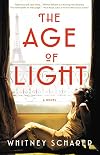
I'd never heard of Lee Miller prior to this novel, but I love 1930s Paris, so I had to pick up this book. Now that I have, I'm wondering why I've not encountered this woman before. Lee Miller lived a life full of art and fame - she was first an American model, then an artist and photographer and even a WWII photojournalist. She worked with the greats of her era and had an affair with Man Ray, who was both her lover and teacher. Lee Miller is a woman one should hear more about, and I hope show more this book generates more interest in her life and work. Plus, it's a good book to read and escape to 1930s Paris through, too. show less
I was inherently disappointed with the lack of closure to this story. The epilogue, when the Lee and Man see each other again after so many years helps a little bit, but in the end, it just isn't enough.
Overall, Lee is a bit of a narcissist. Not to the point where you completely dislike her, but she doesn't really do much to lend herself to you, as she's written. One of the characters points this out to her, and another notes that she doesn't let him in. In a way, she doesn't really let the show more reader in either. I find her to be a very difficult character to get attached to or really care about in any way. Perhaps this is why I found it so easy to just put the book down and forget about it. There's nothing that really drew me back to it, other than excessive amount of time due to the quarantine.
The portions of the book referring to Lee's experiences during and immediately following the war are brief and interesting, but overall don't really add to the story in a significant manner. The same really applies to the very opening chapter when Lee is throwing a dinner party in the modern day. It gives an interesting juxtaposition to the person she is in the rest of the story, but ultimately doesn't do anything to progress the story line. The only thing brought to light here is that something went down between Lee and Man, which we'll find out later in the story, and that she's going to write an article for Vogue about the early years of Man Ray, what happened before the war. Other than that, nothing really important from that chapter is pertinent to the rest of the story.
Overall, it's a decent story, but nothing really draws you in and keeps your attention. It can be a little dry at times and there are parts that really don't have much to do with the rest of the story at hand or just aren't fleshed out enough to really be important and included. If you're curious, read it. If you're just picking it up because the cover looks and sounds interesting, be prepared to possibly be a little disappointed. show less
Overall, Lee is a bit of a narcissist. Not to the point where you completely dislike her, but she doesn't really do much to lend herself to you, as she's written. One of the characters points this out to her, and another notes that she doesn't let him in. In a way, she doesn't really let the show more reader in either. I find her to be a very difficult character to get attached to or really care about in any way. Perhaps this is why I found it so easy to just put the book down and forget about it. There's nothing that really drew me back to it, other than excessive amount of time due to the quarantine.
The portions of the book referring to Lee's experiences during and immediately following the war are brief and interesting, but overall don't really add to the story in a significant manner. The same really applies to the very opening chapter when Lee is throwing a dinner party in the modern day. It gives an interesting juxtaposition to the person she is in the rest of the story, but ultimately doesn't do anything to progress the story line. The only thing brought to light here is that something went down between Lee and Man, which we'll find out later in the story, and that she's going to write an article for Vogue about the early years of Man Ray, what happened before the war. Other than that, nothing really important from that chapter is pertinent to the rest of the story.
Overall, it's a decent story, but nothing really draws you in and keeps your attention. It can be a little dry at times and there are parts that really don't have much to do with the rest of the story at hand or just aren't fleshed out enough to really be important and included. If you're curious, read it. If you're just picking it up because the cover looks and sounds interesting, be prepared to possibly be a little disappointed. show less
Lists
Awards


You May Also Like


Associated Authors
Statistics
- Works
- 8
- Members
- 683
- Popularity
- #37,040
- Rating
- 3.6
- Reviews
- 26
- ISBNs
- 31
- Languages
- 5