
Roxane van Iperen
Author of The Sisters of Auschwitz
About the Author
Works by Roxane van Iperen
Anderen 1 copy
Associated Works
Tagged
Common Knowledge
- Canonical name
- Iperen, Roxane van
- Legal name
- Iperen, R.G.J. van
- Other names
- Iperen, Roxane van
- Birthdate
- 1976-06-11
- Gender
- female
- Education
- University of Amsterdam (Law)
- Occupations
- Jurist
author - Nationality
- Netherlands
- Birthplace
- Nijmegen, The Netherlands
- Map Location
- Netherlands
Members
Reviews

This is a very wel-written and very well-argued book about the way right-radicalism continues to erode progressive and liberal ideals that shaped our society. The roots for this ongoing process can be traced back to the early 80s and the liberal "trickle-down" economic theories. Throughout the 20th century the Netherlands was governed by Christian and / or socialist idealism driven coalition governments, but in the late 90s saw this was eclipsed by the liberal party, which has had a show more domineering influence particularly over the past decade. During this time, the general idea about society changed from caring for the weak to fending for oneself. The author describes how the welfare society changedc to a bastion trying to defend welfare for the few from sharing with those in need.
In my opinion the author puts too much emphasis on the role of the international movement, particularly of QAnon on the developments in the Netherlands, but still her argument is very convincing. show less
In my opinion the author puts too much emphasis on the role of the international movement, particularly of QAnon on the developments in the Netherlands, but still her argument is very convincing. show less
The Sisters of Auschwitz: The True Story of Two Jewish Sisters' Resistance in the Heart of Nazi Territory by Roxane van Iperen
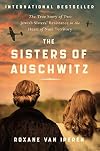
I learned new things about World War II and the Holocaust from this interesting book centered around two Jewish sisters. Janny and Lien are living in Amsterdam when war starts and as the Nazi persecution of Jewish people picks up, they and their families go into hiding, finding a remote country home where they hope to stay through the end of the war. But these sisters, their family, and their friends are not waiting for the war to end, they are active in the resistance and eventually several show more of their group are caught by Nazis. The sisters end up being transported to the infamous Auschwitz along with Anne Frank and her family. Overall, this book made for fascinating reading, but I have to note that the writing felt uneven at times, although this may be because the book is a translation. show less
The Sisters of Auschwitz: The True Story of Two Jewish Sisters' Resistance in the Heart of Nazi Territory by Roxane van Iperen
This is the true story of the Brilleslijper sisters whose indomitable spirit and courage carried them through the years leading up to World War II, and beyond. Both were deeply involved with the Dutch resistance effort. As the situation in The Netherlands became more and more dangerous for Jews with the Nazi presence, they knew they had to move out of Amsterdam. They found a home called The High Nest, in a remote area. They hoped to live there safely, unnoticed, until the war ended.
The show more author of this book bought the home called The High Nest, in 2012, with the intention of restoring it to its former glory. As she learned of the home’s history and the families that lived there, she knew she had to investigate to find out more. That began a labor of love and years of extensive research. Using documents and oral interviews, she pieced together one of the most completely definitive descriptions of Hitler’s diabolical plans.
She follows the path of the sisters and many of those who were involved in their resistance effort, and later on, their effort to survive. The details presented are expansive and often difficult to take in because of the diabolical nature of Hitler’s plans. No matter how much one has read about The Holocaust, this book will inform them of even more of the Nazi’s barbarism. I believe evil truly existed at that time, as friend and neighbor turned in Jews to what they knew would be uncertain death or hardship for their own personal gain. They simply viewed the Jews as less than human or undeserving. Perhaps they were motivated by greed and jealousy, for even after the war’s end, many were still cruel to the few that survived and returned. This is not to imply that all of the Dutch were evil or complicit, but it is to imply that protestations of ignorance are untrue and the sound of silence against Hitler was deafening.
As the Jews were marched to cattle cars, there were witnesses. As they were transferred from place to place, and marched through the street, frail and beaten , often near death, they turned away and pretended not to notice what was right in front of their eyes. To deny knowledge was simply to lie about it. It went on for years in plain sight.
The sisters and their husbands created hiding spaces in The High Nest home. They had failsafe warning systems, which they rehearsed, to keep all of them safe from the clutches of the Germans. Unfortunately, as my mother used to say, man plans, G-d laughs. Eventually, they were betrayed and captured. While they were free, ignoring their own safety, they offered safety to those in danger, They arranged to have false documents made to enable others to escape, and they were also couriers for those same documents. Their experiences before, during, and after the war are so well documented in this book, that it becomes a definitive study of the fear and horror of the Holocaust, from the torture, to the roll calls, to the gas chambers and the crematoria, nothing is left out. The living conditions are described fully and the humiliation and suffering are palpable on every page so that sometimes one has to pause and take a breath. One has to go on, though, because this is not fantasy, it is real and we cannot forget.
Forced to dig their own graves, forced to stand naked in front of leering men, forced to take showers in what were really gas chambers, forced to live in lice ridden, overcrowded substandard conditions, forced to starve and witness the brutality of others as they were tortured and laughed at, forced to work until they collapsed in all sorts of deplorable conditions, they often lost hope because no one was coming to their rescue, though they were innocent of crimes. They had been sacrificed.
This is a detailed account of what took place during Hitler’s rise to power, and thank G-d, his fall from grace. The author has a gift of putting words on the page that bring the reader right to the places she writes about, from the ghetto, to The High Nest, to Auschwitz, to freedom. Unfortunately, many of these places are not places any of us would want to be, and reading about it is hard, but necessary. The women knew Dr. Mengele, they were there when Anne Frank and her sister died. They lived through the most inhumane time of our history.
The narrator of this book is extraordinary. The subject is really difficult and the events are very brutal, yet she never interjected her own emotions into the reading, rather, with just the right amount of expression, she told their story. It was almost a clinical, scientific explanation of tragic events from which there was no escape. show less
The show more author of this book bought the home called The High Nest, in 2012, with the intention of restoring it to its former glory. As she learned of the home’s history and the families that lived there, she knew she had to investigate to find out more. That began a labor of love and years of extensive research. Using documents and oral interviews, she pieced together one of the most completely definitive descriptions of Hitler’s diabolical plans.
She follows the path of the sisters and many of those who were involved in their resistance effort, and later on, their effort to survive. The details presented are expansive and often difficult to take in because of the diabolical nature of Hitler’s plans. No matter how much one has read about The Holocaust, this book will inform them of even more of the Nazi’s barbarism. I believe evil truly existed at that time, as friend and neighbor turned in Jews to what they knew would be uncertain death or hardship for their own personal gain. They simply viewed the Jews as less than human or undeserving. Perhaps they were motivated by greed and jealousy, for even after the war’s end, many were still cruel to the few that survived and returned. This is not to imply that all of the Dutch were evil or complicit, but it is to imply that protestations of ignorance are untrue and the sound of silence against Hitler was deafening.
As the Jews were marched to cattle cars, there were witnesses. As they were transferred from place to place, and marched through the street, frail and beaten , often near death, they turned away and pretended not to notice what was right in front of their eyes. To deny knowledge was simply to lie about it. It went on for years in plain sight.
The sisters and their husbands created hiding spaces in The High Nest home. They had failsafe warning systems, which they rehearsed, to keep all of them safe from the clutches of the Germans. Unfortunately, as my mother used to say, man plans, G-d laughs. Eventually, they were betrayed and captured. While they were free, ignoring their own safety, they offered safety to those in danger, They arranged to have false documents made to enable others to escape, and they were also couriers for those same documents. Their experiences before, during, and after the war are so well documented in this book, that it becomes a definitive study of the fear and horror of the Holocaust, from the torture, to the roll calls, to the gas chambers and the crematoria, nothing is left out. The living conditions are described fully and the humiliation and suffering are palpable on every page so that sometimes one has to pause and take a breath. One has to go on, though, because this is not fantasy, it is real and we cannot forget.
Forced to dig their own graves, forced to stand naked in front of leering men, forced to take showers in what were really gas chambers, forced to live in lice ridden, overcrowded substandard conditions, forced to starve and witness the brutality of others as they were tortured and laughed at, forced to work until they collapsed in all sorts of deplorable conditions, they often lost hope because no one was coming to their rescue, though they were innocent of crimes. They had been sacrificed.
This is a detailed account of what took place during Hitler’s rise to power, and thank G-d, his fall from grace. The author has a gift of putting words on the page that bring the reader right to the places she writes about, from the ghetto, to The High Nest, to Auschwitz, to freedom. Unfortunately, many of these places are not places any of us would want to be, and reading about it is hard, but necessary. The women knew Dr. Mengele, they were there when Anne Frank and her sister died. They lived through the most inhumane time of our history.
The narrator of this book is extraordinary. The subject is really difficult and the events are very brutal, yet she never interjected her own emotions into the reading, rather, with just the right amount of expression, she told their story. It was almost a clinical, scientific explanation of tragic events from which there was no escape. show less
The Sisters of Auschwitz: The True Story of Two Jewish Sisters' Resistance in the Heart of Nazi Territory by Roxane van Iperen
(I don't really consider telling you that they were captured by the Nazis to be a spoiler as the title of the book tells you they went to Auschwitz... but be warned I'm not going to bother with the spoiler html, m'kay?)
Amsterdam is where we are with the story of the Brilleslijper family: sisters Janny and Lien, their husbands, their brother and their parents - all were outspoken against the Nazi regime and all were targets due to their activities. They fed people who couldn't get food, hid show more everyone who asked and even ran an underground press. The sisters would hide the Resistance newspapers under the babies in the pram. Janny even once faked labor to get out of an interrogation. They were a very brave family.
Eventually the pressure from the authorities became too much. Friends impressed upon them the urgency to find a new situation and so the entire family moved into a country house named The High Nest in March 1943. There were some Nazi sympathizers near but enough forest and grounds to insulate them from prying eyes. The owners of the house knew of five individuals officially in residence but unofficially there were usually twenty to twenty-five people living there. Contacts gave the family extra ration cards and they tried to conceal how much food they bought, even establishing two different milk runs. Some keen-eyed shopkeepers cottoned on but kept their mouths shut. Their brother Jaap built in cabinetry or false walls in most rooms as hiding spots and he even did a small underground tunnel but never took that very far.
It was a "Jew Hunter" that found them. Janny and Lien were highly sought after and the man received an extra bounty for the capture. The families were broken up but the sisters were kept together and they passed through several camps: Westerbork, Bergen-Belsen and Auschwitz. Along the way they became friendly with another pair of Dutch sisters, Margot and Anne Frank, and their mother Edith. The four girls looked out for each other, sharing food and a bunk. Janny and Lien were there until the very end for Margot and Anne and gave them as much dignity in death as they could manage. And that's not saying much. Janny and Lien almost did not survive. They were terribly ill for a very, very long time after the liberation.
I had not read an account of anyone who had been with the Frank family in the camps and that was very interesting. The camp section of the telling is very bleak. Very graphic about lice and bodies, disease and lost of spirit. It's not necessarily fun reading but it is very educational and I think it's important to know history. I'm glad I read it but am not likely to re-read. Would recommend if you are interested in the subject matter. show less
Amsterdam is where we are with the story of the Brilleslijper family: sisters Janny and Lien, their husbands, their brother and their parents - all were outspoken against the Nazi regime and all were targets due to their activities. They fed people who couldn't get food, hid show more everyone who asked and even ran an underground press. The sisters would hide the Resistance newspapers under the babies in the pram. Janny even once faked labor to get out of an interrogation. They were a very brave family.
Eventually the pressure from the authorities became too much. Friends impressed upon them the urgency to find a new situation and so the entire family moved into a country house named The High Nest in March 1943. There were some Nazi sympathizers near but enough forest and grounds to insulate them from prying eyes. The owners of the house knew of five individuals officially in residence but unofficially there were usually twenty to twenty-five people living there. Contacts gave the family extra ration cards and they tried to conceal how much food they bought, even establishing two different milk runs. Some keen-eyed shopkeepers cottoned on but kept their mouths shut. Their brother Jaap built in cabinetry or false walls in most rooms as hiding spots and he even did a small underground tunnel but never took that very far.
It was a "Jew Hunter" that found them. Janny and Lien were highly sought after and the man received an extra bounty for the capture. The families were broken up but the sisters were kept together and they passed through several camps: Westerbork, Bergen-Belsen and Auschwitz. Along the way they became friendly with another pair of Dutch sisters, Margot and Anne Frank, and their mother Edith. The four girls looked out for each other, sharing food and a bunk. Janny and Lien were there until the very end for Margot and Anne and gave them as much dignity in death as they could manage. And that's not saying much. Janny and Lien almost did not survive. They were terribly ill for a very, very long time after the liberation.
I had not read an account of anyone who had been with the Frank family in the camps and that was very interesting. The camp section of the telling is very bleak. Very graphic about lice and bodies, disease and lost of spirit. It's not necessarily fun reading but it is very educational and I think it's important to know history. I'm glad I read it but am not likely to re-read. Would recommend if you are interested in the subject matter. show less
Lists
Awards


You May Also Like


Associated Authors
Statistics
- Works
- 11
- Also by
- 1
- Members
- 787
- Popularity
- #32,340
- Rating
- 3.9
- Reviews
- 23
- ISBNs
- 43
- Languages
- 7