
Margaret C. Jacob
Author of Telling the Truth about History
About the Author
Margaret C. Jacob is Distinguished Professor of Research at the University of California, Los Angeles. Her many books include The Radical Enlightenment: Pantheists, Freemasons, and Republicans and The First Knowledge Economy: Human Capital and the European Economy, 1750-1850.
Works by Margaret C. Jacob
Western Civilization: Ideas, Politics and Society: Volume I, to 1789 (1985) — Author; Contributor — 107 copies, 2 reviews
Living the Enlightenment: Freemasonry and Politics in Eighteenth-Century Europe (1991) 93 copies, 1 review
The Cultural Meaning of the Scientific Revolution (New perspectives on European history) (1988) 59 copies, 2 reviews
Strangers Nowhere in the World: The Rise of Cosmopolitanism in Early Modern Europe (2006) 34 copies, 2 reviews
Practical Matter: Newton's Science in the Service of Industry and Empire, 1687-1851 (2005) 26 copies
The Dutch Republic in the Eighteenth Century: Decline, Enlightenment, and Revolution (1992) 10 copies
Western Civilization: Ideas, Politics, and Society, From the 1400s (Student Edition) (2012) 3 copies
The Radical englightenment: 1 copy
Living the Englightenment: 1 copy
Associated Works
God and Nature: Historical Essays on the Encounter between Christianity and Science (1986) — Contributor — 200 copies
Tagged
Common Knowledge
- Canonical name
- Jacob, Margaret C.
- Legal name
- Jacob, Margaret C.
- Gender
- female
- Education
- St. Joseph's College (BA|1964)
Cornell University (Ph.D) - Occupations
- historian
professor - Organizations
- UCLA
- Awards and honors
- Gottschalk Prize (1976)
- Relationships
- Mack, Phyllis (co-editor)
- Nationality
- USA
- Birthplace
- New York, New York, USA
- Associated Place (for map)
- New York, USA
Members
Reviews
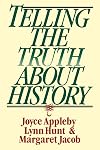
“What historians do best,” argue Joyce Appleby, Lynn Hunt, and Margaret Jacob in their 1995 book Telling the Truth About History, “is make connections with the past in order to illuminate the problems of the present and the potential of the future.” Yet, the very legitimacy of history as an academic discipline has been questioned in the post-World War II era, and, according to the authors, “needs defending today from two broad attacks.” Skillfully negotiating between the show more relativistic nihilism of the postmodernists and the cloying nostalgia of historical traditionalism, Appleby, Hunt, and Jacob offer a pragmatic vision for the future of history. Without rejecting outright either relativism or narrative, the authors propose a via media designed to facilitate a “rigorous search for truth usable by all peoples.”
Inspired by the breathtaking advances of Newtonian science, the scholars of the Enlightenment came to believe that all knowledge could by systemized. The study of history was wrestled away from “pious monks poring over ancient fragments” in the eighteenth century and became the domain of secular philosophes eager to apply the principles of heroic science to historical inquiry. Hermeneutics – the critical analysis of historical texts – took on a new significance as Enlightenment historians sought to uncover scientific truth in the relics of the past. A century later German professor Leopold von Ranke built on this scientific tradition, trekking to far-flung libraries and archives, tirelessly combing through thousands of dusty documents, all to reveal the absolute truth of “how things really were.” Ranke’s invention of the teaching seminar insured that a generation of historians would follow his exacting, methodological example.
As the nineteenth century wore on, however, “how things really were” seemed to become far less certain. Karl Marx’s mid-century thunderbolts depicting all of history as class struggle wobbled accepted notions about historical truth. The ensuing decades brought even more uncertainty. In 1913, Charles Beard’s depiction of the Founding Fathers as self-serving men on the make shattered the mythologized American narrative and released a host of American historians “from the vow of silence imposed by patriotism.” In Europe, the “total history” model articulated by the Annales School deemphasized the significance of political and intellectual issues in favor of social and environmental phenomena and created a new paradigm for the study of the past.
In the 1960s historical truth, and, in fact, truth itself, came under renewed assault. The postmodernists “argued vehemently against any research into origins,” claiming that “paucity and manipulation characterize truth-seeking,” and therefore all knowledge is subjective and hollow. Postmodern relativism, while rejected by traditionalist defenders of the American narrative, has dealt a body blow to empirical historiography. The question posed by the authors gets to the core of the postmodernist challenge: “If truth depends on the observer’s standpoint, how can there be any transcendent, universal, or absolute truth?”
Appleby, Hunt, and Jacob acknowledge the impact of postmodernism on the study of history, and credit the movement for “dragging out from the shadowy world of unexamined assumptions the discrete propositions undergirding the objectivity of science.” They are not, however, willing to cede the historical battlefield to the forces of nihilism. “We are arguing here,” the authors insist, “that truths about the past are possible, even if they are not absolute, and hence are worth struggling for.” They call for a middle ground of historical inquiry that recognizes the impossibility of the kind of absolute truth once promised by the purveyors of heroic science, yet does not wallow in despondency and skepticism.
The authors’ pragmatic approach, their “qualified objectivity . . . disentangled from the scientific model of objectivity,” embraces modern multiculturalism. The “meta-narrative” of American achievement and progress began to give way in the latter half of the twentieth century to a multicultural flood of interpretations and perspectives. Women, racial and ethnic minorities, gays, and other interest groups lobbied for a place at the table long denied them by the traditionalist approach. The authors contend that this “democratization” of history is a healthy development. “Knowledge of the culture of others,” they argue, “in no way obliterates the power or authenticity of one’s own culture.” They do, however, caution against allowing vibrant multiculturalism to devolve into political correctness, which deters “open dissent” and “threatens the very democratic practices that affirmative action was created to serve.”
Telling the Truth About History is a wise and thoughtful study about the nature of history and the value of historiography. Refreshingly candid and practical, the authors take on some of the most vexing issues facing their field of study, and acquit themselves with grace and aplomb. Keats famously wrote that, “Beauty is truth, truth beauty – that is all ye know on earth, and all ye need to know.” But, beauty, Mr. Keats, is in the eye of the beholder; and, truth, as Appleby, Hunt, and Jacob make clear, can be a coy mistress, indeed. show less
Inspired by the breathtaking advances of Newtonian science, the scholars of the Enlightenment came to believe that all knowledge could by systemized. The study of history was wrestled away from “pious monks poring over ancient fragments” in the eighteenth century and became the domain of secular philosophes eager to apply the principles of heroic science to historical inquiry. Hermeneutics – the critical analysis of historical texts – took on a new significance as Enlightenment historians sought to uncover scientific truth in the relics of the past. A century later German professor Leopold von Ranke built on this scientific tradition, trekking to far-flung libraries and archives, tirelessly combing through thousands of dusty documents, all to reveal the absolute truth of “how things really were.” Ranke’s invention of the teaching seminar insured that a generation of historians would follow his exacting, methodological example.
As the nineteenth century wore on, however, “how things really were” seemed to become far less certain. Karl Marx’s mid-century thunderbolts depicting all of history as class struggle wobbled accepted notions about historical truth. The ensuing decades brought even more uncertainty. In 1913, Charles Beard’s depiction of the Founding Fathers as self-serving men on the make shattered the mythologized American narrative and released a host of American historians “from the vow of silence imposed by patriotism.” In Europe, the “total history” model articulated by the Annales School deemphasized the significance of political and intellectual issues in favor of social and environmental phenomena and created a new paradigm for the study of the past.
In the 1960s historical truth, and, in fact, truth itself, came under renewed assault. The postmodernists “argued vehemently against any research into origins,” claiming that “paucity and manipulation characterize truth-seeking,” and therefore all knowledge is subjective and hollow. Postmodern relativism, while rejected by traditionalist defenders of the American narrative, has dealt a body blow to empirical historiography. The question posed by the authors gets to the core of the postmodernist challenge: “If truth depends on the observer’s standpoint, how can there be any transcendent, universal, or absolute truth?”
Appleby, Hunt, and Jacob acknowledge the impact of postmodernism on the study of history, and credit the movement for “dragging out from the shadowy world of unexamined assumptions the discrete propositions undergirding the objectivity of science.” They are not, however, willing to cede the historical battlefield to the forces of nihilism. “We are arguing here,” the authors insist, “that truths about the past are possible, even if they are not absolute, and hence are worth struggling for.” They call for a middle ground of historical inquiry that recognizes the impossibility of the kind of absolute truth once promised by the purveyors of heroic science, yet does not wallow in despondency and skepticism.
The authors’ pragmatic approach, their “qualified objectivity . . . disentangled from the scientific model of objectivity,” embraces modern multiculturalism. The “meta-narrative” of American achievement and progress began to give way in the latter half of the twentieth century to a multicultural flood of interpretations and perspectives. Women, racial and ethnic minorities, gays, and other interest groups lobbied for a place at the table long denied them by the traditionalist approach. The authors contend that this “democratization” of history is a healthy development. “Knowledge of the culture of others,” they argue, “in no way obliterates the power or authenticity of one’s own culture.” They do, however, caution against allowing vibrant multiculturalism to devolve into political correctness, which deters “open dissent” and “threatens the very democratic practices that affirmative action was created to serve.”
Telling the Truth About History is a wise and thoughtful study about the nature of history and the value of historiography. Refreshingly candid and practical, the authors take on some of the most vexing issues facing their field of study, and acquit themselves with grace and aplomb. Keats famously wrote that, “Beauty is truth, truth beauty – that is all ye know on earth, and all ye need to know.” But, beauty, Mr. Keats, is in the eye of the beholder; and, truth, as Appleby, Hunt, and Jacob make clear, can be a coy mistress, indeed. show less
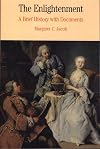
The flaws with this volume are the same that face many of the Bedford Series. Compacting an entire era into a slim volume means that some essential authors are inevitably left out while others are included for no apparent reason, while the selections that are included are often edited beyond recognition for length. In particular, Montagu's letters seemed like an attempt at political correctness with the inclusion of a woman (would de Gouges or Wollstonecraft have better filled that niche, show more however?). Jacob's introductory essay was thorough, but leaned too heavily upon her own areas of research, rather than presenting a balanced overview of the Enlightenment. show less
Mediocre, at best. Appleby, Hunt, adn Jacob are in love with the passive voice, which becomes so distracting and detracts from a decent text. The authors are not open advocates of post-modernism, but they are certainly enamored with many of its features. They trash traditional methods of the Enlightenment and some of the more pernicious features of post-modernism. They are in search of a third way, which I do not think they have found.
One major thing they fail to see is that relativism is show more not relativism. Relativism is mere repackaging of absolutism. In our relativistic world, one is safe being a relativist only if one agrees with the dominant social mores. The also fail to see that Nazism, Communism, and Facism (all related, and not opposite ends of the spectrum) are not modern. They are decidely post-modern. Nazi Germany was the logical conclusion of a relativist outlook. It was culturally "normal" for the Nazis to kill the Jews. A true relativist would have no problem with Nazi Germany. In this way, they fail to see the true benefits of modernity and the Enlightenment. The Enlightenment did have problems, but post-modernism is no solution. Appleby, Hunt, and Jacob's third way (mere retread Marxism) is no answer either.
The problem with these "clever" academic types is that they always want to throw out the baby with the bath water.
The book is readable (passive voice aside) and should be read with an open mind. Be careful not to buy all they are selling. show less
One major thing they fail to see is that relativism is show more not relativism. Relativism is mere repackaging of absolutism. In our relativistic world, one is safe being a relativist only if one agrees with the dominant social mores. The also fail to see that Nazism, Communism, and Facism (all related, and not opposite ends of the spectrum) are not modern. They are decidely post-modern. Nazi Germany was the logical conclusion of a relativist outlook. It was culturally "normal" for the Nazis to kill the Jews. A true relativist would have no problem with Nazi Germany. In this way, they fail to see the true benefits of modernity and the Enlightenment. The Enlightenment did have problems, but post-modernism is no solution. Appleby, Hunt, and Jacob's third way (mere retread Marxism) is no answer either.
The problem with these "clever" academic types is that they always want to throw out the baby with the bath water.
The book is readable (passive voice aside) and should be read with an open mind. Be careful not to buy all they are selling. show less
Strangers Nowhere in the World: The Rise of Cosmopolitanism in Early Modern Europe by Margaret C. Jacob
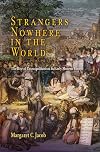
Margaret Jacob, I think unsuccessfully, tries to put the "Cosmopolitan" idea (at home anywhere in the world) in a historical context.
Arguably, she sees the origin of cosmopolitanism in the Enlightenment with the opening of international trade and exchange of scientific ideas (and strangely freemasonry?). While these aided a cosmopolitan outlook, she doesn't make the obvious connection between the Enlightenment and a return to the truly cosmopolitan classicism of Ancient Rome.
Roman show more citizenship was available to leading citizens across the Empire, regardless of race or place of birth.
Equally she sees Roman Catholicism as the enemy of "Cosmopolitanism" but surely Christianity was the real unifying idea in Middle Ages Europe, being indifferent to race or place of birth and bringing stability and literacy to the tribal areas of northern and eastern Europe.
She needed to acknowledge this in a book about cosmopolitanism although it's true that Catholicism had become rigid and unproductive by early modern times. show less
Arguably, she sees the origin of cosmopolitanism in the Enlightenment with the opening of international trade and exchange of scientific ideas (and strangely freemasonry?). While these aided a cosmopolitan outlook, she doesn't make the obvious connection between the Enlightenment and a return to the truly cosmopolitan classicism of Ancient Rome.
Roman show more citizenship was available to leading citizens across the Empire, regardless of race or place of birth.
Equally she sees Roman Catholicism as the enemy of "Cosmopolitanism" but surely Christianity was the real unifying idea in Middle Ages Europe, being indifferent to race or place of birth and bringing stability and literacy to the tribal areas of northern and eastern Europe.
She needed to acknowledge this in a book about cosmopolitanism although it's true that Catholicism had become rigid and unproductive by early modern times. show less
Awards


You May Also Like


Associated Authors
Statistics
- Works
- 30
- Also by
- 1
- Members
- 1,878
- Popularity
- #13,710
- Rating
- 3.5
- Reviews
- 15
- ISBNs
- 116
- Languages
- 3