
Molly Greeley
Author of The Heiress
Works by Molly Greeley
Tagged
Common Knowledge
- Gender
- female
- Agent
- Jennifer Weltz
- Nationality
- USA
- Birthplace
- Ann Arbor, Michigan, USA
- Associated Place (for map)
- Michigan, USA
Members
Reviews
The Clergyman's Wife: A Pride & Prejudice Novel (Pride & Prejudice: P.S. Insights, Interviews & More...) by Molly Greeley
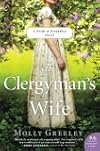
In The Clergyman’s Wife we find ourselves intruding upon the lives of William and Charlotte Collins. This Pride and Prejudice-inspired novel begins a few years after Charlotte Lucas, Elizabeth Bennett’s cherished friend, marries awkward, harried Mr. Collins and settles down in the quaintly comfortable Hunsford parsonage in Kent. Charlotte, having hastily recommended herself for marriage to Mr. Collins when Elizabeth adamantly rejected him, has resigned herself to her melancholy existence show more as his wife. She’d perceived her marital prospects as slim given her lack of natural beauty and inconvenient social standing, which elevated her above the neighboring hopefuls thanks to her father’s favoring vanity over economic prudence, and now she recognizes the gravity of her impetuous decision. If this weren't enough, their benefactress, Lady Catherine de Bourgh, of whom William Collins is ridiculously solicitous, diligently oversees nearly every aspect of their living arrangement, to Charlotte’s dismay. So when Charlotte witnesses her sister, Maria’s, excitement over her betrothal to the man she actually loves, irrespective of how their family or acquaintances view his humble profession of Apothecary, her own decision to settle for security over love leaves her with a degree of regret and sadness. Can anyone restore her initial grateful countenance?
Mr. Travis, a tenant farmer, has been commissioned by Lady Catherine de Bourgh, to beautify the Hunsford garden with roses. No botanist or gardener himself, but the son of one who painstakingly tended to the gardens of Rosing’s Park, Lady Catherine's estate, Mr. Travis sets out to accomplish the task for which he’s been assigned. His work in the Hunsford garden necessitates regular visits to the Collins' home of which Charlotte has grown accustomed. She is consciously aware of her anticipation of Mr. Travis’s visits and tries her utmost to appease herself with excuses for her imprudent feelings towards the man. Mr. Travis awakens her sensibilities in a way that her husband never has, and she is at once delighted by her thoughts and distressed by the impropriety associated with them. Charlotte is torn between loyalty to her well-meaning but emotionally distant husband and the anticipatory exhilaration in keeping congenial company with Mr. Travis. His apparent interest in her daughter, Louisa, her love of novels and sketching has enlivened Charlotte’s mundane existence, and has subsequently broadened her activities as a parson’s wife, impelling her to make visits upon the widows and elderly—bringing them gifts and conversing on a regular basis. Charlotte’s disposition has improved on account of Mr. Travis, and owing to this fact, her feeling of mortification and shame both chides her and spurs her on. What's a loyal, morally upright woman to do?
If you loved Pride & Prejudice, or enjoy historical novels, you won't want to miss The Clergyman’s Wife. Ms. Greeley’s melodious prose is descriptive and atmospheric; I could smell the damp leaves on the forest floor and hear the rustle of the dry leaves in the trees as the wind kicked up before a menacing downpour. I could see the Hunsford garden’s vibrant flowers swaying in the breeze while toddler, Louisa, squealed while frolicking. Events in the book evoked feelings of poignancy and mirth, and there was a nice balance between the two. The Mr. Collins and Lady Catherine de Bourgh characters so accurately embodied their familiar personalities from Pride and Prejudice that I found myself chuckling at their mannerisms and dialog, which was a real treat.
The Clergyman’s Wife is an even-paced, gentle read that elicits a feeling of longing to transport oneself back to the Regency era where gentility and propriety were the norm. show less
Mr. Travis, a tenant farmer, has been commissioned by Lady Catherine de Bourgh, to beautify the Hunsford garden with roses. No botanist or gardener himself, but the son of one who painstakingly tended to the gardens of Rosing’s Park, Lady Catherine's estate, Mr. Travis sets out to accomplish the task for which he’s been assigned. His work in the Hunsford garden necessitates regular visits to the Collins' home of which Charlotte has grown accustomed. She is consciously aware of her anticipation of Mr. Travis’s visits and tries her utmost to appease herself with excuses for her imprudent feelings towards the man. Mr. Travis awakens her sensibilities in a way that her husband never has, and she is at once delighted by her thoughts and distressed by the impropriety associated with them. Charlotte is torn between loyalty to her well-meaning but emotionally distant husband and the anticipatory exhilaration in keeping congenial company with Mr. Travis. His apparent interest in her daughter, Louisa, her love of novels and sketching has enlivened Charlotte’s mundane existence, and has subsequently broadened her activities as a parson’s wife, impelling her to make visits upon the widows and elderly—bringing them gifts and conversing on a regular basis. Charlotte’s disposition has improved on account of Mr. Travis, and owing to this fact, her feeling of mortification and shame both chides her and spurs her on. What's a loyal, morally upright woman to do?
If you loved Pride & Prejudice, or enjoy historical novels, you won't want to miss The Clergyman’s Wife. Ms. Greeley’s melodious prose is descriptive and atmospheric; I could smell the damp leaves on the forest floor and hear the rustle of the dry leaves in the trees as the wind kicked up before a menacing downpour. I could see the Hunsford garden’s vibrant flowers swaying in the breeze while toddler, Louisa, squealed while frolicking. Events in the book evoked feelings of poignancy and mirth, and there was a nice balance between the two. The Mr. Collins and Lady Catherine de Bourgh characters so accurately embodied their familiar personalities from Pride and Prejudice that I found myself chuckling at their mannerisms and dialog, which was a real treat.
The Clergyman’s Wife is an even-paced, gentle read that elicits a feeling of longing to transport oneself back to the Regency era where gentility and propriety were the norm. show less
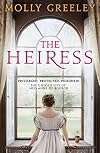
Not being a fan of Pride and Prejudice - shock horror! - my limited knowledge of Anne de Bourgh, Lady Catherine's sickly daughter and Darcy's cousin, comes from Rosamund Stephen's silent, bespectacled portrayal in the 2005 film adaptation. I'm not really sure why I wanted to read this continuation about Anne's life after Darcy and Lizzie's meeting at Rosings, but I'm glad I did!
And because I was ill, nothing ever changed in my life from year to year, and so I had nothing to talk about.
I show more really enjoyed Anne's narration in Molly Greeley's sequel. First person narration can sound clumsy and unnatural when forced on a bland character but Anne's voice is wonderfully lyrical and thoughtful:
My breast filled with affection for the ivy: its rustling three-pronged leaves, its apparent stillness and inexorable creep. And at the same time, I was sometimes punched by sympathy for the tree, for, just as inexorably, it was being smothered.
The author doesn't try to ape Austen, which I appreciated, and creates instead almost her own world inhabited by characters with familiar names.
I also loved the back story explaining Anne's delicate health in Pride and Prejudice - dosed on laudanum since she was a colicky baby, Anne is an addict by the time we meet her at Rosings, and her mother Lady Catherine almost guilty of Munchausen's by proxy! Shocking but also believable and more dramatic than a mere nervous complaint or leaving her as a frail, fainting maiden. Her path to recovery is also well done, and I loved the emphasis on Anne's inheritance of Rosings and the way the house gives her strength.
The romantic subplot also felt natural to me, if a little reminiscent of Mrs Everything by Jennifer Weiner. Turning Anne into Gentleman Jack might appal some Austenites - like the reviewer who announced that she deleted her copy after a kiss! - but I feel there is too much heteronormativity in Austen sequels and welcome a different view.
The middle section of the book in London could have been shortened - whole years fly by in a chapter and then interminable drawing room scenes drag on forever - and there a few anachronisms and Americanisms but overall this was a delightful sequel! show less
And because I was ill, nothing ever changed in my life from year to year, and so I had nothing to talk about.
I show more really enjoyed Anne's narration in Molly Greeley's sequel. First person narration can sound clumsy and unnatural when forced on a bland character but Anne's voice is wonderfully lyrical and thoughtful:
My breast filled with affection for the ivy: its rustling three-pronged leaves, its apparent stillness and inexorable creep. And at the same time, I was sometimes punched by sympathy for the tree, for, just as inexorably, it was being smothered.
The author doesn't try to ape Austen, which I appreciated, and creates instead almost her own world inhabited by characters with familiar names.
I also loved the back story explaining Anne's delicate health in Pride and Prejudice - dosed on laudanum since she was a colicky baby, Anne is an addict by the time we meet her at Rosings, and her mother Lady Catherine almost guilty of Munchausen's by proxy! Shocking but also believable and more dramatic than a mere nervous complaint or leaving her as a frail, fainting maiden. Her path to recovery is also well done, and I loved the emphasis on Anne's inheritance of Rosings and the way the house gives her strength.
The romantic subplot also felt natural to me, if a little reminiscent of Mrs Everything by Jennifer Weiner. Turning Anne into Gentleman Jack might appal some Austenites - like the reviewer who announced that she deleted her copy after a kiss! - but I feel there is too much heteronormativity in Austen sequels and welcome a different view.
The middle section of the book in London could have been shortened - whole years fly by in a chapter and then interminable drawing room scenes drag on forever - and there a few anachronisms and Americanisms but overall this was a delightful sequel! show less
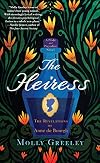
In "The Heiress," Molly Greeley focuses on Anne de Bourgh, a minor character in Jane Austen's Regency-era classic, "Pride and Prejudice." Anne's mother, Lady Catherine, had long ago betrothed her daughter—who will someday inherit Rosings Park in Kent, her family's lavish estate—to Anne's cousin, Fitzwilliam Darcy. Unfortunately, when Anne was an infant, she cried loudly and incessantly, and following the instructions of the local doctor, her nursemaid dosed the baby with laudanum show more (tincture of opium) to quiet her. Anne became an addict who had hallucinations, strange dreams, and little appetite. She grew up in a bubble, with no friends and limited knowledge of the world. Anne, who narrates, says mournfully "I had been dormant as a winter tree, waiting for a spring that never came."
The author beautifully depicts Anne and the people who influence her, for good or ill. Aside from Lady Catherine, there are John, Anne's goodhearted cousin; his wife, Harriet, who is initially put off by Anne's strange demeanor; Mr. Watters, Harriet's brother, a potential suitor; and Eliza Amherst, a young woman who opens Anne's eyes and mind to a host of unconventional thoughts and feelings. Greeley's writing is poetic and occasionally sublime (Anne describes her younger self as "ill-defined as the edges of a ghost"). When she comes into her own, Anne is overwhelmed by unfamiliar ideas and emotions. What choices will she make in the future? Will she abide by or reject society's expectations of her?
Greeley captures the wonders of nature, from tiny insects to chittering birds and towering oak trees. For Anne, Rosings Park is both a blessing and a curse. Because she will eventually own this splendid property, she is beholden to no one. However, Anne and her dictatorial mother clash when Lady Catherine balks at the prospect of surrendering her authority. "The Heiress" is a rich and fascinating tale in which Greeley uses Jane Austen's work as a starting-off point, and then makes it her own. This is not a light comedy of manners with serious undertones. Instead, it is a poignant psychological study of a caged bird attempting to escape her confines, and of those who support her determination to chart her own destiny. show less
The author beautifully depicts Anne and the people who influence her, for good or ill. Aside from Lady Catherine, there are John, Anne's goodhearted cousin; his wife, Harriet, who is initially put off by Anne's strange demeanor; Mr. Watters, Harriet's brother, a potential suitor; and Eliza Amherst, a young woman who opens Anne's eyes and mind to a host of unconventional thoughts and feelings. Greeley's writing is poetic and occasionally sublime (Anne describes her younger self as "ill-defined as the edges of a ghost"). When she comes into her own, Anne is overwhelmed by unfamiliar ideas and emotions. What choices will she make in the future? Will she abide by or reject society's expectations of her?
Greeley captures the wonders of nature, from tiny insects to chittering birds and towering oak trees. For Anne, Rosings Park is both a blessing and a curse. Because she will eventually own this splendid property, she is beholden to no one. However, Anne and her dictatorial mother clash when Lady Catherine balks at the prospect of surrendering her authority. "The Heiress" is a rich and fascinating tale in which Greeley uses Jane Austen's work as a starting-off point, and then makes it her own. This is not a light comedy of manners with serious undertones. Instead, it is a poignant psychological study of a caged bird attempting to escape her confines, and of those who support her determination to chart her own destiny. show less
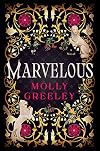
This is a hard book to review. At times I was overwhelmed by the writing. Other times I was annoyed, really annoyed and I just can’t seem to reconcile my disparate feelings. But I read on and on and the story was not what I expected. That is not to say I am unfamiliar with the story but the telling was just not what I expected. I am not sure if that is my fault for having unrealistic expectations or the fault of the book for combining an historic story with distracting prose. More problems show more there because while the prose was well prosaic, it didn’t seem to mesh.
“There is no history here, no weight. All is gossamer.” I admire the effort, the work, the thought, the coordination and execution but it lacked that something that makes for a compelling story. Thank you HarperCollins and NetGalley for a copy. show less
“There is no history here, no weight. All is gossamer.” I admire the effort, the work, the thought, the coordination and execution but it lacked that something that makes for a compelling story. Thank you HarperCollins and NetGalley for a copy. show less
Lists
Awards


You May Also Like


Associated Authors
Statistics
- Works
- 3
- Members
- 530
- Popularity
- #46,960
- Rating
- 3.6
- Reviews
- 43
- ISBNs
- 36