
Ruth Minsky Sender
Author of The Cage
About the Author
Works by Ruth Minsky Sender
Riva Minska nr. 55082 1 copy
Holocaust Lady 1 copy
Associated Works
With All My Heart, With All My Mind: Thirteen Stories About Growing Up Jewish (1999) — Contributor — 62 copies, 1 review
Tagged
Common Knowledge
- Other names
- Minska, Rifkele Riva (birth name)
- Birthdate
- 1926-05-03
- Gender
- female
- Occupations
- memoirist
Holocaust survivor - Short biography
- Ruth Minsky Sender was born Rifkele Riva Minska to a Jewish family in Łódź, Poland, the fourth of seven children. Before the invasion of Poland in World War II, her older sisters fled to Russia to escape forced labor. Ruith, her mother, and three younger brothers were forced into the Łódź Ghetto. In September 1942, their mother was seized by the Nazis during a raid of the ghetto, leaving young Ruth to care for her brothers. They were rounded up with other Jews in the ghetto and sent to Auschwitz. She was transported to a labor camp in Mittelsteine, where she contracted blood poisoning from a cut to her hand and was hospitalized. She was then deported to the labor camp at Grafenort, Germany. She survived and was liberated by the Red Army. After the war, she returned to Łódź with friends from the camp and met Moniek Senderowicz (later Sender), whom she married six weeks later. They decided they could not live in Poland and arranged to be sent to a displaced persons camp in Germany, where two of their four children were born. Ruth was later reunited with one brother and the sisters who had escaped to Russia.
The family emigrated to the USA, settling on Long Island, New York. She wrote four books about her Holocaust experiences, The Cage (1986), To Life (1988), Remember Your Name (1997), and Holocaust Lady (1999). - Nationality
- Poland
USA - Birthplace
- Lodz, Poland
- Places of residence
- Lodz, Poland
Long Island, New York, USA
Germany - Associated Place (for map)
- Long Island, New York, USA
Members
Reviews
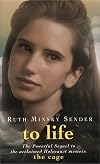
This book continues Ruth's life after she is liberated from the concentration camp. Again, Sender does a wonderful describing what she goes through and you truly feel that you are experiencing it all with her and cheering her on.
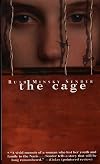
The Cage is a story written in the point of view of a woman named Riva. She tells the story of how she lived through World War II. The story starts with Riva talking to her daughter she had after the war in her new life. She then begins her story of what happened to her during WWII. Riva's family and other neighbors had heard about the Germans taking away the Jews. First they thought "they would never take children and mothers." but soon the Germans came to their town. They took the men to show more labor camps and women and children to other camps along with some men. Riva's family was close friends with another family but they had German blood and were given a choice join the labor camps or join the Germans. They chose the Germans and as instructed took all of Riva family's belongings. Soon after Riva, her mother and her two brothers were sent to a camp. One of her brothers became very sick with tuberculous. Her mother became sick too and was sent to a different camp. Riva has to take care of her two brothers. The Germans want to take the kids and put them for adoption but Riva and her brothers don't want to be split up, so Riva eventually gets them to allow her to adopt her brothers as a guardian. Soon later her brother with tuberculous passed away. After that they are moved to a smaller house. After living in the smaller house they decide to move to a new camp everyone is going to.
They are moved with some new friends they made and try to stick together. Riva ends up with two girls they were friends with but is split up from her brothers. Riva is very weak and too small to work the machine she is assigned to so she is sent to a digging job. During this time she finds paper bags and a pencil and starts writing poetry. While she is her digging job she gets a cut in her hand and it begins to infect her whole hand and up her arm. She becomes very infected and the girls beg for the camp warden to take her to a hospital. The warden finally lets a guard take her. Most of the hospitals wont see Riva because she is a jew. Finally they find a hospital willing to take a look. The infection is slightly treated but a possibility of amputation of her arm is brought up. Riva knows without her arm she kill be killed because she cannot work. The infection dies down and she is able to work again. She spends a long time in the camp "hospital" for recovery but is let into a job cleaning the Guards facilities. Soon later Riva and other girls from the camp are moved to another camp. They work digging trenches for the soldiers until the Russians take the camp and the girls are "freed." Riva tries to find her brothers but she only finds one of them and her brother and sister who hid in another country. In the end Riva finishes her story she was telling her daughter.
I liked this book because it was very honest about what happened during WWII, it was very emotional i caught myself crying at times, and the characters are very attachable. Around the time of the end of the war most things published were moderated or something to make the Germans look less bad, but this story is honest and really tells the reader about the terrible things that happened. This book will probably make the worlds toughest man cry, the story is horrifying that people could possibly be that terrible and so depressing to read how much people suffered. The characters are really easy to get attached to, like Riva when you're reading this you will find yourself cheering her on or even crying for her. In conclusion this book is a worthy award winner and i think is a must read for all young adults. show less
They are moved with some new friends they made and try to stick together. Riva ends up with two girls they were friends with but is split up from her brothers. Riva is very weak and too small to work the machine she is assigned to so she is sent to a digging job. During this time she finds paper bags and a pencil and starts writing poetry. While she is her digging job she gets a cut in her hand and it begins to infect her whole hand and up her arm. She becomes very infected and the girls beg for the camp warden to take her to a hospital. The warden finally lets a guard take her. Most of the hospitals wont see Riva because she is a jew. Finally they find a hospital willing to take a look. The infection is slightly treated but a possibility of amputation of her arm is brought up. Riva knows without her arm she kill be killed because she cannot work. The infection dies down and she is able to work again. She spends a long time in the camp "hospital" for recovery but is let into a job cleaning the Guards facilities. Soon later Riva and other girls from the camp are moved to another camp. They work digging trenches for the soldiers until the Russians take the camp and the girls are "freed." Riva tries to find her brothers but she only finds one of them and her brother and sister who hid in another country. In the end Riva finishes her story she was telling her daughter.
I liked this book because it was very honest about what happened during WWII, it was very emotional i caught myself crying at times, and the characters are very attachable. Around the time of the end of the war most things published were moderated or something to make the Germans look less bad, but this story is honest and really tells the reader about the terrible things that happened. This book will probably make the worlds toughest man cry, the story is horrifying that people could possibly be that terrible and so depressing to read how much people suffered. The characters are really easy to get attached to, like Riva when you're reading this you will find yourself cheering her on or even crying for her. In conclusion this book is a worthy award winner and i think is a must read for all young adults. show less
Although this book states that it is for 12 year olds, I, a 29 year old, highly enjoyed it. It is a holocaust memoir about Riva and her life in the ghetto and concentration camps. Riva is only 16 years old, however when her mother is sent to a concentration camp, she becomes mother to her younger brothers. Joined by love, Riva is able to keep the family together for only a short time before she is separated and sent to a labor camp. Riva injures her hand and becomes seriously ill. show more Miraculously, the camp commandant allows her to leave the camp and meet with an outside doctor.
This book is well-written and engaging. The reader comes to care for the family and pulls for their survival. Overall this is a good holocaust memoir, which I would recommend for anyone. show less
This book is well-written and engaging. The reader comes to care for the family and pulls for their survival. Overall this is a good holocaust memoir, which I would recommend for anyone. show less
A girl describes living in Poland before, during and after the Holocaust. When the Nazi's invade Poland, Riva's mother sends her 3 older children to what she hopes is safety in Russia believing women and young children would be safe in Poland. Soon she is rounded up by the Nazi's and taken from her family. It is up to Riva to care for her younger brothers one of whom has tb.
Living in the Warsaw ghetto is dangerous. It is overcrowded; there are few jobs, little food and medicine, and no show more heat. The Nazi's conduct routine round-ups. Riva finds work but soon cannot walk because of malnutrition. Her brothers give up their bread to get Riva medicine so she can walk and work again. She works from home so she can care for Laibele. During round-ups they scurry to hide in a recessed area of the basement.
Friends and neighbors help each other with moral support and news. Riva and her brothers decide to hide the forbidden Jewish library in their home, knowing they could be killed if it is found.
But after Laibele's death, freezing and starving, Riva and her brothers along with the few remaining Jews actually decide to allow the Nazi's to "relocate" them thinking it might improve their lives. Though warned not to go, they do. They are stuffed into a cattle cars and transported for days without sufficient resources and end up at a concentration camp where Riva is separated from her brothers. This young girl who was part of a large, loving close-knit family is now on her own.
Her life there is hellish - very little food, sleep, or hygiene and back-breaking labor but at least she is with some girls from home. When her hand is dangerously injured it is the determination of the Jewish camp doctor demanding that she be taken to a doctor in town. Only one doctor in town will help her with surgery and medicine, and she survives. The Nazi in charge is impressed with Riva and finds easier work for her.
The war draws to an end and again Riva miraculously survives being killed off by the Nazis as the liberators approach. Riva learns her younger brothers were all killed. But she does meet up again with her 3 older siblings and they all relocate to the US.
I would only allow an older, more mature child (teens) to read this and only if (s)he is already familiar with the horrors of the Holocaust.
Alternatively, The Cage could potentially provide adults with little knowledge of the Holocaust an introduction and wake-up call. show less
Living in the Warsaw ghetto is dangerous. It is overcrowded; there are few jobs, little food and medicine, and no show more heat. The Nazi's conduct routine round-ups. Riva finds work but soon cannot walk because of malnutrition. Her brothers give up their bread to get Riva medicine so she can walk and work again. She works from home so she can care for Laibele. During round-ups they scurry to hide in a recessed area of the basement.
Friends and neighbors help each other with moral support and news. Riva and her brothers decide to hide the forbidden Jewish library in their home, knowing they could be killed if it is found.
But after Laibele's death, freezing and starving, Riva and her brothers along with the few remaining Jews actually decide to allow the Nazi's to "relocate" them thinking it might improve their lives. Though warned not to go, they do. They are stuffed into a cattle cars and transported for days without sufficient resources and end up at a concentration camp where Riva is separated from her brothers. This young girl who was part of a large, loving close-knit family is now on her own.
Her life there is hellish - very little food, sleep, or hygiene and back-breaking labor but at least she is with some girls from home. When her hand is dangerously injured it is the determination of the Jewish camp doctor demanding that she be taken to a doctor in town. Only one doctor in town will help her with surgery and medicine, and she survives. The Nazi in charge is impressed with Riva and finds easier work for her.
The war draws to an end and again Riva miraculously survives being killed off by the Nazis as the liberators approach. Riva learns her younger brothers were all killed. But she does meet up again with her 3 older siblings and they all relocate to the US.
I would only allow an older, more mature child (teens) to read this and only if (s)he is already familiar with the horrors of the Holocaust.
Alternatively, The Cage could potentially provide adults with little knowledge of the Holocaust an introduction and wake-up call. show less
Awards


You May Also Like


Associated Authors
Statistics
- Works
- 6
- Also by
- 1
- Members
- 922
- Popularity
- #27,829
- Rating
- 4.1
- Reviews
- 49
- ISBNs
- 22
- Languages
- 1
- Favorited
- 1