
Leon de Winter
Author of God's Gym
About the Author
Works by Leon de Winter
Revolutie 6 copies
Supersex 4 copies
Orgia : aantekeningen voor een roman 3 copies
De dertiende deur — Author — 1 copy
Vromans toekomst 1 copy
Het huwelijk 1 copy
Gods's Gym 1 copy
Het recht op terugkeer 1 copy
Serenade 1 copy
Associated Works
De Nederlandse en Vlaamse literatuur vanaf 1880 in 250 verhalen (2005) — Contributor — 78 copies, 2 reviews
Nothing Makes You Free: Writings by Descendants of Jewish Holocaust Survivors (2002) — Contributor — 72 copies, 1 review
Tagged
Common Knowledge
- Canonical name
- Winter, Leon de
- Birthdate
- 1954-02-24
- Gender
- male
- Occupations
- writer
movie producer - Awards and honors
- WELT-Literaturpreis (2002)
- Relationships
- Durlacher, Jessica (spouse)
Durlacher, G.L. (father-in-law)
Winter, Solomonica de (daughter) - Nationality
- Netherlands
- Birthplace
- 's-Hertogenbosch, Noord-Brabant, Netherlands
- Places of residence
- Den Bosch, Netherlands
- Map Location
- Netherlands
- Associated Place (for map)
- Netherlands
Members
Reviews
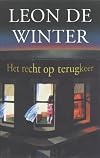
Very well plotted and written novel about a Dutch Jewish male line of scientists who straddle the Israeli-western world and are confronted with a missing (grand)son, who turns out to be a key player in an international terrorist plot. Definite themes are strained father-son relations (a web of disappointment and unreturned love) and a siege mentality that leads to a national psychosis, as reflected in a shrinking and collapsing Israel in a hostile, domineering arab world, portrayed in 2024. show more
Since 2024 is just around the corner (two years from now), one gets a fair idea of how mis-placed and ludicrous this Jewish apartheid mentality of fear (‘waiting for the barbarians’) is. A fear that translates into and legitimizes ruthless racial oppression of the enemy (arabs). De Winter is a political spin doctor who wants us, the readers, to believe that the moment of destruction of the Jewish state lies just around the corner, and that the sharia is about to be introduced in a neighbourhood of one of the most liberal-minded cities in the world (Amsterdam). Perhaps the only arab assassination of a Dutch film maker (2004, Theo van Gogh) made de Winter hit this level of hysteria, or perhaps it is just good old fashioned Shoah based victimhood combined with a toxic sense of (democratic) superiority and wealth that besets the Israeli state. In any case if one substitutes the West bank or Gaza strip for Israel in the writer’s description of shrinking territory and collapsing surveillance society, where one is never quite sure of surviving the enemy’s onslaught, then it would be almost correct for 2024, I suspect…
Yet the novel provides useful insights into this siege mentality, portrays the different standpoints one can take in this on-going debate, and moreover gives us a superb novel on strained father-son relations. Once one recognizes and acknowledges the complete and unjustified bias presented by de Winter, one can actually enjoy this novel! show less
Since 2024 is just around the corner (two years from now), one gets a fair idea of how mis-placed and ludicrous this Jewish apartheid mentality of fear (‘waiting for the barbarians’) is. A fear that translates into and legitimizes ruthless racial oppression of the enemy (arabs). De Winter is a political spin doctor who wants us, the readers, to believe that the moment of destruction of the Jewish state lies just around the corner, and that the sharia is about to be introduced in a neighbourhood of one of the most liberal-minded cities in the world (Amsterdam). Perhaps the only arab assassination of a Dutch film maker (2004, Theo van Gogh) made de Winter hit this level of hysteria, or perhaps it is just good old fashioned Shoah based victimhood combined with a toxic sense of (democratic) superiority and wealth that besets the Israeli state. In any case if one substitutes the West bank or Gaza strip for Israel in the writer’s description of shrinking territory and collapsing surveillance society, where one is never quite sure of surviving the enemy’s onslaught, then it would be almost correct for 2024, I suspect…
Yet the novel provides useful insights into this siege mentality, portrays the different standpoints one can take in this on-going debate, and moreover gives us a superb novel on strained father-son relations. Once one recognizes and acknowledges the complete and unjustified bias presented by de Winter, one can actually enjoy this novel! show less

A feature of novels, particularly, and stories by Jewish writers, regardless of their nationality, seems their unrelentless quest for their identity, coupled with a great sense of humour, often at their own expense. This makes their works extremely readable.
In Dutch literature, there are not many Jewish writers, who write that kind of literature. Unfortunately, especially among older writers the trauma of the holocaust is still all pervading - a horror of such tremendous scope and impact show more that no author nor reader should pass over. Belonging to a younger generation, Leon de Winter breaths more freedom in choice of themes.
Supertex is about two brothers independently rediscovering their roots. The elder brother, Max Breslauer, is a businessman leading the textile imperium. He leads a lifestyle of fast cars, penthouse and gorgeous girlfriend, until one day he is confronted with a family of orthodox Jews, in a way that literary arrests him is his stride, and leads him to contemplate his life, on the couch, and find what has been missing. Earlier, out of his sight, his younger brother Benjamin, whom Max despises, has made a similar discovery. On a business trip to Marocco, he has fallen in love and married a girl into an orthodox Jewish family.
Supertex is a very well-written, high-speed novel. De Winter plays a masterful trick on the readers portraying the orthodox Jews, and making the reader sympathize with Max in the incident which is the turning point in Max' life. Brilliant! show less
In Dutch literature, there are not many Jewish writers, who write that kind of literature. Unfortunately, especially among older writers the trauma of the holocaust is still all pervading - a horror of such tremendous scope and impact show more that no author nor reader should pass over. Belonging to a younger generation, Leon de Winter breaths more freedom in choice of themes.
Supertex is about two brothers independently rediscovering their roots. The elder brother, Max Breslauer, is a businessman leading the textile imperium. He leads a lifestyle of fast cars, penthouse and gorgeous girlfriend, until one day he is confronted with a family of orthodox Jews, in a way that literary arrests him is his stride, and leads him to contemplate his life, on the couch, and find what has been missing. Earlier, out of his sight, his younger brother Benjamin, whom Max despises, has made a similar discovery. On a business trip to Marocco, he has fallen in love and married a girl into an orthodox Jewish family.
Supertex is a very well-written, high-speed novel. De Winter plays a masterful trick on the readers portraying the orthodox Jews, and making the reader sympathize with Max in the incident which is the turning point in Max' life. Brilliant! show less
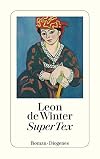
Weil seine unfähige Sekretärin eine Akte vertauscht hat, kann Max Breslauer jetzt den wichtigen Anruf nicht tätigen und muss am Samstagmorgen ins Büro. In seinem Porsche rast er mit viel zu hoher Geschwindigkeit durch Amsterdam und fährt prompt einen chassidischen Jungen an. Wie kann er als Jude überhaupt zu dieser Zeit in einem Auto sitzen, noch dazu in einem Porsche? Plötzlich bricht alles über ihn herein und er ruft Dr. Jansen an, eine Psychologin, bei der er schon einmal in show more Behandlung war. Er drängt sie, den ganzen Tag für ihn zu reservieren und auf der Couch kommt er tatsächlich nicht nur ins Reden, sondern muss sich seinem ganzen Leben stellen: der komplizierten Beziehung zu seinem Vater, der das SuperText Imperium aufgebaut hatte, das er jetzt leitet; seine gescheiterte Beziehung zu Esther und das Verhältnis zu seinem jüngeren Bruder Boy. Was steckt hinter der Fassade Max Breslauer, dem erfolgreichen Unternehmer?
Leon de Winters Roman erschien bereits Anfang der 1990er Jahre auf Niederländisch, doch der Text hat nichts von seiner Aussagekraft verloren. Ganz im Gegenteil, für mich zeigt sich gerade in diesem Buch de Winters die besondere Stäke des Welt-Literatur- und Buber-Rosenzweig-Medaillen-Preisträgers: er lässt die großen Fragen des Lebens in einem einzigen Augenblick kulminieren und führt vor allem die Spannung zwischen weltlichem und religiösem Leben und der Bedeutung der Wurzeln zu einem grandiosen Höhepunkt. Interessant, wenn auch unbeantwortet, bleibt dabei die Frage, wie viel von de Winter selbst in seinem Protagonisten steckt. Ganz sicher jedoch steckt in dem Roman sehr viel jüdischer Humor und Ironie, die hervorragend mit der Melodramatik der Handlung austariert sind.
Max Breslauer ist – genau wie sein Vater – fast schon eine Karikatur des wohlhabenden Juden: wirtschaftlich erfolgreich, selbstherrlich; arrogant und jähzornig gegenüber anderen und rücksichtslos, wenn es ums Geschäft geht. Doppelmoral wird von beiden entspannt gelebt: geheiratet wird nur ein jüdisches Mädchen, mit wem man daneben noch das Bett teilt, ist weniger relevant; Regeln des Kashrut werden eher nach Bedarf ausgelegt denn befolgt; wenn es der Sache jedoch dient, kann man sich auch zügig wieder seiner jüdischen Herkunft besinnen und die Erlebnisse des Holocaust als Argumentationsschleuder verwenden. Dies entlässt Max jedoch nicht aus dem schwierigen Verhältnis zu dem Familienoberhaupt, das einst als einziger das Konzentrationslager überlebt hat. Sind es zunächst typisch pubertäre Streitigkeiten, führen die Auseinandersetzungen jedoch schließlich so weit, dass der Sohn beinahe zum Vatermörder wird.
Über den Bruder erfährt man zunächst nur, dass dieser in Casablanca sitzt, die ehemalige Partnerin ist nach Israel geflohen. Es scheint als wenn Max ein Händchen für komplizierte Beziehungen hätte, die sich vor allem dadurch lösen lassen, dass die anderen davonlaufen. Doch der Tag der Läuterung ist bereits angebrochen und auch wenn weitere Rückschläge noch an selbigem drohen, ist der Wandlungsprozess nicht mehr aufzuhalten.
Ganz herrliche Szenen hat de Winter in seinem Roman geschaffen - allein das Essen beim ersten Besuch der Freundin erinnert fast einen Sketsch aus Loriots Hand – auch die Erkenntnis des Protagonisten führt über eine gehörige Portion Selbstironie. So wird das analytische Gespräch zu einer unterhaltsamen Angelegenheit und bleibt trotz der Tragik leicht im Ton. show less
Leon de Winters Roman erschien bereits Anfang der 1990er Jahre auf Niederländisch, doch der Text hat nichts von seiner Aussagekraft verloren. Ganz im Gegenteil, für mich zeigt sich gerade in diesem Buch de Winters die besondere Stäke des Welt-Literatur- und Buber-Rosenzweig-Medaillen-Preisträgers: er lässt die großen Fragen des Lebens in einem einzigen Augenblick kulminieren und führt vor allem die Spannung zwischen weltlichem und religiösem Leben und der Bedeutung der Wurzeln zu einem grandiosen Höhepunkt. Interessant, wenn auch unbeantwortet, bleibt dabei die Frage, wie viel von de Winter selbst in seinem Protagonisten steckt. Ganz sicher jedoch steckt in dem Roman sehr viel jüdischer Humor und Ironie, die hervorragend mit der Melodramatik der Handlung austariert sind.
Max Breslauer ist – genau wie sein Vater – fast schon eine Karikatur des wohlhabenden Juden: wirtschaftlich erfolgreich, selbstherrlich; arrogant und jähzornig gegenüber anderen und rücksichtslos, wenn es ums Geschäft geht. Doppelmoral wird von beiden entspannt gelebt: geheiratet wird nur ein jüdisches Mädchen, mit wem man daneben noch das Bett teilt, ist weniger relevant; Regeln des Kashrut werden eher nach Bedarf ausgelegt denn befolgt; wenn es der Sache jedoch dient, kann man sich auch zügig wieder seiner jüdischen Herkunft besinnen und die Erlebnisse des Holocaust als Argumentationsschleuder verwenden. Dies entlässt Max jedoch nicht aus dem schwierigen Verhältnis zu dem Familienoberhaupt, das einst als einziger das Konzentrationslager überlebt hat. Sind es zunächst typisch pubertäre Streitigkeiten, führen die Auseinandersetzungen jedoch schließlich so weit, dass der Sohn beinahe zum Vatermörder wird.
Über den Bruder erfährt man zunächst nur, dass dieser in Casablanca sitzt, die ehemalige Partnerin ist nach Israel geflohen. Es scheint als wenn Max ein Händchen für komplizierte Beziehungen hätte, die sich vor allem dadurch lösen lassen, dass die anderen davonlaufen. Doch der Tag der Läuterung ist bereits angebrochen und auch wenn weitere Rückschläge noch an selbigem drohen, ist der Wandlungsprozess nicht mehr aufzuhalten.
Ganz herrliche Szenen hat de Winter in seinem Roman geschaffen - allein das Essen beim ersten Besuch der Freundin erinnert fast einen Sketsch aus Loriots Hand – auch die Erkenntnis des Protagonisten führt über eine gehörige Portion Selbstironie. So wird das analytische Gespräch zu einer unterhaltsamen Angelegenheit und bleibt trotz der Tragik leicht im Ton. show less

VSV of daden van onbaatzuchtigheid by Leon de Winter is a thriller, based on a possible but unlikely scenario, combined with a metaphysical plot line. To begin with the latter, the novel suggests that some souls of the recently deceased do not immediately go to Heaven, but remain in a dwelling place before going on to Heaven. These souls can still roam the earth, and even, though with great difficulty, interact with the living. There presence on earth is described as spirits; the dwelling show more place is described as a "waiting room" or "limbo". In this state, the soul can become a guardian angel. Souls and angels "in limbo" must perform an act of benevolence, before being admitted to Heaven.
Throughout the novel the "in limbo" plot involves the Dutch author Theo van Gogh who was murdered by a moslem extremist. Theo van Gogh was considered rude and insensitive, not just with moslem immigrants, but with anyone in Dutch society. His soul is "coached" by another soul "in limbo", namely that of an African-American priest, Jimmy Davis, who broke the celibacy, and needs to make up for that "sin". The "in limbo"-episodes are sufficiently light and humourous, suggesting both "in limbo" and Heaven are based on an extensive bureaucracy. The subtitle of the novel is Daden van onbaatzuchtigheid ("Acts of Benevolence"). Soul are not free, but assigned a target, and Theo van Gogh's target is to protect Max Kohn.
The novel VSV of daden van onbaatzuchtigheid has a by Dutch standards unusually intricate plot, involving many characters based on the jet-set of Amsterdam. Max Kohn is a Jewish retiree, who lives on the capital he hoarded ten years earlier as the big boss of a criminal organization selling narcotics. He owes his life to a heart transplantation, in which he received the heart of the African-American priest, Jimmy Davis. Through Davis' family, he discovers that Davis had an amorous affair with Sonja. Sonja is Max' ex-girlfriend. They separated ten years earlier, after Max was arrested and sent in exile. Since then, Sonja has avoided Max, and knowing that he is in Amsterdam, she tries to leave the country as soon as possible. Above all, she tries to protect her son, about whom Max knows nothing, however, the kid has found out that Max Kohn is his father.
During his criminal career, Max Kohn had a right-hand assistant, who protected him. This Moroccan associate was tried and convicted for the murder of two men who tried to murder Kohn. Before being locked up, he was able to stash away a large amount of money and weapons, which is discovered by his son, who uses the money and weapons to plan a series of terrorist attacks. Thus, Sonja is unable to leave Amsterdam, as in quick succession a bomb explodes under the Amsterdam town hall, and moslem extremists kidnap an airplane at Amsterdam Airport. As the crisis unfolds, various members of the jet-set make their appearance in the novel, each with ties to the main characters.
The kidnapped airplane leaves taking a number of hostages, but makes a U-turn and returns the following morning. As tensions rise and the plane's flight path is ascertained, the next part of the terrorist attack is unfolded, consisting of the kidnap of an elite school, "VSV" in the Amsterdam south district. This situation is resolved involving all characters in the book, including the Act of Benevolence by guardian angel Theo van Gogh.
VSV of daden van onbaatzuchtigheid is a very high-paced thriller, displaying a great deal of humour and irony. The novel is very well written, providing a kaleidoscopic view of Amsterdam high society, in which everyone has ties to everyone, suggesting many illicit affairs. The intricate and possible but unlikely plot, mirrors the typical post-9/11 thriller involving a multiple target terrorist attack, blending reality and fiction.
Very well done and highly recommended. show less
Throughout the novel the "in limbo" plot involves the Dutch author Theo van Gogh who was murdered by a moslem extremist. Theo van Gogh was considered rude and insensitive, not just with moslem immigrants, but with anyone in Dutch society. His soul is "coached" by another soul "in limbo", namely that of an African-American priest, Jimmy Davis, who broke the celibacy, and needs to make up for that "sin". The "in limbo"-episodes are sufficiently light and humourous, suggesting both "in limbo" and Heaven are based on an extensive bureaucracy. The subtitle of the novel is Daden van onbaatzuchtigheid ("Acts of Benevolence"). Soul are not free, but assigned a target, and Theo van Gogh's target is to protect Max Kohn.
The novel VSV of daden van onbaatzuchtigheid has a by Dutch standards unusually intricate plot, involving many characters based on the jet-set of Amsterdam. Max Kohn is a Jewish retiree, who lives on the capital he hoarded ten years earlier as the big boss of a criminal organization selling narcotics. He owes his life to a heart transplantation, in which he received the heart of the African-American priest, Jimmy Davis. Through Davis' family, he discovers that Davis had an amorous affair with Sonja. Sonja is Max' ex-girlfriend. They separated ten years earlier, after Max was arrested and sent in exile. Since then, Sonja has avoided Max, and knowing that he is in Amsterdam, she tries to leave the country as soon as possible. Above all, she tries to protect her son, about whom Max knows nothing, however, the kid has found out that Max Kohn is his father.
During his criminal career, Max Kohn had a right-hand assistant, who protected him. This Moroccan associate was tried and convicted for the murder of two men who tried to murder Kohn. Before being locked up, he was able to stash away a large amount of money and weapons, which is discovered by his son, who uses the money and weapons to plan a series of terrorist attacks. Thus, Sonja is unable to leave Amsterdam, as in quick succession a bomb explodes under the Amsterdam town hall, and moslem extremists kidnap an airplane at Amsterdam Airport. As the crisis unfolds, various members of the jet-set make their appearance in the novel, each with ties to the main characters.
The kidnapped airplane leaves taking a number of hostages, but makes a U-turn and returns the following morning. As tensions rise and the plane's flight path is ascertained, the next part of the terrorist attack is unfolded, consisting of the kidnap of an elite school, "VSV" in the Amsterdam south district. This situation is resolved involving all characters in the book, including the Act of Benevolence by guardian angel Theo van Gogh.
VSV of daden van onbaatzuchtigheid is a very high-paced thriller, displaying a great deal of humour and irony. The novel is very well written, providing a kaleidoscopic view of Amsterdam high society, in which everyone has ties to everyone, suggesting many illicit affairs. The intricate and possible but unlikely plot, mirrors the typical post-9/11 thriller involving a multiple target terrorist attack, blending reality and fiction.
Very well done and highly recommended. show less
Lists
Awards


You May Also Like


Associated Authors
Statistics
- Works
- 44
- Also by
- 9
- Members
- 3,231
- Popularity
- #7,920
- Rating
- 3.3
- Reviews
- 56
- ISBNs
- 179
- Languages
- 12
- Favorited
- 11
